Water damage is stressful on its own. However, what follows can be even more concerning—mold growth. Many homeowners ask the same question: how fast does mold grow after a water leak or flood?
The answer may surprise you. Mold can begin growing much faster than most people expect. Therefore, understanding the timeline is critical.
In this guide, we’ll explain how quickly mold develops, what factors affect its growth, and why the connection between Mold and Health makes immediate action essential.
How Quickly Does Mold Start Growing?
Mold does not take long to develop. In fact, under the right conditions, it can begin growing within 24 to 48 hours after water exposure.
At first, mold spores—naturally present in the air—settle on damp surfaces. Once they find moisture and organic material, they start to grow.
Therefore, even a small leak can lead to mold if not addressed quickly.
The Stages of Mold Growth After Water Damage
Understanding the stages helps you act at the right time.
Stage 1: 0–24 Hours (Moisture Absorption)
During the first day, materials like wood, drywall, and fabric absorb moisture. Although mold may not be visible yet, the conditions for growth are forming.
At this stage:
- Surfaces feel damp
- Odors may begin to develop
- Mold spores prepare to grow
Stage 2: 24–48 Hours (Early Mold Growth)
This is when mold begins to grow. It may not be obvious, but microscopic colonies start forming.
You may notice:
- Slight musty smells
- Increased humidity
- Early discoloration
Therefore, quick drying during this stage can still prevent major damage.
Stage 3: 48–72 Hours (Visible Mold Appears)
After two to three days, mold becomes visible. Small spots or patches may appear on surfaces.
At this point:
- Mold spreads quickly
- Cleaning becomes more difficult
- Health risks increase
Stage 4: 3–7 Days (Rapid Spread)
Mold colonies expand rapidly. They can spread across walls, ceilings, and furniture.
Consequently:
- Damage becomes more severe
- Air quality worsens
- Removal requires more effort
Stage 5: Beyond 1 Week (Severe Infestation)
If left untreated, mold can take over large areas. Structural materials may begin to deteriorate.
At this stage:
- Professional remediation is often required
- Repair costs increase significantly
- Health risks become more serious
Why Mold Grows So Fast
Mold thrives in specific conditions. After a leak or flood, these conditions are often present.
Moisture
Water is the primary factor. Without moisture, mold cannot grow.
Warm Temperatures
Mold grows best in warm environments, typically between 60°F and 80°F (15°C to 27°C).
Organic Materials
Mold feeds on materials like:
- Wood
- Drywall
- Carpet
- Fabric
Poor Ventilation
Lack of airflow traps moisture. This creates an ideal environment for mold growth.
The Connection Between Mold and Health
The relationship between Mold and Health is a serious concern. Mold releases spores into the air, which can affect indoor air quality.
Exposure may cause:
- Respiratory problems
- Allergic reactions
- Skin irritation
- Headaches and fatigue
In some cases, prolonged exposure can lead to more severe health issues. Therefore, preventing mold growth is essential for maintaining a safe living environment.
Common Sources of Water Leaks That Lead to Mold
Understanding where leaks originate can help you act faster.
Plumbing Issues
Leaky pipes and overflowing fixtures are common causes. Even small leaks can create enough moisture for mold to grow.
Appliance Failures
Appliances like washing machines and dishwashers can leak without immediate notice.
Roof Leaks
Rainwater entering through damaged roofs often leads to hidden mold growth.
Flooding
Floods introduce large amounts of water quickly. As a result, mold growth becomes almost inevitable without fast action.
Signs Mold Is Already Growing
Even if you missed the early stages, there are clear signs of mold.
Look for:
- Musty or damp odors
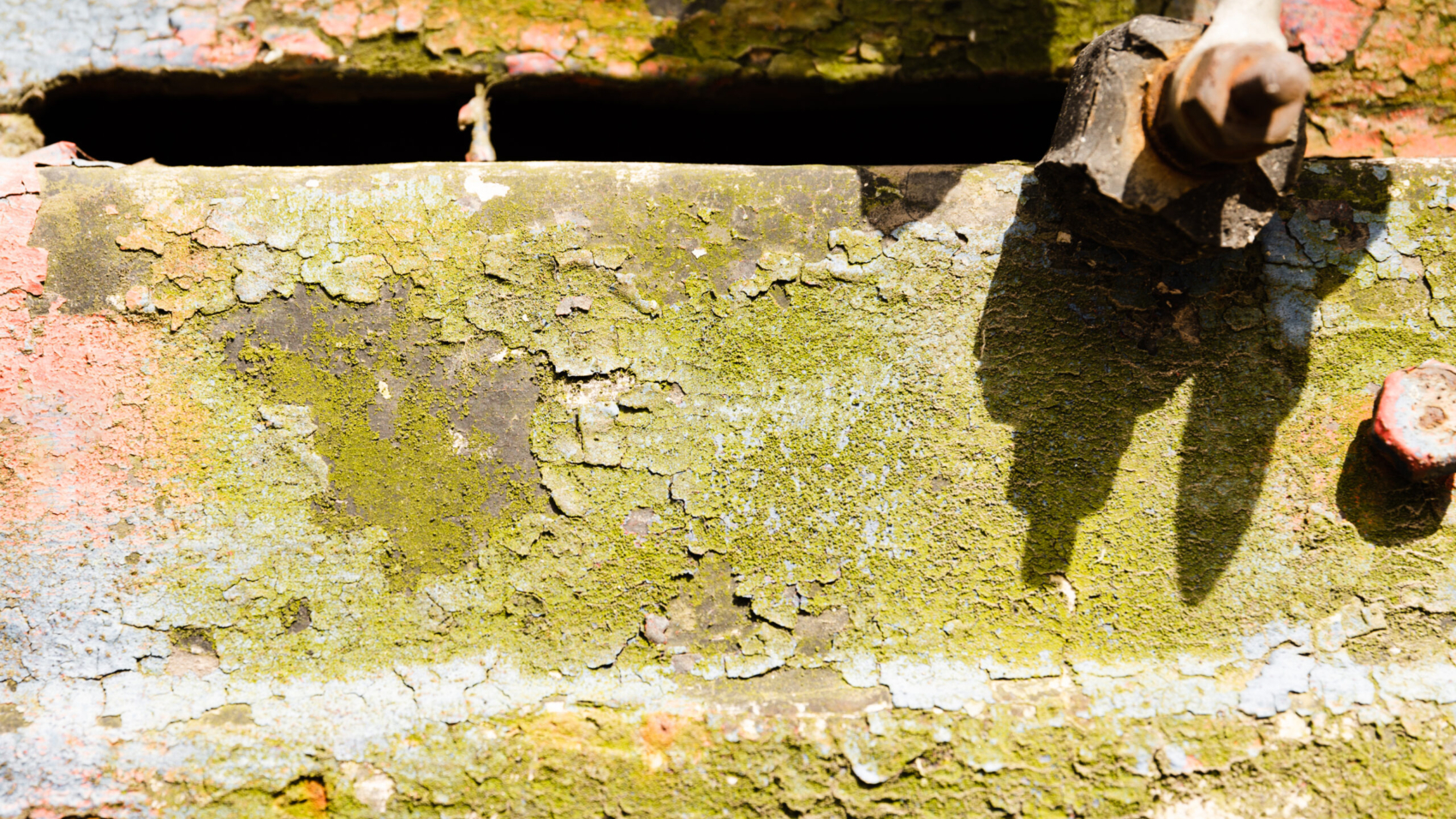
- Black, green, or white spots
- Peeling paint or wallpaper
- Warped surfaces
- Increased allergy symptoms
If you notice these signs, act immediately.
What to Do Immediately After a Leak or Flood
Quick action can stop mold before it spreads.
- Stop the Water Source
Identify and fix the leak as soon as possible.
- Remove Standing Water
Use mops, towels, or a wet vacuum to remove excess water.
- Dry the Area Thoroughly
Use fans and dehumidifiers to speed up drying. Open windows to improve airflow.
- Remove Wet Materials
Items like carpets and insulation may need to be removed if heavily soaked.
- Clean and Disinfect
Use appropriate cleaning solutions to prevent mold growth.
How to Prevent Mold After Water Damage
Prevention is always better than remediation.
Act Within 24 Hours
Drying affected areas quickly is the most effective way to prevent mold.
Control Humidity Levels
Keep indoor humidity below 50%.
Improve Ventilation
Use fans and exhaust systems to maintain airflow.
Inspect Regularly
Check for leaks and moisture buildup in high-risk areas.
Maintain Your Home
Fix plumbing issues and maintain appliances to prevent future leaks.
When to Call a Professional
Some situations require expert help.
Call a professional if:
- Mold covers a large area
- The source of moisture is unclear
- You experience health symptoms
- Mold keeps returning
Professionals have the tools and expertise to handle severe cases safely.
The Cost of Waiting Too Long
Delaying action can lead to:
- Higher repair costs
- Structural damage
- Health risks
- Decreased property value
Therefore, addressing water damage immediately is always the best decision.
Final Thoughts
So, how fast does mold grow after a water leak or flood? It can begin within 24 to 48 hours. From there, it spreads quickly if conditions remain favorable.
Understanding the timeline and the connection between Mold and Health highlights the importance of fast action. The sooner you respond, the better your chances of preventing serious damage.
By acting quickly, drying affected areas, and maintaining your home, you can protect both your property and your health.