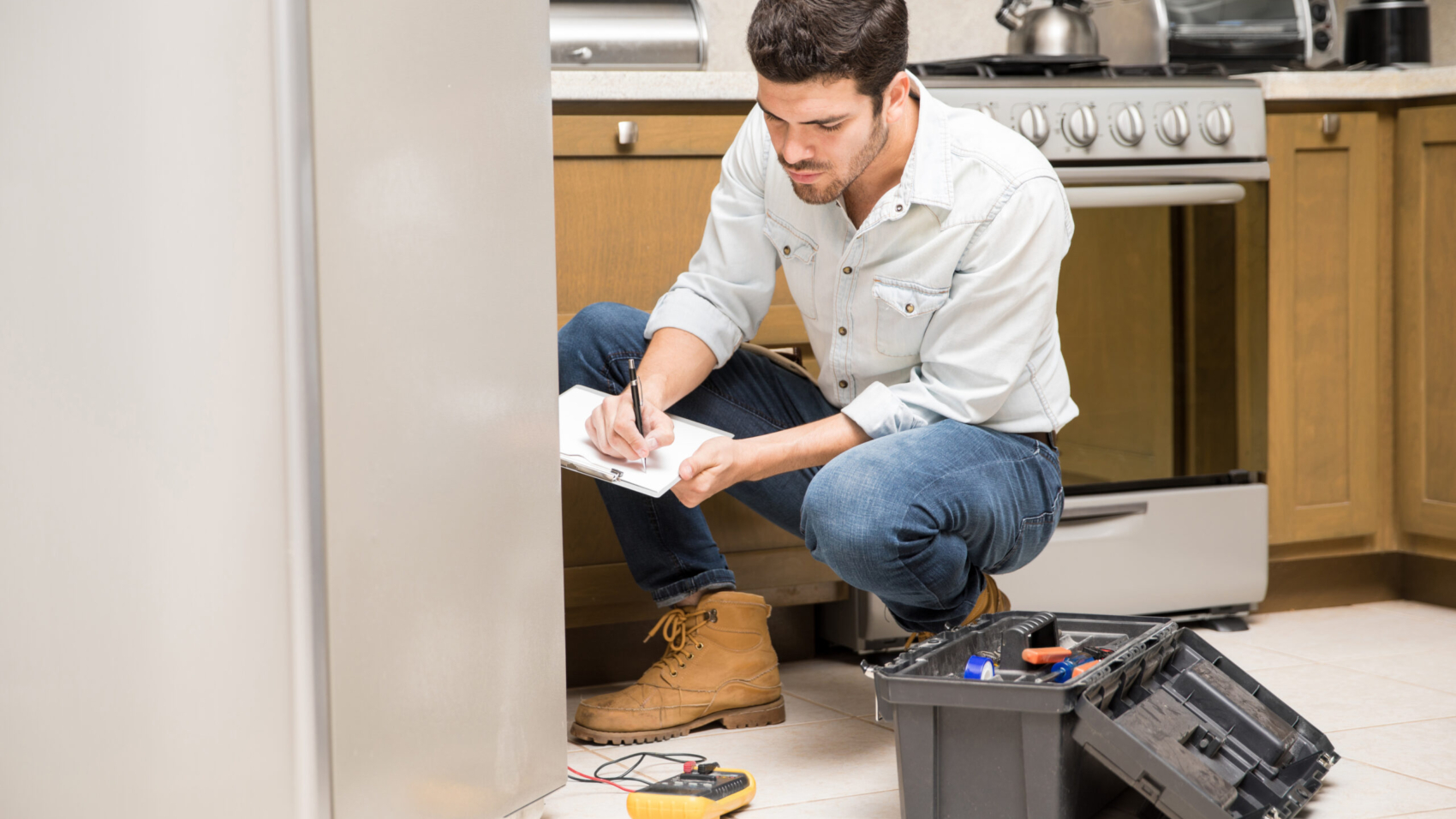
A leaking refrigerator can quickly turn from a minor annoyance into a costly problem. Water pooling around your fridge not only damages your flooring but also signals that something isn’t working properly.
So, what makes a refrigerator leak water? More importantly, how can you fix it and prevent it from happening again?
In this guide, we’ll explore the seven most common causes, practical solutions, and prevention tips. We will also explain how broader household plumbing issues like clogged toilets, dish washer leaks, and drainage problems can contribute to appliance-related water damage.
Why You Should Not Ignore a Leaking Refrigerator
At first glance, a small puddle may not seem like a big deal. However, ignoring the issue can lead to:
- Water damage to floors and cabinets
- Mold and mildew growth
- Increased energy bills
- Reduced appliance lifespan
Therefore, addressing the problem early can save both time and money.
7 Main Reasons Your Refrigerator Is Leaking Water
Let’s break down the most common causes behind refrigerator leaks.
- Clogged or Frozen Defrost Drain
One of the most frequent causes is a blocked defrost drain. This drain removes excess water during the defrost cycle.
However, food particles or ice can clog it. As a result, water backs up and leaks onto the floor.
Solution:
Flush the drain with warm water and clear any debris. If frozen, allow it to thaw before cleaning.
- Damaged or Misaligned Drain Pan
Your refrigerator has a drain pan underneath that collects water. Normally, this water evaporates over time.
If the pan is cracked or not positioned correctly, water may leak out.
Solution:
Inspect the drain pan and adjust or replace it if needed.
- Faulty Door Seals
The door gasket ensures that cold air stays inside. If it becomes loose or damaged, warm air enters the fridge.
Consequently, condensation builds up and can lead to water leakage.
Solution:
Check the seals for gaps or wear. Clean or replace them to restore proper sealing.
- High Humidity Levels
In humid environments, condensation can form more easily inside your refrigerator.
This excess moisture may drip and create puddles around the unit.
Solution:
Adjust the temperature settings and avoid opening the fridge too often.
- Blocked Water Supply Line
If your refrigerator has a water dispenser or ice maker, it relies on a water supply line.
A blockage or leak in this line can cause water to escape.
Solution:
Inspect the line for cracks or clogs. Tighten connections or replace damaged sections.
- Improper Refrigerator Leveling
Your refrigerator needs to be level to function correctly. If it tilts forward, water may not flow properly into the drain.
As a result, leaks can occur.
Solution:
Adjust the legs of the fridge so it slightly tilts backward. This helps water drain correctly.
- Ice Maker Issues
Ice makers can also be a source of leaks. Problems like overfilling or faulty valves may cause water to spill.
Solution:
Check the ice maker settings and inspect the inlet valve for damage.
How Household Plumbing Problems Contribute to Refrigerator Leaks
While refrigerator leaks are often internal, external plumbing issues can make things worse.
For example:
- Clogged toilets can increase pressure in your plumbing system
- A leaking dish washer may cause excess moisture in the kitchen
- Poor drainage can lead to water buildup around appliances
As a result, these issues can create an environment where leaks become more frequent or harder to detect.
Step-by-Step: What to Do When Your Refrigerator Leaks
If you notice water around your fridge, act quickly. Follow these steps:
- Unplug the Refrigerator
Safety comes first. Disconnect the power before inspecting the appliance.
- Identify the Source
Check the drain, water line, and door seals to locate the problem.
- Clean the Drain
If the defrost drain is clogged, flush it with warm water.
- Inspect Components
Look at the drain pan, seals, and water supply line for damage.
- Dry the Area
Remove standing water to prevent further damage or mold growth.
- Test the Refrigerator
Plug the unit back in and monitor it to ensure the issue is resolved.
When to Call a Professional
Some problems require expert help. You should contact a technician if:
- The leak persists after basic troubleshooting
- Internal components are damaged
- The water line is difficult to access
- You suspect electrical issues
Professional repairs can prevent further damage and ensure safety.
Prevention Tips to Avoid Refrigerator Leaks
Preventing leaks is easier than fixing them. Here are some practical tips:
Regular Maintenance
Clean your refrigerator regularly. This includes the drain, seals, and interior surfaces.
Check Plumbing Connections
Inspect water lines and connections periodically. Fix minor leaks before they worsen.
Address Clogged Toilets Quickly
Do not ignore plumbing issues. Clogged toilets, dish washer leaks, and drainage problems can affect your entire system.
Maintain Proper Temperature Settings
Keep your refrigerator at the recommended temperature. This reduces condensation and improves efficiency.
Avoid Overloading the Fridge
Overloading blocks airflow and increases moisture buildup.
Inspect the Drain Pan
Make sure the pan is clean and properly positioned.
Signs Your Refrigerator Needs Immediate Attention
Sometimes, a leak is just the beginning. Watch for these warning signs:
- Frequent puddles around the fridge
- Unusual noises
- Food spoiling faster than usual
- Ice buildup inside the unit
If you notice these issues, act quickly to avoid costly repairs.
Final Thoughts
A leaking refrigerator is a common problem, but it should never be ignored. From clogged defrost drains to faulty seals, several factors can cause water to escape.
Additionally, household issues like clogged toilets, dish washer leaks, and poor drainage can make the situation worse. Therefore, maintaining both your appliances and plumbing system is essential.
By identifying the cause early and following proper maintenance practices, you can prevent leaks and extend the life of your refrigerator.
If the problem persists, don’t hesitate to seek professional help. Taking action today can save you from bigger problems tomorrow.