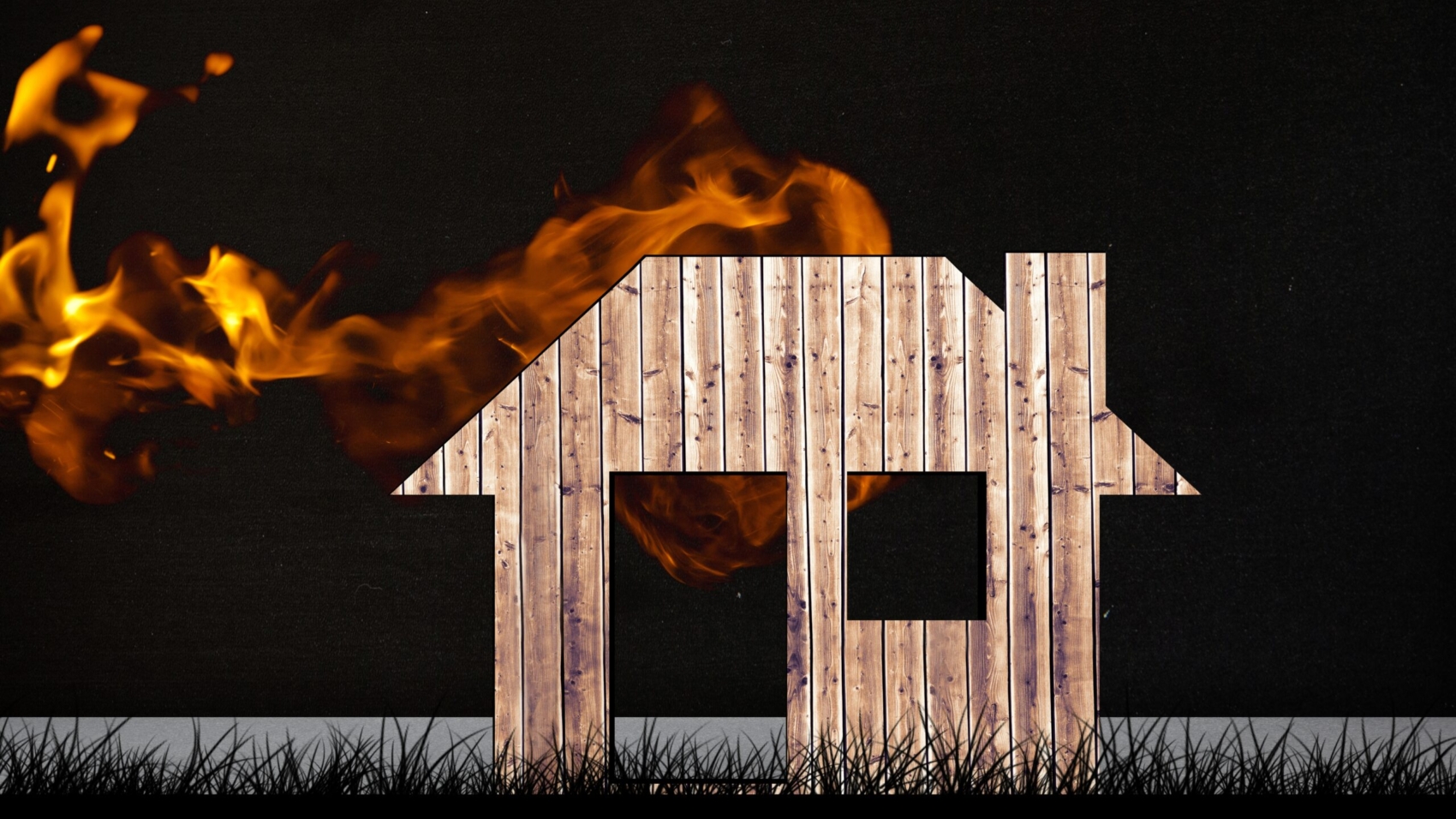
A house fire is one of the most stressful events a homeowner can experience. Beyond the immediate danger, there is also the financial uncertainty that follows. Many people quickly ask the same question: what will insurance actually cover after a fire?
The answer depends on your policy, the cause of the fire, and the extent of the damage. However, most standard homeowners insurance policies do cover a significant portion of losses related to Fire and Smoke Damage.
In this guide, we’ll break down what insurance typically covers, what it may not cover, and how to make a successful claim.
Understanding Fire and Smoke Damage Coverage
Before looking at specific items, it is important to understand how insurance companies classify fire-related losses.
Most policies group fire incidents under property damage coverage. This usually includes both:
- Direct fire damage
- Smoke and soot damage
As a result, both structural and non-structural losses are often considered together under Fire and Smoke Damage claims.
Does Homeowners Insurance Cover Fire Damage?
In most cases, yes. Standard homeowners insurance policies typically cover fire damage unless the fire was caused intentionally or due to negligence.
Covered fire-related events often include:
- House fires caused by electrical faults
- Kitchen fires
- Wildfire damage
- Accidental fires
Therefore, most accidental fire incidents are eligible for compensation.
What Insurance Typically Covers After Fire Damage
Insurance coverage usually extends beyond just the burned structure.
- Structural Damage to the Home
One of the main coverages includes repair or rebuilding of the home structure.
This may include:
- Walls and ceilings
- Roof damage
- Flooring
- Foundation repairs
As a result, homeowners can restore the physical integrity of their property.
- Smoke and Soot Damage
Smoke can travel far beyond the fire’s origin. It can affect multiple areas of the home.
Insurance often covers:
- Soot cleaning
- Smoke odor removal
- HVAC system cleaning
This is a critical part of Fire and Smoke Damage restoration.
- Personal Belongings
Most policies include coverage for personal property damaged by fire or smoke.
This may include:
- Furniture
- Clothing
- Electronics
- Appliances
However, reimbursement is usually based on policy limits and depreciation rules.
- Temporary Living Expenses
If your home becomes unlivable, insurance often covers additional living expenses.
This may include:
- Hotel stays
- Rental housing
- Food costs
- Transportation expenses
Therefore, you can maintain basic living standards during repairs.
- Debris Removal
After a fire, cleanup is necessary before rebuilding begins.
Insurance typically covers:
- Removal of damaged materials
- Hauling debris
- Site cleanup
As a result, the property becomes safe for reconstruction.
- Water Damage from Firefighting Efforts
Firefighting often involves large amounts of water. This can lead to additional damage.
Most policies cover:
- Water-soaked walls
- Damaged flooring
- Mold prevention measures
Therefore, water-related issues are often included under Fire and Smoke Damage claims.
- Smoke Damage to Nearby Structures
Smoke can spread to neighboring rooms or even adjacent properties.
Insurance may cover:
- Adjacent room cleaning
- Shared wall restoration
- Air quality treatment
This ensures full property recovery.
What Insurance May Not Cover
While coverage is broad, there are important exclusions.
- Negligence or Intentional Damage
If the fire was caused intentionally or due to extreme negligence, coverage may be denied.
- Poor Maintenance
If faulty wiring or ignored maintenance caused the fire, insurers may reduce or deny claims.
- Luxury or High-Value Limits
Standard policies may not fully cover:
- Expensive jewelry
- Collectibles
- High-end electronics
Therefore, additional coverage may be required.
- Business Property Losses
If you run a business from home, equipment may not be fully covered under standard policies.
How Insurance Evaluates Fire Damage Claims
Insurance companies follow a structured process.
- Inspection of Damage
An adjuster visits the property to assess fire and smoke impact.
They document:
- Structural damage
- Smoke contamination
- Personal property loss
- Damage Estimation
Next, they calculate repair and replacement costs.
This includes both visible and hidden Fire and Smoke Damage.
- Policy Review
The insurer checks your policy to confirm coverage limits and exclusions.
- Settlement Offer
Finally, they provide a payout based on assessment and policy terms.
How to File a Fire Damage Insurance Claim
Filing correctly can speed up the process.
Step 1: Contact Your Insurance Company Immediately
Report the fire as soon as possible.
Step 2: Document All Damage
Take photos and videos before cleanup begins.
Step 3: Prevent Further Damage
Secure the property to avoid additional losses.
Step 4: Keep Records of Expenses
Save receipts for:
- Temporary housing
- Repairs
- Cleaning services
Step 5: Work with Adjusters
Cooperate during inspections but ensure all damage is properly documented.
Common Mistakes to Avoid
Many homeowners make errors that reduce their claim value.
Avoid:
- Throwing away damaged items too soon
- Not documenting smoke damage
- Delaying the claim process
- Accepting the first settlement offer without review
Therefore, careful documentation is essential.
Why Smoke Damage Claims Are Often Underestimated
Smoke damage is not always visible, but it can be extensive.
Insurance adjusters may underestimate:
- Odor penetration
- HVAC contamination
- Hidden soot in walls
As a result, homeowners should ensure full evaluation of Fire and Smoke Damage.
How to Maximize Your Insurance Claim
To get fair compensation:
- Hire a public adjuster if needed
- Get independent repair estimates
- Document everything thoroughly
- Do not rush cleanup before inspection
These steps improve claim accuracy.
How Long Does Insurance Take to Pay Out?
Timelines vary, but most claims take:
- A few days for initial inspection
- Several weeks for full settlement
However, complex fire damage cases may take longer.
Final Thoughts
Fire damage insurance coverage can help homeowners recover financially after a disaster. Most policies cover structural repairs, smoke cleanup, personal belongings, and temporary living expenses.
However, understanding your policy is key. Not all damages are covered equally, and exclusions may apply.
The connection between Fire and Smoke Damage highlights why detailed documentation and proper claim handling are essential. Smoke damage, in particular, is often underestimated, even though it can significantly affect your home and health.
By acting quickly, documenting carefully, and understanding your coverage, you can improve your chances of a fair and successful insurance claim.