Flood Damage Repair Services
Home » Flood Damage Repair
When flooding strikes, every minute matters. Whether it’s a burst pipe, storm surge, or basement flood, water spreads quickly and damages everything in its path. Our flood damage repair team responds fast to stop further destruction, remove standing water, and fully restore your property.
We are available 24/7 for emergency dispatch, ensuring your home or business is protected from long-term structural damage, mold growth, and costly repairs.
Emergency Flood Response When You Need It Most
Flood damage is unpredictable—but your response shouldn’t be.
From the moment you call, our team is mobilized to secure your property and begin the recovery process. We prioritize rapid arrival, safety inspection, and water containment to prevent the situation from getting worse.
We handle:
- Residential flooding (homes, apartments, basements)
- Commercial flood emergencies
- Storm and heavy rain water intrusion
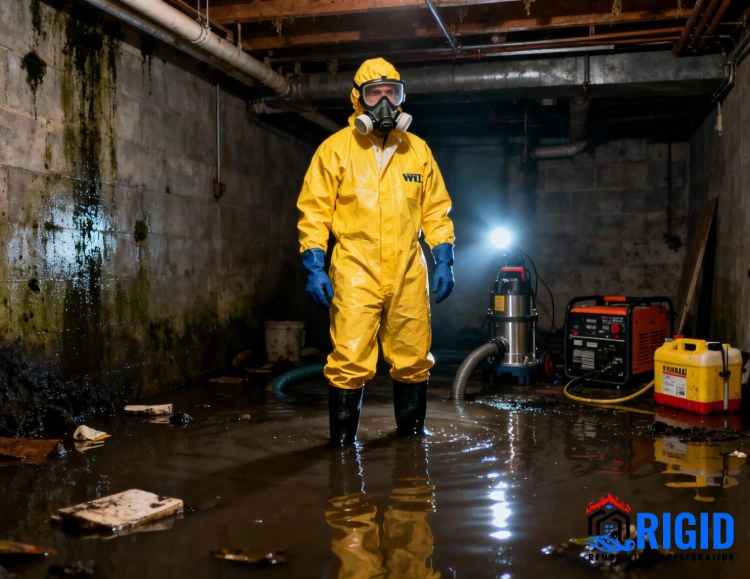
- Sewage and contaminated water flooding
- Appliance and plumbing overflow incidents
Insurance Claim Assistance
We support you through every step of the flood damage insurance process, from the initial claim submission to final approval. Our team helps you file your claim with your homeowner’s insurance provider, documents all flood-related damage in detail, and prepares a precise scope of work using industry-standard estimating tools like Xactimate.
We also communicate directly with your insurance adjuster to ensure all affected areas are properly assessed and included in the claim. Our goal is to help you secure fair coverage for all necessary repairs and reduce delays or disputes during the approval process.
A Clear Process from Inspection to Full Flood Restoration
Effective flood damage repair goes far beyond removing visible water. It requires a structured, step-by-step approach that addresses both immediate damage and hidden moisture within the property.
Our process begins with a thorough inspection to identify affected areas and locate the source of flooding. We then proceed with water extraction, followed by controlled drying and dehumidification to eliminate moisture trapped in walls, floors, and structural materials.
Once the property is fully dried, we handle necessary cleaning, sanitization, and repairs to restore damaged areas. Throughout the entire process, we maintain clear documentation to ensure the restoration is efficient, organized, and brings your property back to a safe and livable condition.
How We Help
1. Emergency Call & Dispatch
Once you contact us, our response team gathers key details about the flood, identifies urgency level, and dispatches technicians immediately.
2. On-Site Inspection
We inspect the affected area, locate the water source, assess safety risks, and measure moisture levels throughout the structure.
3. Water Source Control
If the flooding is ongoing, we stop or isolate the source; whether it’s plumbing failure, storm intrusion, or external water entry.
4. Water Extraction
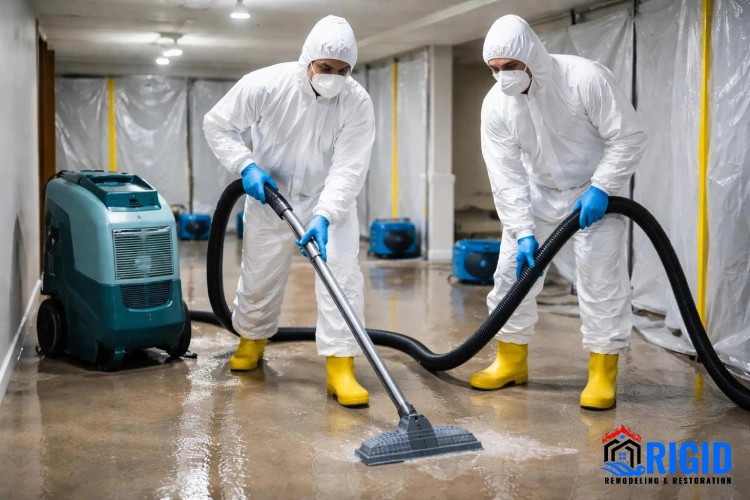
Using industrial-grade pumps and vacuums, we remove all standing water quickly to minimize further absorption into floors and walls.
5. Drying & Dehumidification
We deploy high-powered air movers and dehumidifiers to eliminate hidden moisture trapped inside walls, flooring, and structural cavities.
6. Full Restoration & Repair
Finally, we rebuild and restore damaged areas to their original condition—so your property looks and feels like the flood never happened.
Why Fast Flood Repair Matters
Floodwater doesn’t just damage what you can see—it spreads into hidden areas of your property. Within hours, materials begin absorbing moisture, and within days, mold can start forming.
Fast action helps to:
- Reduce structural damage
- Prevent mold and bacterial growth
- Lower total restoration costs
- Increase salvageable materials
- Speed up insurance claims
Advanced Equipment for Faster Recovery
We use professional-grade restoration technology designed for emergency flood situations:
- High-capacity water extraction systems
- Industrial air movers for rapid evaporation
- Commercial dehumidifiers for deep moisture removal
- Thermal moisture detection tools
- Antimicrobial cleaning solutions
This ensures faster drying times and a more complete restoration process.
Flood Damage Repair FAQs
You should respond immediately. The longer water sits in your property, the more it spreads into walls, flooring, and structural materials, increasing the risk of mold growth and costly repairs.
In most cases, yes. With fast response, proper water extraction, and professional drying, many structures and contents can be fully restored. However, severely damaged materials may need to be removed and replaced.
The timeline depends on the severity of the flooding and the size of the affected area. Minor cases may take a few days, while larger or more complex situations can take a week or more to fully dry and restore.
Yes. Mold can begin to develop within 24 to 48 hours in damp conditions. That’s why rapid drying and dehumidification are critical parts of the restoration process.
Flood Damage Emergency: A Step-by-Step Guide to Protecting Your Property
Have you experienced sudden flooding in your home or basement? Whether it’s caused by heavy rain, a burst pipe, or sewage backup, flood damage requires immediate action. Every minute counts. Fast and correct response can significantly reduce structural damage, prevent mold growth, and save thousands in repairs. This guide walks you through exactly what to do during a flood damage emergency.
Immediate Actions: Safety Comes First
When floodwater enters your property, your first priority is safety—not cleanup.
Evacuate if Necessary:
If water levels are rising quickly or you notice structural issues such as sagging ceilings, cracked walls, or unstable flooring, leave the property immediately.
Turn Off Electricity:
If it is safe to access your breaker panel, shut off power to affected areas. Never touch electrical devices while standing in water, as this creates a serious risk of electrocution.
Stop the Water Source (If Possible):
If the flooding is caused by an internal issue like a burst pipe or appliance failure, shut off the main water supply to prevent further water intrusion.
Understanding the Flood Damage Situation
Once the immediate danger is under control, the next step is understanding the type and extent of the damage.
Identify the Water Category
Not all floodwater is the same, and the level of contamination determines how it should be handled:
Clean Water:
Typically comes from broken pipes, overflowing sinks, or appliance leaks. It is the least hazardous but still causes significant damage if not addressed quickly.
Grey Water:
Water that may contain mild contaminants from sources like washing machines, dishwashers, or bathroom overflows. It requires protective handling.
Black Water:
Highly contaminated water from sewage backups, river flooding, or storm surge. This poses serious health risks and requires professional flood remediation.
Locate the Source of Flooding
Even if water flow has stopped, the underlying cause must be identified. Common sources include plumbing failures, roof leaks, foundation seepage, or external stormwater intrusion. Without resolving the root cause, any cleanup efforts will only provide temporary relief.
Water Removal and Structural Drying Process
Standing water is the most destructive element in any flood situation. The longer it remains, the deeper it penetrates into building materials.
Immediate water extraction
All visible water must be removed as quickly as possible using pumps, wet vacuums, and extraction equipment. Priority is given to carpets, flooring, and saturated furniture to prevent permanent absorption.
Professional Drying & Moisture Control
Surface drying alone is not enough. Moisture often remains hidden inside walls, insulation, and subflooring.
- Industrial air movers are used to accelerate evaporation
- Commercial dehumidifiers remove excess moisture from the air
- Moisture meters help detect hidden damp areas
This controlled drying process ensures the structure returns to safe moisture levels.
Cleaning, Disinfection, and Mold Prevention
After drying, the affected areas must be thoroughly cleaned to eliminate contaminants left behind by floodwater.
Surface Disinfection:
All non-porous surfaces such as tile, concrete, and metal are sanitized using professional-grade antimicrobial solutions.
Odor and Bacteria Control:
Floodwater often leaves behind bacteria and strong odors. Specialized treatments are used to neutralize contamination and restore indoor air quality.
Mold Prevention:
Because mold can begin developing within 24–48 hours, preventive antimicrobial applications are often necessary, especially in humid or heavily saturated areas.
Structural Repair and Restoration
Once the property is dry and safe, restoration work begins to bring it back to its original condition.
Damaged materials such as warped flooring, soaked drywall, and compromised insulation are repaired or replaced. The goal is to restore both the structural integrity and the appearance of your property.
Before completion, a final inspection is conducted to ensure no hidden moisture remains inside walls or flooring systems.
Why Professional Flood Damage Repair Matters
While minor leaks may be manageable, significant flooding requires professional expertise to avoid long-term issues.
Professional restoration teams provide:
- Advanced moisture detection tools to find hidden water
- Industrial-grade drying systems for complete moisture removal
- Safe handling of contaminated materials
- Mold prevention treatments to stop future growth
- Full structural assessment for long-term safety
Flood Damage Repair in San Diego
Flood damage repair in San Diego helps property owners recover from the effects of unexpected flooding and water intrusion. Our specialists evaluate the extent of the damage, repair affected areas, remove damaged materials, and restore your property while reducing the risk of long-term structural problems.
Flood Damage Repair in Carlsbad
Flood damage repair in Carlsbad provides professional restoration solutions for homes and businesses affected by flooding. Our team manages the repair process from start to finish, addressing damaged structures, moisture issues, and necessary repairs to help restore your property efficiently.
Flood Damage Repair in Del Mar
Flood damage repair in Del Mar helps residents and businesses handle the challenges caused by flood-related damage. Our experienced technicians provide detailed repair services, focusing on restoring damaged areas, improving property safety, and preventing additional issues caused by prolonged moisture exposure.
Flood Damage Repair in Escondido
Flood damage repair in Escondido offers reliable solutions for properties affected by flooding and water emergencies. Our professionals inspect damaged areas, repair structural problems, and restore affected spaces while ensuring the property is prepared for safe use again.
Flood Damage Repair in Oceanside
Flood damage repair in Oceanside helps homeowners and businesses recover after flooding events caused by storms, leaks, or other water-related problems. Our team provides comprehensive repair services to restore damaged areas and minimize the impact of flooding on your property.
Flood Damage Repair in Orange County
Flood damage repair in Orange County provides complete solutions for properties experiencing flood-related damage. Our specialists help property owners manage the recovery process by repairing damaged structures, addressing moisture concerns, and restoring affected areas throughout the region.
Flood Damage Repair in Mission Viejo
Flood damage repair in Mission Viejo helps local homeowners and businesses restore their properties after unexpected flooding. Our experienced team provides professional assessments, repair services, and restoration solutions designed to return damaged spaces to their original condition.
Flood Damage Repair in Irvine
Flood damage repair in Irvine provides expert assistance for properties affected by flooding, water intrusion, and related structural damage. Our technicians work carefully to repair damaged areas, improve property conditions, and help prevent future complications.
Flood Damage Repair in Temecula
Flood damage repair in Temecula helps property owners recover from flood emergencies with professional repair and restoration services. Our team evaluates the damage, completes necessary repairs, and restores affected areas to create a safe and comfortable environment.
Flood Damage Repair in Murrieta
Flood damage repair in Murrieta provides dependable recovery solutions for homes and businesses impacted by flooding. Our specialists handle the repair process with attention to detail, helping restore damaged structures and protect your property from ongoing problems.
Get Help Before Flood Damage Gets Worse
The longer flood damage is left untreated, the more it spreads through your property, weakening structural materials and increasing the risk of mold growth and permanent damage. What may start as standing water can quickly turn into soaked flooring, damaged drywall, and compromised foundations.
If your property has been affected by flooding, stormwater intrusion, or plumbing failure, fast action is essential. Contact our flood damage repair team as soon as possible to schedule an emergency inspection and begin the restoration process before the damage becomes more severe and costly to repair.
Why Choose Us
24/7 Response
Quality Repairs from Start to Finish
Experienced Restoration Team
Detailed Scope of Work