Flood Damage Repair in Del Mar
We provide professional and reliable flood damage repair in Del Mar, helping homeowners and property owners restore their properties after flooding, heavy rainfall, plumbing failures, and unexpected water intrusion. Whether your property has experienced minor flooding or extensive water damage, our team delivers customized repair and restoration solutions to address the damage, protect your property, and help return your space to its pre-damage condition.
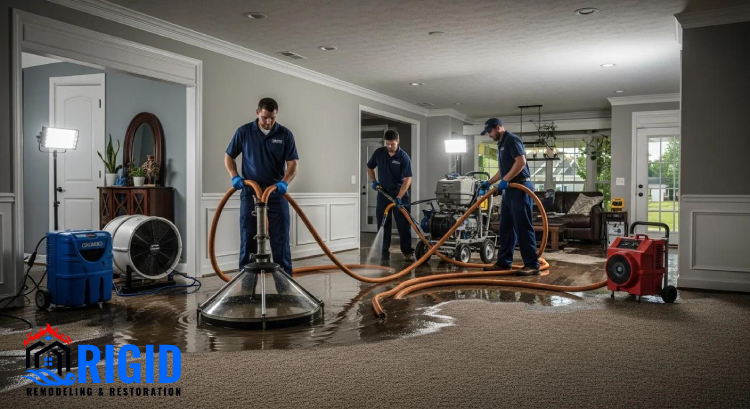
Our flood damage repair process begins with a thorough inspection of the affected areas to assess the extent of the damage and identify potential structural and moisture-related concerns. We focus on removing standing water, drying affected materials, evaluating damaged flooring and drywall, and identifying areas that may require repair or replacement.
Throughout the flood damage repair in Del Mar process, we prioritize efficient service, attention to detail, and clear communication. Our team carefully coordinates each stage, from water extraction and structural drying to repairing damaged surfaces and restoring affected areas. We can also assist with damage documentation and insurance claim coordination to help property owners navigate the recovery process more smoothly.
How We Help
1. Damage Assessment
We carefully inspect the property to understand the extent of the damage and identify all impacted areas.
2. Documentation & Photos
We collect detailed photos, reports, and evidence needed to support a strong insurance claim.
3. Claim Preparation
We organize all required information and prepare a complete, accurate insurance claim package.
4. Insurance Submission
We submit the claim properly to your insurance company to ensure it enters the review process without delays.
5. Settlement Support
We help you review the final offer and ensure you receive a fair and accurate compensation outcome.
Protect Your Property with Professional Flood Damage Repair in Del Mar
Flooding can cause extensive damage to your home or business, affecting flooring, walls, drywall, structural components, and personal belongings. Heavy rainfall, burst pipes, plumbing failures, and unexpected water intrusion can leave behind excess moisture that may lead to mold growth, weakened building materials, and costly repairs if not addressed promptly.
Our flood damage repair in Del Mar services are designed to help homeowners and business owners recover from flooding, repair damaged areas, and restore their properties to a safe and functional condition.
With our professional flood damage repair in Del Mar, we focus on more than simply removing standing water. Our goal is to identify visible and hidden damage, address moisture-related concerns, repair affected materials, and help prevent long-term structural problems.
Why Choose Us
24/7 Response
Quality Repairs from Start to Finish
Experienced Restoration Team
Detailed Scope of Work
Claim Your Free Consultation + Get a Deductible Discount
Start your remodeling or restoration project today with expert support and exclusive savings that reduce your out-of-pocket costs.
Flood Damage Repair in Del Mar: Complete Step-by-Step Guide
Flooding can cause extensive damage to homes and commercial properties, affecting flooring, drywall, insulation, electrical systems, and structural materials. Whether caused by heavy rainfall, burst pipes, plumbing failures, or unexpected water intrusion, flood damage requires prompt attention to prevent further deterioration and costly repairs.
Professional flood damage repair in Del Mar involves more than removing standing water. Moisture can penetrate walls, spread beneath flooring, and remain trapped inside building materials long after visible water disappears. Without proper treatment, these conditions may contribute to mold growth, structural deterioration, and long-term property damage.
This guide explains the essential stages of flood damage repair, from initial inspections and water extraction to structural drying, material replacement, reconstruction, and insurance documentation. Understanding the process can help Del Mar property owners make informed decisions and restore their properties safely and efficiently.
Initial Flood Damage Inspection and Assessment
The first stage of flood damage restoration involves evaluating the affected property. A thorough inspection helps determine the source of the water, the extent of the damage, and which building materials require cleaning, drying, repair, or replacement.
Professional assessments consider both visible deterioration and hidden moisture. This information allows restoration specialists to create an appropriate repair plan and identify potential safety concerns before beginning work.
Identifying the Source of Flooding
Flooding can result from storms, heavy rainfall, burst pipes, overflowing appliances, damaged plumbing, or water entering through vulnerable areas of a building.
Identifying the source is essential because restoration cannot proceed effectively while additional water continues entering the property. Depending on the situation, technicians may recommend shutting off the water supply, arranging plumbing repairs, or installing temporary protection against outside water.
The water source also determines the potential level of contamination. Clean supply-line water generally requires different handling than sewage backups or contaminated floodwater.
Assessing Visible and Hidden Damage
Water can travel behind walls, beneath flooring, and into insulation or structural framing. Consequently, materials that appear dry may still contain significant moisture.
Restoration professionals may use moisture meters, thermal imaging equipment, and visual inspections to locate affected areas. These findings help determine whether materials can be restored or require replacement.
The inspection should also identify electrical hazards, weakened building materials, and other conditions that could affect the safety of the restoration process.
Emergency Water Extraction and Flood Cleanup
Removing standing water is one of the most important early steps in flood damage repair in Del Mar. Prolonged exposure can increase damage to flooring, walls, furniture, and other materials.
Professional extraction reduces the amount of water remaining inside the property and prepares affected areas for structural drying. The appropriate equipment depends on the volume of water and the conditions of the damaged space.
Removing Standing Water
Restoration teams may use commercial pumps, extraction vacuums, and specialized equipment to remove accumulated water from affected rooms.
The extraction method depends on water depth, flooring materials, and accessibility. Removing visible water helps limit additional moisture absorption, but it does not necessarily eliminate water trapped beneath surfaces.
Once extraction is complete, technicians evaluate the remaining moisture and determine which drying procedures are required.
Protecting Personal Belongings
Floodwater can damage furniture, electronics, clothing, documents, and other valuable possessions. When conditions allow, unaffected belongings should be moved away from wet areas.
The possibility of restoring damaged items depends on their materials, condition, and exposure to contaminants. Nonporous belongings may be suitable for cleaning, while heavily contaminated absorbent materials may require specialized treatment or disposal.
Documenting damaged possessions also helps property owners organize their recovery efforts and prepare insurance records.
Structural Drying and Moisture Control
Standing water removal is only the beginning of the drying process. Moisture can remain inside drywall, wooden framing, insulation, subfloors, and other building components.
Effective structural drying helps reduce the risk of further deterioration and prepares the property for repairs. Drying requirements vary according to the materials involved, environmental conditions, and duration of water exposure.
Using Professional Drying Equipment
Commercial air movers and dehumidifiers are commonly used to support structural drying. Air movers increase airflow across wet surfaces, while dehumidifiers remove excess moisture from indoor air.
Equipment placement depends on the size of the affected area and the characteristics of the building materials. Additional drying methods may be necessary when moisture is trapped beneath flooring or inside enclosed spaces.
Drying time cannot be determined accurately without evaluating the property. Temperature, humidity, material type, and the amount of absorbed water all influence the process.
Monitoring Moisture Levels
Professional flood damage repair in Del Mar includes monitoring affected materials throughout the drying process.
Technicians may use moisture meters to compare readings with appropriate drying targets and determine whether additional treatment is required.
Monitoring is particularly important around subfloors, wall cavities, cabinets, and structural wood. If materials remain excessively wet or have deteriorated beyond recovery, removal and replacement may be necessary.
Removing and Replacing Flood-Damaged Materials
Some building materials can be dried and restored, while others become too damaged or contaminated to remain in place. The decision depends on the material, extent of exposure, and condition after flooding.
Careful evaluation helps prevent unnecessary demolition while ensuring that compromised materials are properly addressed.
Drywall and Insulation Replacement
Drywall can absorb water rapidly, resulting in swelling, staining, weakened seams, and deterioration. Significant exposure may require removal of the affected sections.
Insulation can also retain moisture and may need replacement if it cannot be adequately dried or cleaned.
Before installing new drywall or insulation, the surrounding framing and concealed spaces should be inspected and dried. Reconstruction should begin only when the affected areas are ready.
Flooring and Subfloor Repairs
Different flooring materials respond differently to flooding. Hardwood may warp, laminate can swell, and carpet may retain moisture or contaminants.
Restoration professionals assess both the visible flooring and the subfloor beneath it. In some cases, the finished flooring can be restored, while more extensive damage may require replacement.
Addressing moisture beneath the floor is essential because installing new materials over damp surfaces can lead to recurring problems.
Cabinet and Interior Finish Restoration
Kitchen cabinets, bathroom vanities, baseboards, doors, and decorative trim may also suffer water damage.
Some solid wood components can be restored when exposure is limited. However, particleboard and other engineered materials may swell or deteriorate significantly after absorbing water.
Repair decisions should consider structural condition, contamination, and whether the materials can be restored safely and economically.
Cleaning, Sanitizing, and Mold Prevention
Floodwater can introduce dirt, microorganisms, and other contaminants into a building. Appropriate cleaning procedures depend on the water source and the materials affected.
Professional cleaning helps address contamination and prepares suitable surfaces for restoration. However, severely contaminated porous materials may require removal rather than surface treatment.
Cleaning Flood-Affected Surfaces
Hard, nonporous materials may be suitable for cleaning and disinfection using appropriate products and procedures.
Porous materials exposed to sewage or contaminated floodwater require additional consideration because contaminants may penetrate beneath the surface.
Restoration professionals evaluate the affected materials and determine whether cleaning, specialized treatment, or replacement is necessary. Safety precautions should reflect the level of contamination.
Reducing the Risk of Mold Growth
Persistent moisture creates conditions that can support mold growth. Damp drywall, insulation, wood, and other porous materials may become affected when drying is delayed.
Prompt extraction, effective drying, and moisture monitoring help reduce this risk. However, visible mold or persistent musty odors may indicate that additional inspection or professional remediation is necessary.
Long-term prevention depends on correcting the original water intrusion problem and ensuring that affected materials are properly dried or replaced.
Structural Repairs and Property Reconstruction
Severe flooding may damage structural components as well as interior finishes. Wooden framing, subfloors, and other building materials can weaken or deteriorate after prolonged water exposure.
Structural repairs require careful assessment to determine which components remain suitable for use and which need replacement.
Evaluating Structural Damage
Restoration professionals inspect accessible framing, subfloors, and other affected components for moisture-related deterioration.
When significant structural concerns are identified, additional evaluation by qualified construction or engineering professionals may be necessary.
Repairs should address the underlying damage before new finishes are installed. This helps protect the durability and safety of the restored property.
Rebuilding Damaged Areas
Once water extraction, cleaning, and structural drying are complete, reconstruction can begin.
Depending on the damage, this stage may involve installing new drywall, replacing flooring, repairing cabinetry, painting walls, and restoring interior fixtures.
A coordinated repair plan helps ensure that each stage is completed in the correct order. This reduces unnecessary rework and allows the property to return to normal use more efficiently.
Residential Flood Damage Repair in Del Mar
Flooding can disrupt everyday life and affect essential areas of a home, including kitchens, bathrooms, bedrooms, and living spaces.
Residential flood damage repair in Del Mar focuses on restoring damaged areas while protecting unaffected parts of the property. The repair process is tailored to the condition of the home and the severity of the incident.
Restoring Interior Living Spaces
Residential restoration may involve repairing drywall, replacing flooring, restoring cabinets, and repainting damaged surfaces.
Before these improvements begin, moisture conditions should be evaluated to ensure that concealed water damage has been addressed.
A structured restoration plan helps homeowners understand which repairs are necessary and how different stages of the project will be coordinated.
Minimizing Household Disruption
Flood damage repairs may require drying equipment, demolition, and construction activities that temporarily limit access to certain rooms.
Clear communication helps homeowners understand the expected schedule, safety precautions, and progress of the work.
Planning temporary arrangements for essential household activities can make the restoration period easier to manage.
Commercial Flood Damage Repair in Del Mar
Commercial flooding can affect offices, retail stores, restaurants, and other business properties. In addition to building damage, water intrusion may threaten inventory, equipment, documents, and normal operations.
Commercial restoration requires careful coordination to address property damage while considering the operational needs of the business.
Protecting Equipment and Business Assets
Commercial properties often contain valuable electronics, furnishings, and specialized equipment that require evaluation after flooding.
When safe and practical, unaffected items may be moved away from damaged areas to reduce additional exposure.
Restoration professionals assess affected spaces and determine the cleaning, drying, and repair work required before normal activities can resume.
Coordinating Repairs Around Business Operations
Flood repairs may temporarily restrict access to offices, storage rooms, customer areas, or workspaces.
A clearly organized schedule helps business owners understand which areas are affected and when repairs may be completed.
Although minimizing downtime is important, safety requirements and appropriate drying conditions should determine when restored spaces are ready for use.
Insurance Claims and Flood Damage Documentation
Flood damage can create unexpected expenses, making insurance documentation an important part of the recovery process.
Coverage depends on the insurance policy, source of water, and circumstances surrounding the incident. Standard property insurance may treat internal water damage differently from flooding caused by rising external water.
Documenting the Damage
Photographs, videos, inspection findings, and written repair estimates can help record the condition of the property.
Property owners should document affected flooring, walls, cabinetry, appliances, and personal belongings whenever it is safe to do so.
Moisture readings, invoices, and records of emergency services may also support the insurance claim process. Documentation should not delay urgent measures necessary to prevent further damage.
Working With Insurance Adjusters
Insurance adjusters may inspect the property to evaluate reported damage and determine how the policy applies.
Restoration contractors can often provide estimates, photographs, and descriptions of the work needed to repair affected areas.
Clear communication helps property owners understand the proposed restoration scope. However, insurance coverage and payment decisions remain subject to the insurer’s assessment and the policy terms.
Choosing a Flood Damage Repair Company in Del Mar
Selecting a qualified restoration company is an important decision after flooding. The right provider should understand water extraction, structural drying, damaged material removal, and reconstruction requirements.
Property owners should evaluate experience, communication, documentation practices, and the company’s ability to explain the proposed work.
Experience and Professional Equipment
Look for a company experienced in handling different sources of water damage, including storm-related flooding, burst pipes, plumbing failures, and appliance leaks.
Ask how the team identifies hidden moisture, determines whether materials can be restored, and monitors drying progress.
Relevant training, certifications, licensing where required, and appropriate insurance are additional factors worth reviewing.
Clear Estimates and Repair Plans
A professional restoration company should explain the proposed scope of work and identify which services are included.
Written estimates help property owners understand expected costs, necessary repairs, and possible complications.
It is also important to clarify whether the company provides complete reconstruction or focuses primarily on water extraction and drying.
Final Thoughts
Flooding can affect far more than the visible surfaces of a property. Water may penetrate flooring, drywall, insulation, and structural components, creating damage that becomes increasingly difficult to address when restoration is delayed.
Professional flood damage repair in Del Mar follows a systematic process that includes damage assessment, water extraction, structural drying, cleaning, material replacement, and reconstruction. Each stage plays an important role in returning the property to a safe and functional condition.
Homeowners and business owners can support a smoother recovery by acting promptly, documenting the damage, and working with qualified restoration professionals. Understanding the process also makes it easier to evaluate repair recommendations and coordinate with insurance providers.
With proper planning and attention to both visible and hidden damage, property owners in Del Mar can restore affected spaces, reduce the risk of additional deterioration, and move forward with greater confidence.
Claim Your Free Consultation + Get a Deductible Discount
Start your remodeling or restoration project today with expert support and exclusive savings that reduce your out-of-pocket costs.
flood damage repair IN DEL MAR FAQs
The duration of flood damage repair in Del Mar depends on the severity of the flooding, the affected materials, and the extent of structural damage. Water extraction and structural drying may take several days, while extensive repairs involving drywall, flooring, cabinets, or structural components can take several weeks. A professional inspection helps determine the necessary repairs and provide a more accurate project timeline.
Insurance coverage depends on the cause of the water damage and the terms of your policy. Standard homeowners insurance may cover certain sudden and accidental water damage incidents, such as burst pipes, but typically excludes flooding caused by rising external water. Separate flood insurance may be necessary for these situations. A professional restoration company can help document the damage and provide repair estimates to support the insurance claims process.
After flooding, prioritize your safety and avoid entering areas with standing water if electrical hazards or structural damage may be present. If it is safe, stop the source of water intrusion and document the damage with photographs or videos. Contact a professional flood damage repair company to assess the affected areas, remove standing water, and begin structural drying. Prompt action can help reduce further damage, limit mold growth, and prevent additional restoration expenses.