
what to do after a flood

Steps Homeowners Should Take Immediately After a Flood Damages Their Property

Floods can cause significant damage to your home, leading to destruction of belongings, structural issues, and even health risks. The aftermath of a flood can be overwhelming, but taking immediate action can help mitigate further damage and speed up the recovery process. In this blog post, we’ll guide you through the essential steps homeowners should take immediately after a flood damages their property, from securing your safety to finding flood repair services.

By following these steps, you can effectively address the situation and start the flood damage repair process as quickly as possible.

  1. Ensure Your Safety First

Before you do anything, your safety should be the top priority. Floods can present numerous hazards, from electrical risks to structural instability. Taking the right precautions is essential to protect yourself and your loved ones.

  • Turn off the electricity: If it is safe to do so, switch off the main power supply to prevent electrical hazards. Water and electricity can be a dangerous combination, so don’t touch electrical outlets, switches, or appliances if you are standing in water.
  • Evacuate if necessary: If floodwaters are still rising or your home is at risk of collapse, evacuate immediately. If you have to leave, do so safely by using an elevated escape route and avoid walking through floodwaters, as they can contain hidden debris or contaminants.
  • Avoid contaminated water: Floodwaters can be contaminated with bacteria, sewage, and chemicals. Keep your distance from the water to avoid exposure to harmful substances.

By prioritizing safety, you can avoid putting yourself and your family in harm’s way during this stressful situation.

  1. Document the Damage for Insurance Claims

Once you’ve ensured your safety, it’s time to start documenting the damage. Proper documentation is critical for insurance claims and for understanding the extent of the damage to your property.

  • Take photos and videos: Capture clear images of damaged areas, including walls, flooring, furniture, and appliances. It’s best to take photos of both the visible damage and any hidden areas, such as under floors or inside cabinets.
  • List damaged items: Make a detailed list of damaged or destroyed belongings. Include descriptions, quantities, and the approximate value of each item. This list will be helpful for your insurance provider during the claims process.
  • Contact your insurance company: Notify your insurance company immediately to start the claims process. They may have specific guidelines for submitting your documentation, so follow their instructions carefully.

Having thorough documentation will support your flood damage repair claim and ensure you get the compensation you’re entitled to.

  1. Stop the Water Flow

If you have not already done so, it’s crucial to stop the flow of water into your home to prevent further damage. Depending on the source of the flooding, different actions may be required:

  • Shut off the water supply: If the flooding is due to a burst pipe or plumbing issue, locate the main water valve and turn it off. This will prevent any more water from entering your home.
  • Seal leaks: If floodwaters are coming from external sources, like heavy rain or storm surges, check doors, windows, and other entry points for leaks. Use temporary barriers like sandbags or plastic sheeting to block water from entering if possible.

Stopping the flow of water helps prevent additional damage to your home and makes it easier to begin the repair process.

  1. Remove Standing Water

The next step is to remove as much standing water as possible to prevent it from seeping into walls, floors, and furniture. Standing water can cause more damage to your property and create conditions conducive to mold growth.

  • Use pumps and vacuums: If the floodwaters are shallow, you can use a wet/dry vacuum to remove the water. For larger floods, you may need to rent or hire professionals who can use industrial pumps to extract the water quickly.
  • Ventilate the area: Open windows and doors to allow fresh air to circulate and help dry out the space. If possible, use fans and dehumidifiers to speed up the drying process.
  • Wear protective gear: Floodwaters may be contaminated with bacteria and other harmful pathogens, so wear protective gear, such as rubber gloves, boots, and masks, while working in the flooded areas.

Removing the standing water will help limit the damage and prevent issues like mold growth and structural deterioration.

  1. Dry Out the Property

After removing the water, drying out your property is the next critical step. If not properly dried, moisture can linger in walls, floors, and other hidden areas, leading to further damage and mold growth.

  • Use dehumidifiers and fans: Dehumidifiers will help extract moisture from the air and materials in your home. Place fans in the affected areas to circulate air and speed up the drying process.
  • Remove soaked materials: In some cases, materials like carpets, insulation, and drywall may need to be removed if they are saturated and cannot be effectively dried. These materials can trap moisture, leading to mold and mildew growth.
  • Inspect for hidden moisture: Use moisture meters to check areas that may be difficult to access, such as behind walls or under floors, for any remaining water. This is especially important in basements or areas with poor ventilation.

Thorough drying is essential for preventing mold, structural damage, and further complications down the line.

  1. Call a Flood Damage Repair Specialist

After performing these initial steps, it’s time to contact a professional flood damage repair company. Flood repair experts have the tools, knowledge, and experience to assess the damage, safely remove contaminants, and restore your home to its pre-flood condition.

  • Find a reputable company: Search for a local flood damage repair service. Look for a company that specializes in flood repair near you and has a proven track record of restoring homes after water damage.
  • Request an inspection: A flood damage restoration company will conduct a thorough inspection to assess the full extent of the damage. They’ll identify structural issues, water damage to the foundation, and any hidden mold growth.
  • Let professionals handle it: Flood repair experts will handle everything from water extraction and mold remediation to structural repairs and reconstruction. This ensures that your home is fully restored and safe to live in.

Hiring a professional flood repair service is essential for effective restoration and ensuring that your home is safe and secure after the flood.

  1. Take Steps to Prevent Future Flooding

Once your home is restored, consider taking steps to prevent future flooding. Although floods can sometimes be unavoidable, there are ways to reduce the risk of future damage.

  • Install flood barriers: For homes in flood-prone areas, installing flood barriers or sump pumps can help protect your property from future floods.
  • Improve drainage: Ensure that your gutters and downspouts are clean and functioning properly. You can also regrade the landscape around your home to direct water away from the foundation.
  • Waterproof your home: Apply waterproof coatings to your basement walls and floors to help prevent water from seeping into your home.

Taking these precautions can help protect your home from future floods and reduce the likelihood of damage.

Conclusion: Act Quickly and Hire Professionals for Effective Flood Damage Repair

Floods can cause devastating damage to your home, but by taking the right steps immediately after the incident, you can minimize the impact and get your home back to normal faster. Ensure your safety first, document the damage, and remove standing water as soon as possible. Dry out the affected areas thoroughly, and don’t hesitate to contact a professional flood damage repair company to handle the more complex restoration process.

By acting quickly and professionally, you can restore your home to its pre-flood condition and take steps to prevent future water damage.

 

Things to Know Before Hiring a Bathroom Remodeling Contractor in San Diego

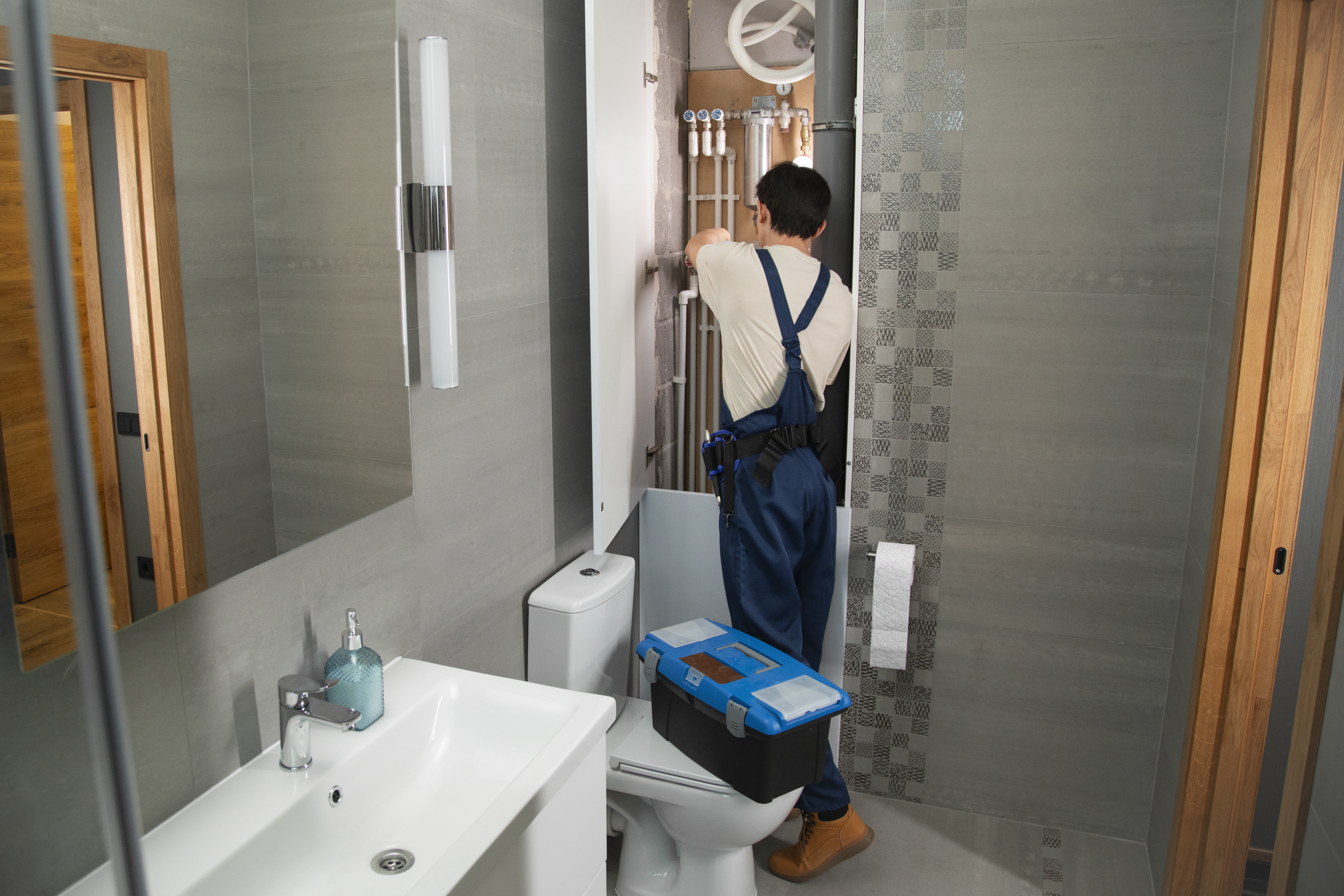
Bathroom remodeling is a great way to update your home, enhance your living space, and even increase the value of your property. Whether you’re updating an outdated bathroom, fixing water damage, or completely redesigning the space, choosing the right contractor is essential. A bathroom remodeling project requires skill, attention to detail, and expertise, so finding a qualified and reliable contractor is key to achieving the results you want.

In this post, we’ll walk you through the important things you need to know before hiring a bathroom remodeling contractor in San Diego. From understanding your needs to finding a professional who can handle bathroom water damage repair in San Diego, we’ll cover everything you need to make an informed decision.

  1. Define Your Remodeling Goals

Before reaching out to any contractors, it’s important to clearly define your remodeling goals. The more specific you can be about what you want, the easier it will be to find a contractor who can meet your expectations.

  • What’s your vision? Are you looking for a simple update with new fixtures and paint, or do you have a more ambitious plan involving changes to the layout or plumbing? Understanding the scope of your project will help you narrow down contractors who specialize in the kind of work you need.
  • What’s your budget? Setting a clear budget is essential. Knowing how much you’re willing to spend on your bathroom remodel will help contractors suggest realistic solutions and prevent surprises down the road.
  • Specific needs: If you’re dealing with bathroom water damage repair in San Diego, make sure to outline the areas that need to be addressed—whether it’s fixing leaks, replacing damaged flooring, or addressing mold issues.

Having a clear vision will make it easier to communicate your expectations with potential contractors, helping you find the best fit for your project.

  1. Research Contractors and Gather Recommendations

Once you have a clear idea of what you want, the next step is finding potential bathroom remodeling contractors. In San Diego, there are numerous options available, so it’s essential to do thorough research to ensure you hire the right one.

  • Ask for recommendations: Reach out to friends, family, or neighbors who have recently completed bathroom remodels. Personal referrals are often the best way to find a trusted contractor who delivers high-quality work.
  • Search online: Look for bathroom remodeling companies with strong reviews on Google, Yelp, and other review platforms. Check for consistency in positive feedback, particularly regarding timeliness, professionalism, and quality of work.
  • Check credentials: Ensure the contractors you’re considering are licensed and insured. A licensed contractor has met the necessary standards and regulations in San Diego, ensuring that the job will be done safely and professionally.

By gathering recommendations and conducting thorough research, you can narrow down your options and start reaching out to potential contractors for quotes.

  1. Review Experience and Specialization

Not all contractors are created equal, and each will bring different strengths to the table. When hiring a bathroom remodeling contractor, experience and specialization are crucial factors to consider.

  • Experience with bathroom remodels: While a general contractor can handle a variety of projects, look for a contractor who specializes in bathroom remodeling. They will have the expertise to handle the unique challenges of bathroom design, such as plumbing, tiling, and waterproofing.
  • Experience with bathroom water damage repair: If you’re dealing with water damage, look for a contractor who has specific experience in repairing bathroom water damage. They will understand how to identify the underlying issues and ensure that repairs are done properly to prevent future damage.
  • Previous work: Ask the contractor for a portfolio of their past bathroom remodeling projects. This will help you assess the quality of their work and get a better idea of their design style and capabilities.

Choosing a contractor with the right experience and specialization ensures that your project will be completed to a high standard and that potential issues are handled effectively.

  1. Get Multiple Estimates and Compare Quotes

When you’ve found a few contractors that meet your requirements, it’s time to get estimates. A detailed quote is an essential part of hiring a contractor, as it gives you an idea of the cost and helps you compare different options.

  • Detailed estimates: Ensure that the estimate includes all aspects of the project, including labor, materials, and any additional fees. A detailed breakdown will help you understand where your money is going and avoid hidden costs.
  • Get multiple quotes: Always get at least three estimates before making your final decision. Comparing quotes will give you a sense of the going rates for bathroom remodeling in San Diego and help you identify any contractors whose prices are significantly higher or lower than the others.
  • Ask about the timeline: In addition to cost, ask each contractor for an estimated timeline for the project. A reputable contractor should be able to give you a realistic idea of how long the work will take based on your specific needs.

Getting multiple estimates allows you to make an informed decision based on both cost and quality. Remember, the lowest price isn’t always the best choice—consider the value each contractor provides.

  1. Check for Insurance and Licensing

Before you sign a contract, make sure the contractor is properly licensed and insured. This is a crucial step to ensure that your project is completed safely and professionally.

  • Licensing: In San Diego, contractors are required to hold a valid license to perform work on homes. Ask the contractor to provide their license number and verify it with the California Contractors State License Board (CSLB) to confirm that it’s active and in good standing.
  • Insurance: A licensed contractor should also have insurance, including liability insurance and workers’ compensation. This protects you in case of accidents, damage, or injury during the project. Make sure to ask for proof of insurance before hiring a contractor.

Hiring a licensed and insured contractor protects both you and the contractor, ensuring that your project is completed legally and safely.

  1. Review Contract and Terms

Once you’ve chosen a contractor, it’s time to sign a contract. A written agreement outlines the details of the project, including the scope of work, materials, timeline, and payment terms. Make sure the contract is clear and comprehensive to avoid misunderstandings.

  • Scope of work: The contract should clearly define the work to be completed, including the materials and finishes to be used. If you’re dealing with bathroom water damage repair, make sure the contract specifies the areas that will be addressed and how.
  • Timeline: The contract should include a realistic timeline for the completion of the project. Make sure it also includes provisions for delays, as unexpected issues can arise during renovations.
  • Payment terms: Understand the payment schedule outlined in the contract. Most contractors require a deposit upfront, with the remaining balance paid at different stages of the project. Be wary of contractors who ask for a large upfront payment.

A clear, detailed contract ensures that both you and the contractor are on the same page and helps prevent any disputes during the remodeling process.

  1. Communication and Project Management

Effective communication is key to a successful bathroom remodel. The contractor should keep you informed at every stage of the project, from start to finish.

  • Regular updates: Make sure the contractor provides regular updates on the progress of the project. If issues arise, they should communicate them promptly and provide solutions.
  • Point of contact: Establish a clear point of contact for questions or concerns during the remodel. It could be the contractor themselves or a project manager, but ensure you know who to reach out to.

Good communication helps ensure that your bathroom remodel goes smoothly and that any issues are addressed in a timely manner.

Conclusion: Choosing the Right Bathroom Remodeling Contractor

Hiring a bathroom remodeling contractor is an important decision that will impact the success of your project. By following these steps—defining your goals, researching contractors, checking credentials, getting multiple estimates, and reviewing contracts—you can ensure that you choose a qualified professional who meets your needs. Whether you’re dealing with bathroom water damage repair or looking to redesign your space, selecting the right contractor will make all the difference in achieving a successful and stress-free renovation.

professional kitchen remodeling services

Smart Ways to Upgrade Your Home with Professional Kitchen Remodeling Services

The kitchen is often considered the heart of the home. It’s where meals are prepared, memories are made, and families gather. If you’re looking to enhance your home’s functionality and aesthetic appeal, a kitchen remodel is a smart investment. However, a successful kitchen remodeling project requires the expertise of professional kitchen remodeling contractors who can turn your vision into reality. In this post, we’ll explore smart ways to upgrade your home with professional kitchen remodeling services. From layout adjustments to selecting the right materials, we’ll guide you through the process of creating a kitchen that fits your needs and style.

  1. Create an Open Concept Layout

One of the most popular trends in kitchen remodeling is an open concept layout. This design philosophy removes barriers between the kitchen and other areas of the home, creating a more spacious and interactive living environment.

  • Why it works: An open concept kitchen allows for better flow and increased interaction between the cook and guests. It also makes the space feel larger and more welcoming, especially in homes with smaller kitchens.
  • Professional input: Professional kitchen remodeling contractors can help you decide if your home is suitable for an open concept kitchen. They will assist with structural changes like removing walls or repositioning appliances, ensuring that the redesign aligns with the overall flow of your home.

With the help of experienced kitchen remodeling services, you can transform your kitchen into a functional and social space.

  1. Upgrade Your Cabinets for Style and Storage

Cabinets are one of the most important components of any kitchen. They not only provide essential storage but also define the room’s aesthetic. Upgrading your cabinets can improve both the functionality and visual appeal of your kitchen.

  • Cabinet styles: From traditional to modern, there are countless cabinet styles to choose from. Professional kitchen remodeling contractors can help you select the best design that suits your taste and the overall style of your home.
  • Maximizing storage: A well-designed cabinet layout can maximize your storage space. Consider incorporating pull-out shelves, deep drawers, and built-in organizers to optimize space. These upgrades will make it easier to store kitchen tools and reduce clutter.

Whether you’re looking for a complete cabinet replacement or a simple facelift, professional remodeling services can help you achieve a functional and stylish result.

  1. Invest in High-Quality Countertops

Countertops are an essential feature of your kitchen, providing both practical workspace and an aesthetic focal point. Choosing the right material is crucial for long-term durability and style.

  • Durable materials: Materials like granite, quartz, and marble are popular choices for high-end countertops due to their durability and easy maintenance. A professional kitchen remodeling service can help you choose the best countertop material for your needs, balancing beauty, durability, and budget.
  • Design considerations: The design of your countertops should complement the overall kitchen style. Whether you prefer sleek, modern finishes or warm, rustic textures, your kitchen remodeling contractors can help you select a material that enhances your space’s aesthetic.

Investing in high-quality countertops not only increases your kitchen’s functionality but also boosts your home’s resale value.

  1. Enhance Lighting to Create a Welcoming Atmosphere

Lighting plays a crucial role in the kitchen, both for practical use and ambiance. A well-lit kitchen is safer and more inviting, making it easier to prepare meals and entertain guests.

  • Layered lighting: Professional kitchen remodeling services can help you incorporate layered lighting into your design. This includes task lighting (for food prep areas), ambient lighting (to create mood), and accent lighting (to highlight certain features like cabinetry or artwork).
  • Energy-efficient options: LED lights are an energy-efficient choice that provides bright, long-lasting illumination. Additionally, under-cabinet lighting can illuminate countertops without taking up valuable space.

By upgrading your kitchen’s lighting, you can enhance its functionality, create a comfortable environment, and improve energy efficiency.

  1. Install New, Energy-Efficient Appliances

Upgrading to energy-efficient appliances can help you save money on utility bills while improving the functionality of your kitchen. Modern appliances are not only more energy-efficient but also feature advanced technologies that make cooking and cleaning more convenient.

  • Types of appliances to upgrade: Consider replacing old refrigerators, dishwashers, ovens, and stovetops with energy-efficient models. Look for appliances that have the ENERGY STAR label, which indicates they meet high energy efficiency standards.
  • Smart kitchen technology: Many modern kitchen appliances come with smart technology features, allowing you to control them remotely, set timers, and monitor energy usage through your smartphone.

By incorporating energy-efficient appliances into your kitchen remodel, you can reduce your environmental impact and lower your energy costs.

  1. Update Your Backsplash for a Fresh Look

The backsplash is an often-overlooked feature of the kitchen, but it can make a huge impact on the overall design. An updated backsplash can add personality, texture, and color to your kitchen, making it feel fresh and modern.

  • Tile options: Subway tiles, mosaic tiles, and patterned tiles are popular choices for backsplashes. Choose a tile that complements the color scheme of your kitchen and adds visual interest without overwhelming the space.
  • Low-maintenance materials: Materials like glass, ceramic, and porcelain tiles are easy to clean and maintain. Professional kitchen remodeling contractors can help you choose the best material that fits your design and lifestyle.

A stylish, updated backsplash is a relatively affordable way to enhance the look of your kitchen and create a focal point that ties the design together.

  1. Focus on Flooring for Durability and Style

The flooring in your kitchen must withstand heavy foot traffic, spills, and regular wear and tear. When remodeling your kitchen, choosing the right flooring is key to both functionality and aesthetics.

  • Flooring materials: Options like hardwood, tile, vinyl, and laminate are common choices for kitchens. Each material has its pros and cons in terms of durability, cost, and maintenance. A professional kitchen remodeling service can guide you in selecting the best flooring option based on your preferences and needs.
  • Water-resistant options: If you’re concerned about spills or moisture, consider water-resistant materials like tile or vinyl. These options are not only durable but also easy to clean, making them ideal for a high-traffic area like the kitchen.

Investing in quality, durable flooring ensures your kitchen remains both functional and visually appealing for years to come.

  1. Add Functional Islands or Breakfast Bars

If you have the space, adding a kitchen island or breakfast bar can greatly enhance both the functionality and style of your kitchen. An island can provide additional prep space, storage, and even seating, while a breakfast bar can create a more casual dining area.

  • Multi-purpose islands: Consider incorporating features such as built-in storage, a sink, or a cooktop into your kitchen island. This makes it even more functional and efficient for meal prep and cooking.
  • Breakfast bars: If you prefer a more casual, family-friendly space, a breakfast bar with stools can create a cozy dining area where family members can gather for meals or snacks.

A well-designed island or breakfast bar can elevate your kitchen’s functionality while adding extra storage and seating options.

  1. Consult with Professional Kitchen Remodeling Contractors

While DIY projects can be fun, kitchen remodeling is best left to the professionals. Hiring experienced kitchen remodeling contractors ensures that your project is completed on time, within budget, and to a high standard.

  • Expert guidance: Professional contractors bring years of experience and can provide valuable insights into design, layout, and materials. They can help you avoid common mistakes and make informed decisions throughout the remodel.
  • Efficient project management: Remodeling a kitchen involves coordinating many tasks, including demolition, plumbing, electrical work, and installation. A professional remodeling contractor will manage all aspects of the project, ensuring everything runs smoothly and stays on track.

Working with a professional contractor allows you to relax and enjoy the process, knowing that your kitchen remodel is in capable hands.

Conclusion: Transform Your Kitchen with Professional Remodeling Services

Upgrading your kitchen is one of the most rewarding home improvement projects you can undertake. Whether you’re looking to enhance your kitchen’s functionality, add style, or improve energy efficiency, professional kitchen remodeling services can help turn your vision into reality. From creating an open layout to selecting high-quality countertops and appliances, the right remodeling contractors will guide you through every step of the process.

By working with experienced professionals, you can ensure that your kitchen remodel is completed to the highest standards, creating a space that is both beautiful and functional for years to come.


signs you need water damage restoration

10 Warning Signs You Need Professional Water Damage Restoration in Your Home

Water damage can be a homeowner’s worst nightmare, often going unnoticed until it causes significant structural damage. Whether it’s from a sudden flood or a slow leak, addressing water damage quickly is crucial. If left untreated, water damage can lead to mold growth, weakened foundations, and even health hazards. In this blog post, we’ll explore ten key warning signs that indicate you may need to call professional water damage contractors for restoration. Early detection can save you money and ensure your home stays safe.

  1. Visible Water Stains on Walls or Ceilings

One of the most obvious signs of water damage is the appearance of water stains. These often appear as yellow, brown, or dark spots on your walls or ceilings. While minor discoloration can be easily overlooked, it’s a clear indication that water has seeped through the surface. Stains like these are usually a result of a leaky pipe, roof damage, or an issue with your plumbing system. If you notice these stains, it’s time to call in water damage repair specialists before the problem worsens.

  1. Musty Odors or Mold Growth

Mold thrives in damp environments, and if you smell a musty odor in your home, it could be a sign that water has been sitting in an area for a while. Mold is not just unpleasant; it can cause serious health issues such as respiratory problems and allergies. If you spot mold, especially in hidden areas like behind walls or in your attic, you need emergency water damage services. These professionals will safely remove the mold and prevent it from spreading further.

  1. Peeling Paint or Wallpaper

Water exposure can cause your paint or wallpaper to peel away from the walls. This is because the moisture behind the paint loosens the adhesive, making it detach. If you notice that your walls are looking “bubbly” or that the paint is peeling off, there is likely a water leak behind the surface. This sign shouldn’t be ignored, as it indicates that moisture is trapped inside, possibly leading to further damage if not addressed.

  1. Warped or Buckling Floors

Water damage can cause your hardwood floors, laminate, or tiles to warp or buckle. Wood floors are particularly vulnerable to water, as the moisture causes the wood to swell, leading to visible warping. If your floor is visibly uneven or if you notice that tiles are loosening, it’s a strong indicator that water has compromised the flooring. Professional water damage contractors can assess the situation and restore your flooring to its original condition.

  1. Increased Utility Bills

A sudden spike in your water bill could indicate an unnoticed leak somewhere in your home. Even a slow, steady leak can cause a significant increase in water usage over time. If you’re noticing higher-than-usual water bills without a corresponding increase in water usage, it’s important to inspect your pipes and appliances. Water damage restoration experts can locate the leak and mitigate the issue before it escalates.

  1. Standing Water in Your Home

If you find standing water in your basement, bathroom, or kitchen, it’s a clear sign of water damage. Standing water is typically caused by a burst pipe, a clogged drain, or a flooding event. Regardless of the cause, standing water should be addressed immediately. Delaying the restoration process can result in increased damage, including the growth of mold and the deterioration of materials like drywall and wood.

  1. Cracks in the Foundation or Walls

Water can weaken the structural integrity of your home, leading to cracks in the foundation or walls. These cracks can occur when the soil around the house becomes oversaturated, causing the foundation to shift. If you notice any cracks or fissures in your walls or foundation, it’s essential to have a professional inspection. Water damage restoration experts will assess the extent of the damage and suggest the best course of action for repairs.

  1. Water-Related Issues in the Attic

Your attic may be out of sight, but it is highly susceptible to water damage. If your roof has leaks or condensation builds up, water can easily find its way into your attic. The first sign of water damage in the attic is usually wet insulation or stained rafters. If you find wet areas in your attic, it’s crucial to act quickly to prevent mold and structural damage.

  1. Water-Logged Furniture or Belongings

If you’ve experienced flooding or water leaks in your home, you may find that your furniture, carpets, or other belongings are waterlogged. Prolonged exposure to water can damage furniture and personal items, causing them to deteriorate. Restoration professionals can assess which items are salvageable and take care of the water extraction process, preventing further damage to your valuables.

  1. Sounds of Running Water or Dripping Noises

Sometimes, the signs of water damage are less visible but still very noticeable. If you hear the sound of running or dripping water, even when all your faucets are turned off, it’s an indication that there’s a hidden leak in your plumbing system. These types of leaks can go unnoticed for a long time, causing significant damage behind the walls or under the floors. If you hear persistent dripping or running water, contact emergency water damage professionals for an inspection.

Why Professional Water Damage Restoration Matters

Water damage restoration is not a DIY job. While it might be tempting to tackle minor repairs on your own, professional restoration experts have the right tools, training, and experience to handle all types of water damage, whether it’s from a burst pipe, flooding, or leaks. Here’s why you should hire water damage contractors:

  • Expert Assessment: Restoration professionals can assess the full extent of the water damage, which may not be immediately visible to the untrained eye.
  • Comprehensive Restoration: From water extraction to structural repairs, they provide a full range of services to restore your home to its pre-damage condition.
  • Mold Prevention: Mold can grow rapidly after water damage, and professionals can take measures to prevent it from spreading.
  • Insurance Assistance: Many water damage restoration companies can work directly with your insurance provider, ensuring that you’re covered for the costs.

Conclusion

Water damage can be devastating to your home and health if not addressed promptly. By being aware of the warning signs—such as water stains, musty odors, and warped floors—you can catch the problem early and prevent it from worsening. When you notice these signs, don’t wait for the issue to escalate. Call professional water damage contractors to ensure that your home is restored properly, efficiently, and safely. The sooner you take action, the easier and less costly the restoration process will be.


common causes of water damage

4 Common Causes of Water Damage in Homes and How Restoration Experts Fix Them

Water damage in homes can occur for a variety of reasons, ranging from small leaks to major flooding incidents. Regardless of the cause, the results are often disruptive and costly. Left untreated, water damage can lead to long-term issues such as mold growth, wood rot, and weakened foundations. In this blog post, we’ll discuss the four most common causes of water damage in homes and how restoration experts fix these issues through flood damage restoration and residential water damage repair services in San Diego. Understanding these causes and the solutions available can help you take preventive steps and minimize damage to your home.

  1. Burst Pipes and Plumbing Leaks

Burst pipes and plumbing leaks are among the most common causes of water damage in homes. They can happen for a variety of reasons, including freezing temperatures, aging pipes, or even accidental damage from construction work. A burst pipe or a hidden leak can release large amounts of water into your home, potentially causing extensive damage to floors, walls, and ceilings.

  • Why it happens: Pipes can freeze and crack during colder weather, or they may simply corrode over time. Tree roots can also invade underground plumbing systems, causing leaks. Additionally, excessive water pressure or poor installation can lead to sudden bursts.
  • How restoration experts fix it: The first step in fixing burst pipes is turning off the water supply to your home. Water damage restoration professionals will then assess the extent of the damage and begin water extraction to prevent further flooding. They use industrial pumps and vacuums to remove standing water and dry out the affected areas. Plumbing repairs are typically needed to fix the burst pipe or leak, followed by necessary repairs to any damaged structures such as flooring or drywall.

Once the area is dry and repaired, restoration experts may apply antimicrobial treatments to prevent mold growth and ensure that your home is thoroughly restored.

  1. Roof Leaks and Storm Damage

Roof leaks are another common cause of water damage, especially after heavy rain or a storm. Your roof protects the rest of your home from water, but once it’s damaged, water can easily find its way inside. A roof leak can be difficult to detect until water begins dripping from the ceiling or signs of moisture appear on walls and floors.

  • Why it happens: Roofs can be damaged by heavy winds, hail, or fallen tree branches. Over time, roofing materials can degrade, allowing water to seep through. Improper installation, clogged gutters, or missing shingles are other common causes of roof leaks.
  • How restoration experts fix it: If you suspect roof damage, restoration experts will first inspect the roof to identify leaks and assess the extent of the damage. After addressing the roof issue (whether through patching, replacing shingles, or full roof repairs), they will begin the flood damage restoration process inside the home. This may involve water extraction, drying, and mold remediation, depending on how much moisture has entered the home. If the water has caused structural damage, professionals may need to repair drywall, insulation, or flooring as well.
  1. Flooding from Heavy Rain or Storm Surges

Flooding from heavy rainfall or storm surges can cause significant water damage to homes, especially those located in flood-prone areas. When rainfall overwhelms drainage systems or causes rivers and streams to overflow, water can easily enter homes, leading to extensive damage to foundations, basements, and other low-lying areas.

  • Why it happens: Homes located in flood zones are at higher risk of water damage during storms. Inadequate drainage systems, blocked gutters, or poor landscaping can exacerbate the situation by preventing water from being channeled away from the home.
  • How restoration experts fix it: In the case of flooding, the primary goal is to remove standing water as quickly as possible to prevent further damage. Flood damage restoration specialists use industrial pumps, vacuums, and dehumidifiers to extract water and dry out the home. Afterward, they assess the structural integrity of the home, checking for any damage to the foundation, walls, or flooring. In some cases, professional mold remediation may be needed, especially if the flooding lasted for an extended period.

Additionally, restoration experts will thoroughly clean and disinfect the area to remove contaminants carried in by floodwaters, ensuring that your home is restored to a safe condition.

  1. Appliance Failures (Washing Machines, Dishwashers, and Water Heaters)

While we rely on household appliances like washing machines, dishwashers, and water heaters to make our lives easier, these appliances can also be a major source of water damage when they malfunction. A leaking washing machine, a broken dishwasher, or a burst water heater can quickly flood a room, damaging flooring, walls, and other furnishings.

  • Why it happens: Appliance failures can occur due to age, improper installation, or wear and tear. Leaks may also develop from hoses, connections, or faulty seals. In the case of water heaters, they may corrode over time or malfunction, causing them to leak or burst.
  • How restoration experts fix it: When appliance failure causes water damage, the first step is to turn off the appliance and stop the water supply. Professionals will then begin the flood damage restoration process by removing standing water and drying the affected areas. If mold is detected, they will perform mold remediation to prevent it from spreading. If any appliances are beyond repair, restoration experts will also advise you on replacing or fixing the faulty appliance. Once the water damage is addressed, repairs to flooring, drywall, or cabinetry may be necessary to restore your home.

How Restoration Experts Ensure Thorough Water Damage Repair

Water damage restoration experts take a systematic approach to repair and restore your home after water damage occurs. Here’s how they ensure that all damage is properly addressed:

  • Inspection and assessment: Restoration professionals begin by thoroughly inspecting the damage. This includes not only visible damage but also hidden moisture in walls, floors, and ceilings, which can lead to mold growth if left unchecked.
  • Water extraction: Standing water is removed using powerful pumps and vacuums. This helps prevent further damage and sets the stage for drying the area.
  • Drying and dehumidification: Specialized drying equipment like air movers and dehumidifiers is used to thoroughly dry the area. This is critical in preventing mold growth, which can begin within 24 to 48 hours.
  • Cleaning and sanitizing: After drying, all surfaces are cleaned and disinfected. This is important for removing any contaminants from floodwater and preventing mold spores from settling.
  • Restoration and repair: Once the area is dry and free of mold, restoration experts will repair and replace damaged materials such as drywall, flooring, and insulation. They will also make sure that your plumbing, roof, and appliances are functioning correctly to prevent future water damage.
Conclusion: Protecting Your Home from Water Damage

Water damage can have serious consequences for homeowners, from mold growth to structural damage. Understanding the common causes of water damage such as burst pipes, roof leaks, flooding, and appliance failures can help you identify potential issues before they escalate.

By working with experienced water damage contractors, you can address water damage promptly and thoroughly. These experts specialize in flood damage restoration and residential water damage repair in San Diego, ensuring that your home is restored to its pre-damage condition and is protected against future incidents.


water damage restoration prevent mold

How Professional Water Damage Restoration Prevents Mold Growth

Water damage can cause serious problems for homeowners, with one of the most dangerous being the rapid growth of mold. Mold and water damage are often intertwined, as moisture creates the perfect breeding ground for mold spores to thrive. Without proper water damage restoration prevent mold strategies, mold can spread quickly, causing health issues and damaging the structure of your home. In this blog post, we’ll explore how professional water damage contractors prevent mold growth through effective flood damage restoration processes. By understanding the role of professionals in mold prevention, you can better protect your home from long-term damage.

  1. Why Mold Growth Is a Concern After Water Damage

Mold growth is a natural consequence of water damage if not addressed quickly. Mold spores are present in the air around us all the time, but they typically remain harmless unless they come into contact with excess moisture. When water enters your home whether through a leaking roof, burst pipes, or flooding—it can soak into building materials like drywall, wood, and insulation. If these materials remain damp for more than 24 to 48 hours, mold can begin to grow.

  • Health risks: Mold can cause a variety of health problems, especially for individuals with allergies, asthma, or weakened immune systems. Symptoms like coughing, wheezing, skin irritation, and eye problems are common.
  • Structural damage: Mold can weaken the structural integrity of your home, causing wood to rot and drywall to deteriorate. Over time, this can result in costly repairs and even compromise the safety of your home.

Given the risks, addressing water damage promptly is crucial to preventing mold from taking hold in your home.

  1. The Importance of Professional Water Damage Restoration

While homeowners may attempt DIY methods to manage water damage, the process often requires the expertise of water damage contractors to fully restore the home and prevent mold growth. These professionals have the knowledge, tools, and experience necessary to properly handle water damage and mitigate the risks of mold development.

  • Thorough inspection: Professional water damage contractors conduct a detailed assessment of the affected areas to identify the full extent of the damage. This ensures that no hidden moisture is left behind, which could lead to mold growth.
  • Efficient water removal: Using specialized equipment like industrial wet vacuums, pumps, and dehumidifiers, restoration professionals can quickly and effectively remove standing water, reducing the risk of further damage.
  • Dealing with hidden moisture: One of the major issues with water damage is that moisture can seep into areas that are not immediately visible, such as behind walls, beneath floors, or inside insulation. Water damage contractors use moisture detection tools to locate and address these hidden sources of water, which are prime locations for mold growth.

By addressing water damage comprehensively, professionals can ensure that all moisture is removed and that mold has no opportunity to form.

  1. Speed Is Key in Preventing Mold Growth

When it comes to preventing mold, timing is critical. Mold spores can start to grow within 24 to 48 hours of water exposure, and the longer water sits in your home, the more likely it is that mold will form. Professional water damage restoration services are designed to act quickly, minimizing the amount of time that moisture remains in your home.

  • Fast response time: Many flood damage restoration companies offer emergency services, allowing them to respond immediately after water damage occurs. The faster the response, the better the chance of preventing mold growth.
  • Drying and dehumidifying: Professional restoration teams bring in heavy-duty fans, air movers, and dehumidifiers that are capable of drying out your home quickly. The goal is to remove all moisture from the affected area to eliminate the possibility of mold development.

If mold growth has already started, water damage contractors can provide mold remediation services to safely remove and treat the affected areas, stopping the spread before it worsens.

  1. Comprehensive Mold Prevention Methods Used by Professionals

Once water has been removed and the area is drying, professional water damage contractors take specific steps to prevent mold from forming. Here are some of the methods they use:

  • Surface cleaning and disinfecting: After drying, professionals will clean and disinfect all surfaces that came into contact with water. This step helps kill any mold spores that may have settled and prevents them from growing.
  • Antimicrobial treatments: In some cases, water damage contractors apply antimicrobial treatments to surfaces like wood, drywall, and insulation. These treatments are designed to prevent mold from growing and spreading by creating a protective barrier against moisture.
  • Advanced drying techniques: Drying affected areas is not always as simple as using a few fans. Depending on the type of materials and extent of the water damage, professionals may use specialized drying equipment like desiccant dehumidifiers, which can draw moisture from hard-to-reach places.
  • Removal of contaminated materials: If materials are too damaged or porous to be effectively dried and cleaned (such as carpets or insulation), water damage professionals will remove them entirely. This ensures that mold has no breeding ground to grow.

By utilizing these techniques, professionals can ensure that mold does not have the chance to take root and spread throughout your home.

  1. Long-Term Mold Prevention with Regular Maintenance

Once your home is restored, ongoing maintenance is essential to prevent future water damage and mold growth. Professional water damage contractors often offer services that help protect your home from water intrusion and mold problems in the future.

  • Inspection and maintenance: Regular inspections of your plumbing, roof, and foundation can help identify any areas where water damage may occur. Contractors can provide advice on how to maintain your home and prevent leaks from developing into larger problems.
  • Waterproofing: For homes in flood-prone areas, contractors may recommend waterproofing services, which can include sealing basements, installing sump pumps, and ensuring that drainage systems are in good working order.
  • Humidity control: Installing humidity controls in damp areas like basements and crawl spaces can help prevent moisture buildup, making it less likely for mold to develop.

Long-term maintenance ensures that your home remains protected from future water damage and mold growth.

  1. Why DIY Solutions Are Risky

While it may be tempting to handle water damage on your own, DIY solutions are often insufficient when it comes to preventing mold growth. Here are some reasons why professional restoration is the best option:

  • Inadequate drying: Without the right equipment, it’s difficult to thoroughly dry out your home, leaving behind pockets of moisture where mold can thrive.
  • Hidden damage: DIY methods often overlook hidden moisture in walls, floors, or ceilings. Mold can grow in these hard-to-reach areas, even if the visible surfaces seem dry.
  • Health risks: Mold removal and water damage restoration can be dangerous if not done properly. Mold spores can be harmful to your health, and the process of cleaning it up requires protective gear and specialized knowledge.

Professional water damage contractors are trained to deal with mold and water damage safely and effectively, ensuring that your home is restored properly and mold-free.

  1. Conclusion: Professional Restoration is Essential to Prevent Mold Growth

Water damage and mold growth are two issues that go hand-in-hand, but professional water damage restoration services can prevent mold from causing significant damage to your home. By acting quickly, thoroughly drying the affected areas, and using specialized equipment and treatments, water damage contractors can stop mold in its tracks and restore your home to its pre-damage condition.

If you’ve experienced water damage, don’t wait for mold to take hold. Contact a flood damage restoration company today to get your home restored and protected from future water-related issues.


water damage emergency steps

What to Do Immediately after Water Damage: A Step-by-Step Homeowner’s Guide

Water damage can strike unexpectedly, whether from a burst pipe, leaking roof, or a flooding event. When it does, the immediate response is critical to preventing long-term damage to your home and belongings. Acting quickly can make all the difference in mitigating further issues like mold growth, structural damage, and costly repairs. In this step-by-step guide, we’ll walk you through the essential actions to take after experiencing home water damage, from initial response to contacting flood repair professionals.

  1. Ensure Your Safety First

Before doing anything else, ensure the safety of everyone in your household. Water damage can lead to electrical hazards, especially if the water has come into contact with electrical outlets or wires. Here’s what you should do:

  • Turn off the electricity: If the water is near electrical outlets, switch off the power at your circuit breaker. Do not attempt to touch any electrical devices or wires if you’re standing in water.
  • Evacuate if necessary: If the flooding is extensive or there’s a risk of the water rising, evacuate your home and call emergency services. In case of standing water, there’s also a risk of contamination, so avoid contact with it as much as possible.

Once it’s safe to proceed, you can begin addressing the water damage.

  1. Identify the Source of the Water

Finding the source of the water is crucial for stopping the flow and preventing further damage. This is often one of the first things you should do once you’ve ensured safety.

  • For plumbing issues: If the water is coming from a burst pipe, locate the main water valve and shut it off. If you’re unsure where it is, it’s typically in the basement or outside of the house.
  • For roof or window leaks: If the water is coming from a leak in your roof or windows, try to temporarily cover the area with a tarp or plastic sheeting to prevent more water from entering.

Stopping the water flow will help you gain control over the situation and begin the restoration process.

  1. Remove Standing Water

If you have standing water inside your home, it needs to be removed immediately to prevent further damage. The longer water remains in contact with your floors and walls, the greater the risk of mold growth and structural issues.

  • Use a wet/dry vacuum: If the water is shallow, a wet/dry vacuum can be very effective in removing it.
  • Pump out large amounts of water: For larger flooding events, you may need to rent a sump pump or contact professional water damage contractors for flood repair services. These pumps can quickly remove excess water from the affected areas.

Be sure to take proper safety precautions when removing water. Wear rubber boots and gloves to avoid contamination, especially if the water has come from a sewer backup.

  1. Dry the Affected Areas

Once you’ve removed the standing water, the next step is to dry out the area as quickly as possible. Moisture left behind can lead to mold and water damage, which can be costly and harmful to your health.

  • Use fans and dehumidifiers: Position fans in the affected rooms to circulate air and speed up the drying process. Dehumidifiers can also be helpful in removing moisture from the air and walls.
  • Remove wet carpets, rugs, and upholstery: If your carpets, rugs, or furniture have been soaked, it’s best to remove them from the area to dry separately. If the carpet is too damaged, it may need to be replaced.
  • Open windows and doors: If weather permits, open windows and doors to increase airflow in the affected areas.

The faster you dry the area, the less likely you are to experience long-term issues like mold or wood rot.

  1. Inspect for Hidden Damage

Not all water damage is immediately visible. Water can seep into walls, ceilings, and floors, causing damage that might not be apparent at first. It’s essential to inspect these hidden areas to assess the full extent of the damage.

  • Check for water in walls or ceilings: Look for signs of bulging, discoloration, or sagging in your walls and ceilings. This could indicate that water has been absorbed into the structure.
  • Examine your foundation: If you’ve had flooding, inspect your basement or foundation for cracks or leaks. Water can seep through even small cracks, leading to long-term damage.

If you’re unsure about hidden damage, it’s a good idea to contact a professional for a more thorough inspection.

  1. Prevent Mold Growth

Mold can begin to grow within 24-48 hours after water damage occurs, especially in areas with high humidity or poor ventilation. This is why it’s essential to take immediate steps to prevent mold from taking hold.

  • Use dehumidifiers and fans: As mentioned earlier, these will help remove excess moisture from the air, making it harder for mold to thrive.
  • Clean and disinfect surfaces: Any area that has been wet for an extended period should be cleaned and disinfected to prevent mold spores from developing.
  • Remove porous materials: Materials like carpets, ceiling tiles, and insulation can absorb water and may need to be removed and replaced if they’ve been extensively damaged by water.

If you notice mold growth or suspect that mold has already started to form, it’s best to call in mold and water damage professionals for safe removal.

  1. Document the Damage for Insurance Claims

Once you’ve taken immediate action to control the water damage, it’s time to document everything for your insurance claim. Insurance companies will often require detailed evidence of the damage in order to process your claim.

  • Take photographs and videos: Capture as many photos and videos as possible to document the damage. Be sure to take pictures of both the visible damage and the hidden areas (like behind walls or under flooring).
  • Keep damaged items: If possible, keep any damaged items (furniture, appliances, etc.) for the insurance adjuster to inspect. If they’re too damaged, make a list of them and include their approximate value.

Documenting the damage thoroughly can help ensure that you receive the appropriate compensation for repairs.

  1. Contact a Professional Water Damage Restoration Company

If the damage is extensive or if you’re unable to manage the cleanup on your own, it’s time to call in the professionals. Water damage restoration companies specialize in flood repair, mold removal, and the complete restoration process. They have the tools, knowledge, and experience to handle even the most severe water damage situations.

  • Flood repair services: Professional water damage contractors will assess your home, remove any remaining water, and begin the repair process.
  • Mold and water damage remediation: If mold is present, professionals will use specialized equipment to remove it safely and prevent it from spreading further.

Hiring a professional ensures that your home is restored to its pre-damage condition quickly and effectively.

  1. Avoid Making Long-Term Repairs Until the Area is Completely Dry

It’s important to avoid making long-term repairs until the affected areas are completely dry. If you cover up wet areas with new paint, drywall, or flooring before they are fully dry, you risk trapping moisture inside, which could lead to mold and further damage.

  • Allow sufficient drying time: Depending on the severity of the water damage, it may take several days to a week for everything to dry completely.
  • Get a professional assessment: Once the area is dry, it’s advisable to get a professional’s opinion before starting any repairs. They can guide you on what needs to be replaced and what can be salvaged.
  1. Prevent Future Water Damage

After the water damage has been repaired, take steps to prevent future incidents. This includes maintaining your plumbing, checking your roof for leaks, and investing in water leak detection systems.

  • Regular maintenance: Have your plumbing, roof, and appliances regularly checked for leaks or vulnerabilities.
  • Install water detectors: These devices can detect water and alert you to any leaks before they cause significant damage.

Preventing future water damage can save you a lot of hassle and expense in the long run.

Conclusion

Water damage can be overwhelming, but acting quickly and following these steps can minimize the impact on your home and belongings. Whether it’s a slow leak or a major flooding event, taking the right actions immediately after water damage can prevent costly repairs and health risks down the road. Always remember to ensure your safety first, remove standing water promptly, and contact professionals for extensive damage. By staying proactive, you can restore your home to its former glory and protect it from future water damage.


Best Home Remodeling Company

How to Choose the Best Home Remodeling Company for Your Renovation Project

Embarking on a home renovation project is an exciting yet challenging experience. Whether you’re looking to update your kitchen, expand your living space, or completely transform your home, choosing the right home remodeling company can make all the difference in achieving your vision. With so many options available, it’s important to take the time to research and select a company that suits your specific needs, budget, and expectations. In this guide, we’ll walk you through the essential steps to help you choose the best home remodeling company for your renovation project.

  1. Define Your Renovation Goals and Budget

Before you begin searching for a home remodeling company, it’s crucial to have a clear understanding of your renovation goals and budget. Whether you’re planning affordable home renovations or more extensive custom home renovations, having a solid plan will help you narrow down your options and choose the right company for the job.

  • Set clear goals: Identify the areas of your home you want to renovate and the type of changes you wish to make. Are you aiming for a simple remodel, or do you have a more complex design in mind?
  • Determine your budget: Setting a budget is essential to ensure you don’t overspend. Be realistic about what you can afford and make sure to account for potential unexpected costs. It’s always a good idea to leave a buffer in your budget for unforeseen expenses.

Having a well-defined plan and budget will allow you to focus on contractors who specialize in the type of renovations you’re interested in and can work within your financial constraints.

  1. Research Home Remodeling Companies Near You

Finding home renovations near you is a great starting point when looking for a remodeling company. Working with a local company offers numerous benefits, including knowledge of local building codes, familiarity with local suppliers, and a better understanding of the area’s design trends.

  • Online reviews and ratings: Start by checking online reviews and ratings on platforms like Google, Yelp, or Angie’s List. Look for companies that have consistently positive feedback and a strong reputation for delivering quality work.
  • Ask for recommendations: Reach out to friends, family, and neighbors who have completed home renovations. Personal referrals can often lead you to trustworthy companies that have a track record of success.
  • Local expertise: A local remodeling company will likely have experience with the specific requirements and preferences of your area, which can be particularly helpful when planning custom home renovations.

Taking the time to research and narrow down companies near you will give you a shortlist of options to consider for your project.

  1. Check for Proper Licensing and Insurance

When hiring a home remodeling company, it’s essential to ensure that they are properly licensed and insured. This is crucial for protecting both you and the contractor throughout the renovation process.

  • Licensing: A reputable home remodeling company should have the appropriate licenses required by your state or local jurisdiction. Check to make sure the company is licensed to perform the work you need, whether it’s electrical, plumbing, or structural.
  • Insurance: A reliable remodeling company should also have adequate insurance coverage, including liability insurance and workers’ compensation. This protects you in case of accidents or damage during the project.

By choosing a licensed and insured company, you can avoid potential legal and financial issues down the road.

  1. Evaluate Their Portfolio and Previous Work

One of the best ways to assess the quality of a home remodeling company’s work is by reviewing their portfolio of completed projects. A reputable contractor will have a gallery of past projects that showcases their expertise and range of capabilities.

  • Review completed projects: Look through the company’s website or request a portfolio of their previous renovations. Pay attention to the type of projects they’ve handled, the quality of their work, and the overall style. This will give you an idea of their capabilities and whether their design approach aligns with your vision.
  • Request references: Ask the company for references from past clients who had similar renovation needs. Speaking directly to previous clients can give you insights into the contractor’s work ethic, communication, and ability to meet deadlines.
  • Custom home renovations: If you’re planning a custom home renovation, make sure the company has experience with tailored projects. Custom work requires a higher level of expertise, and you want to ensure the contractor has the skills to deliver exactly what you’re envisioning.

Evaluating a contractor’s past work and speaking to references can help you gauge the quality and reliability of their services.

  1. Meet with Multiple Contractors for Estimates

Once you’ve narrowed down your options, it’s time to meet with multiple home remodeling companies to discuss your project and get estimates. This step is essential for comparing pricing, services, and timelines.

  • Request detailed estimates: Ask for written estimates that break down the cost of materials, labor, and any other potential charges. A detailed estimate will help you understand what you’re paying for and prevent unexpected costs.
  • Ask about timelines: Inquire about the estimated start and completion dates for the project. Be realistic about the timeline, as renovations can sometimes take longer than expected due to unforeseen circumstances.
  • Communication: Pay attention to how the company communicates with you during the consultation. Are they responsive, clear, and willing to answer your questions? Effective communication is key to a successful renovation project.

Getting multiple estimates will give you a better understanding of the price range for your project and help you make an informed decision.

  1. Consider Their Design and Creativity

Home renovations, especially custom projects, require a level of design creativity and expertise. A good home remodeling company should be able to bring your vision to life while also offering innovative design solutions that enhance your home’s functionality and aesthetics.

  • Collaborative approach: Look for a company that listens to your ideas and offers suggestions for improvement. A good contractor will work with you to refine the design and find practical, creative solutions to your renovation challenges.
  • Design experience: If you’re planning a custom home renovation, it’s important to choose a company that has experience in the specific type of remodeling you’re considering, whether it’s a kitchen remodel, bathroom renovation, or whole-house makeover.

A company with strong design skills will help you achieve a renovation that’s not only functional but also aesthetically pleasing.

  1. Review Their Warranty and Aftercare Services

A reputable home remodeling company should stand behind their work with a warranty and aftercare services. This ensures that you’re protected if any issues arise after the project is completed.

  • Warranty coverage: Ask about the company’s warranty on materials and workmanship. A warranty gives you peace of mind knowing that the company will address any issues that occur after the renovation is completed.
  • Aftercare services: Some remodeling companies offer ongoing maintenance or check-ups after the project is finished. This is particularly important for larger or custom home renovations, as some issues may not become apparent until later.

A solid warranty and aftercare services can save you money in the long run by addressing problems before they become major issues.

Conclusion: Choosing the Right Home Remodeling Company

Selecting the right home remodeling company for your renovation project is an important decision that will affect the outcome of your project. By defining your goals and budget, researching companies near you, and evaluating their experience and expertise, you can find a contractor that meets your needs. Whether you’re looking for affordable home renovations or a custom project, taking the time to choose the right company will save you time, money, and stress in the long run.


Water Damage Restoration Company

Why Hiring a Professional Water Damage Restoration Company Saves You Time and Money

Water damage is one of the most common and costly issues homeowners face. Whether caused by a burst pipe, flooding, or a leaking roof, water can quickly damage your home and belongings. While it might seem tempting to handle the cleanup on your own, hiring a professional water damage restoration company in San Diego is often the best decision. Not only does it save you time and energy, but it can also save you significant amounts of money in the long run. In this post, we’ll explore how a professional restoration company can efficiently restore your home and why it’s a wise investment for homeowners.

  1. Fast Response Times to Prevent Further Damage

When water damage occurs, time is of the essence. Water can quickly seep into walls, floors, and ceilings, causing significant structural damage. If left untreated, this can lead to mold growth, wood rot, and weakened foundations. One of the most significant advantages of hiring a professional water damage restoration company in San Diego is their ability to respond quickly.

  • Why timing matters: The sooner the water is removed, the less likely it is to cause lasting damage. Water damage restoration experts understand this urgency and act fast to begin water extraction, drying, and dehumidification processes.
  • Emergency water damage repair: Professionals are available 24/7 for emergency water damage repair. Their quick action helps minimize the damage and prevents the situation from escalating, saving you money on costly repairs.

A timely response from experienced professionals ensures that the damage is contained and mitigated as much as possible, which can ultimately reduce the overall repair costs.

  1. Specialized Equipment and Expertise

Water damage restoration is a complex process that requires the right tools, expertise, and training. While a DIY approach may seem cost-effective, it’s difficult to fully address the scope of the damage without professional-grade equipment. Restoration experts have access to high-powered tools and industrial-grade drying equipment that are essential for proper cleanup.

  • Advanced equipment: Professional restoration companies use equipment such as industrial vacuums, sump pumps, air movers, and dehumidifiers to extract water and dry out affected areas quickly. These tools are far more effective than standard household equipment.
  • Mold detection and removal: Water damage is often accompanied by mold growth, especially in areas that remain damp for extended periods. Mold can be difficult to detect in hidden spaces. Restoration experts use moisture meters and infrared cameras to identify areas that may be at risk for mold growth, and they employ specialized treatments to prevent and remove mold from your home.

By relying on trained professionals with the right equipment, you ensure that the damage is properly addressed and the risk of mold or further complications is minimized.

  1. Insurance Claim Assistance

Dealing with insurance after water damage can be overwhelming. Many homeowners don’t know how to navigate the claims process or may not fully understand what is covered under their policy. When you hire a professional water damage restoration company in San Diego, you gain the benefit of their experience working with insurance companies.

  • Proper documentation: Water damage restoration experts will document the damage thoroughly, providing detailed reports and photographs for insurance claims. This ensures that your insurance company has all the necessary information to process your claim quickly and accurately.
  • Insurance negotiation: Restoration professionals often have experience dealing with insurance adjusters. They can help you understand your policy, ensure that the claim is filed correctly, and advocate for you to get the compensation you’re entitled to.
  • Reducing out-of-pocket costs: By having a professional restoration company handle the paperwork and negotiations, you can avoid potential mistakes that could result in reduced coverage or increased out-of-pocket costs.

Working with an experienced restoration company helps streamline the claims process, allowing you to focus on getting your home restored while they handle the details.

  1. Long-Term Savings on Repairs and Replacements

Water damage can cause extensive damage to floors, walls, furniture, and appliances. If not properly addressed, water damage can lead to irreversible issues that require costly replacements. Hiring a professional water damage restoration company early on can help you avoid these expenses by addressing the damage quickly and thoroughly.

  • Preventing further damage: Professionals don’t just remove water; they also ensure that your home is thoroughly dried and restored to its pre-damage condition. Without the proper drying equipment, moisture can linger in hidden areas, causing structural issues and promoting mold growth.
  • Protecting belongings: A restoration company can help salvage your belongings, including furniture, electronics, and personal items. They’ll clean and dry these items to prevent permanent damage, which can save you the cost of replacing them.
  • Avoiding mold-related repairs: Mold can be expensive to remove and can damage your home’s structure. Water damage restoration companies take proactive measures to prevent mold growth, saving you from the costs of mold remediation and structural repairs.

Investing in professional restoration services helps ensure that your home and belongings are properly treated, which can save you significant amounts of money in the long term.

  1. Comprehensive Restoration Process

Water damage restoration isn’t just about cleaning up the water. A professional water damage restoration company offers a full range of services to ensure that your home is fully restored, including water extraction, drying, cleaning, and repair.

  • Complete restoration: The restoration process includes several steps that go beyond simple water removal. Professionals clean and disinfect all affected surfaces, remove and replace damaged materials (such as drywall or insulation), and restore structural integrity to your home. This ensures that every aspect of the damage is addressed.
  • Repairs and reconstruction: If the water damage is extensive, professionals can perform repairs to walls, floors, ceilings, and foundations. They also handle any necessary reconstruction, ensuring that your home is as safe and functional as it was before the damage occurred.

A comprehensive approach to water damage restoration ensures that your home is fully restored to its original condition, and any potential issues are resolved before they become major problems.

  1. Health and Safety Concerns

Water damage often leads to a variety of health and safety risks, including mold growth, contaminated water, and structural weaknesses. When you hire a professional restoration company, you ensure that these issues are addressed safely and effectively.

  • Health risks: Water can introduce contaminants into your home, such as bacteria, sewage, and chemicals. Restoration experts use industrial-grade disinfectants to clean and sanitize your home, preventing any health risks from lingering.
  • Structural safety: Water damage can weaken the structural integrity of your home. If left unaddressed, it can lead to the collapse of ceilings, walls, or floors. Restoration professionals assess and repair any structural issues caused by water to keep your home safe.

By hiring a professional, you ensure that your home is restored safely and that any health risks associated with water damage are mitigated.

Conclusion: The Value of Hiring a Professional Water Damage Restoration Company

Water damage is a serious issue that can disrupt your life and cause long-term damage to your home. Hiring a professional water damage restoration company in San Diego provides you with the expertise, equipment, and experience necessary to handle the damage quickly and efficiently. From fast response times and insurance assistance to long-term savings on repairs, the benefits of hiring professionals far outweigh the costs. By addressing water damage early on and allowing experts to handle the restoration process, you can protect your home and ensure that it’s restored to its pre-damage condition.


kitchen and bathroom remodeling San Diego

Kitchen & Bathroom Remodeling Experts in San Diego and South Orange County

Kitchens and bathrooms are the heart of any home—and the most impactful spaces for comfort and resale value. At Rigid Remodeling and Restoration, we specialize in kitchen remodeling and bathroom remodeling in San Diego and South Orange County, combining modern design with technical precision to deliver results that are both stylish and functional.

From custom cabinetry and tile work to plumbing and lighting upgrades, every detail is handled with expert care. Because our team comes from an engineering background, we don’t just remodel—we build spaces that last.

And if your kitchen or bathroom project is tied to water damage, we’ll coordinate the entire insurance claim process so you don’t pay out of pocket for covered damages. That means less stress, less confusion, and more focus on your dream design.

Turn your kitchen and bathroom into spaces you love. Call Rigid Remodeling and Restoration for a free consultation today.