what to do after a flood

Steps Homeowners Should Take Immediately After a Flood Damages Their Property

Floods can cause significant damage to your home, leading to destruction of belongings, structural issues, and even health risks. The aftermath of a flood can be overwhelming, but taking immediate action can help mitigate further damage and speed up the recovery process. In this blog post, we’ll guide you through the essential steps homeowners should take immediately after a flood damages their property, from securing your safety to finding flood repair services.

By following these steps, you can effectively address the situation and start the flood damage repair process as quickly as possible.

  1. Ensure Your Safety First

Before you do anything, your safety should be the top priority. Floods can present numerous hazards, from electrical risks to structural instability. Taking the right precautions is essential to protect yourself and your loved ones.

  • Turn off the electricity: If it is safe to do so, switch off the main power supply to prevent electrical hazards. Water and electricity can be a dangerous combination, so don’t touch electrical outlets, switches, or appliances if you are standing in water.
  • Evacuate if necessary: If floodwaters are still rising or your home is at risk of collapse, evacuate immediately. If you have to leave, do so safely by using an elevated escape route and avoid walking through floodwaters, as they can contain hidden debris or contaminants.
  • Avoid contaminated water: Floodwaters can be contaminated with bacteria, sewage, and chemicals. Keep your distance from the water to avoid exposure to harmful substances.

By prioritizing safety, you can avoid putting yourself and your family in harm’s way during this stressful situation.

  1. Document the Damage for Insurance Claims

Once you’ve ensured your safety, it’s time to start documenting the damage. Proper documentation is critical for insurance claims and for understanding the extent of the damage to your property.

  • Take photos and videos: Capture clear images of damaged areas, including walls, flooring, furniture, and appliances. It’s best to take photos of both the visible damage and any hidden areas, such as under floors or inside cabinets.
  • List damaged items: Make a detailed list of damaged or destroyed belongings. Include descriptions, quantities, and the approximate value of each item. This list will be helpful for your insurance provider during the claims process.
  • Contact your insurance company: Notify your insurance company immediately to start the claims process. They may have specific guidelines for submitting your documentation, so follow their instructions carefully.

Having thorough documentation will support your flood damage repair claim and ensure you get the compensation you’re entitled to.

  1. Stop the Water Flow

If you have not already done so, it’s crucial to stop the flow of water into your home to prevent further damage. Depending on the source of the flooding, different actions may be required:

  • Shut off the water supply: If the flooding is due to a burst pipe or plumbing issue, locate the main water valve and turn it off. This will prevent any more water from entering your home.
  • Seal leaks: If floodwaters are coming from external sources, like heavy rain or storm surges, check doors, windows, and other entry points for leaks. Use temporary barriers like sandbags or plastic sheeting to block water from entering if possible.

Stopping the flow of water helps prevent additional damage to your home and makes it easier to begin the repair process.

  1. Remove Standing Water

The next step is to remove as much standing water as possible to prevent it from seeping into walls, floors, and furniture. Standing water can cause more damage to your property and create conditions conducive to mold growth.

  • Use pumps and vacuums: If the floodwaters are shallow, you can use a wet/dry vacuum to remove the water. For larger floods, you may need to rent or hire professionals who can use industrial pumps to extract the water quickly.
  • Ventilate the area: Open windows and doors to allow fresh air to circulate and help dry out the space. If possible, use fans and dehumidifiers to speed up the drying process.
  • Wear protective gear: Floodwaters may be contaminated with bacteria and other harmful pathogens, so wear protective gear, such as rubber gloves, boots, and masks, while working in the flooded areas.

Removing the standing water will help limit the damage and prevent issues like mold growth and structural deterioration.

  1. Dry Out the Property

After removing the water, drying out your property is the next critical step. If not properly dried, moisture can linger in walls, floors, and other hidden areas, leading to further damage and mold growth.

  • Use dehumidifiers and fans: Dehumidifiers will help extract moisture from the air and materials in your home. Place fans in the affected areas to circulate air and speed up the drying process.
  • Remove soaked materials: In some cases, materials like carpets, insulation, and drywall may need to be removed if they are saturated and cannot be effectively dried. These materials can trap moisture, leading to mold and mildew growth.
  • Inspect for hidden moisture: Use moisture meters to check areas that may be difficult to access, such as behind walls or under floors, for any remaining water. This is especially important in basements or areas with poor ventilation.

Thorough drying is essential for preventing mold, structural damage, and further complications down the line.

  1. Call a Flood Damage Repair Specialist

After performing these initial steps, it’s time to contact a professional flood damage repair company. Flood repair experts have the tools, knowledge, and experience to assess the damage, safely remove contaminants, and restore your home to its pre-flood condition.

  • Find a reputable company: Search for a local flood damage repair service. Look for a company that specializes in flood repair near you and has a proven track record of restoring homes after water damage.
  • Request an inspection: A flood damage restoration company will conduct a thorough inspection to assess the full extent of the damage. They’ll identify structural issues, water damage to the foundation, and any hidden mold growth.
  • Let professionals handle it: Flood repair experts will handle everything from water extraction and mold remediation to structural repairs and reconstruction. This ensures that your home is fully restored and safe to live in.

Hiring a professional flood repair service is essential for effective restoration and ensuring that your home is safe and secure after the flood.

  1. Take Steps to Prevent Future Flooding

Once your home is restored, consider taking steps to prevent future flooding. Although floods can sometimes be unavoidable, there are ways to reduce the risk of future damage.

  • Install flood barriers: For homes in flood-prone areas, installing flood barriers or sump pumps can help protect your property from future floods.
  • Improve drainage: Ensure that your gutters and downspouts are clean and functioning properly. You can also regrade the landscape around your home to direct water away from the foundation.
  • Waterproof your home: Apply waterproof coatings to your basement walls and floors to help prevent water from seeping into your home.

Taking these precautions can help protect your home from future floods and reduce the likelihood of damage.

Conclusion: Act Quickly and Hire Professionals for Effective Flood Damage Repair

Floods can cause devastating damage to your home, but by taking the right steps immediately after the incident, you can minimize the impact and get your home back to normal faster. Ensure your safety first, document the damage, and remove standing water as soon as possible. Dry out the affected areas thoroughly, and don’t hesitate to contact a professional flood damage repair company to handle the more complex restoration process.

By acting quickly and professionally, you can restore your home to its pre-flood condition and take steps to prevent future water damage.


medium-shot-engineer-construction-worker-talking

Why You Should Choose Your Own Contractor for Restoration Work

When disaster strikes your home—whether from fire, water, or storm damage—the restoration process becomes urgent. In these moments, insurance companies often step in quickly and offer to “help” by assigning a contractor from their network.

However, many homeowners do not realize they usually have a choice. You are not required to accept the first contractor your insurance company suggests.

Understanding Insurance and Contractor Decisions is essential if you want quality repairs, fair pricing, and long-term protection for your home.

In this guide, we’ll explain why choosing your own contractor can make a major difference in restoration work and how it helps you avoid common problems.

Understanding Insurance and Contractor Decisions

After a claim is approved, insurance companies often recommend preferred vendors. These contractors are part of a network that works regularly with insurers.

At first, this may seem convenient. However, it can also create conflicts of interest.

This is why Insurance and Contractor Decisions matter. The contractor you choose directly affects:

  • Quality of repairs
  • Speed of restoration
  • Final claim value
  • Long-term durability of work

Therefore, homeowners should carefully evaluate all options before deciding.

  1. You Get More Control Over Quality

When you choose your own contractor, you have full control over the quality of work.

Independent contractors often:

  • Focus on craftsmanship
  • Use higher-quality materials
  • Follow detailed repair standards

In contrast, insurance-approved contractors may prioritize speed and cost control.

As a result, choosing your own professional often leads to better long-term outcomes.

  1. Avoiding Conflicts of Interest

Insurance companies aim to manage costs. Therefore, their preferred contractors may also be encouraged to keep expenses low.

This can sometimes lead to:

  • Reduced repair scope
  • Lower-grade materials
  • Faster, less detailed work

Because of this, Insurance and Contractor Decisions can significantly impact your final restoration quality.

  1. Better Communication and Transparency

When you hire your own contractor, communication is usually more direct and transparent.

You can:

  • Ask detailed questions
  • Review repair plans
  • Request updates anytime

Additionally, independent contractors are accountable directly to you—not the insurance company.

  1. More Accurate Damage Assessment

Insurance-approved contractors may focus only on visible damage.

However, independent contractors are more likely to:

  • Inspect hidden damage
  • Identify structural issues
  • Evaluate long-term risks

As a result, your home receives a more complete restoration plan.

This is especially important in complex cases involving water or fire damage.

  1. Higher Quality Materials and Workmanship

One major difference in restoration work is material quality.

Independent contractors often allow homeowners to choose:

  • Better flooring options
  • Stronger structural materials
  • Improved insulation or finishes

Meanwhile, insurance contractors may stick to basic replacement standards.

Therefore, choosing your own contractor can improve long-term durability.

  1. Faster Project Completion in Many Cases

It may sound surprising, but independent contractors can sometimes complete work faster.

This is because they are not tied to insurance scheduling systems or approval delays.

They can:

  • Start work sooner
  • Avoid administrative delays
  • Adjust schedules based on urgency

As a result, your home may be restored more quickly.

  1. Stronger Advocacy for Your Claim

Your contractor plays a major role in communicating damage scope.

Independent contractors often:

  • Document all damages thoroughly
  • Provide detailed repair estimates
  • Support your claim with evidence

This can help ensure you receive fair compensation.

Therefore, Insurance and Contractor Decisions directly affect how much your insurance covers.

How Insurance-Preferred Contractors Work

Insurance companies maintain a list of approved contractors. These professionals are typically:

  • Pre-screened
  • Cost-controlled
  • Familiar with insurer processes

While this sounds beneficial, it may limit flexibility.

In some cases, their priority may be completing work within insurance budget constraints rather than maximizing quality.

Potential Risks of Using Insurance-Assigned Contractors

Although convenient, there are some risks involved.

  1. Limited Repair Scope

Some contractors may only fix what is explicitly listed in the insurance estimate.

As a result, hidden damage might be ignored.

  1. Lower Material Standards

To meet cost expectations, materials used may be basic or lower-grade.

  1. Less Personal Accountability

These contractors often report to the insurance company first.

Therefore, homeowner preferences may come second.

Benefits of Hiring Your Own Contractor

Now let’s look at the advantages more clearly.

  1. Full Decision-Making Power

You choose who works on your home.

  1. Customized Restoration Plans

Repairs can be tailored to your preferences.

  1. Better Long-Term Value

Higher-quality work can increase property value.

  1. Stronger Legal Protection

Independent contractors often provide clearer contracts and warranties.

What Insurance Actually Allows

Most homeowners policies allow you to choose your own contractor.

However, insurance companies will:

  • Only reimburse reasonable costs
  • Require documentation
  • Review estimates carefully

Therefore, you still need to work within policy limits.

Understanding Insurance and Contractor Decisions helps you balance freedom and coverage.

How to Choose the Right Contractor

If you decide to hire your own contractor, follow these steps.

  1. Check Licensing and Certification

Always verify credentials before hiring.

  1. Review Experience in Restoration Work

Not all contractors specialize in fire or water damage.

  1. Ask for Detailed Estimates

A professional contractor will provide a clear breakdown.

  1. Check Reviews and References

Customer feedback is extremely important.

  1. Confirm Insurance Coverage

Make sure the contractor is fully insured.

How to Work With Insurance After Choosing Your Contractor

Once you choose your contractor, you must coordinate with your insurance company.

  1. Submit Detailed Estimates

Your contractor should provide documentation.

  1. Communicate Regularly

Keep both parties updated.

  1. Ensure Approval Before Work Begins

Do not start major repairs without insurance confirmation.

Common Mistakes Homeowners Make

Avoid these errors during restoration:

  • Accepting the first contractor without comparison
  • Not reviewing insurance terms carefully
  • Ignoring hidden damage
  • Rushing repair decisions

These mistakes can affect both cost and quality.

Why This Decision Matters Long-Term

Restoration work is not just about fixing damage. It is about rebuilding your home safely and properly.

Poor decisions can lead to:

  • Future repair costs
  • Structural issues
  • Lower property value
  • Ongoing maintenance problems

Therefore, Insurance and Contractor Decisions should always be made carefully.

Final Thoughts

Choosing between an insurance-assigned contractor and your own professional is an important decision after property damage. While insurance companies offer convenience, they may not always prioritize quality or long-term results.

By selecting your own contractor, you gain more control, better communication, and often higher-quality restoration work.

Ultimately, understanding Insurance and Contractor Decisions helps you protect your home, your investment, and your peace of mind.


Roll cake on a board , on the blue background. High quality photo

What Does Black Mold on Leather Look Like? 7 Warning Signs

Leather items add style, comfort, and durability to your home. However, they are not immune to damage—especially from moisture. One of the most concerning issues is black mold.

So, what does black mold on leather look like? More importantly, how can you identify it before it spreads and affects your home?

In this guide, we’ll explore the visual signs, causes, and risks. We will also highlight the connection between Mold and Health, helping you understand why early action is essential.

Why Mold Grows on Leather

Leather is a natural material. It contains organic compounds that mold can feed on. When combined with moisture and poor ventilation, it creates the perfect environment for growth.

Common causes include:

  • High humidity levels
  • Water spills or damage
  • Poor air circulation
  • Improper storage

Therefore, even high-quality leather can develop mold if conditions allow.

What Does Black Mold on Leather Look Like?

Black mold on leather does not always appear the same. In fact, it can vary depending on the level of growth and environmental conditions.

However, there are several clear warning signs to watch for.

7 Warning Signs of Black Mold on Leather

Recognizing these signs early can help you prevent serious damage.

  1. Dark Spots or Patches

The most obvious sign is the appearance of black or dark green spots. These may start small but spread over time.

At first, they may look like dirt. However, unlike dirt, mold tends to grow and expand.

  1. Fuzzy or Powdery Texture

Mold often has a soft, fuzzy, or powdery texture. When you touch it, it may feel slightly raised.

This texture distinguishes mold from simple stains or dust.

  1. Musty or Damp Odor

A strong musty smell is a key indicator. Even if you cannot see visible spots, the odor suggests mold growth.

Therefore, unusual smells should always be investigated.

  1. Discoloration of Leather

Mold can cause uneven discoloration. You may notice faded areas or dark patches that alter the original look of the leather.

Over time, this can ruin the appearance of your item.

  1. White Residue Alongside Black Spots

In some cases, black mold appears alongside white or gray residue. This indicates multiple types of mold growing together.

As a result, the problem may be more advanced than it appears.

  1. Sticky or Damp Surface

Leather affected by mold may feel damp or sticky. This happens because moisture remains trapped in the material.

Consequently, the surface may lose its smooth texture.

  1. Cracking or Weakening of Material

As mold feeds on leather, it breaks down the material. Over time, this can lead to:

  • Cracks
  • Peeling
  • Loss of flexibility

Therefore, untreated mold can permanently damage leather items.

The Connection Between Mold and Health

The link between Mold and Health is important to understand. Mold releases spores into the air, which can affect indoor air quality.

Exposure may lead to:

  • Allergic reactions
  • Respiratory issues
  • Skin irritation
  • Headaches

Even mold on leather furniture or accessories can contribute to these problems. As a result, addressing it quickly is essential for a healthy home.

Common Items Affected by Mold

Mold can grow on various leather items, including:

  • Sofas and chairs
  • Jackets and clothing
  • Shoes and bags
  • Car interiors

Therefore, regular inspection is necessary, especially in humid environments.

How to Confirm It’s Mold and Not Dirt

Sometimes, it is difficult to tell whether a mark is mold or dirt.

Here are a few ways to identify mold:

  • It spreads over time
  • It has a musty smell
  • It returns after cleaning
  • It has a fuzzy or powdery texture

If these signs are present, you are likely dealing with mold.

What to Do If You Find Mold on Leather

Acting quickly can prevent further damage.

  1. Isolate the Item

Keep the affected item away from other materials to prevent spreading.

  1. Clean the Surface

Use a soft cloth and a mild cleaning solution. Options include:

  • White vinegar
  • Rubbing alcohol (diluted)
  • Specialized leather cleaners

Gently wipe the affected area.

  1. Dry Thoroughly

Allow the item to air dry completely. Avoid direct sunlight, as it can damage leather.

  1. Condition the Leather

After cleaning, apply a leather conditioner. This helps restore moisture balance and prevent cracking.

  1. Monitor for Recurrence

Keep an eye on the item. If mold returns, deeper cleaning or professional help may be needed.

Prevention Tips to Protect Leather

Preventing mold is easier than removing it.

Control Humidity

Keep indoor humidity below 50%. Use dehumidifiers if necessary.

Improve Air Circulation

Ensure proper airflow in rooms where leather items are stored.

Clean Regularly

Dust and clean leather surfaces to prevent buildup.

Store Items Properly

Avoid storing leather in damp or enclosed spaces.

Address Moisture Issues

Fix leaks and spills immediately. Moisture is the main cause of mold growth.

When to Seek Professional Help

Some situations require expert care.

Call a professional if:

  • Mold covers a large area
  • The leather is severely damaged
  • The mold keeps returning
  • You experience health symptoms

Professionals can safely remove mold and restore your items.

The Cost of Ignoring Mold on Leather

Ignoring mold can lead to:

  • Permanent damage to valuable items
  • Health risks due to poor air quality
  • Spread of mold to other areas

Therefore, early action saves both money and effort.

Final Thoughts

So, what does black mold on leather look like? It often appears as dark spots, fuzzy patches, and musty odors. However, the signs can vary depending on the severity.

Understanding the connection between Mold and Health highlights the importance of quick action. Mold is not just a cosmetic issue—it can affect your well-being and your belongings.

By recognizing the warning signs and following proper care techniques, you can protect your leather items and maintain a healthier home environment.


top-view-man-tired-from-cleaning

Is Carpet Ruined If It Gets Wet? What You Need to Know

Water on your carpet can feel like a disaster. Whether it’s from a spilled drink, a leaking appliance, or something more serious, many homeowners immediately assume the worst. But is your carpet truly ruined if it gets wet? The answer depends on several factors, including the amount of water, how long it sits, and how quickly you act.

In this guide, we’ll break down everything you need to know. You’ll learn what happens when carpets get wet, when they can be saved, and how to prevent future issues caused by problems like clogged toilets, dish washer leaks, and more.

What Happens When Carpet Gets Wet?

Carpet is made up of multiple layers. These include the fibers, backing, and padding underneath. When water seeps in, it doesn’t just stay on the surface. Instead, it penetrates deep into these layers.

As a result, several problems can occur:

  • The fibers may become weak or discolored
  • The padding underneath can absorb water like a sponge
  • Mold and mildew may start to grow
  • Unpleasant odors can develop

Therefore, wet carpet is not just a surface issue. It becomes a deeper problem if left untreated.

Is Wet Carpet Always Ruined?

The good news is that wet carpet is not always ruined. In fact, many carpets can be saved if action is taken quickly.

When Carpet Can Be Saved

Your carpet is likely salvageable if:

  • The water is clean (like from a broken pipe or spill)
  • The area is dried within 24–48 hours
  • There is no visible mold growth
  • The padding has not been heavily soaked

In these situations, proper drying and cleaning can restore your carpet to its original condition.

When Carpet Is Likely Ruined

Unfortunately, there are cases where replacement is the better option. This includes:

  • Exposure to contaminated water (such as sewage from clogged toilets)
  • Water sitting for more than 48 hours
  • Strong odors that persist after drying
  • Visible mold or mildew growth

In these cases, keeping the carpet can pose health risks. Therefore, replacement becomes necessary.

Common Causes of Wet Carpets

Understanding the source of the problem helps you respond more effectively. Let’s look at some common causes.

  1. Plumbing Issues

Leaky pipes and overflowing sinks often lead to water damage. For example, clogged toilets can overflow and spread contaminated water onto carpets.

  1. Appliance Leaks

Household appliances are another major culprit. A faulty dish washer can leak water slowly, soaking the carpet over time without immediate notice.

  1. Flooding and Weather

Heavy rain or flooding can cause water to enter your home. This type of water is often more difficult to deal with because it may carry dirt and bacteria.

  1. Spills and Accidents

Simple spills can also cause damage if not cleaned properly. Although less severe, repeated spills can still weaken carpet fibers.

Why Acting Quickly Matters

Time is the most critical factor when dealing with wet carpet. The longer water sits, the more damage it causes.

Within the first 24 hours, you still have a strong chance of saving your carpet. However, after 48 hours, mold can begin to grow. Once mold sets in, it becomes much harder to restore the carpet safely.

Additionally, prolonged moisture can damage the subfloor beneath the carpet. This increases repair costs and complicates the situation.

Step-by-Step: What to Do If Your Carpet Gets Wet

Taking the right steps can make all the difference. Here’s what you should do immediately.

  1. Stop the Water Source

First, identify where the water is coming from. If it’s due to clogged toilets, dish washer leaks, or a broken pipe, fix the issue right away.

  1. Remove Excess Water

Next, remove as much water as possible. You can use:

  • Towels
  • Wet vacuums
  • Mops

The goal is to reduce moisture quickly.

  1. Increase Airflow

After removing water, improve ventilation. Open windows and use fans to speed up drying. Dehumidifiers are also very effective.

  1. Lift the Carpet

If possible, lift the carpet to check the padding underneath. Often, the padding holds more water than the carpet itself.

  1. Clean and Sanitize

If the water source is questionable, cleaning becomes essential. Use disinfectants to eliminate bacteria and prevent odors.

  1. Monitor for Mold

Keep an eye on the area for any signs of mold. These include:

  • Musty smells
  • Dark spots
  • Increased allergy symptoms

If you notice these signs, consider professional help.

Can You Dry Carpet Yourself?

In many cases, yes—you can dry carpet yourself. Small spills or minor leaks are usually manageable with household tools.

However, there are limits to DIY solutions.

DIY Works Best When:

  • The affected area is small
  • The water is clean
  • You act quickly

Professional Help Is Better When:

  • The area is large
  • The water is contaminated
  • The padding is soaked
  • Mold is present

Professionals use specialized equipment that removes moisture more effectively. This reduces the risk of long-term damage.

The Hidden Danger: Mold Growth

Mold is one of the biggest concerns with wet carpet. It thrives in moist, warm environments, making carpets an ideal breeding ground.

Once mold develops, it spreads quickly. It can also affect indoor air quality and cause health issues such as:

  • Respiratory problems
  • Allergies
  • Skin irritation

Therefore, preventing mold is a top priority when dealing with wet carpet.

How to Prevent Carpet Water Damage

Prevention is always better than repair. Fortunately, there are several steps you can take to protect your carpet.

Regular Maintenance

Check your plumbing and appliances regularly. Fix minor leaks before they become major problems.

Address Clogged Toilets Quickly

Never ignore slow drains or recurring clogs. These can lead to overflows and serious water damage.

Inspect Your Dish Washer

Look for signs of leaks around your dish washer. Even small drips can cause significant damage over time.

Use Waterproof Barriers

In high-risk areas, consider using waterproof mats or barriers. These provide an extra layer of protection.

Improve Home Ventilation

Proper airflow helps prevent moisture buildup. This reduces the chances of mold growth.

When to Replace Your Carpet

Sometimes, replacement is unavoidable. While it may seem costly, it is often the safest option.

You should consider replacing your carpet if:

  • It has been exposed to sewage water
  • Mold is widespread
  • The odor cannot be removed
  • The structure of the carpet is damaged

In these situations, keeping the carpet may do more harm than good.

Final Thoughts

So, is carpet ruined if it gets wet? Not always. In many cases, quick action can save your carpet and prevent lasting damage.

However, the outcome depends on the source of the water, how long it sits, and how effectively you respond. Issues like clogged toilets, dish washer leaks, and flooding can escalate quickly if ignored.

Therefore, acting fast is essential. By removing water, improving airflow, and monitoring for mold, you can protect your home and extend the life of your carpet.

If the damage is severe, don’t hesitate to call professionals. It’s better to address the problem early than deal with costly repairs later.


Housekeeper cleaning a hotel room

Is Black Mold in the Toilet Tank Dangerous? 5 Health Risks

Black mold in the toilet tank is something many homeowners overlook. After all, it is hidden behind the tank lid and not part of daily cleaning routines. However, ignoring it can lead to serious concerns.

So, is black mold in the toilet tank dangerous? The short answer is yes—it can be. While not all mold is toxic, certain types can affect your health and indoor air quality.

In this guide, we’ll explore the risks, causes, and prevention methods. We will also explain the connection between Mold and Health and why addressing the issue early is essential.

What Is Black Mold in the Toilet Tank?

Black mold refers to dark-colored fungal growth that thrives in damp, humid environments. Toilet tanks provide the perfect conditions for mold to grow because they are:

  • Moist
  • Dark
  • Often neglected

Over time, mold can form on the inner walls of the tank, on components, and even in the water itself.

Therefore, regular inspection is important, even if the mold is not visible at first glance.

Is Black Mold in the Toilet Tank Dangerous?

Not all black mold is harmful. However, some types—such as Stachybotrys chartarum—can produce toxins that may impact your health.

Even less toxic molds can still cause allergic reactions and respiratory issues. As a result, any mold growth should be treated as a potential risk.

The Connection Between Mold and Health

The relationship between Mold and Health is well documented. Mold releases tiny spores into the air. When inhaled, these spores can affect your body in different ways.

For example, exposure may lead to:

  • Breathing difficulties
  • Allergic reactions
  • Skin irritation

Therefore, even mold hidden in a toilet tank can impact your overall indoor environment.

5 Health Risks of Black Mold in the Toilet Tank

Let’s take a closer look at the most common health risks.

  1. Respiratory Problems

Mold spores can travel through the air when the toilet is flushed. As a result, they may enter your lungs.

This can lead to:

  • Coughing
  • Wheezing
  • Shortness of breath

People with asthma or existing respiratory conditions are especially vulnerable.

  1. Allergic Reactions

Many individuals are sensitive to mold. Even small amounts can trigger symptoms such as:

  • Sneezing
  • Runny nose
  • Itchy eyes

Therefore, persistent allergies may be linked to hidden mold in your home.

  1. Skin Irritation

Direct or indirect exposure to mold can cause skin issues. This includes:

  • Rashes
  • Itching
  • Redness

Although less common, it can still occur in sensitive individuals.

  1. Headaches and Fatigue

Some people report headaches, fatigue, and general discomfort when exposed to mold over time.

While research is ongoing, prolonged exposure may contribute to these symptoms.

  1. Weakened Immune Response

Long-term exposure to mold can affect your immune system. This is especially true for:

  • Children
  • Elderly individuals
  • People with weakened immunity

Therefore, addressing mold early helps reduce health risks.

Why Mold Grows in Toilet Tanks

Understanding the cause helps prevent future growth.

Constant Moisture

Toilet tanks are always filled with water. This creates a damp environment ideal for mold.

Lack of Cleaning

Most people clean the toilet bowl but ignore the tank. Over time, this allows mold to develop.

Mineral Buildup

Hard water can leave behind minerals. These deposits provide a surface for mold to grow.

Poor Ventilation

Bathrooms with poor airflow tend to stay humid. This increases the likelihood of mold growth.

Signs of Mold in Your Toilet Tank

Even though the tank is hidden, there are warning signs to watch for:

  • Musty odors in the bathroom
  • Dark or black spots inside the tank
  • Discolored water in the bowl
  • Increased allergy symptoms at home

If you notice these signs, it’s time to inspect your toilet tank.

How to Safely Remove Black Mold

Removing mold from a toilet tank is manageable with the right approach.

Step 1: Turn Off the Water Supply

Shut off the water valve and flush the toilet to empty the tank.

Step 2: Use Cleaning Solutions

You can use:

  • White vinegar
  • Baking soda
  • Mild bleach solution

Apply the cleaner and let it sit for 10–15 minutes.

Step 3: Scrub the Tank

Use a brush or sponge to remove mold from surfaces.

Step 4: Rinse and Refill

Turn the water supply back on and flush to rinse the tank.

Step 5: Repeat if Necessary

Stubborn mold may require multiple cleanings.

Prevention Tips to Keep Mold Away

Preventing mold is easier than removing it.

Clean the Tank Regularly

Check and clean your toilet tank every few months.

Improve Ventilation

Use exhaust fans or open windows to reduce humidity.

Use Mold-Resistant Products

Consider adding tablets designed to prevent mold growth.

Fix Leaks Promptly

Leaks can increase moisture levels and encourage mold growth.

Monitor Indoor Humidity

Keep humidity levels below 50% to discourage mold.

When to Call a Professional

In some cases, professional help is necessary.

Call an expert if:

  • Mold keeps returning
  • The growth is extensive
  • You experience severe health symptoms
  • Mold spreads beyond the toilet tank

Professionals can identify the source and ensure complete removal.

The Cost of Ignoring Black Mold

Ignoring mold can lead to:

  • Health complications
  • Increased cleaning costs
  • Damage to plumbing fixtures
  • Reduced indoor air quality

Therefore, taking action early is always the best choice.

Final Thoughts

So, is black mold in the toilet tank dangerous? Yes, it can be. While it may seem harmless at first, it has the potential to affect both your health and your home.

The connection between Mold and Health makes it important to address the issue promptly. By cleaning regularly, improving ventilation, and staying alert to warning signs, you can prevent mold from becoming a serious problem.

If you notice mold in your toilet tank, do not ignore it. A small effort today can protect your health and save you from bigger issues in the future.


grudge-stainless-wall-background-texture

How Fast Does Mold Grow After a Water Leak or Flood?

Water damage is stressful on its own. However, what follows can be even more concerning—mold growth. Many homeowners ask the same question: how fast does mold grow after a water leak or flood?

The answer may surprise you. Mold can begin growing much faster than most people expect. Therefore, understanding the timeline is critical.

In this guide, we’ll explain how quickly mold develops, what factors affect its growth, and why the connection between Mold and Health makes immediate action essential.

How Quickly Does Mold Start Growing?

Mold does not take long to develop. In fact, under the right conditions, it can begin growing within 24 to 48 hours after water exposure.

At first, mold spores—naturally present in the air—settle on damp surfaces. Once they find moisture and organic material, they start to grow.

Therefore, even a small leak can lead to mold if not addressed quickly.

The Stages of Mold Growth After Water Damage

Understanding the stages helps you act at the right time.

Stage 1: 0–24 Hours (Moisture Absorption)

During the first day, materials like wood, drywall, and fabric absorb moisture. Although mold may not be visible yet, the conditions for growth are forming.

At this stage:

  • Surfaces feel damp
  • Odors may begin to develop
  • Mold spores prepare to grow

Stage 2: 24–48 Hours (Early Mold Growth)

This is when mold begins to grow. It may not be obvious, but microscopic colonies start forming.

You may notice:

  • Slight musty smells
  • Increased humidity
  • Early discoloration

Therefore, quick drying during this stage can still prevent major damage.

Stage 3: 48–72 Hours (Visible Mold Appears)

After two to three days, mold becomes visible. Small spots or patches may appear on surfaces.

At this point:

  • Mold spreads quickly
  • Cleaning becomes more difficult
  • Health risks increase

Stage 4: 3–7 Days (Rapid Spread)

Mold colonies expand rapidly. They can spread across walls, ceilings, and furniture.

Consequently:

  • Damage becomes more severe
  • Air quality worsens
  • Removal requires more effort

Stage 5: Beyond 1 Week (Severe Infestation)

If left untreated, mold can take over large areas. Structural materials may begin to deteriorate.

At this stage:

  • Professional remediation is often required
  • Repair costs increase significantly
  • Health risks become more serious

Why Mold Grows So Fast

Mold thrives in specific conditions. After a leak or flood, these conditions are often present.

Moisture

Water is the primary factor. Without moisture, mold cannot grow.

Warm Temperatures

Mold grows best in warm environments, typically between 60°F and 80°F (15°C to 27°C).

Organic Materials

Mold feeds on materials like:

  • Wood
  • Drywall
  • Carpet
  • Fabric

Poor Ventilation

Lack of airflow traps moisture. This creates an ideal environment for mold growth.

The Connection Between Mold and Health

The relationship between Mold and Health is a serious concern. Mold releases spores into the air, which can affect indoor air quality.

Exposure may cause:

  • Respiratory problems
  • Allergic reactions
  • Skin irritation
  • Headaches and fatigue

In some cases, prolonged exposure can lead to more severe health issues. Therefore, preventing mold growth is essential for maintaining a safe living environment.

Common Sources of Water Leaks That Lead to Mold

Understanding where leaks originate can help you act faster.

Plumbing Issues

Leaky pipes and overflowing fixtures are common causes. Even small leaks can create enough moisture for mold to grow.

Appliance Failures

Appliances like washing machines and dishwashers can leak without immediate notice.

Roof Leaks

Rainwater entering through damaged roofs often leads to hidden mold growth.

Flooding

Floods introduce large amounts of water quickly. As a result, mold growth becomes almost inevitable without fast action.

Signs Mold Is Already Growing

Even if you missed the early stages, there are clear signs of mold.

Look for:

  • Musty or damp odors
  • Black, green, or white spots
  • Peeling paint or wallpaper
  • Warped surfaces
  • Increased allergy symptoms

If you notice these signs, act immediately.

What to Do Immediately After a Leak or Flood

Quick action can stop mold before it spreads.

  1. Stop the Water Source

Identify and fix the leak as soon as possible.

  1. Remove Standing Water

Use mops, towels, or a wet vacuum to remove excess water.

  1. Dry the Area Thoroughly

Use fans and dehumidifiers to speed up drying. Open windows to improve airflow.

  1. Remove Wet Materials

Items like carpets and insulation may need to be removed if heavily soaked.

  1. Clean and Disinfect

Use appropriate cleaning solutions to prevent mold growth.

How to Prevent Mold After Water Damage

Prevention is always better than remediation.

Act Within 24 Hours

Drying affected areas quickly is the most effective way to prevent mold.

Control Humidity Levels

Keep indoor humidity below 50%.

Improve Ventilation

Use fans and exhaust systems to maintain airflow.

Inspect Regularly

Check for leaks and moisture buildup in high-risk areas.

Maintain Your Home

Fix plumbing issues and maintain appliances to prevent future leaks.

When to Call a Professional

Some situations require expert help.

Call a professional if:

  • Mold covers a large area
  • The source of moisture is unclear
  • You experience health symptoms
  • Mold keeps returning

Professionals have the tools and expertise to handle severe cases safely.

The Cost of Waiting Too Long

Delaying action can lead to:

  • Higher repair costs
  • Structural damage
  • Health risks
  • Decreased property value

Therefore, addressing water damage immediately is always the best decision.

Final Thoughts

So, how fast does mold grow after a water leak or flood? It can begin within 24 to 48 hours. From there, it spreads quickly if conditions remain favorable.

Understanding the timeline and the connection between Mold and Health highlights the importance of fast action. The sooner you respond, the better your chances of preventing serious damage.

By acting quickly, drying affected areas, and maintaining your home, you can protect both your property and your health.


Shocked Woman Calling Plumber While Collecting Water Leaking From Ceiling Using Utensil

Hidden Water Damage Signs Homeowners Should Never Ignore

Water damage is not always obvious. In many cases, it hides behind walls, under floors, and inside ceilings. By the time visible signs appear, the problem may already be serious. That’s why recognizing hidden water damage early is essential.

In this guide, we’ll uncover the subtle warning signs homeowners often overlook. We will also explain how everyday issues like clogged toilets, dish washer leaks, and plumbing failures can quietly contribute to hidden damage.

Why Hidden Water Damage Is So Dangerous

Unlike visible leaks, hidden water damage spreads silently. It can weaken your home’s structure and create health risks without immediate detection.

If ignored, it may lead to:

  • Mold and mildew growth
  • Structural deterioration
  • Electrical hazards
  • Expensive repairs

Therefore, early detection is critical to protecting your home and finances.

What Causes Hidden Water Damage?

Before identifying the signs, it helps to understand the common causes.

Plumbing Issues

Leaky pipes behind walls are a major cause. Problems like clogged toilets can lead to overflows that seep into hidden areas.

Appliance Leaks

A faulty dish washer may leak slowly. Over time, this moisture can spread under cabinets and flooring.

Roof Leaks

Damaged roofs allow water to enter unnoticed. This often leads to hidden ceiling damage.

Poor Drainage

Improper drainage around your home can cause water to seep into the foundation.

10 Hidden Water Damage Signs You Should Never Ignore

Let’s explore the most common warning signs that indicate hidden water damage.

  1. Musty or Damp Odors

A persistent musty smell is often the first clue. Even if you cannot see water, the odor suggests moisture buildup.

Therefore, unusual smells should never be ignored.

  1. Peeling Paint or Wallpaper

Moisture trapped behind walls can cause paint to bubble or peel. This is a strong indicator of hidden leaks.

  1. Warped Walls or Ceilings

Walls and ceilings may appear slightly uneven or swollen. This happens when water accumulates inside.

Over time, this can lead to serious structural issues.

  1. Unexplained Increase in Water Bills

A sudden spike in your water bill may indicate a hidden leak. Although it is not a visible sign, it is often one of the earliest warnings.

  1. Soft or Spongy Flooring

If your floor feels soft underfoot, moisture may be trapped underneath. This is especially common near kitchens and bathrooms.

Issues like clogged toilets, dish washer leaks often contribute to this problem.

  1. Mold in Unusual Areas

Mold does not always appear in obvious places. It can grow inside cabinets, behind furniture, or along baseboards.

Therefore, spotting mold in unexpected areas is a red flag.

  1. Stains That Keep Reappearing

Water stains that return after cleaning indicate an ongoing leak. This suggests the source has not been fixed.

  1. Cracks in Walls or Ceilings

Small cracks may seem harmless. However, they can result from water weakening the structure.

Over time, these cracks may widen and become more serious.

  1. Sounds of Dripping or Running Water

Hearing water when no fixtures are in use is a clear warning sign. This often points to hidden leaks inside walls.

  1. High Indoor Humidity

Excess humidity indoors can signal hidden moisture. You may notice condensation on windows or a damp feeling in the air.

How Clogged Toilets and Dish Washer Leaks Contribute to Hidden Damage

Household plumbing issues often play a bigger role than expected.

  • Clogged toilets can overflow and seep into floors and walls
  • A leaking dish washer can release water slowly, making it harder to detect
  • Blocked drains can increase pressure in pipes, leading to hidden leaks

As a result, these everyday problems can cause significant damage over time.

How to Inspect Your Home for Hidden Water Damage

Regular inspections can help you catch problems early.

Check High-Risk Areas

Focus on areas where water is commonly used:

  • Kitchens
  • Bathrooms
  • Basements
  • Laundry rooms

Inspect Appliances

Examine your dish washer and other appliances for leaks or moisture buildup.

Monitor Plumbing Systems

Pay attention to slow drains and recurring issues. Clogged toilets, dish washer leaks, and pipe problems should be addressed immediately.

Look Behind Furniture

Move furniture occasionally to check for hidden mold or stains.

What to Do If You Suspect Hidden Water Damage

If you notice any warning signs, take action right away.

  1. Identify the Source

Try to locate the origin of the moisture. This may involve checking pipes or appliances.

  1. Stop the Water Flow

Turn off the water supply if necessary to prevent further damage.

  1. Dry the Area

Use fans and dehumidifiers to remove moisture.

  1. Clean and Sanitize

Disinfect affected areas to prevent mold growth.

  1. Call a Professional

If the damage is extensive or difficult to locate, seek professional help.

Preventing Hidden Water Damage

Prevention is the best way to protect your home.

Maintain Your Plumbing

Regularly inspect pipes and fix leaks promptly.

Address Clogged Toilets Quickly

Never ignore a clog. Overflowing water can spread into hidden areas.

Keep Appliances in Good Condition

Check your dish washer for leaks and replace worn parts.

Improve Ventilation

Proper airflow reduces moisture buildup and prevents mold.

Install Leak Detection Devices

Smart sensors can alert you to hidden leaks before they cause major damage.

When to Call a Professional

Some situations require expert assistance.

Call a professional if:

  • Mold is widespread
  • Structural damage is visible
  • The source of the leak is unknown
  • Water damage keeps returning

Professionals can identify hidden issues and provide long-term solutions.

Final Thoughts

Hidden water damage is a silent threat that homeowners should never ignore. From musty odors to soft flooring, the warning signs are often subtle but serious.

Problems like clogged toilets, dish washer leaks, and plumbing failures can contribute to hidden damage over time. Therefore, staying proactive is essential.

By recognizing these signs early and taking immediate action, you can protect your home, save money, and avoid major repairs.


side-view-tired-man-with-disinfectant

15 Items You Must Throw Away After Smoke Damage

Smoke damage is one of the most difficult types of home damage to deal with. Even after a fire is out, smoke particles continue to spread and settle into your belongings. As a result, many items become unsafe to use, even if they look fine on the surface.

So, what should you throw away after smoke exposure? Understanding the impact of Fire and Smoke Damage is key to protecting your health and your home.

In this guide, we’ll break down 15 items you must discard after smoke damage and explain why they cannot always be cleaned or restored.

Why Smoke Damage Is So Serious

Smoke is made up of toxic particles, chemicals, and soot. These particles are extremely fine, which allows them to penetrate deep into materials.

Therefore, smoke damage is not just about smell. It also affects:

  • Air quality
  • Surface safety
  • Material integrity
  • Long-term health

As a result, some items must be discarded for safety reasons.

Understanding Fire and Smoke Damage

Before deciding what to keep or throw away, it is important to understand Fire and Smoke Damage.

Smoke can:

  • Contaminate porous materials
  • Leave toxic residues
  • Cause permanent discoloration
  • Spread harmful particles through the air

Because of this, not everything can be cleaned effectively.

15 Items You Must Throw Away After Smoke Damage

Let’s explore the most important items you should discard after a fire incident.

  1. Food and Perishables

Any exposed food must be thrown away immediately.

Smoke particles can settle on:

  • Open food packages
  • Refrigerated items
  • Canned goods with damaged seals

Therefore, they are unsafe for consumption.

  1. Medications and Supplements

Smoke can contaminate medicine containers and alter their chemical stability.

As a result, all exposed medications should be discarded.

  1. Smoke-Exposed Cosmetics

Makeup, skincare products, and personal care items absorb smoke easily.

Therefore:

  • Lipsticks
  • Creams
  • Lotions

should all be thrown away if exposed.

  1. Upholstered Furniture

Couches, chairs, and padded furniture absorb smoke deeply.

Even after cleaning, odors often remain trapped inside.

Consequently, replacement is usually necessary.

  1. Mattresses and Pillows

These items are highly porous.

Because of this, they:

  • Retain soot
  • Absorb odors
  • Harbor toxins

Therefore, they should be discarded after smoke exposure.

  1. Clothing and Fabrics (Severely Damaged)

Light smoke exposure may be washable. However, heavily affected clothing often cannot be fully restored.

Items include:

  • Undergarments
  • Bedding
  • Curtains

As a result, disposal is often the safest option.

  1. Carpets and Rugs

Carpets absorb smoke deep into fibers and padding.

Even professional cleaning may not remove all toxins left by Fire and Smoke Damage.

Therefore, replacement is often required for safety.

  1. Wooden Items with Heavy Damage

Wood absorbs smoke quickly. If the damage is severe, odor and soot may remain permanently.

This includes:

  • Wooden furniture
  • Shelving units
  • Decorative pieces
  1. Paper Documents and Books

Paper is extremely absorbent.

Smoke can:

  • Discolor pages
  • Leave permanent odor
  • Make documents brittle

Therefore, heavily damaged items may need to be discarded or professionally restored.

  1. Plastic Kitchenware

Plastic absorbs smoke chemicals easily.

Even after washing, it may retain toxic residues. As a result, items like containers and utensils should be replaced.

  1. Non-Sealed Food Packaging

Even if food inside looks fine, packaging can absorb smoke particles.

Therefore, items like:

  • Open cereal boxes
  • Snack bags
  • Paper packaging

should be discarded.

  1. Electronics with Heavy Smoke Exposure

Electronics can be damaged internally by smoke particles.

This may lead to:

  • Malfunctions
  • Corrosion
  • Safety hazards

Therefore, professional inspection is required before reuse.

  1. Baby Items and Toys

Safety is critical when it comes to children’s items.

Because of Fire and Smoke Damage, baby bottles, toys, and clothing should be discarded if exposed.

  1. Filters and Air Purifiers

Air filters trap smoke particles permanently.

Therefore:

  • HVAC filters
  • Portable air filters
  • Vacuum filters

must be replaced after exposure.

  1. Insulation Materials

Insulation inside walls and ceilings absorbs smoke and toxins.

Once contaminated, it cannot be cleaned effectively.

As a result, replacement is often necessary during restoration.

Why Some Items Cannot Be Saved

Not all materials respond to cleaning. Porous items absorb smoke deeply, making removal impossible.

Therefore, even after cleaning:

  • Odors may remain
  • Toxic particles may stay trapped
  • Health risks may continue

This is why Fire and Smoke Damage often requires selective disposal.

Health Risks of Keeping Contaminated Items

Keeping smoke-damaged items can affect your health.

Exposure may lead to:

  • Respiratory problems
  • Eye irritation
  • Headaches
  • Allergic reactions

Therefore, safety should always come first.

How to Decide What to Keep or Throw Away

Not every item must be discarded. Use this simple guide:

  • Non-porous items → Cleanable
  • Lightly affected items → Wash and sanitize
  • Heavily porous items → Discard

When in doubt, consult a professional.

Cleaning vs. Replacing: A Simple Rule

A helpful rule is:

  • If smoke is only on the surface → Clean it
  • If smoke has soaked inside → Replace it

This helps avoid health risks and future odor problems.

Professional Restoration Can Help

In severe cases, professionals can:

  • Assess damage
  • Clean salvageable items
  • Remove soot and odor
  • Restore air quality

Therefore, expert help is often necessary after major fire incidents.

Final Thoughts

Smoke damage is more than just a lingering smell. It affects the safety, usability, and cleanliness of your belongings.

Understanding Fire and Smoke Damage helps you make the right decisions about what to keep and what to discard.

By removing contaminated items quickly, you protect your health and prevent long-term problems. Although it may be difficult, proper cleanup is essential for restoring a safe and healthy home.


Man doing house work with accumulator vacuum cleaner

7 Proven Ways to Remove Smoke Odor from Carpet & Walls

Smoke odor is one of the most stubborn household problems. Even after a fire is out, the smell can linger for weeks or even months. It seeps into carpets, walls, furniture, and even the air itself.

So, how do you remove smoke odor effectively from your home? The key is understanding how deeply smoke penetrates surfaces after Fire and Smoke Damage and then using the right cleaning methods consistently.

In this guide, we’ll share 7 proven ways to eliminate smoke odor from carpets and walls. We’ll also explain why quick action matters and how to prevent long-term damage.

Why Smoke Odor Is So Hard to Remove

Smoke is made of tiny particles. When a fire occurs, these particles spread quickly and attach to porous surfaces.

As a result:

  • Carpets absorb smoke deep into fibers
  • Walls trap soot in paint and drywall
  • Odors linger in air vents and insulation

Therefore, surface cleaning alone is not enough.

Understanding Fire and Smoke Damage

Before removing odor, it is important to understand Fire and Smoke Damage.

Smoke damage is not just about smell. It also includes:

  • Soot buildup
  • Chemical residue
  • Discoloration of surfaces
  • Air contamination

Because of this, proper cleaning requires more than basic household methods.

  1. Ventilate the Entire Area Immediately

The first step is to improve airflow.

Open all windows and doors to allow fresh air inside. Use fans to push smoke-filled air out of the room.

Additionally:

  • Turn on exhaust fans
  • Circulate air continuously
  • Keep ventilation running for several hours

As a result, airborne particles begin to reduce quickly.

  1. Deep Clean Carpets with Baking Soda

Baking soda is highly effective at absorbing odors.

To use it:

  • Sprinkle a generous amount over the carpet
  • Let it sit for at least 12–24 hours
  • Vacuum thoroughly afterward

However, for heavy smoke damage, repeat the process multiple times.

Therefore, consistency is key.

  1. Steam Clean for Deep Odor Removal

Steam cleaning penetrates deep into carpet fibers.

It helps to:

  • Break down soot particles
  • Remove trapped odors
  • Sanitize surfaces

Moreover, steam cleaning is one of the most effective methods for severe Fire and Smoke Damage situations.

If possible, hire a professional for best results.

  1. Wash Walls with Vinegar Solution

Walls absorb smoke quickly, especially if painted with porous finishes.

To clean them:

  • Mix white vinegar and warm water
  • Use a soft sponge to wipe walls
  • Focus on stained or darkened areas

Additionally, vinegar helps neutralize odor rather than just covering it.

  1. Repaint with Odor-Sealing Primer

In some cases, cleaning is not enough. Smoke particles can remain trapped inside paint layers.

Therefore, repainting becomes necessary.

Steps include:

  • Clean the wall thoroughly
  • Apply an odor-blocking primer
  • Repaint with fresh paint

As a result, trapped smoke odors are sealed permanently.

  1. Use Activated Charcoal or Odor Absorbers

Activated charcoal is highly effective at absorbing smoke particles from the air.

Place it around the affected rooms:

  • Near carpets
  • Corners of rooms
  • Closets and closed spaces

Furthermore, charcoal works continuously without chemicals.

Other options include:

  • Baking soda bowls
  • Commercial odor absorbers
  1. Clean HVAC Systems and Air Ducts

Smoke often spreads through air conditioning systems.

If not cleaned, it will continue circulating odor throughout the home.

Therefore:

  • Replace air filters
  • Clean vents and ducts
  • Consider professional HVAC cleaning

This step is crucial for complete odor removal after Fire and Smoke Damage.

Additional Tips for Better Results

To improve effectiveness, combine multiple methods.

For example:

  • Use baking soda and steam cleaning together
  • Ventilate while cleaning walls
  • Run air purifiers during the process

As a result, odor removal becomes faster and more complete.

How Long Does Smoke Odor Last?

Without treatment, smoke odor can last:

  • Weeks in light damage cases
  • Months in moderate damage
  • Years in severe fire incidents

However, with proper cleaning, it can be significantly reduced or eliminated.

Therefore, acting quickly is essential.

Common Mistakes to Avoid

Many homeowners make mistakes when trying to remove smoke odor.

Avoid the following:

  • Using only air fresheners (they mask, not remove odor)
  • Skipping HVAC cleaning
  • Ignoring walls and ceilings
  • Delaying cleanup after fire exposure

Because of this, odors often return if not properly treated.

Health Concerns Linked to Smoke Exposure

The effects of smoke go beyond smell. Fire and Smoke Damage can also impact indoor air quality.

Exposure may lead to:

  • Respiratory irritation
  • Headaches
  • Eye discomfort
  • Allergic reactions

Therefore, proper cleaning is also important for health and safety.

When to Call Professional Restoration Experts

In some cases, DIY methods are not enough.

Call professionals if:

  • Smoke odor is extremely strong
  • Large areas are affected
  • Walls and ceilings are heavily stained
  • HVAC systems are contaminated

Professionals use specialized equipment like ozone machines and thermal fogging.

As a result, they can remove deep-set odors more effectively.

Final Thoughts

Smoke odor is one of the most persistent problems after a fire. However, it can be removed with the right approach.

By understanding Fire and Smoke Damage, you can take targeted steps to eliminate odor from carpets and walls. From baking soda treatments to HVAC cleaning, each method plays an important role.

The key is to act quickly, combine methods, and be consistent. In the end, restoring your home is not just about removing smell—it is about restoring comfort, safety, and peace of mind.

 

signs you need water damage restoration

10 Warning Signs You Need Professional Water Damage Restoration in Your Home

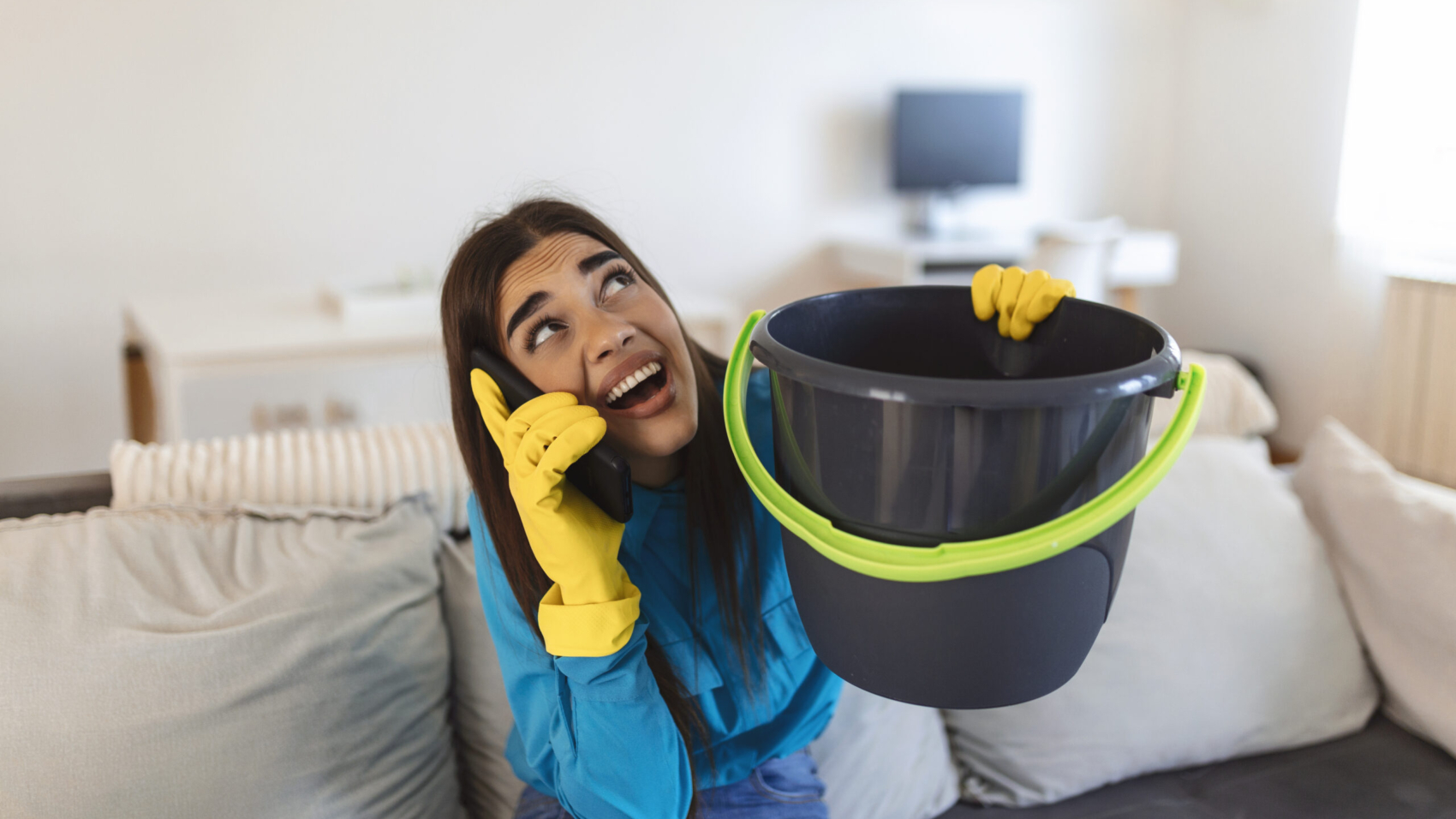
Water damage can be a homeowner’s worst nightmare, often going unnoticed until it causes significant structural damage. Whether it’s from a sudden flood or a slow leak, addressing water damage quickly is crucial. If left untreated, water damage can lead to mold growth, weakened foundations, and even health hazards. In this blog post, we’ll explore ten key warning signs that indicate you may need to call professional water damage contractors for restoration. Early detection can save you money and ensure your home stays safe.

  1. Visible Water Stains on Walls or Ceilings

One of the most obvious signs of water damage is the appearance of water stains. These often appear as yellow, brown, or dark spots on your walls or ceilings. While minor discoloration can be easily overlooked, it’s a clear indication that water has seeped through the surface. Stains like these are usually a result of a leaky pipe, roof damage, or an issue with your plumbing system. If you notice these stains, it’s time to call in water damage repair specialists before the problem worsens.

  1. Musty Odors or Mold Growth

Mold thrives in damp environments, and if you smell a musty odor in your home, it could be a sign that water has been sitting in an area for a while. Mold is not just unpleasant; it can cause serious health issues such as respiratory problems and allergies. If you spot mold, especially in hidden areas like behind walls or in your attic, you need emergency water damage services. These professionals will safely remove the mold and prevent it from spreading further.

  1. Peeling Paint or Wallpaper

Water exposure can cause your paint or wallpaper to peel away from the walls. This is because the moisture behind the paint loosens the adhesive, making it detach. If you notice that your walls are looking “bubbly” or that the paint is peeling off, there is likely a water leak behind the surface. This sign shouldn’t be ignored, as it indicates that moisture is trapped inside, possibly leading to further damage if not addressed.

  1. Warped or Buckling Floors

Water damage can cause your hardwood floors, laminate, or tiles to warp or buckle. Wood floors are particularly vulnerable to water, as the moisture causes the wood to swell, leading to visible warping. If your floor is visibly uneven or if you notice that tiles are loosening, it’s a strong indicator that water has compromised the flooring. Professional water damage contractors can assess the situation and restore your flooring to its original condition.

  1. Increased Utility Bills

A sudden spike in your water bill could indicate an unnoticed leak somewhere in your home. Even a slow, steady leak can cause a significant increase in water usage over time. If you’re noticing higher-than-usual water bills without a corresponding increase in water usage, it’s important to inspect your pipes and appliances. Water damage restoration experts can locate the leak and mitigate the issue before it escalates.

  1. Standing Water in Your Home

If you find standing water in your basement, bathroom, or kitchen, it’s a clear sign of water damage. Standing water is typically caused by a burst pipe, a clogged drain, or a flooding event. Regardless of the cause, standing water should be addressed immediately. Delaying the restoration process can result in increased damage, including the growth of mold and the deterioration of materials like drywall and wood.

  1. Cracks in the Foundation or Walls

Water can weaken the structural integrity of your home, leading to cracks in the foundation or walls. These cracks can occur when the soil around the house becomes oversaturated, causing the foundation to shift. If you notice any cracks or fissures in your walls or foundation, it’s essential to have a professional inspection. Water damage restoration experts will assess the extent of the damage and suggest the best course of action for repairs.

  1. Water-Related Issues in the Attic

Your attic may be out of sight, but it is highly susceptible to water damage. If your roof has leaks or condensation builds up, water can easily find its way into your attic. The first sign of water damage in the attic is usually wet insulation or stained rafters. If you find wet areas in your attic, it’s crucial to act quickly to prevent mold and structural damage.

  1. Water-Logged Furniture or Belongings

If you’ve experienced flooding or water leaks in your home, you may find that your furniture, carpets, or other belongings are waterlogged. Prolonged exposure to water can damage furniture and personal items, causing them to deteriorate. Restoration professionals can assess which items are salvageable and take care of the water extraction process, preventing further damage to your valuables.

  1. Sounds of Running Water or Dripping Noises

Sometimes, the signs of water damage are less visible but still very noticeable. If you hear the sound of running or dripping water, even when all your faucets are turned off, it’s an indication that there’s a hidden leak in your plumbing system. These types of leaks can go unnoticed for a long time, causing significant damage behind the walls or under the floors. If you hear persistent dripping or running water, contact emergency water damage professionals for an inspection.

Why Professional Water Damage Restoration Matters

Water damage restoration is not a DIY job. While it might be tempting to tackle minor repairs on your own, professional restoration experts have the right tools, training, and experience to handle all types of water damage, whether it’s from a burst pipe, flooding, or leaks. Here’s why you should hire water damage contractors:

  • Expert Assessment: Restoration professionals can assess the full extent of the water damage, which may not be immediately visible to the untrained eye.
  • Comprehensive Restoration: From water extraction to structural repairs, they provide a full range of services to restore your home to its pre-damage condition.
  • Mold Prevention: Mold can grow rapidly after water damage, and professionals can take measures to prevent it from spreading.
  • Insurance Assistance: Many water damage restoration companies can work directly with your insurance provider, ensuring that you’re covered for the costs.

Conclusion

Water damage can be devastating to your home and health if not addressed promptly. By being aware of the warning signs—such as water stains, musty odors, and warped floors—you can catch the problem early and prevent it from worsening. When you notice these signs, don’t wait for the issue to escalate. Call professional water damage contractors to ensure that your home is restored properly, efficiently, and safely. The sooner you take action, the easier and less costly the restoration process will be.