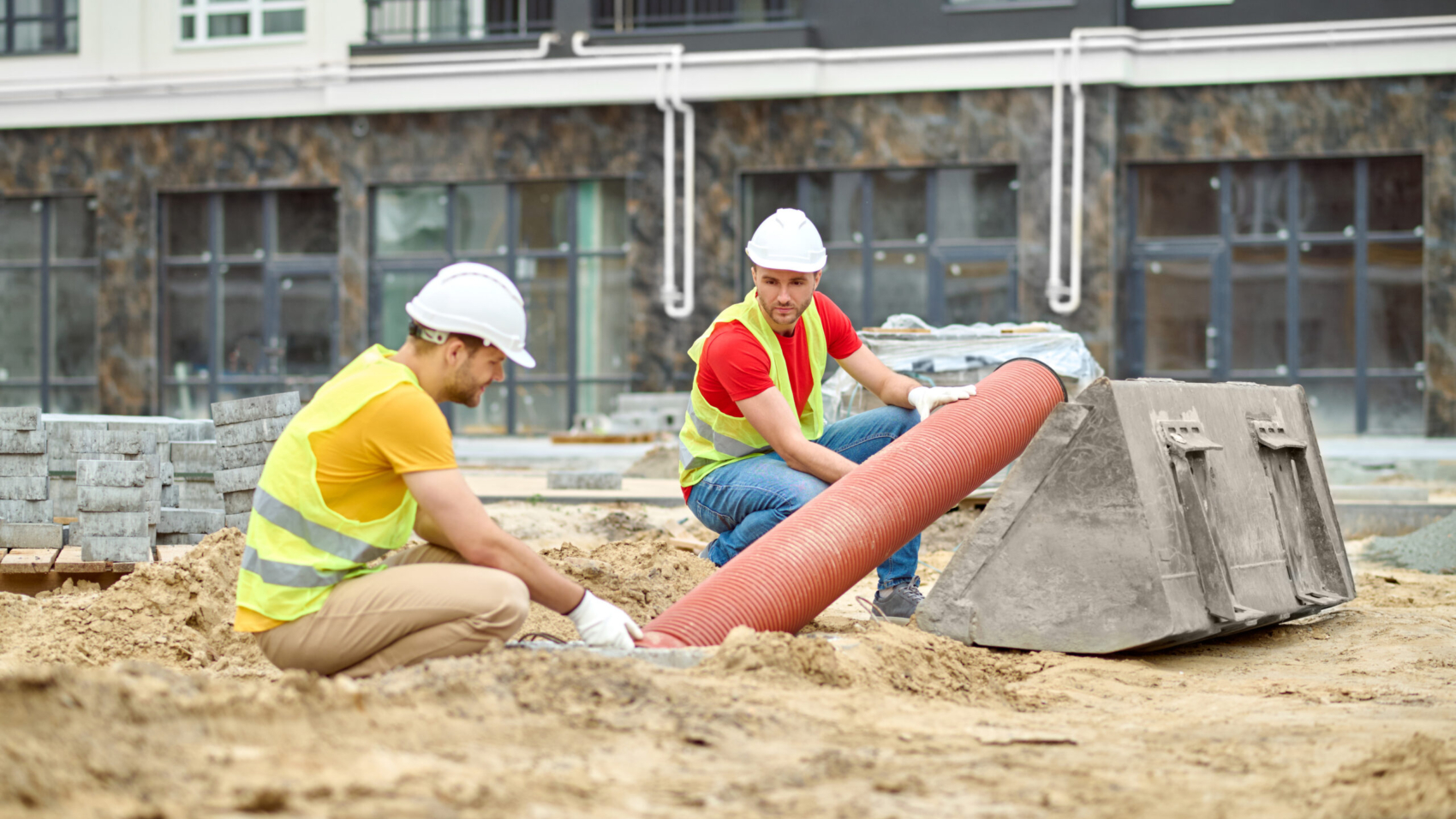
sewage and emergencies

How Long Does a Landlord Have to Fix Sewage Backup?

A sewage backup in a rental property is one of the most serious maintenance issues a tenant can face. It is not only unpleasant but also hazardous to health and safety. Because of this, landlords are legally and morally obligated to act quickly.

So, how long does a landlord have to fix a sewage backup? The answer depends on local laws, but in most cases, it must be treated immediately—often within 24 to 48 hours.

In this guide, we’ll explain landlord responsibilities, legal timelines, tenant rights, and why the connection between Sewage and Emergencies makes fast action essential.

Why Sewage Backups Are Treated as Emergencies

Sewage backups are not ordinary maintenance issues. Instead, they involve contaminated water that can spread harmful bacteria and viruses.

Because of this, they fall under emergency repair categories in most housing laws.

The phrase Sewage and Emergencies is important here because it reflects how serious the situation is. Sewage exposure can quickly become a health hazard, not just a plumbing problem.

Typical Legal Timeframe for Repairs

While exact laws vary by location, most landlord-tenant regulations require:

  • Immediate response to emergency issues
  • Temporary action within 24 hours
  • Full repair within 24 to 72 hours

However, the key factor is habitability. If the home becomes unsafe or unlivable, landlords must act immediately.

Therefore, sewage backups are rarely allowed to wait.

What Makes Sewage Backups Urgent

Sewage is considered hazardous waste. It contains bacteria, viruses, and toxic substances that can harm humans and pets.

As a result, delays in repair can lead to:

  • Serious health risks
  • Property damage
  • Legal consequences for landlords

This is why Sewage and Emergencies are closely linked in housing laws.

Landlord Responsibilities During a Sewage Backup

Landlords have several responsibilities when a sewage backup occurs.

  1. Immediate Response

Landlords must acknowledge the issue quickly. In most cases, this means responding within hours.

  1. Temporary Safety Measures

Before full repairs, landlords should take steps such as:

  • Blocking off affected areas
  • Providing temporary housing if needed
  • Preventing further contamination
  1. Professional Cleanup

Sewage cleanup is not a DIY job. Landlords are responsible for hiring licensed professionals to:

  • Remove contaminated water
  • Disinfect affected areas
  • Prevent mold growth
  1. Permanent Repairs

After cleanup, landlords must fix the root cause. This may include:

  • Sewer line repair
  • Plumbing replacement
  • Drain system maintenance

Tenant Rights During Sewage Emergencies

Tenants also have rights when sewage backups occur.

Right to Safe Housing

Every tenant has the right to a safe and habitable living environment. Sewage exposure violates this right.

Right to Emergency Repairs

Tenants can request immediate repairs when health hazards are present.

Right to Temporary Relocation

If the property becomes unsafe, tenants may be entitled to temporary housing.

Right to Withhold Rent (in some cases)

In certain regions, tenants may be allowed to withhold rent if repairs are not made promptly. However, legal advice is recommended.

How Long Is “Reasonable Time” for Repairs?

The term “reasonable time” depends on severity.

For sewage backups:

  • Minor issue: 24–48 hours
  • Major contamination: Immediate action required
  • Structural damage: Several days for full restoration

However, in most cases, landlords are expected to act as soon as possible.

This reinforces the importance of treating Sewage and Emergencies as urgent situations.

What Happens If a Landlord Delays Repairs?

If a landlord fails to act quickly, several consequences may follow.

Legal Action

Tenants may file complaints with housing authorities or take legal action.

Health Risks

Delayed cleanup increases exposure to harmful bacteria and mold.

Property Damage

The longer sewage remains, the more damage it causes to floors, walls, and fixtures.

Financial Penalties

Landlords may face fines or be required to pay compensation.

Common Causes of Sewage Backups in Rentals

Understanding the cause helps determine responsibility.

Blocked Sewer Lines

Tree roots, grease buildup, or debris can block main lines.

Clogged Toilets

Improper use or excessive flushing can lead to overflow.

Aging Plumbing Systems

Old pipes are more likely to fail or collapse.

Municipal Sewer Issues

Sometimes, the problem originates outside the property.

What Tenants Should Do Immediately

If a sewage backup occurs, tenants should act quickly.

  1. Stop Using Water

Avoid flushing toilets or running taps.

  1. Notify the Landlord Immediately

Quick communication is essential.

  1. Avoid Contaminated Areas

Do not walk through or touch sewage water.

  1. Document the Damage

Take photos and videos for evidence.

  1. Contact Authorities if Needed

If the landlord does not respond, tenants may need to escalate the issue.

Health Risks Linked to Sewage Exposure

The connection between Sewage and Emergencies becomes especially important when health is considered.

Exposure to sewage can cause:

  • Gastrointestinal infections
  • Skin diseases
  • Respiratory issues
  • Allergic reactions

Therefore, immediate cleanup is not optional—it is essential.

How Landlords Should Prevent Sewage Emergencies

Prevention reduces risk and costs.

Regular Plumbing Inspections

Routine checks help identify early signs of blockage.

Proper Waste Management

Avoid flushing wipes, grease, or foreign objects.

Sewer Line Maintenance

Professional cleaning prevents buildup and blockages.

Install Backflow Prevention Devices

These devices help stop sewage from entering the property.

When Sewage Becomes a Legal Emergency

Sewage is legally classified as an emergency when:

  • It makes the property uninhabitable
  • It poses health risks
  • It affects essential living areas like bathrooms or kitchens

In these cases, landlords must act immediately.

Final Thoughts

So, how long does a landlord have to fix a sewage backup? In most cases, the answer is simple: immediately, or within 24 to 48 hours at most.

Because sewage involves serious health risks, it is classified under urgent maintenance laws. The connection between Sewage and Emergencies highlights why delays are not acceptable.

Both landlords and tenants must understand their responsibilities. Fast action protects health, prevents damage, and ensures safe living conditions.


 

what to do after a flood

Steps Homeowners Should Take Immediately After a Flood Damages Their Property

Floods can cause significant damage to your home, leading to destruction of belongings, structural issues, and even health risks. The aftermath of a flood can be overwhelming, but taking immediate action can help mitigate further damage and speed up the recovery process. In this blog post, we’ll guide you through the essential steps homeowners should take immediately after a flood damages their property, from securing your safety to finding flood repair services.

By following these steps, you can effectively address the situation and start the flood damage repair process as quickly as possible.

  1. Ensure Your Safety First

Before you do anything, your safety should be the top priority. Floods can present numerous hazards, from electrical risks to structural instability. Taking the right precautions is essential to protect yourself and your loved ones.

  • Turn off the electricity: If it is safe to do so, switch off the main power supply to prevent electrical hazards. Water and electricity can be a dangerous combination, so don’t touch electrical outlets, switches, or appliances if you are standing in water.
  • Evacuate if necessary: If floodwaters are still rising or your home is at risk of collapse, evacuate immediately. If you have to leave, do so safely by using an elevated escape route and avoid walking through floodwaters, as they can contain hidden debris or contaminants.
  • Avoid contaminated water: Floodwaters can be contaminated with bacteria, sewage, and chemicals. Keep your distance from the water to avoid exposure to harmful substances.

By prioritizing safety, you can avoid putting yourself and your family in harm’s way during this stressful situation.

  1. Document the Damage for Insurance Claims

Once you’ve ensured your safety, it’s time to start documenting the damage. Proper documentation is critical for insurance claims and for understanding the extent of the damage to your property.

  • Take photos and videos: Capture clear images of damaged areas, including walls, flooring, furniture, and appliances. It’s best to take photos of both the visible damage and any hidden areas, such as under floors or inside cabinets.
  • List damaged items: Make a detailed list of damaged or destroyed belongings. Include descriptions, quantities, and the approximate value of each item. This list will be helpful for your insurance provider during the claims process.
  • Contact your insurance company: Notify your insurance company immediately to start the claims process. They may have specific guidelines for submitting your documentation, so follow their instructions carefully.

Having thorough documentation will support your flood damage repair claim and ensure you get the compensation you’re entitled to.

  1. Stop the Water Flow

If you have not already done so, it’s crucial to stop the flow of water into your home to prevent further damage. Depending on the source of the flooding, different actions may be required:

  • Shut off the water supply: If the flooding is due to a burst pipe or plumbing issue, locate the main water valve and turn it off. This will prevent any more water from entering your home.
  • Seal leaks: If floodwaters are coming from external sources, like heavy rain or storm surges, check doors, windows, and other entry points for leaks. Use temporary barriers like sandbags or plastic sheeting to block water from entering if possible.

Stopping the flow of water helps prevent additional damage to your home and makes it easier to begin the repair process.

  1. Remove Standing Water

The next step is to remove as much standing water as possible to prevent it from seeping into walls, floors, and furniture. Standing water can cause more damage to your property and create conditions conducive to mold growth.

  • Use pumps and vacuums: If the floodwaters are shallow, you can use a wet/dry vacuum to remove the water. For larger floods, you may need to rent or hire professionals who can use industrial pumps to extract the water quickly.
  • Ventilate the area: Open windows and doors to allow fresh air to circulate and help dry out the space. If possible, use fans and dehumidifiers to speed up the drying process.
  • Wear protective gear: Floodwaters may be contaminated with bacteria and other harmful pathogens, so wear protective gear, such as rubber gloves, boots, and masks, while working in the flooded areas.

Removing the standing water will help limit the damage and prevent issues like mold growth and structural deterioration.

  1. Dry Out the Property

After removing the water, drying out your property is the next critical step. If not properly dried, moisture can linger in walls, floors, and other hidden areas, leading to further damage and mold growth.

  • Use dehumidifiers and fans: Dehumidifiers will help extract moisture from the air and materials in your home. Place fans in the affected areas to circulate air and speed up the drying process.
  • Remove soaked materials: In some cases, materials like carpets, insulation, and drywall may need to be removed if they are saturated and cannot be effectively dried. These materials can trap moisture, leading to mold and mildew growth.
  • Inspect for hidden moisture: Use moisture meters to check areas that may be difficult to access, such as behind walls or under floors, for any remaining water. This is especially important in basements or areas with poor ventilation.

Thorough drying is essential for preventing mold, structural damage, and further complications down the line.

  1. Call a Flood Damage Repair Specialist

After performing these initial steps, it’s time to contact a professional flood damage repair company. Flood repair experts have the tools, knowledge, and experience to assess the damage, safely remove contaminants, and restore your home to its pre-flood condition.

  • Find a reputable company: Search for a local flood damage repair service. Look for a company that specializes in flood repair near you and has a proven track record of restoring homes after water damage.
  • Request an inspection: A flood damage restoration company will conduct a thorough inspection to assess the full extent of the damage. They’ll identify structural issues, water damage to the foundation, and any hidden mold growth.
  • Let professionals handle it: Flood repair experts will handle everything from water extraction and mold remediation to structural repairs and reconstruction. This ensures that your home is fully restored and safe to live in.

Hiring a professional flood repair service is essential for effective restoration and ensuring that your home is safe and secure after the flood.

  1. Take Steps to Prevent Future Flooding

Once your home is restored, consider taking steps to prevent future flooding. Although floods can sometimes be unavoidable, there are ways to reduce the risk of future damage.

  • Install flood barriers: For homes in flood-prone areas, installing flood barriers or sump pumps can help protect your property from future floods.
  • Improve drainage: Ensure that your gutters and downspouts are clean and functioning properly. You can also regrade the landscape around your home to direct water away from the foundation.
  • Waterproof your home: Apply waterproof coatings to your basement walls and floors to help prevent water from seeping into your home.

Taking these precautions can help protect your home from future floods and reduce the likelihood of damage.

Conclusion: Act Quickly and Hire Professionals for Effective Flood Damage Repair

Floods can cause devastating damage to your home, but by taking the right steps immediately after the incident, you can minimize the impact and get your home back to normal faster. Ensure your safety first, document the damage, and remove standing water as soon as possible. Dry out the affected areas thoroughly, and don’t hesitate to contact a professional flood damage repair company to handle the more complex restoration process.

By acting quickly and professionally, you can restore your home to its pre-flood condition and take steps to prevent future water damage.


choose your own contractor for insurance claim

Why You Should Choose Your Own Contractor for Restoration Work

When disaster strikes your home whether from fire, water, or storm damage the restoration process becomes urgent. In these moments, insurance companies often step in quickly and offer to “help” by assigning a contractor from their network.

However, many homeowners do not realize they usually have a choice. You are not required to accept the first contractor your insurance company suggests.

Understanding Insurance and Contractor Decisions is essential if you want quality repairs, fair pricing, and long-term protection for your home.

In this guide, we’ll explain why choosing your own contractor can make a major difference in restoration work and how it helps you avoid common problems.

Understanding Insurance and Contractor Decisions

After a claim is approved, insurance companies often recommend preferred vendors. These contractors are part of a network that works regularly with insurers.

At first, this may seem convenient. However, it can also create conflicts of interest.

This is why Insurance and Contractor Decisions matter. The contractor you choose directly affects:

  • Quality of repairs
  • Speed of restoration
  • Final claim value
  • Long-term durability of work

Therefore, homeowners should carefully evaluate all options before deciding.

  1. You Get More Control Over Quality

When you choose your own contractor, you have full control over the quality of work.

Independent contractors often:

  • Focus on craftsmanship
  • Use higher-quality materials
  • Follow detailed repair standards

In contrast, insurance-approved contractors may prioritize speed and cost control.

As a result, choosing your own professional often leads to better long-term outcomes.

  1. Avoiding Conflicts of Interest

Insurance companies aim to manage costs. Therefore, their preferred contractors may also be encouraged to keep expenses low.

This can sometimes lead to:

  • Reduced repair scope
  • Lower-grade materials
  • Faster, less detailed work

Because of this, Insurance and Contractor Decisions can significantly impact your final restoration quality.

  1. Better Communication and Transparency

When you hire your own contractor, communication is usually more direct and transparent.

You can:

  • Ask detailed questions
  • Review repair plans
  • Request updates anytime

Additionally, independent contractors are accountable directly to you—not the insurance company.

  1. More Accurate Damage Assessment

Insurance-approved contractors may focus only on visible damage.

However, independent contractors are more likely to:

  • Inspect hidden damage
  • Identify structural issues
  • Evaluate long-term risks

As a result, your home receives a more complete restoration plan.

This is especially important in complex cases involving water or fire damage.

  1. Higher Quality Materials and Workmanship

One major difference in restoration work is material quality.

Independent contractors often allow homeowners to choose:

  • Better flooring options
  • Stronger structural materials
  • Improved insulation or finishes

Meanwhile, insurance contractors may stick to basic replacement standards.

Therefore, choosing your own contractor can improve long-term durability.

  1. Faster Project Completion in Many Cases

It may sound surprising, but independent contractors can sometimes complete work faster.

This is because they are not tied to insurance scheduling systems or approval delays.

They can:

  • Start work sooner
  • Avoid administrative delays
  • Adjust schedules based on urgency

As a result, your home may be restored more quickly.

  1. Stronger Advocacy for Your Claim

Your contractor plays a major role in communicating damage scope.

Independent contractors often:

  • Document all damages thoroughly
  • Provide detailed repair estimates
  • Support your claim with evidence

This can help ensure you receive fair compensation.

Therefore, Insurance and Contractor Decisions directly affect how much your insurance covers.

How Insurance-Preferred Contractors Work

Insurance companies maintain a list of approved contractors. These professionals are typically:

  • Pre-screened
  • Cost-controlled
  • Familiar with insurer processes

While this sounds beneficial, it may limit flexibility.

In some cases, their priority may be completing work within insurance budget constraints rather than maximizing quality.

Potential Risks of Using Insurance-Assigned Contractors

Although convenient, there are some risks involved.

  1. Limited Repair Scope

Some contractors may only fix what is explicitly listed in the insurance estimate.

As a result, hidden damage might be ignored.

  1. Lower Material Standards

To meet cost expectations, materials used may be basic or lower-grade.

  1. Less Personal Accountability

These contractors often report to the insurance company first.

Therefore, homeowner preferences may come second.

Benefits of Hiring Your Own Contractor

Now let’s look at the advantages more clearly.

  1. Full Decision-Making Power

You choose who works on your home.

  1. Customized Restoration Plans

Repairs can be tailored to your preferences.

  1. Better Long-Term Value

Higher-quality work can increase property value.

  1. Stronger Legal Protection

Independent contractors often provide clearer contracts and warranties.

What Insurance Actually Allows

Most homeowners policies allow you to choose your own contractor.

However, insurance companies will:

  • Only reimburse reasonable costs
  • Require documentation
  • Review estimates carefully

Therefore, you still need to work within policy limits.

Understanding Insurance and Contractor Decisions helps you balance freedom and coverage.

How to Choose the Right Contractor

If you decide to hire your own contractor, follow these steps.

  1. Check Licensing and Certification

Always verify credentials before hiring.

  1. Review Experience in Restoration Work

Not all contractors specialize in fire or water damage.

  1. Ask for Detailed Estimates

A professional contractor will provide a clear breakdown.

  1. Check Reviews and References

Customer feedback is extremely important.

  1. Confirm Insurance Coverage

Make sure the contractor is fully insured.

How to Work With Insurance After Choosing Your Contractor

Once you choose your contractor, you must coordinate with your insurance company.

  1. Submit Detailed Estimates

Your contractor should provide documentation.

  1. Communicate Regularly

Keep both parties updated.

  1. Ensure Approval Before Work Begins

Do not start major repairs without insurance confirmation.

Common Mistakes Homeowners Make

Avoid these errors during restoration:

  • Accepting the first contractor without comparison
  • Not reviewing insurance terms carefully
  • Ignoring hidden damage
  • Rushing repair decisions

These mistakes can affect both cost and quality.

Why This Decision Matters Long-Term

Restoration work is not just about fixing damage. It is about rebuilding your home safely and properly.

Poor decisions can lead to:

  • Future repair costs
  • Structural issues
  • Lower property value
  • Ongoing maintenance problems

Therefore, Insurance and Contractor Decisions should always be made carefully.

Final Thoughts

Choosing between an insurance-assigned contractor and your own professional is an important decision after property damage. While insurance companies offer convenience, they may not always prioritize quality or long-term results.

By selecting your own contractor, you gain more control, better communication, and often higher-quality restoration work.

Ultimately, understanding Insurance and Contractor Decisions helps you protect your home, your investment, and your peace of mind.


sewage backup emergency

Why a Sewage Backup Is an Emergency: 7 Critical Reasons

A sewage backup is one of the most serious problems a homeowner can face. Unlike a simple water leak, it involves contaminated waste that can spread quickly through your home. Because of this, it should never be ignored or delayed.

So, why is a sewage backup considered an emergency? The answer lies in the serious risks it creates for your health, safety, and property.

In this guide, we’ll explain the 7 critical reasons sewage backups require immediate action. We will also explore the connection between Sewage and Emergencies, and why fast response is essential.

Why Sewage Backups Are So Dangerous

Sewage water is not clean. Instead, it contains harmful bacteria, viruses, and toxins. When it enters your home, it can contaminate everything it touches.

Therefore, even a small backup can quickly turn into a major health and safety hazard.

The Link Between Sewage and Emergencies

The phrase Sewage and Emergencies is not an exaggeration. Sewage backups require urgent attention because they involve:

  • Biohazard exposure
  • Rapid contamination
  • Structural damage
  • Severe health risks

As a result, treating it like a normal plumbing issue can lead to serious consequences.

  1. Severe Health Risks from Contamination

The most critical reason sewage backups are emergencies is health risk. Sewage contains harmful microorganisms such as:

  • E. coli
  • Salmonella
  • Hepatitis viruses

When exposed, people may experience:

  • Nausea
  • Diarrhea
  • Skin infections
  • Respiratory issues

Therefore, immediate cleanup is essential to protect your health.

  1. Rapid Spread of Contaminated Water

Sewage does not stay in one place. Instead, it spreads quickly through flooring, carpets, and walls.

As a result:

  • Entire rooms can become contaminated
  • Structural materials absorb waste
  • Cleanup becomes more difficult over time

Therefore, fast action is the only way to limit damage.

  1. Damage to Structural Materials

Sewage water is highly destructive. It can weaken:

  • Drywall
  • Wooden floors
  • Insulation
  • Subflooring

Over time, these materials may rot or break down completely. Consequently, repairs become more expensive and extensive.

  1. Strong and Persistent Odors

One of the first signs of a sewage backup is a strong, unpleasant smell. This odor is caused by bacteria and waste gases.

Even after surface cleaning, the smell can linger if the source is not fully removed. Therefore, professional remediation is often required.

  1. Risk of Mold Growth After Exposure

Sewage backups create extremely wet conditions. Because of this, mold can begin to grow within 24 to 48 hours.

This is where the connection between Sewage and Emergencies becomes even more serious. Mold adds another layer of health risk and property damage.

As a result, delaying cleanup increases long-term problems.

  1. Electrical Hazards and Fire Risk

Sewage water can reach electrical outlets, appliances, and wiring. This creates a dangerous situation.

Possible risks include:

  • Electrical shock
  • Short circuits
  • Fire hazards

Therefore, sewage backups should always be treated as a safety emergency.

  1. Pest Infestation Risk

Standing sewage water attracts pests such as:

  • Rats
  • Cockroaches
  • Flies

These pests carry diseases and can spread contamination further inside your home. Consequently, the problem becomes even harder to control.

Common Causes of Sewage Backups

Understanding the cause helps prevent future emergencies.

Blocked Sewer Lines

One of the most common causes is a blockage in the main sewer line. This can result from:

  • Grease buildup
  • Tree roots
  • Foreign objects

Clogged Toilets

A severe clog in toilets can lead to overflow and backup into other drains.

Heavy Rainfall or Flooding

Excess water can overwhelm municipal sewer systems, causing backups in homes.

Aging Plumbing Systems

Older pipes are more likely to collapse or become blocked over time.

Warning Signs of a Sewage Backup

Recognizing early signs can help you act quickly.

Look for:

  • Slow drains throughout the house
  • Gurgling sounds in pipes
  • Foul odors from drains
  • Water backing up in toilets or tubs

If you notice these signs, take immediate action.

What to Do Immediately During a Sewage Backup

Quick response can reduce damage significantly.

  1. Stop Using Water

Avoid flushing toilets, running sinks, or using appliances. This prevents further overflow.

  1. Turn Off Electricity in Affected Areas

If safe, shut off power to prevent electrical hazards.

  1. Avoid Contact With Contaminated Water

Do not touch sewage water without proper protection.

  1. Ventilate the Area

Open windows to reduce odor and improve airflow.

  1. Call Emergency Professionals

Sewage cleanup requires specialized equipment and expertise. Therefore, professional help is essential.

Why DIY Cleanup Is Not Recommended

While minor water spills can be handled at home, sewage is different.

DIY cleanup is unsafe because:

  • Exposure to harmful bacteria
  • Incomplete sanitization
  • Hidden contamination in materials

As a result, professional remediation is always recommended.

How Professionals Handle Sewage Emergencies

Experts follow a structured process:

  • Assessment of damage
  • Safe removal of contaminated water
  • Deep cleaning and disinfection
  • Drying affected areas
  • Mold prevention measures

Therefore, they ensure the home is safe for re-entry.

Long-Term Effects of Ignoring Sewage Backups

Delaying action can lead to serious consequences:

  • Structural damage
  • Persistent health issues
  • Mold infestations
  • Higher repair costs

Therefore, treating it as a true emergency is essential.

Prevention Tips to Avoid Sewage Emergencies

Preventing backups is always better than dealing with them.

Maintain Plumbing Systems

Regular inspections help identify issues early.

Avoid Flushing Improper Items

Do not flush wipes, grease, or foreign objects.

Address Clogged Toilets Immediately

Even minor issues can escalate quickly.

Install Backwater Valves

These devices help prevent sewage from flowing back into your home.

Schedule Routine Sewer Line Cleaning

Professional maintenance reduces blockage risks.

Final Thoughts

A sewage backup is not just a plumbing issue—it is a serious emergency. It affects your health, safety, and property in multiple ways.

The connection between Sewage and Emergencies highlights why immediate action is critical. From health risks to structural damage, the dangers increase quickly if ignored.

By understanding the causes, warning signs, and proper response steps, you can protect your home and your family. Most importantly, acting fast is the key to minimizing damage and avoiding long-term consequences.


realtor-making-deal-with-customer-office

What Will Insurance Cover for Property Damage Claims?

Property damage can happen suddenly. Whether it is caused by fire, water, storms, or accidents, the financial impact can be overwhelming. This is where insurance plays an important role in recovery.

However, many homeowners are unsure about what their policy actually covers. Even more confusing is how Insurance and Contractor Decisions affect the final outcome of a claim.

In this guide, we’ll break down what insurance typically covers for property damage claims, what may be excluded, and how contractors influence your settlement.

Understanding Insurance Coverage for Property Damage

Insurance policies are designed to protect your home and belongings from unexpected events. However, coverage depends on the type of policy you have.

Most standard homeowners insurance policies cover:

  • Structural damage
  • Personal belongings
  • Temporary living expenses
  • Liability protection

As a result, you can recover financially after major property damage.

The Role of Insurance and Contractor Decisions

When damage occurs, insurance companies often recommend contractors to handle repairs. This is where Insurance and Contractor Decisions become very important.

Your contractor can affect:

  • Repair quality
  • Claim approval amount
  • Restoration timeline
  • Material selection

Therefore, understanding this relationship is key to getting fair compensation.

  1. Structural Damage Coverage

One of the main parts of a property damage claim is structural repair.

Insurance typically covers:

  • Walls and ceilings
  • Roof damage
  • Flooring
  • Foundation repairs

However, coverage depends on whether the damage is caused by a covered peril, such as fire or storm.

  1. Personal Property Coverage

Insurance also covers belongings inside the home.

This may include:

  • Furniture
  • Clothing
  • Electronics
  • Appliances

However, payouts may be based on:

  • Replacement cost value (RCV)
  • Actual cash value (ACV)

Therefore, depreciation can affect how much you receive.

  1. Temporary Living Expenses

If your home becomes uninhabitable, insurance often pays for additional living expenses.

This can include:

  • Hotel stays
  • Rental housing
  • Food costs
  • Transportation

As a result, you can maintain your lifestyle during repairs.

  1. Water and Fire Damage Coverage

Most policies cover sudden and accidental damage from:

  • Fire
  • Burst pipes
  • Storm-related water damage

However, gradual damage or neglect is often excluded.

This is why Insurance and Contractor Decisions matter when assessing the cause of damage.

  1. Debris Removal and Cleanup

After major damage, cleanup is required before repairs begin.

Insurance may cover:

  • Debris removal
  • Hazardous material cleanup
  • Site preparation

Therefore, restoration can start safely.

  1. Smoke and Odor Remediation

Smoke damage often spreads beyond the fire itself.

Coverage may include:

  • Soot removal
  • Odor elimination
  • HVAC cleaning

As a result, indoor air quality can be restored.

  1. Mold Remediation (Limited Coverage)

Mold coverage depends on the cause.

Insurance may cover mold if it results from a sudden event, such as:

  • Burst pipe
  • Storm damage
  • Fire suppression water

However, long-term neglect is usually not covered.

What Insurance Typically Does NOT Cover

Understanding exclusions is just as important as knowing coverage.

  1. Wear and Tear

Insurance does not cover damage caused by aging or normal use.

  1. Poor Maintenance

If damage results from neglect, coverage may be denied.

  1. Gradual Leaks

Slow leaks over time are often excluded.

  1. Intentional Damage

Damage caused on purpose is never covered.

  1. Code Upgrades (Sometimes)

If building codes change, upgrades may not be fully covered unless included in your policy.

How Insurance Evaluates Property Damage Claims

Insurance companies follow a structured process.

  1. Inspection

An adjuster visits the property to assess damage.

They document:

  • Visible damage
  • Hidden issues
  • Cause of loss
  1. Estimation

Next, repair costs are calculated.

This includes materials, labor, and cleanup.

  1. Policy Review

Coverage limits and exclusions are checked.

  1. Settlement Offer

Finally, the insurer provides a payout based on findings.

How Contractors Influence Insurance Claims

This is where Insurance and Contractor Decisions become critical.

Contractors help by:

  • Assessing full damage scope
  • Providing repair estimates
  • Supporting documentation
  • Communicating with insurers

Therefore, the contractor you choose can significantly affect your claim outcome.

Insurance-Preferred Contractors vs Independent Contractors

Insurance companies often suggest preferred contractors.

These contractors:

  • Work within insurer pricing
  • Follow set guidelines
  • Prioritize cost control

However, independent contractors:

  • Work directly for the homeowner
  • May identify hidden damage
  • Focus on quality and long-term repairs

As a result, your choice can influence both cost and quality.

Why Accurate Estimates Matter

Accurate repair estimates are essential for fair claims.

If damage is underestimated:

  • You may receive less compensation
  • Repairs may be incomplete
  • Hidden issues may remain

Therefore, contractor expertise is very important.

Common Claim Disputes Between Homeowners and Insurance

Disagreements often happen due to:

  • Underestimated damage scope
  • Low repair cost estimates
  • Disputes over cause of damage
  • Coverage interpretation issues

This is why Insurance and Contractor Decisions must be handled carefully.

How to Maximize Your Insurance Claim

To get the best outcome:

  1. Document Everything

Take photos and videos immediately.

  1. Get Multiple Estimates

Compare contractor pricing and scope.

  1. Understand Your Policy

Know what is covered and what is excluded.

  1. Work with Experienced Contractors

Choose professionals familiar with insurance claims.

  1. Don’t Rush Settlement

Review offers carefully before accepting.

The Role of Communication in Claims

Clear communication improves claim outcomes.

You should:

  • Stay in contact with your adjuster
  • Share contractor reports
  • Ask for clarification when needed

As a result, misunderstandings are reduced.

Why Timing Matters in Property Damage Claims

Delays can worsen damage.

For example:

  • Water damage can lead to mold
  • Smoke damage can spread
  • Structural issues can worsen

Therefore, quick action is essential.

Final Thoughts

Insurance can provide significant financial support after property damage. However, understanding what is covered—and how claims are handled—is essential for a fair outcome.

The role of Insurance and Contractor Decisions is especially important. Your contractor can influence repair quality, claim value, and overall restoration success.

By documenting damage properly, choosing the right professionals, and understanding your policy, you can protect your home and ensure a smoother claims process.


fire and smoke damage

What Will Insurance Cover for Fire Damage?

A house fire is one of the most stressful events a homeowner can experience. Beyond the immediate danger, there is also the financial uncertainty that follows. Many people quickly ask the same question: what will insurance actually cover after a fire?

The answer depends on your policy, the cause of the fire, and the extent of the damage. However, most standard homeowners insurance policies do cover a significant portion of losses related to Fire and Smoke Damage.

In this guide, we’ll break down what insurance typically covers, what it may not cover, and how to make a successful claim.

Understanding Fire and Smoke Damage Coverage

Before looking at specific items, it is important to understand how insurance companies classify fire-related losses.

Most policies group fire incidents under property damage coverage. This usually includes both:

  • Direct fire damage
  • Smoke and soot damage

As a result, both structural and non-structural losses are often considered together under Fire and Smoke Damage claims.

Does Homeowners Insurance Cover Fire Damage?

In most cases, yes. Standard homeowners insurance policies typically cover fire damage unless the fire was caused intentionally or due to negligence.

Covered fire-related events often include:

  • House fires caused by electrical faults
  • Kitchen fires
  • Wildfire damage
  • Accidental fires

Therefore, most accidental fire incidents are eligible for compensation.

What Insurance Typically Covers After Fire Damage

Insurance coverage usually extends beyond just the burned structure.

  1. Structural Damage to the Home

One of the main coverages includes repair or rebuilding of the home structure.

This may include:

  • Walls and ceilings
  • Roof damage
  • Flooring
  • Foundation repairs

As a result, homeowners can restore the physical integrity of their property.

  1. Smoke and Soot Damage

Smoke can travel far beyond the fire’s origin. It can affect multiple areas of the home.

Insurance often covers:

  • Soot cleaning
  • Smoke odor removal
  • HVAC system cleaning

This is a critical part of Fire and Smoke Damage restoration.

  1. Personal Belongings

Most policies include coverage for personal property damaged by fire or smoke.

This may include:

  • Furniture
  • Clothing
  • Electronics
  • Appliances

However, reimbursement is usually based on policy limits and depreciation rules.

  1. Temporary Living Expenses

If your home becomes unlivable, insurance often covers additional living expenses.

This may include:

  • Hotel stays
  • Rental housing
  • Food costs
  • Transportation expenses

Therefore, you can maintain basic living standards during repairs.

  1. Debris Removal

After a fire, cleanup is necessary before rebuilding begins.

Insurance typically covers:

  • Removal of damaged materials
  • Hauling debris
  • Site cleanup

As a result, the property becomes safe for reconstruction.

  1. Water Damage from Firefighting Efforts

Firefighting often involves large amounts of water. This can lead to additional damage.

Most policies cover:

  • Water-soaked walls
  • Damaged flooring
  • Mold prevention measures

Therefore, water-related issues are often included under Fire and Smoke Damage claims.

  1. Smoke Damage to Nearby Structures

Smoke can spread to neighboring rooms or even adjacent properties.

Insurance may cover:

  • Adjacent room cleaning
  • Shared wall restoration
  • Air quality treatment

This ensures full property recovery.

What Insurance May Not Cover

While coverage is broad, there are important exclusions.

  1. Negligence or Intentional Damage

If the fire was caused intentionally or due to extreme negligence, coverage may be denied.

  1. Poor Maintenance

If faulty wiring or ignored maintenance caused the fire, insurers may reduce or deny claims.

  1. Luxury or High-Value Limits

Standard policies may not fully cover:

  • Expensive jewelry
  • Collectibles
  • High-end electronics

Therefore, additional coverage may be required.

  1. Business Property Losses

If you run a business from home, equipment may not be fully covered under standard policies.

How Insurance Evaluates Fire Damage Claims

Insurance companies follow a structured process.

  1. Inspection of Damage

An adjuster visits the property to assess fire and smoke impact.

They document:

  • Structural damage
  • Smoke contamination
  • Personal property loss
  1. Damage Estimation

Next, they calculate repair and replacement costs.

This includes both visible and hidden Fire and Smoke Damage.

  1. Policy Review

The insurer checks your policy to confirm coverage limits and exclusions.

  1. Settlement Offer

Finally, they provide a payout based on assessment and policy terms.

How to File a Fire Damage Insurance Claim

Filing correctly can speed up the process.

Step 1: Contact Your Insurance Company Immediately

Report the fire as soon as possible.

Step 2: Document All Damage

Take photos and videos before cleanup begins.

Step 3: Prevent Further Damage

Secure the property to avoid additional losses.

Step 4: Keep Records of Expenses

Save receipts for:

  • Temporary housing
  • Repairs
  • Cleaning services

Step 5: Work with Adjusters

Cooperate during inspections but ensure all damage is properly documented.

Common Mistakes to Avoid

Many homeowners make errors that reduce their claim value.

Avoid:

  • Throwing away damaged items too soon
  • Not documenting smoke damage
  • Delaying the claim process
  • Accepting the first settlement offer without review

Therefore, careful documentation is essential.

Why Smoke Damage Claims Are Often Underestimated

Smoke damage is not always visible, but it can be extensive.

Insurance adjusters may underestimate:

  • Odor penetration
  • HVAC contamination
  • Hidden soot in walls

As a result, homeowners should ensure full evaluation of Fire and Smoke Damage.

How to Maximize Your Insurance Claim

To get fair compensation:

  • Hire a public adjuster if needed
  • Get independent repair estimates
  • Document everything thoroughly
  • Do not rush cleanup before inspection

These steps improve claim accuracy.

How Long Does Insurance Take to Pay Out?

Timelines vary, but most claims take:

  • A few days for initial inspection
  • Several weeks for full settlement

However, complex fire damage cases may take longer.

Final Thoughts

Fire damage insurance coverage can help homeowners recover financially after a disaster. Most policies cover structural repairs, smoke cleanup, personal belongings, and temporary living expenses.

However, understanding your policy is key. Not all damages are covered equally, and exclusions may apply.

The connection between Fire and Smoke Damage highlights why detailed documentation and proper claim handling are essential. Smoke damage, in particular, is often underestimated, even though it can significantly affect your home and health.

By acting quickly, documenting carefully, and understanding your coverage, you can improve your chances of a fair and successful insurance claim.


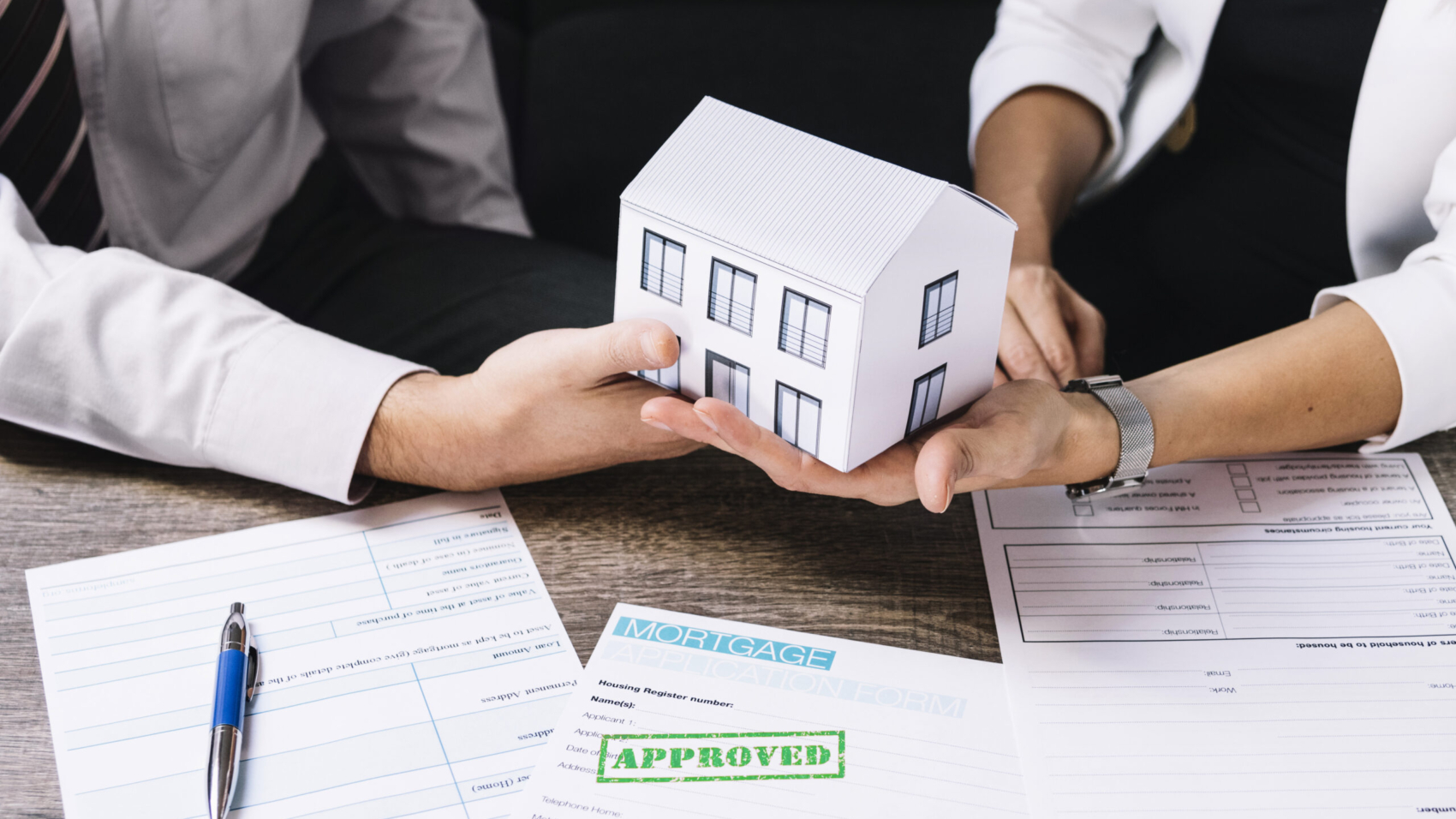
Real estate brokerage agent Deliver samples of homes offered for sale, pay deposit and sign contracts, home insurance concepts. Making lease and buying a house

Does Homeowners Insurance Cover Water Damage in California?

Introduction

One of the most common questions homeowners ask is: “Does insurance cover my water damage?” The answer often depends on how the damage occurred.

What’s Usually Covered

Sudden and accidental damage (burst pipes, appliance failures)

Storm-related damage (if included in your policy)

Common Exclusions

Gradual damage (long-term leaks)

Neglect or poor maintenance

Flooding (requires separate flood insurance)

How to Maximize Your Claim

Document everything with photos and videos

Save receipts for temporary repairs

Work with a restoration company that knows how to negotiate with adjusters

Why Partner with Rigid Restoration

Our team not only repairs your home but also advocates for you in the claims process, ensuring you don’t leave money on the table.

Need help with your water damage insurance claim in California? Call (760) 500-1818 today—let us fight for your fair settlement.

Mid section of businessman protecting paper cut out family, house and car with hands

We Handle the Insurance Headaches—So You Can Focus on Recovery

Dealing with water or mold damage is overwhelming enough. Navigating insurance claims shouldn’t add to the stress. That’s why Rigid Restoration takes the lead when it comes to handling your restoration claim.

Here’s how we help:

  • We document the damage with detailed photos and written reports
  • We assist with completing insurance paperwork and forms
  • We speak with your adjusters directly to explain the scope of work
  • We make sure nothing is missed, so your claim is accurate and complete

Many homeowners don’t realize their policy often covers emergency services like water extraction, mold remediation, and structural repairs. Unfortunately, that means a lot of people pay out-of-pocket when they don’t have to.

We’re here to change that.

With Rigid Restoration, you’re not just getting repairs—you’re getting a partner who knows the system, fights for your claim, and delivers the results your home needs.

📞 Have questions about insurance coverage? Call us today at (760) 500-1818.

Business report. Graphs and charts.Business concept.

How Rigid Restoration Simplifies Insurance Claims for Water Damage

Introduction
Navigating insurance claims after water or fire damage can be overwhelming. Rigid Restoration stands out by guiding San Diego homeowners through every step, ensuring stress-free recovery.

Common Insurance Claim Challenges

  • Complex paperwork
  • Delays in approval
  • Incomplete documentation
  • Unclear repair estimates

Rigid Restoration’s Approach

  • Expert Assessment: Detailed inspection and clear documentation
  • Accurate Estimates: Insurance-ready quotes for all repairs
  • Direct Communication: Liaison with insurance adjusters
  • Transparency: Keeping homeowners informed at every stage
  • Creative Financing: Options to help cover out-of-pocket costs

Real Client Experiences

Customers praise Rigid Restoration for:

  • Quick response times
  • Honest and thorough communication
  • Going above and beyond to ensure satisfaction
  • Delivering high-quality results on tight timelines

Tips for a Smooth Insurance Claim

  • Contact restoration experts before filing a claim
  • Document all damage with photos
  • Keep records of all communication