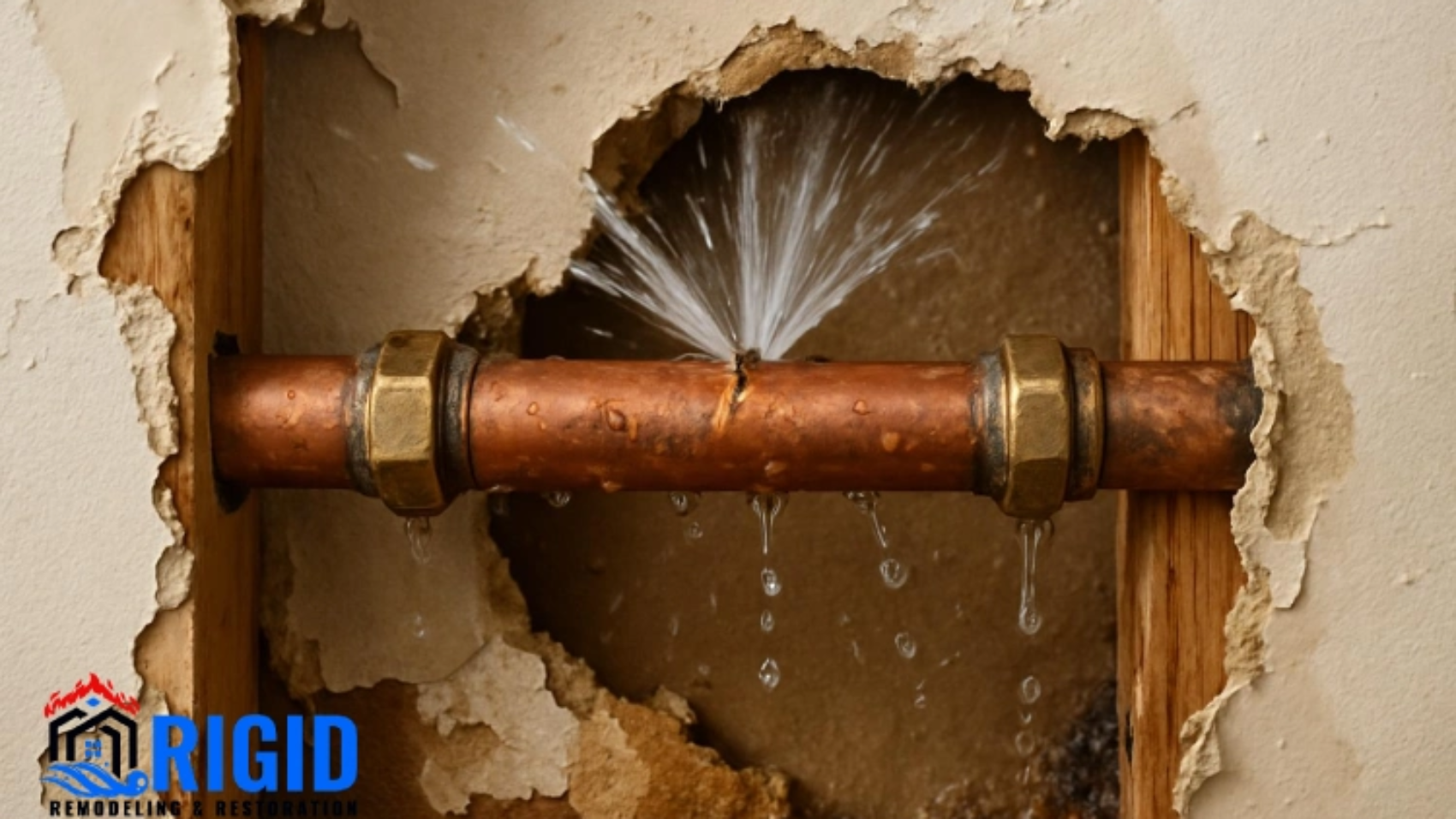
Water damage is not always obvious. While puddles and stains get noticed quickly, hidden water damage can lurk behind walls and weaken your home over time. If left unchecked, it can lead to serious problems like mold growth, structural issues, and expensive repairs. Knowing the signs of hidden water damage in walls helps you act early and protect your house. In this article, we explore common clues, causes, risks, and what to do when you find hidden water damage.
What Is Hidden Water Damage?
Hidden water damage happens when moisture seeps into wall cavities without clear surface signs at first. This can occur from:
- Leaking pipes inside walls
• Roof leaks dripping down wall studs
• Poorly sealed windows or exterior walls
• Condensation buildup
Because the damage stays behind drywall or paneling, homeowners may not notice it until problems become severe.
Why Hidden Water Damage Is Dangerous
When water remains trapped in walls, it creates an environment that encourages:
- Mold and mildew growth
• Wood rot in framing and studs
• Insulation degradation
• Corrosion of metal components
Over time, wall damage from moisture can compromise the integrity of your home and create health hazards. Early detection is essential.
Common Causes of Hidden Water Damage
Understanding what leads to hidden water damage helps you prevent it. Here are common causes:
- Leaky Pipes
Plumbing running inside walls can develop slow leaks. These leaks may drip for weeks or months before becoming visible. Slow leaks are dangerous because walls insulate the moisture and hide the problem.
- Faulty Roof or Flashing
Water can enter from the roof and travel down inside walls. Missing flashing or damaged shingles allow rain to infiltrate. The water then spreads behind siding or drywall where it remains hidden.
- Poor Sealing Around Openings
Windows, doors, and vents that are not properly sealed allow rainwater to enter wall cavities. This can happen during storms or even normal rainfall.
- High Humidity and Condensation
Warm, moist air can condense on cool wall surfaces. This is common in bathrooms, kitchens, and laundry rooms. Over time, condensation can soak insulation and wall materials.
Signs of Hidden Water Damage in Walls
Not all signs are obvious. Here are key indicators that you might have hidden water damage:
- Musty Odor
One of the earliest signs is a persistent musty smell. This odor often means mold or mildew is growing behind the wall, fed by unseen moisture.
- Discoloration or Stains
Even when water is behind the surface, stains may slowly appear on drywall or paint. Look for yellow, brown, or gray marks that were not there before.
- Peeling Paint or Wallpaper
Moisture causes paint to lose adhesion. If wallpaper or paint starts to bubble or peel without an obvious cause, water could be trapped behind the wall.
- Warped or Soft Spots
Press on walls gently. Soft areas or sections that feel spongy indicate water has saturated the material. Warping or bulging walls are also a strong sign of moisture buildup.
- Mold Growth on Surface
Small patches of mold appearing on the wall surface may be just the tip of the problem. Mold often starts deeper inside before showing outward signs.
- Increased Allergy Symptoms
If you or your family experience unexplained sneezing, coughing, or irritation while indoors, hidden mold growth could be the cause. Mold spores circulating from behind walls can trigger symptoms.
- Higher Utility Bills
In some cases, moisture in walls can reduce insulation effectiveness. When walls hold water, your heating and cooling systems must work harder.
- Dripping Sounds Inside Walls
If you hear water dripping inside walls when no faucet is running, a leak may be present. This is especially noticeable at night or in quiet conditions.
How Hidden Water Damage Affects Your Home
When left untreated, water in walls leads to problems that impact safety, comfort, and home value:
Structural Weakening
Wood framing and studs degrade over time when exposed to moisture. This weakens support and can lead to sagging or failure.
Mold Infestations
Mold not only damages materials but also affects air quality. Long term exposure to mold can cause health issues.
Insulation Damage
Wet insulation loses its effectiveness and may need replacement. This decreases energy efficiency.
Electrical Hazards
Water contacting electrical wiring inside walls increases the risk of shorts and fire hazards.
How to Confirm Hidden Water Damage
If you suspect hidden water damage, follow these steps:
Visual Inspection
Look for visible signs such as stains, peeling paint, and mold. Check areas near plumbing, windows, and exterior walls.
Moisture Meter Test
Use a moisture meter to detect elevated moisture inside wall surfaces. High readings indicate trapped water.
Infrared Camera Scan
Professional restorers use infrared technology to detect temperature differences in walls. This reveals damp areas behind drywall.
Probe for Softness
Gently press on walls in suspicious areas. Soft or spongy spots confirm moisture intrusion.
Professional Assessment
A qualified restoration expert can fully evaluate hidden water damage, determine the cause, and recommend repairs.
What to Do When You Find Hidden Water Damage
Acting quickly prevents more serious issues. Here is what to do:
- Stop the Source
Turn off the water if a plumbing leak is identified. Fix exterior leaks or roof issues promptly. - Dry the Area
Use fans, dehumidifiers, and ventilation to remove moisture. Drying prevents mold growth. - Remove Damaged Materials
Wet insulation, drywall, and framing may need removal. This allows full drying and prevents further mold. - Treat for Mold
Apply appropriate treatments to kill mold colonies. Professionals use EPA approved solutions to clean surfaces. - Repair and Restore
Once dry, rebuild walls, replace insulation, and repaint. Proper repairs restore both appearance and structure.
Preventing Hidden Water Damage
Prevention is better than repair. Here are steps to avoid hidden moisture:
Regularly Inspect Plumbing
Check under sinks and around toilets. Look for any drips or slow leaks.
Maintain Roof and Gutters
Clean gutters and fix damaged roofing. Proper drainage keeps water out of walls.
Seal Wall Penetrations
Use caulking and weatherproofing around windows, doors, and vents.
Control Indoor Humidity
Use exhaust fans in bathrooms and kitchens. Dehumidifiers reduce condensation risks.
Schedule Professional Checkups
Annual home inspections catch small problems before they escalate.
When to Call a Professional
If you see multiple signs of hidden water damage, call a professional. Restoration experts can:
- Identify the true source of moisture
• Dry inaccessible areas effectively
• Remove mold safely
• Restore structural integrity
Trying to fix hidden water damage without proper tools and training may lead to incomplete drying and recurring problems.
Conclusion
Hidden water damage is a serious issue that can remain unnoticed until significant harm occurs. By recognizing signs of hidden water damage in walls you protect your home and your family. Look for musty smells, stains, warping, mold, and other clues. When you suspect hidden water behind walls, inspect carefully, dry thoroughly, and repair promptly.
For more information on identifying and repairing water damage, visit rigidrestorations.com.