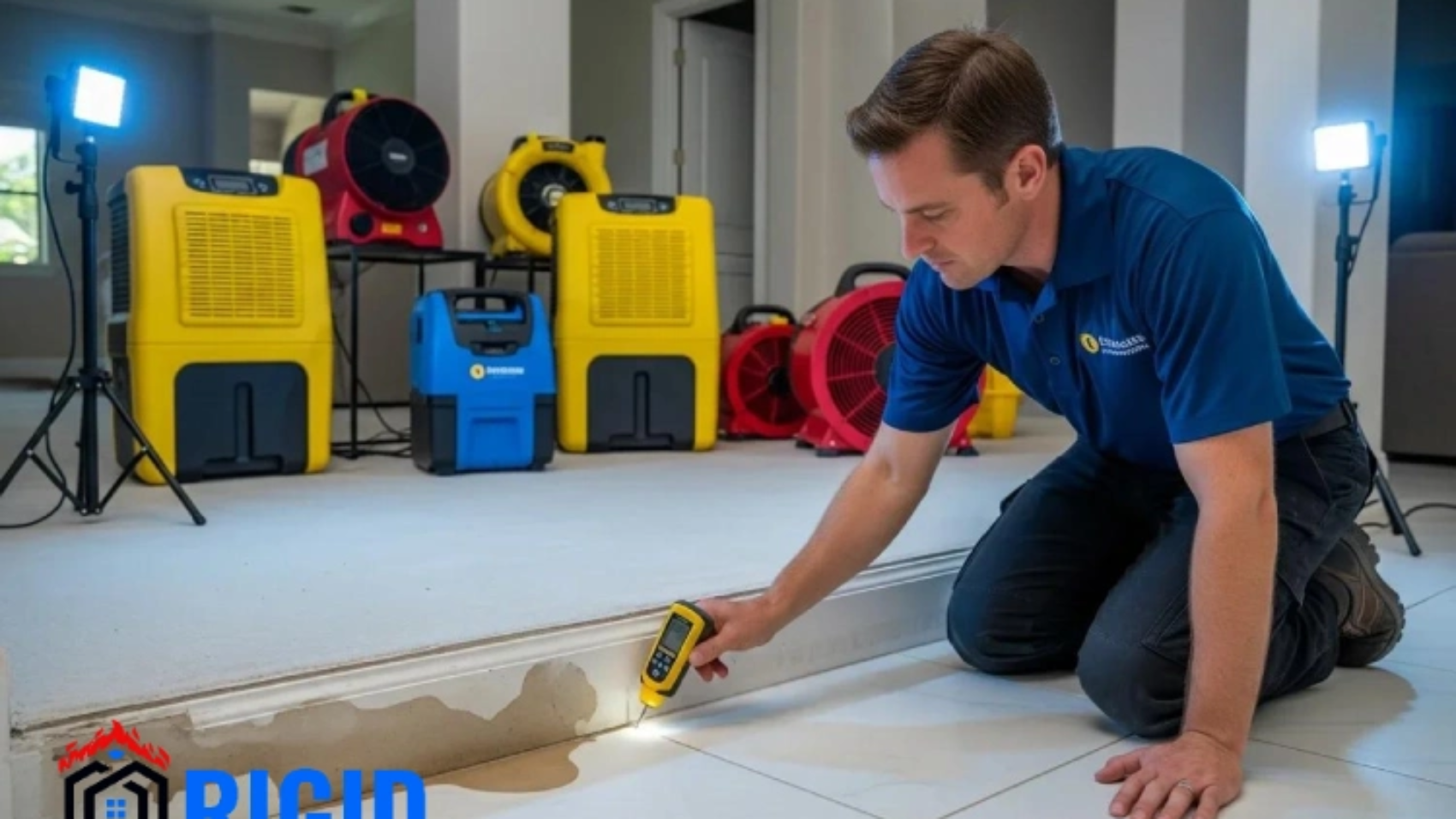
Moisture mapping plays a vital role in water damage restoration. When a home or building experiences flooding, leaks, or excess humidity, water can travel deep into structures. Without proper moisture detection, hidden dampness can remain long after the visible water is gone. This is where moisture mapping becomes essential. In this article, we will explain what moisture mapping is, why it matters, and how it supports effective water restoration.
What Is Moisture Mapping?
Moisture mapping is the process of identifying and documenting moisture levels throughout a space after water damage. Experts use specialized tools to measure humidity inside walls, under floors, and in ceilings. The goal is to find both surface and hidden moisture that may not be visible to the naked eye.
Moisture mapping during water restoration ensures all wet areas are found. Without it, some moisture pockets can be missed and lead to future problems.
Why Moisture Mapping Matters
When water affects a property, it rarely stays in one place. Water moves downward and horizontally through materials like drywall, wood, and insulation. Visible wet spots are only part of the problem. Moisture can hide deep inside structures.
Without moisture mapping:
- Hidden dampness stays in walls and floors
- Mold can grow unseen
- Structural components weaken over time
Moisture mapping provides a complete picture of where water traveled. This helps restoration teams remove all moisture before repairs begin.
How Moisture Travels After Water Damage
Water does not stay where it first enters. It follows gravity and material properties. Understanding this helps clarify why moisture mapping is needed.
Capillary Action
Water moves through small spaces in materials, like wood grains or cracks in concrete. This movement can pull moisture far from the original source.
Gravity
Water flows downward and pools in low spots. Even after visible water is gone, moisture can remain under floors or in wall cavities.
Material Absorption
Porous materials like drywall and insulation soak up moisture like a sponge. Without detection, this trapped water can stay for weeks. Because of these movement patterns, simply drying the surface is not enough. Moisture mapping ensures the entire area is checked.
Tools Used for Moisture Mapping
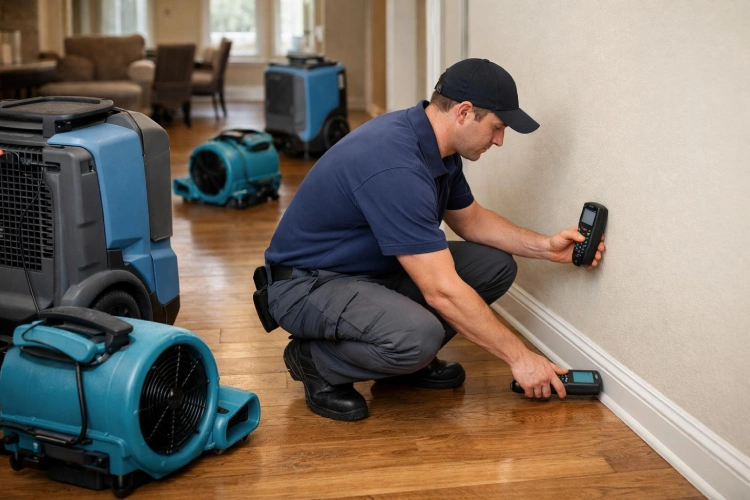
Professionals use advanced equipment to create accurate moisture maps. Common tools include:
Moisture Meters
These devices measure the amount of water in materials. They give readings that show where moisture levels are elevated.
Thermal Imaging Cameras
These cameras detect temperature differences in surfaces. Cooler areas may indicate wet spots because moisture affects surface temperatures.
Hygrometers
These measure humidity in the air. High humidity readings may signal remaining moisture in hidden spaces.
Infrared Technology
Infrared scans help identify moisture behind walls, ceilings, and floors without removing materials.
By combining these tools, experts can locate moisture that would otherwise stay hidden.
The Moisture Mapping Process
Moisture mapping during water restoration follows a systematic process:
-
Initial Inspection
Restoration technicians begin by inspecting the affected area. They look for visible signs of water damage, such as stains, warped materials, or musty odors.
-
Moisture Measurements
Using meters, cameras, and sensors, technicians measure moisture levels throughout the space. These measurements are recorded and mapped to show where moisture is concentrated.
-
Analysis
After collecting data, technicians analyze the results. High readings indicate areas that must be dried further. This analysis helps create a targeted restoration plan.
-
Drying Strategy
Based on the moisture map, professionals develop a drying strategy. This may include air movers, dehumidifiers, or removal of damaged materials.
-
Follow‑Up Monitoring
Once drying begins, technicians continue to monitor moisture levels. This ensures that the space reaches normal moisture conditions before work is completed.
How Moisture Mapping Improves Water Restoration
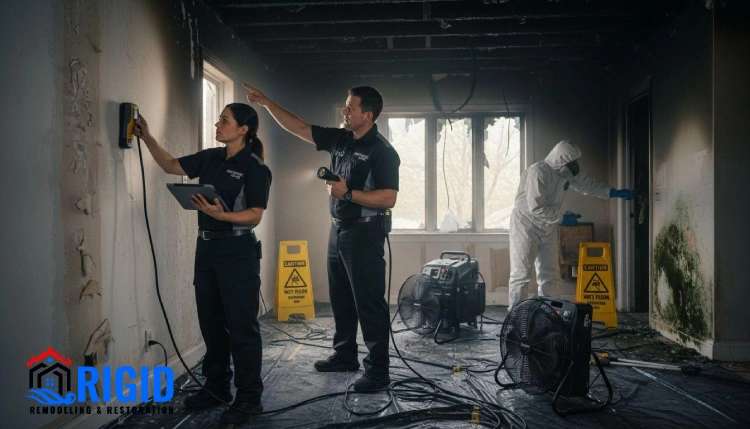
Moisture mapping makes the restoration process more effective and efficient. Here’s how:
Complete Moisture Removal
Surface drying is not enough. Moisture mapping ensures all dampness is removed, including hidden moisture inside walls, floors, and ceilings.
Prevents Mold Growth
Mold thrives in damp environments. By finding and removing hidden moisture, moisture mapping reduces the risk of mold taking hold.
Reduces Structural Damage
Water weakens building materials over time. Early detection and drying protect wood, metal, and other structural components from long‑term decay.
Saves Time and Costs
Targeted drying prevents unnecessary removal of materials. Instead of guesswork, technicians focus resources where they are needed most.
Provides Documentation
Moisture maps serve as proof of the extent of water damage and the drying results. This documentation benefits insurance claims and helps homeowners understand the restoration process.
Signs You Need Moisture Mapping
Not all water damage is obvious. Here are signs that moisture mapping is necessary:
- Musty Odor: A persistent musty smell may indicate hidden moisture and potential mold growth.
- Discolored Surfaces: Stains or discoloration on walls, ceilings, or floors can signal deeper moisture issues.
- Warped Materials: Floorboards or drywall that look warped may have absorbed water.
- Increased Allergy Symptoms: If occupants experience more allergies or respiratory symptoms, hidden mold may be present due to trapped moisture.
- High Indoor Humidity: Elevated humidity levels can indicate that moisture remains even after visible water has been removed.
When you see any of these indicators after a water event, moisture mapping should be part of the restoration plan.
Common Areas Where Hidden Moisture Hides
Certain areas are more prone to retaining moisture:
- Wall cavities around plumbing
- Under hardwood floors
- Under carpets and padding
- Behind baseboards
- Inside ceiling spaces
Moisture mapping tools help locate dampness in these hard‑to‑reach areas.
Moisture Mapping and Insurance Claims
Insurance companies often require documentation of water damage and restoration efforts. Moisture mapping provides:
- Visual evidence of moisture spread
• Quantitative readings before and after drying
• Proof that restoration meets industry standards
This documentation can support claims and help ensure proper coverage.
Why You Should Choose Professionals
Moisture mapping requires training and specialized tools. DIY attempts with basic equipment may miss hidden moisture and allow problems to worsen. Professionals have:
- Experience interpreting moisture readings
• Access to advanced scanning technology
• Training in water restoration best practices
Choosing professionals gives confidence that moisture detection and removal are thorough.
Conclusion
Moisture mapping is essential after water damage because it ensures all hidden moisture is found and removed. Without accurate moisture detection, dampness can remain unnoticed, leading to mold growth, structural weakening, and costly repairs. By using advanced tools and mapping techniques, restoration experts create a clear plan to dry every part of a building effectively.
FAQs
1. What is moisture mapping after water damage?
Moisture mapping is a professional inspection process used to identify the exact areas affected by water damage. Using specialized moisture detection tools, experts can locate hidden moisture behind walls, under floors, and inside building materials to prevent further structural problems and mold growth.
2. Why is moisture mapping important after a water leak or flood?
Moisture mapping helps determine the full extent of water damage that may not be visible to the eye. It allows restoration professionals to create an accurate drying plan, prevent hidden moisture issues, reduce repair costs, and ensure the property is completely dry and safe.
3. Can moisture mapping help prevent mold after water damage?
Yes. Moisture mapping helps identify damp areas where mold can develop. By locating and removing hidden moisture quickly, property owners can significantly reduce the risk of mold growth and long-term damage to walls, floors, and other building materials.