It often starts with something small—a faint stain on the ceiling, a damp smell in the hallway, or a minor leak under the sink. Many homeowners assume it can wait until the weekend or until they have more time. Unfortunately, water damage is one of those problems that quietly escalates while you’re busy with other priorities.
The reality is that water damage gets worse the longer you wait, and the progression is faster than most people expect. What begins as a manageable issue can quickly turn into structural damage, health risks, and significant repair costs. Understanding why this happens is the first step toward protecting your home and avoiding unnecessary stress.
The Nature of Water Damage: Why Time Matters
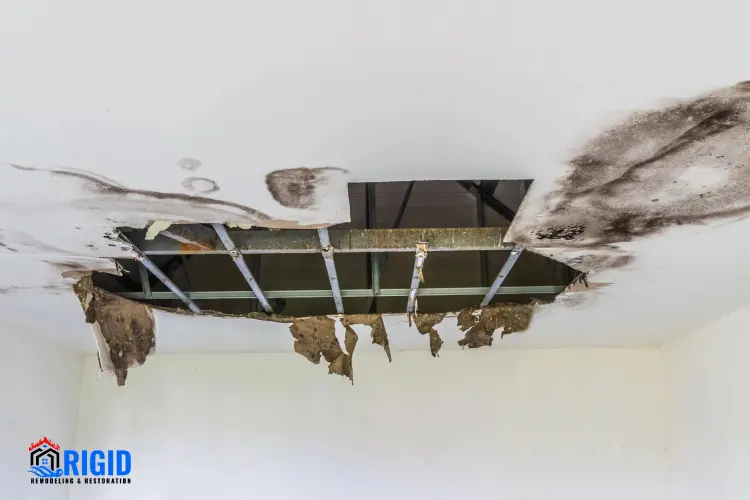
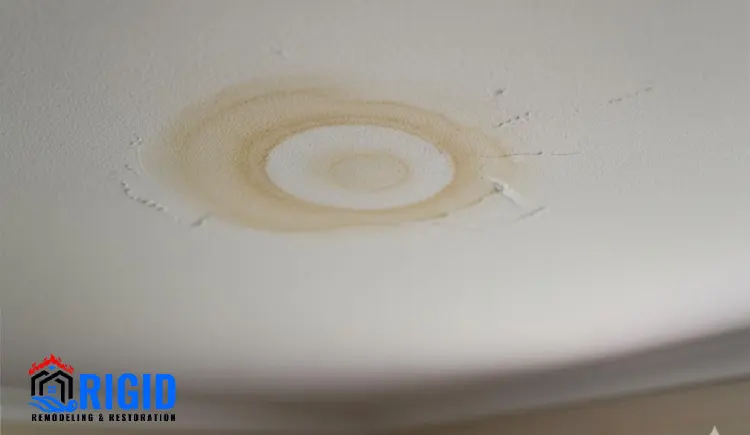
Water is deceptively powerful. While it may seem harmless in small amounts, its ability to seep, spread, and weaken materials makes it a serious threat when left unattended. Unlike visible damage such as a broken window, water damage often works silently behind walls, under floors, and within ceilings.
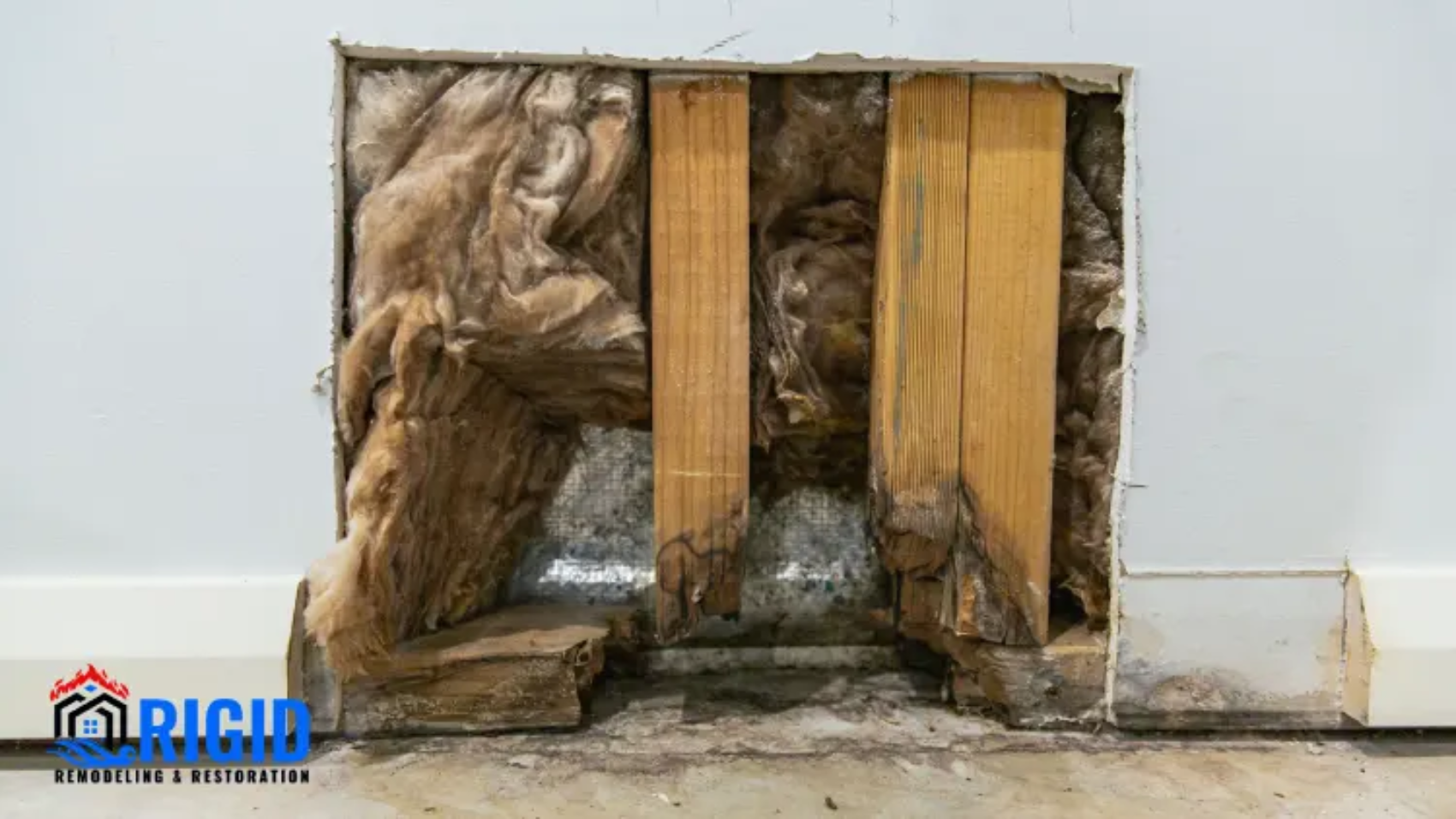
As time passes, moisture penetrates deeper into building materials. Wood absorbs water and begins to swell, drywall softens and crumbles, and insulation loses its effectiveness. This ongoing process is why water damage gets worse the longer you wait, even if the surface appears unchanged. The longer moisture remains, the more extensive—and expensive—the damage becomes.
How Moisture Spreads Through Your Home
Before diving into specific consequences, it’s important to understand how water moves. Moisture doesn’t stay in one place; it travels through porous materials and follows gravity, often reaching areas far from the original source.
Capillary Action and Hidden Movement
Water can move upward and sideways through materials like drywall, wood, and concrete due to capillary action. This means a leak in one corner of your home can eventually affect walls, floors, and even ceilings in nearby areas.
This hidden movement makes water damage difficult to detect early. By the time visible signs appear, the damage is often more widespread than expected. This is one of the key reasons why water damage gets worse the longer you wait—because it rarely stays contained.
Trapped Moisture in Enclosed Spaces
Enclosed areas such as wall cavities and subfloors can trap moisture, creating the perfect environment for long-term deterioration. Without proper drying and ventilation, these spaces remain damp for extended periods.
Over time, trapped moisture leads to rot, mold growth, and weakened structural components. Since these areas are not easily visible, the problem continues to grow unnoticed, reinforcing the idea that delaying action only increases the severity of the issue.
Structural Damage Becomes Inevitable
One of the most serious consequences of delayed action is structural damage. The longer water sits, the more it compromises the integrity of your home.
Wood Rot and Warping
Wood is highly vulnerable to prolonged moisture exposure. It absorbs water, swells, and eventually begins to rot. Floors may warp, doors may no longer close properly, and support beams can weaken.
This process doesn’t happen overnight, but it accelerates quickly. When water damage gets worse the longer you wait, wood structures often reach a point where repair is no longer possible, requiring full replacement.
Weakening of Foundations and Walls
Water can also affect concrete and masonry over time. While these materials are more resistant than wood, prolonged exposure leads to cracks, erosion, and reduced strength.
Walls may lose their stability, and foundations can shift or settle unevenly. Addressing these issues later becomes significantly more complex and costly than dealing with the original water source early on.
Mold Growth: A Fast and Dangerous Consequence
Mold is one of the most immediate risks associated with untreated water damage. It thrives in damp, warm environments and can begin growing within 24 to 48 hours.
Rapid Spread of Mold Colonies
Once mold appears, it spreads quickly by releasing microscopic spores into the air. These spores settle on other damp surfaces, creating new colonies in different parts of the home.
As water damage gets worse the longer you wait, mold contamination becomes more widespread and harder to control. What started as a localized issue can turn into a whole-house problem requiring professional remediation.
Health Risks for Occupants
Mold exposure can lead to respiratory issues, allergies, skin irritation, and other health concerns. Children, elderly individuals, and those with compromised immune systems are particularly vulnerable.
Ignoring water damage not only affects your property but also puts your health at risk. This is another critical reason why delaying action is never a safe option.
Electrical Hazards Increase Over Time
Water and electricity are a dangerous combination. As moisture spreads through walls and ceilings, it can come into contact with electrical wiring and outlets.
Risk of Short Circuits and Fires
Water intrusion can cause short circuits, leading to power outages or even electrical fires. Damaged wiring may not show immediate signs, making it a hidden hazard.
When water damage gets worse the longer you wait, the likelihood of electrical issues increases, adding another layer of danger to an already serious problem.
Damage to Appliances and Systems
Electrical systems, HVAC units, and appliances can suffer irreversible damage when exposed to moisture. Repairing or replacing these systems can significantly increase overall costs.
Early intervention can prevent this type of damage, but delays often lead to more extensive and expensive repairs.
Financial Impact: Costs Multiply Quickly
Many homeowners delay repairs in an attempt to save money, but this approach often backfires. Water damage is one of the few problems where postponing action almost always leads to higher expenses.
From Minor Repairs to Major Restoration
A small leak might initially require only a simple fix, such as sealing a pipe or drying a small area. However, if left untreated, the damage can spread to floors, walls, and structural components.
As water damage gets worse the longer you wait, the scope of repairs expands, turning a minor expense into a major restoration project involving multiple contractors.
Insurance Complications
Insurance policies often require homeowners to take prompt action to prevent further damage. Delaying repairs may result in reduced coverage or denied claims.
Understanding your policy and acting quickly can make a significant difference in how much financial support you receive.
Timeline of Water Damage Progression
To better understand how quickly things can escalate, it’s helpful to look at a general timeline of water damage progression.
| Time Frame | Typical Effects |
|---|---|
| First 24 hours | Surface water, minor absorption |
| 24–48 hours | Mold growth begins, materials start to swell |
| 3–7 days | Structural damage increases, mold spreads rapidly |
| 1–2 weeks | Severe damage, strong odors, potential health risks |
| 3+ weeks | Extensive structural failure, costly restoration |
This table highlights how quickly water damage gets worse the longer you wait, emphasizing the importance of immediate action.
Why DIY Delays Make Things Worse
Some homeowners attempt to handle water damage themselves, which can be effective for very minor issues. However, without proper equipment and expertise, DIY efforts often fall short.
Incomplete Drying and Hidden Moisture
Household fans and basic tools cannot fully remove moisture from deep within walls and floors. As a result, hidden damp areas remain, allowing damage to continue.
Even if the surface appears dry, the underlying problem persists. This contributes to the ongoing cycle where water damage gets worse the longer you wait.
Misidentifying the Source
Without proper inspection, it’s easy to address the symptoms rather than the root cause. A leak may continue behind the scenes, undoing any temporary fixes.
Professional assessment ensures that the source is identified and resolved, preventing further damage.
Preventing Escalation: Acting at the Right Time
While water damage can be serious, it is also highly manageable when addressed promptly. Acting quickly can significantly reduce both the extent of damage and the cost of repairs.
Immediate Steps After Detection
As soon as you notice signs of water damage, it’s important to stop the source if possible. This may involve shutting off the water supply or fixing a visible leak.
Drying the affected area and increasing ventilation can help limit further spread. However, these steps should be followed by a thorough inspection to ensure no hidden damage remains.
The Role of Professional Restoration
Professional water damage restoration services use specialized equipment to detect and remove moisture from all affected areas. They also address mold, structural issues, and potential hazards.
Their expertise ensures that the problem is fully resolved, preventing future complications and reinforcing the importance of early action.
Final Thoughts
Water damage is not a problem that improves with time—it is one that intensifies. From structural deterioration to mold growth and financial strain, the consequences of delay are far-reaching. The key takeaway is simple: water damage gets worse the longer you wait, and even a short delay can significantly impact the outcome.
By understanding how water behaves and recognizing the early signs of damage, you can take swift action and protect both your home and your well-being. In many cases, a quick response is the difference between a minor inconvenience and a major disaster.
Frequently Asked Questions
How quickly does water damage become serious?
Water damage can start becoming serious within 24 to 48 hours, especially when mold begins to grow. While the initial effects may seem minor, the situation can escalate rapidly if not addressed promptly.
Can water damage go away on its own?
No, water damage does not resolve itself. Even if surfaces appear to dry, moisture can remain trapped inside materials, leading to long-term issues such as mold and structural weakening.
Is it safe to stay in a home with water damage?
It depends on the severity. Minor issues may not pose immediate risks, but significant water damage can lead to mold growth, electrical hazards, and compromised structural integrity, making it unsafe over time.
Does insurance cover delayed water damage?
Many insurance policies require timely action to prevent further damage. If you delay repairs, your claim may be reduced or denied, depending on the policy terms.
What is the most important first step after water damage?
The most important step is to stop the source of water and begin drying the area immediately.