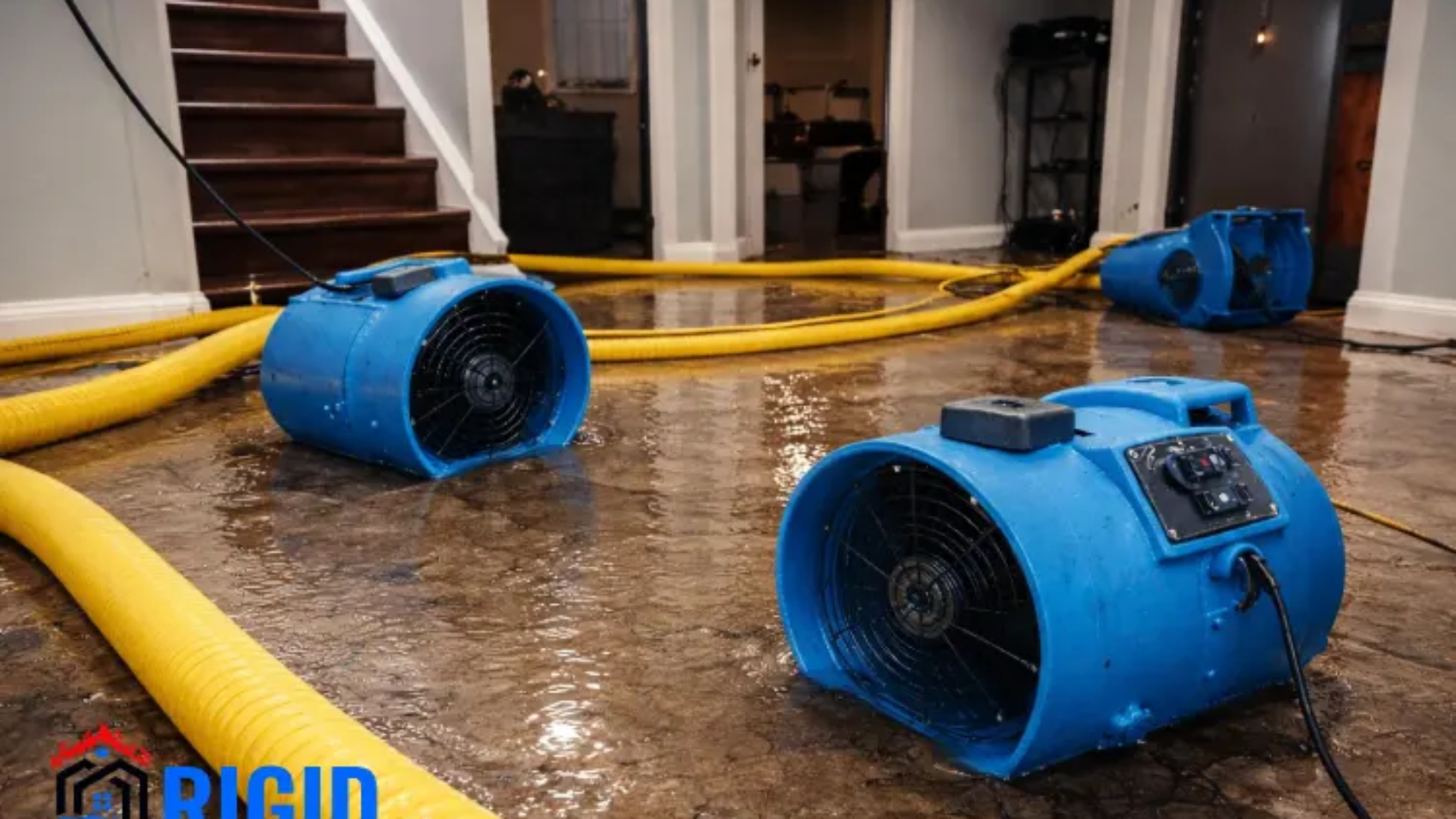
Water damage rarely announces itself politely. It often starts with something small—a damp patch under the sink, a musty smell in the basement, or a minor spill that seems easy to wipe away. Many homeowners assume these situations only require a quick cleanup. However, what appears to be a simple issue can sometimes hide deeper structural or moisture-related problems that demand professional attention. This is where understanding the difference between water mitigation vs a simple cleanup becomes essential.
Knowing when to act quickly and when to call in professionals can save you from costly repairs, mold growth, and long-term property damage. In this guide, we’ll walk through everything you need to know so you can confidently decide the right course of action without second-guessing.
What Is a Simple Cleanup?
A simple cleanup usually involves minor water exposure that hasn’t penetrated deeply into materials. This could be a small spill, a light leak, or water that has remained on non-porous surfaces for a short period. In these cases, drying and cleaning are often enough to resolve the issue without long-term consequences.
When dealing with a simple cleanup, the water hasn’t had enough time or volume to seep into flooring, drywall, or insulation. The situation remains manageable because the affected area is limited and visible. However, even in these cases, attention to detail is crucial to ensure no hidden moisture remains.
Common Situations That Only Need Cleanup
In many homes, minor incidents happen regularly, and most of them don’t require professional intervention. Understanding these scenarios can help you avoid unnecessary costs while still protecting your property.
Small kitchen spills, minor bathroom overflows, or condensation-related moisture are typical examples. These situations are usually easy to manage because they involve clean water and limited exposure time. As long as you dry the area properly and ensure ventilation, the risk of further damage remains low.
Another example is a short-lived leak that is quickly addressed. If the water hasn’t spread beyond a small area and hasn’t soaked into materials, a simple cleanup is often sufficient.
What Is Water Mitigation?
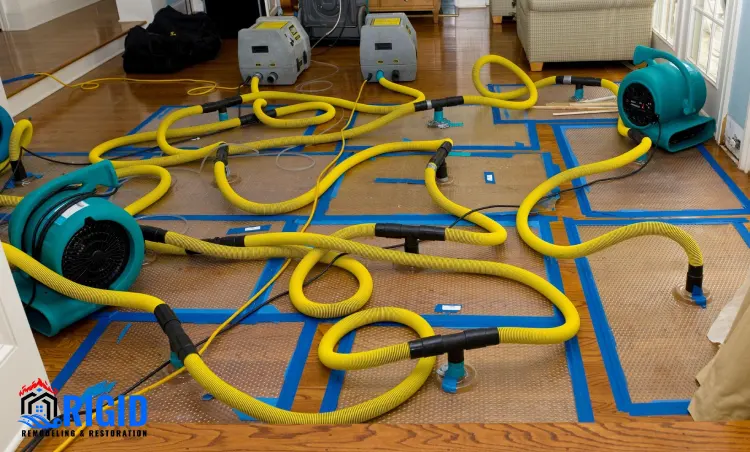
Water mitigation is a more advanced process that focuses on preventing further damage after water intrusion. Unlike a simple cleanup, mitigation involves specialized equipment and techniques to remove water, dry affected areas, and protect the structure from long-term issues.
The goal of water mitigation is not just cleaning—it’s controlling damage and restoring safety. This process often includes moisture detection, industrial drying, dehumidification, and sometimes even removing damaged materials.
Why Water Mitigation Is More Than Just Drying
At first glance, drying might seem like the main solution. However, water mitigation goes much deeper than that. It addresses hidden moisture that can remain trapped in walls, floors, and ceilings.
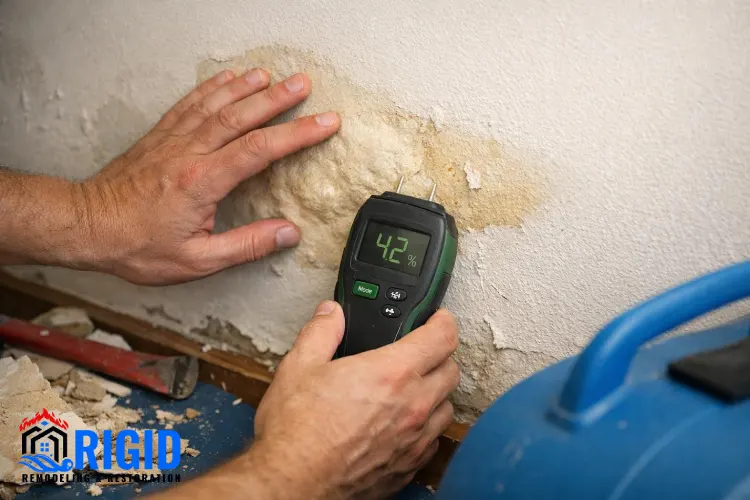
Professionals use advanced tools such as moisture meters and thermal imaging to detect areas that are not visible to the naked eye. Without this level of inspection, moisture can linger and lead to mold growth, structural weakening, and indoor air quality issues.
This is why understanding water mitigation vs a simple cleanup is so important. What looks dry on the surface may still be saturated underneath.
Key Differences Between Water Mitigation vs a Simple Cleanup
Choosing the wrong approach can lead to bigger problems down the line. To make the right decision, you need to evaluate the severity, duration, and type of water involved.
Below is a simple table to clarify the differences:
| Factor | Simple Cleanup | Water Mitigation |
|---|---|---|
| Water Volume | Low | Moderate to High |
| Water Type | Clean | Clean, Gray, or Black |
| Exposure Time | Short | Prolonged |
| Damage Depth | Surface-level | Deep/Structural |
| Equipment Needed | Basic tools | Professional equipment |
This comparison highlights how quickly a situation can escalate. Even a small leak can turn into a mitigation case if left untreated.
Signs You Need Water Mitigation Instead of Cleanup
Many homeowners underestimate water damage because they only focus on visible signs. However, there are clear indicators that suggest the need for professional intervention.
Persistent Moisture or Dampness
If an area remains damp even after cleaning and drying, it’s a strong sign that moisture has penetrated deeper layers. This often happens in carpets, drywall, and wooden structures.
Ignoring persistent dampness can lead to mold growth within 24 to 48 hours. At this stage, a simple cleanup is no longer enough, and water mitigation becomes necessary to prevent further damage.
Musty Odors
A lingering musty smell is usually a sign of hidden moisture or early mold development. Even if the surface looks dry, the odor indicates that water has been absorbed into materials.
This is one of the most common situations where homeowners misjudge water mitigation vs a simple cleanup. Odor alone can signal a deeper issue that requires professional drying and inspection.
Visible Structural Damage
Warped floors, bubbling paint, or cracked drywall are clear indicators that water has affected the structure of your home. These signs suggest prolonged exposure and deeper damage.
At this point, mitigation is essential not only to dry the area but also to prevent further deterioration.
Risks of Choosing Cleanup When Mitigation Is Needed
Opting for a simple cleanup when water mitigation is required can lead to serious consequences. These risks often develop gradually, making them harder to detect until the damage becomes severe.
Hidden moisture can weaken structural components over time, leading to costly repairs. Mold growth is another major concern, as it can affect both property and health.
Additionally, improper drying can create long-term humidity issues, impacting indoor air quality. This is why understanding water mitigation vs a simple cleanup is not just about convenience—it’s about protecting your home and well-being.
How to Decide: Cleanup or Water Mitigation?
Making the right choice doesn’t have to be complicated if you focus on a few key factors. The goal is to assess the situation objectively rather than relying on assumptions.
Evaluate the Source of Water
Clean water from a broken pipe is less risky than contaminated water from sewage or flooding. If the water source is questionable, mitigation is usually the safer option.
Consider the Time Factor
The longer water sits, the more damage it causes. If the issue has been present for more than 24 hours, it’s likely beyond a simple cleanup.
Check the Affected Materials
Porous materials like carpet, wood, and drywall absorb water quickly. If these are involved, professional drying may be necessary.
By considering these factors, you can better understand whether you’re dealing with water mitigation vs a simple cleanup and take appropriate action.
Final Thoughts
Water damage can be deceptive. What seems like a minor inconvenience today can turn into a major repair project tomorrow. The key is recognizing the difference between situations that require a simple cleanup and those that demand professional water mitigation.
By paying attention to warning signs such as persistent moisture, odors, and structural changes, you can make informed decisions and avoid unnecessary risks. Understanding water mitigation vs a simple cleanup empowers you to act quickly, protect your home, and prevent long-term damage.
Frequently Asked Questions
- Can I handle water mitigation on my own?
In most cases, water mitigation requires specialized equipment and expertise. While minor drying can be done at home, deeper moisture issues are best handled by professionals to ensure complete removal.
- How quickly should I act after water damage?
You should act immediately. Even within the first 24 hours, water can start causing structural damage and mold growth. Quick action can determine whether you need a simple cleanup or full mitigation.
- Is water mitigation always expensive?
The cost depends on the severity of the damage. While mitigation may seem costly upfront, it often prevents much larger expenses in the future by addressing the problem thoroughly.