Water damage is one of those problems that often starts quietly and invisibly. A small leak behind a wall, a bit of moisture under the floor, or a slow roof drip may not look serious at first glance. But over time, these hidden issues can turn into costly structural damage and serious health risks. That is why understanding The Hidden Dangers of Water Damage You Can’t See is essential for every homeowner or property manager.
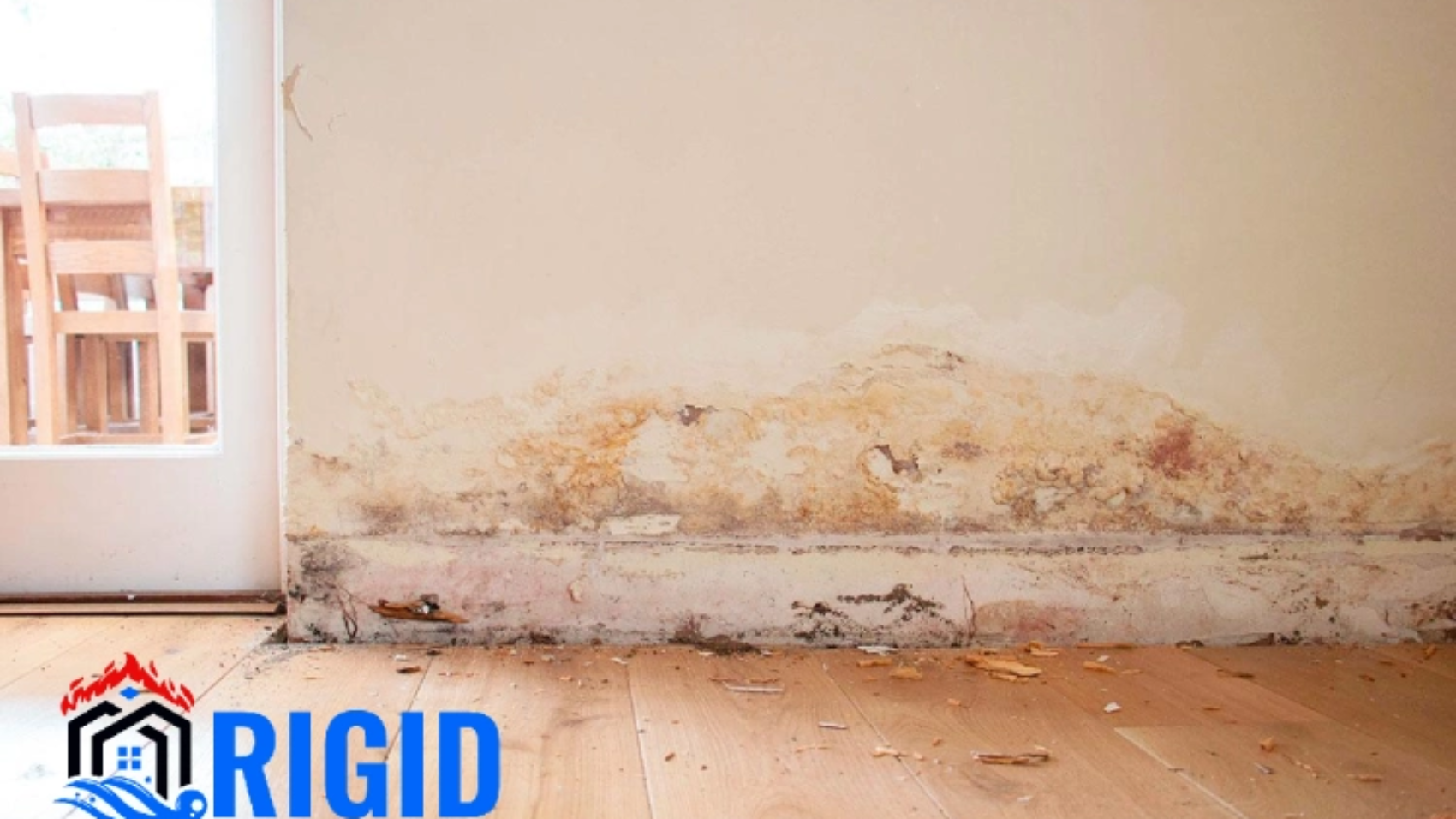
Many people assume that if there is no visible water, there is no problem. Unfortunately, that assumption is exactly what makes water damage so dangerous. By the time stains or odors appear, the real damage has often already spread inside walls, ceilings, and flooring.
Why Water Damage Is Often Invisible at First
Before we dive deeper into The Hidden Dangers of Water Damage You Can’t See, it is important to understand why water damage is so hard to detect in its early stages. Water has a unique ability to travel through materials and hide in spaces we rarely inspect.
In many cases, water leaks slowly seep into drywall, insulation, and wooden structures. These materials absorb moisture like a sponge, making the problem invisible from the outside while damage continues underneath the surface.
Moisture trapped behind walls
Walls are one of the most common places where hidden water damage develops. Pipes run inside them, and even a small leak can remain unnoticed for weeks or months. During this time, moisture spreads and weakens the internal structure.
This is one of the core reasons The Hidden Dangers of Water Damage You Can’t See are so serious in residential and commercial buildings alike.
Slow leaks and unnoticed drips
Unlike sudden flooding, slow leaks do not grab attention. A tiny drip under a sink or behind a washing machine can go unnoticed for a long time.
However, even small amounts of water accumulating daily can lead to major structural deterioration and mold growth.
Structural Damage You Cannot See
One of the most serious aspects of The Hidden Dangers of Water Damage You Can’t See is the gradual weakening of a building’s structure. This damage often happens long before any visible signs appear.
Wood, drywall, and even concrete can slowly degrade when exposed to moisture over time.
Weakening of wooden structures
Wood is highly sensitive to moisture. When water penetrates beams or flooring, it begins to soften the material and reduce its strength.
Over time, this can lead to sagging floors, cracked walls, and in severe cases, structural instability.
Damage to insulation and drywall
Insulation is designed to keep homes energy efficient, but once it gets wet, it loses its effectiveness completely. Wet drywall also becomes fragile and can crumble from the inside.
These hidden issues are a major part of The Hidden Dangers of Water Damage You Can’t See because they remain unnoticed until the damage is already advanced.
Mold Growth: The Silent Health Risk
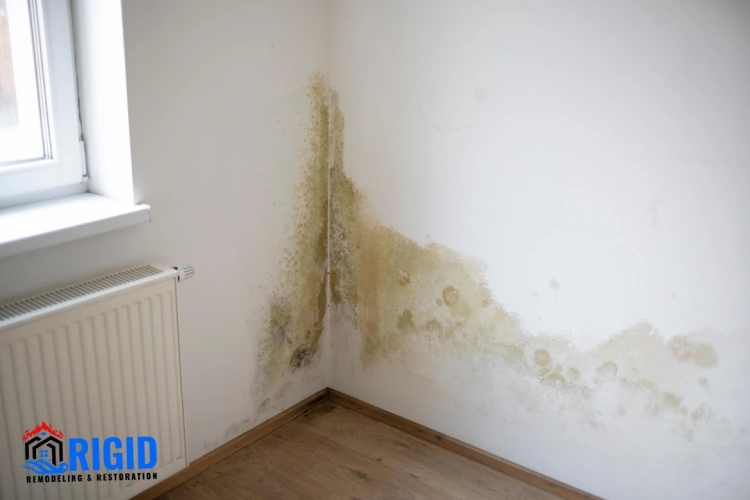
Among all risks, mold is one of the most dangerous outcomes of hidden water damage. It develops quickly in moist environments and spreads silently through air and surfaces.
This makes it one of the most critical aspects of The Hidden Dangers of Water Damage You Can’t See that homeowners must be aware of.
How mold starts growing
Mold spores exist everywhere naturally, but they only grow when moisture is present. A hidden leak creates the perfect environment for mold to develop behind walls or under flooring.
Once it starts, it can spread rapidly without visible warning signs.
Health effects of mold exposure
Exposure to mold can cause respiratory issues, allergies, headaches, and in some cases, more severe health problems.
Children, elderly individuals, and people with asthma are especially vulnerable, making mold one of the most serious consequences of The Hidden Dangers of Water Damage You Can’t See.
Electrical Hazards Caused by Hidden Water
Water and electricity are a dangerous combination, and hidden leaks can create serious electrical risks inside buildings.
This is another overlooked aspect of The Hidden Dangers of Water Damage You Can’t See, especially in modern homes filled with wiring behind walls.
Short circuits and wiring damage
When moisture reaches electrical wiring, it can cause short circuits or corrosion. Over time, this increases the risk of power failure or even fire hazards.
These problems often remain hidden until a major electrical issue occurs.
Increased fire risk
Although it may seem surprising, water damage can indirectly increase fire risks. Damaged wiring can spark unexpectedly, especially in older buildings where insulation is already weak.
Damage to Flooring and Foundations
Water that seeps below the surface can seriously affect floors and even the foundation of a building.
This type of damage is particularly dangerous because it often goes unnoticed until it becomes severe.
Warping and swelling of floors
Wooden and laminate flooring can warp or swell when exposed to moisture. This leads to uneven surfaces and structural instability.
This is a key part of The Hidden Dangers of Water Damage You Can’t See, especially in homes with hidden plumbing leaks.
Foundation weakening
In extreme cases, water can reach the foundation and slowly erode its stability. Over time, this can lead to cracks and serious structural risks.
Hidden Water Damage and Air Quality Issues
Even when water damage is not visible, it can still affect the air you breathe inside your home.
Moist environments contribute to poor indoor air quality and long-term health concerns.
Musty odors as early warning signs
One of the earliest signs of hidden water damage is a persistent musty smell. This odor usually indicates mold or trapped moisture inside walls or flooring.
Ignoring this sign can lead to more serious problems later.
Airborne contaminants
As mold and bacteria grow, spores can become airborne and spread throughout the building. This directly impacts indoor air quality and contributes to respiratory discomfort.
Detection Methods for Hidden Water Damage
Identifying hidden water damage early can save significant repair costs. Professionals often use specialized tools to detect moisture behind surfaces.
Moisture meters and infrared tools
These devices help detect moisture levels inside walls and floors without causing damage. They are widely used in restoration services.
Visual and sensory inspection
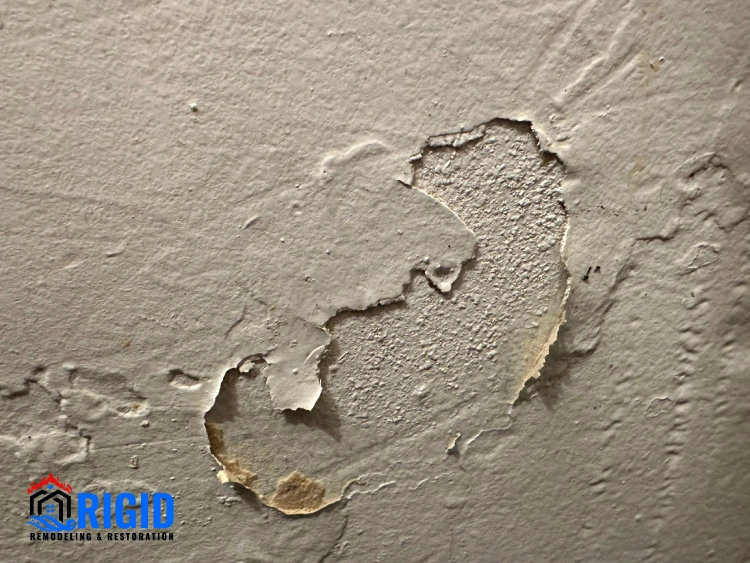
Sometimes, simple observation is enough. Discoloration, peeling paint, or unusual smells can indicate hidden problems related to The Hidden Dangers of Water Damage You Can’t See.
Prevention Tips to Avoid Hidden Water Damage
Preventing water damage is always easier and cheaper than repairing it.
Regular maintenance and awareness can significantly reduce risks.
Regular plumbing inspections
Checking pipes, faucets, and appliances regularly can help detect leaks early before they become serious.
Roof and gutter maintenance
A damaged roof or clogged gutter can allow water to seep into walls and ceilings unnoticed.
Restoration Process After Water Damage
Once hidden water damage is discovered, immediate action is necessary to prevent further deterioration.
Water extraction and drying
The first step is removing excess moisture using specialized drying equipment.
Repair and restoration
After drying, damaged materials are repaired or replaced to restore structural integrity.
Final Thoughts
Understanding The Hidden Dangers of Water Damage You Can’t See is crucial for protecting both your property and your health. What seems like a minor leak can silently evolve into structural damage, mold growth, and even electrical hazards.
The key takeaway is simple: do not wait for visible signs. Regular inspections and early action are the best ways to prevent costly repairs and long-term damage.
FAQs
- Why is hidden water damage more dangerous than visible damage?
Hidden water damage spreads silently behind walls and floors, causing structural and health issues before it becomes visible.
- How can I detect hidden water damage early?
Signs include musty odors, peeling paint, unusual humidity, and unexplained increases in water bills.
- Can hidden water damage cause health problems?
Yes, it can lead to mold growth, which may cause allergies, respiratory issues, and other health concerns over time.