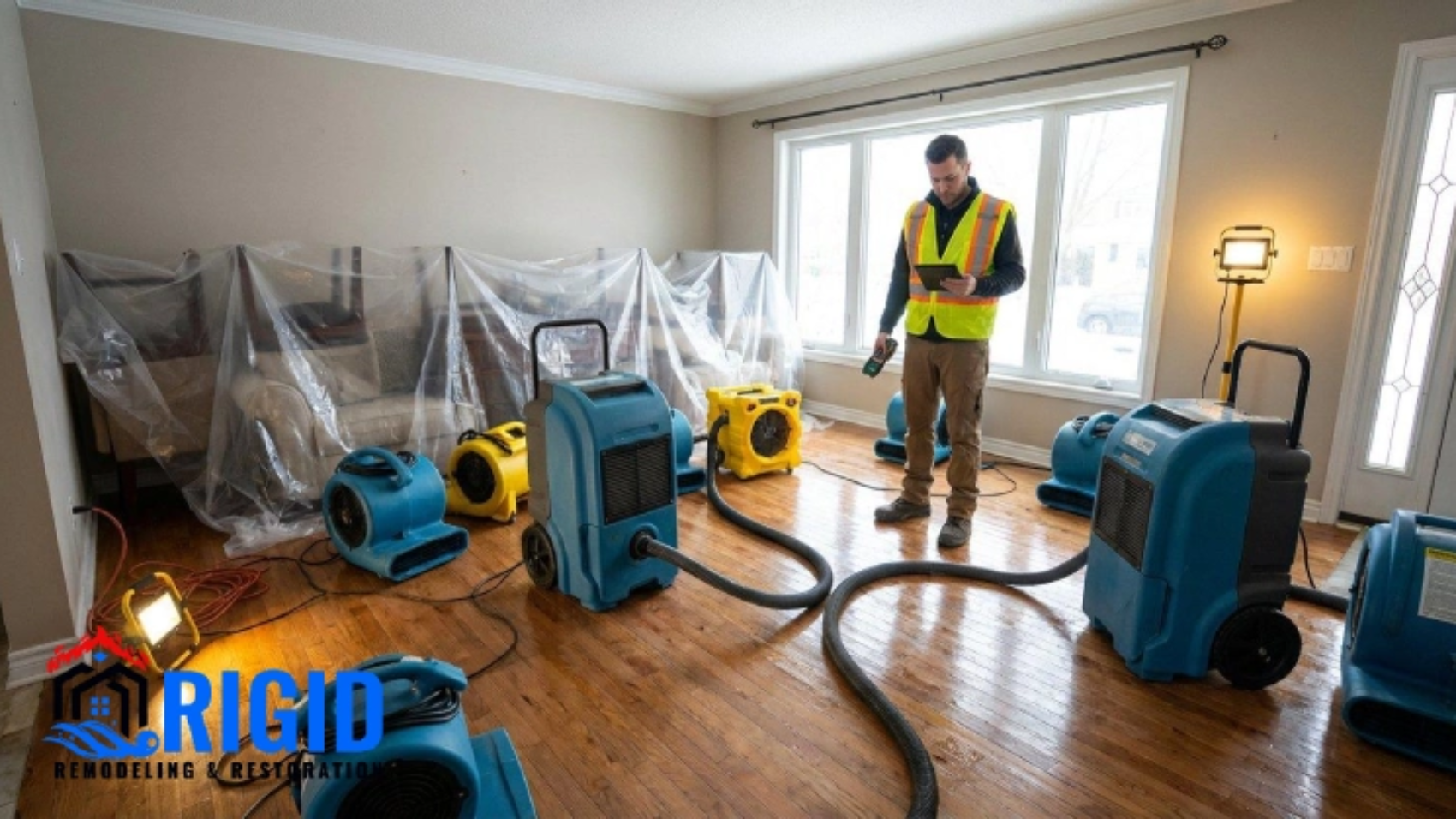
Water damage rarely gives you a warning. One moment everything is fine, and the next, you’re dealing with soaked carpets, swollen walls, and the urgent stress of preventing mold growth. In that moment, most homeowners search quickly for help and often type something like “water mitigation near me” without much time to think.
This urgency is exactly why fraudulent or unqualified companies sometimes enter the market. Not every service provider claiming to offer emergency restoration actually follows industry standards. Understanding How to Tell If a Water Mitigation Company Is Legitimate can make the difference between a properly restored home and long-term structural damage.
In this guide, we’ll break down everything you need to know in a simple, practical way so that by the end, you’ll feel confident choosing the right professionals without second-guessing.
Why Choosing a Legitimate Water Mitigation Company Matters
Before looking at signs of legitimacy, it’s important to understand why this decision is so critical. Water damage is not just a surface problem; it affects structural materials, electrical systems, and indoor air quality.
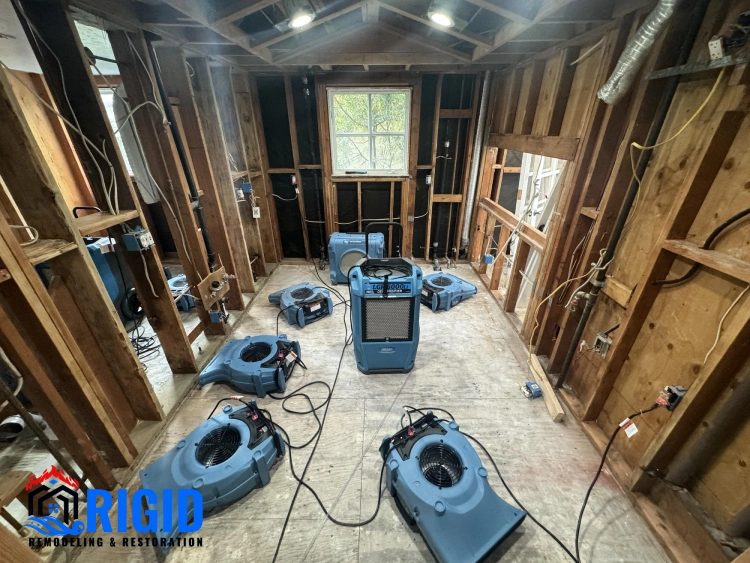
A legitimate company follows standardized drying and restoration procedures that prevent mold growth and long-term damage. On the other hand, unqualified contractors may only remove visible water without addressing hidden moisture inside walls or flooring.
When evaluating How to Tell If a Water Mitigation Company Is Legitimate, remember that the wrong choice can lead to recurring damage, insurance complications, and higher repair costs in the future.
Check for Proper Licensing and Certifications
Why Licensing Matters
A trustworthy water mitigation company should always have the proper licenses required by your state or region. Licensing ensures that the company meets minimum legal and professional standards.
Without licensing, there is no guarantee that technicians are trained or that the company follows safety regulations.
Industry Certifications You Should Look For
One of the strongest indicators of legitimacy is certification from recognized organizations like the IICRC (Institute of Inspection Cleaning and Restoration Certification). These certifications show that technicians are trained in water damage restoration science.
A legitimate company will proudly display these credentials on its website, vehicles, or documentation. If you don’t see them, it’s a red flag when assessing How to Tell If a Water Mitigation Company Is Legitimate.
Evaluate Their Emergency Response Time and Availability
Why Speed Matters in Water Damage
Water damage worsens every hour. Within 24–48 hours, mold can begin to grow, and structural materials may degrade significantly. Because of this, legitimate companies usually offer 24/7 emergency services.
If a company cannot respond quickly or avoids emergency calls, it may not be properly equipped to handle real mitigation work.
What a Professional Response Looks Like
A reliable company typically responds within minutes, provides an estimated arrival time, and immediately begins mitigation planning upon arrival. This responsiveness is a key part of understanding How to Tell If a Water Mitigation Company Is Legitimate.
Check Equipment and Work Process Transparency
Professional Equipment Use
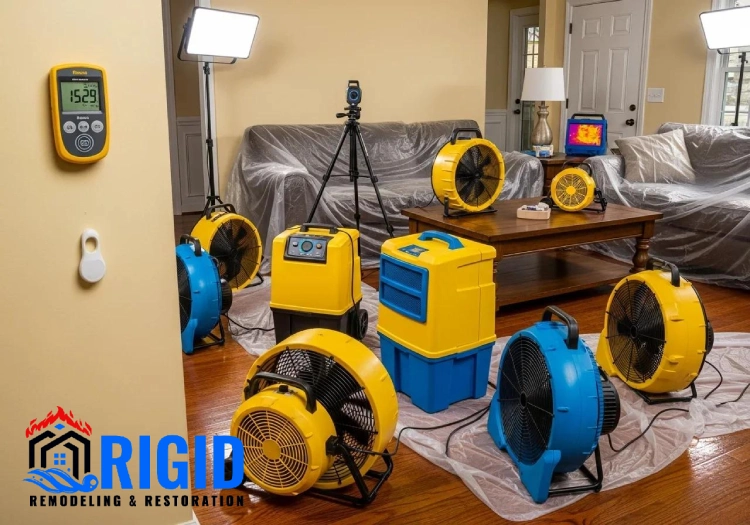
Legitimate companies use industrial-grade equipment such as air movers, dehumidifiers, moisture meters, and thermal imaging tools. These tools ensure that water is not just removed visually but also from hidden layers.
If a contractor shows up with only basic household tools, that’s a warning sign.
Clear Explanation of Process
A trustworthy company will walk you through their entire process—from inspection to drying to final verification. They won’t rush or avoid explaining technical steps.
Transparency is a major indicator when learning How to Tell If a Water Mitigation Company Is Legitimate, because professional companies have nothing to hide.
Insurance Knowledge and Claim Support
Working With Insurance Companies
Legitimate water mitigation companies usually work directly with insurance providers. They document damage, provide detailed reports, and help streamline the claims process.
This reduces stress for homeowners and ensures proper compensation for repairs.
Red Flags in Insurance Handling
Be cautious if a company pressures you to avoid insurance claims or offers unclear documentation. Proper documentation is essential for transparency and accountability in water damage restoration.
Understanding this aspect is crucial in mastering How to Tell If a Water Mitigation Company Is Legitimate.
Online Reviews, Reputation, and Local Presence
Importance of Real Customer Feedback
One of the simplest ways to verify legitimacy is through online reviews. Platforms like Google Reviews, Yelp, or local directories often reflect real customer experiences.
Consistent positive feedback about professionalism, response time, and quality of work is a strong sign of credibility.
Local Business Verification
A legitimate company usually has a physical address, local presence, and verifiable contact information. Be cautious of companies that only operate through call centers without any traceable location.
This step plays a major role in understanding How to Tell If a Water Mitigation Company Is Legitimate in real-world situations.
Pricing Transparency and Written Estimates
Clear and Detailed Pricing
Legitimate companies provide written estimates that clearly break down labor, equipment, and material costs. This prevents unexpected charges later.
They also inspect the property before giving final pricing rather than offering vague quotes over the phone.
Warning Signs in Pricing
Be cautious of extremely low estimates or companies that demand full payment upfront. Reliable providers usually follow industry-standard billing practices and work with insurance whenever possible.
Transparent pricing is a key factor in evaluating How to Tell If a Water Mitigation Company Is Legitimate.
Red Flags You Should Never Ignore
Sometimes, identifying a bad company is easier than identifying a good one. Certain behaviors should immediately raise concern.
If a company avoids written contracts, refuses to show certifications, or pressures you into quick decisions, these are serious warning signs. Similarly, lack of proper equipment or unclear communication should never be ignored.
Recognizing these red flags helps you quickly filter out unreliable providers when considering How to Tell If a Water Mitigation Company Is Legitimate.
Comparison Table: Legit vs Unreliable Companies
| Feature | Legitimate Company | Unreliable Company |
|---|---|---|
| Licensing | Fully licensed | Missing or unclear |
| Certifications | IICRC or similar | None |
| Equipment | Industrial-grade | Basic tools |
| Estimates | Written & detailed | Vague or verbal |
| Insurance Support | Yes | No |
| Response Time | Fast (24/7) | Slow or inconsistent |
Final Thoughts
Understanding How to Tell If a Water Mitigation Company Is Legitimate is not just about avoiding scams—it’s about protecting your home, your health, and your financial stability. Water damage escalates quickly, and the company you choose directly impacts the outcome of the restoration process.
A legitimate provider will always prioritize transparency, proper documentation, certified training, and professional equipment. If you remember even a few of these signs, you can confidently make a safe and informed decision during an emergency.
Frequently Asked Questions
- How quickly should a water mitigation company respond?
A professional company should respond within minutes and ideally arrive within a few hours, depending on location. Fast response is critical to prevent mold growth and structural damage.
- Do all legitimate companies work with insurance?
Most reputable water mitigation companies work directly with insurance providers and help with documentation and claims, making the process smoother for homeowners.
- What is the most important factor when choosing a company?
Certification and experience are the most important factors. Companies certified by organizations like IICRC are generally more reliable and follow industry-standard procedures.