Water damage can happen unexpectedly. A burst pipe, leaking appliance, overflowing toilet, or severe storm can leave floors, walls, and ceilings soaked within minutes. Even when the visible water seems manageable, moisture can spread behind walls and beneath flooring, creating problems that become more expensive if left untreated.
One of the first questions homeowners ask after discovering water damage is how much professional water mitigation will cost. The final price depends on several factors, including the size of the affected area, the type of water, the materials involved, and the equipment needed for proper drying.
In this guide, we’ll explore typical water mitigation costs, the main factors that influence pricing, what professional services include, and how homeowners can manage expenses without compromising restoration quality.
Read more: kitchen layouts explained
How Much Does Water Mitigation Cost?
The average water mitigation cost varies depending on the severity of the damage and the work required. Minor leaks affecting a small area may cost a few hundred dollars, while extensive flooding can result in expenses reaching several thousand dollars.
The following figures provide general U.S. budgeting estimates rather than fixed industry rates.
| Type of Water Damage | Estimated Cost |
|---|---|
| Minor Water Leak | $300–$800 |
| Small Room Flooding | $500–$1,500 |
| Moderate Water Damage | $1,000–$3,000 |
| Multiple Affected Rooms | $2,000–$5,000 |
| Extensive Home Flooding | $5,000–$10,000+ |
| Severe Contaminated Water Damage | $3,000–$10,000+ |
Actual prices depend on local labor rates, contamination levels, equipment requirements, and the condition of affected materials.
Average Cost Per Square Foot
Some minor to moderate mitigation projects may cost approximately $3 to $7 per square foot. However, this is only a preliminary budgeting estimate because the amount of water and the materials involved can significantly change the price.
For instance, drying a bedroom after a clean-water leak may be less expensive than treating a smaller bathroom affected by sewage. Hidden moisture beneath flooring or inside walls can also increase labor and equipment costs.
What Factors Affect Water Mitigation Cost?
Two properties with similar visible water damage may receive very different estimates. This is because professionals evaluate several conditions before determining the required work.
Size of the Affected Area
Larger areas generally require more labor, additional drying equipment, and longer treatment periods. A leak affecting one section of flooring may need limited extraction, while water spreading across several rooms can require multiple air movers and dehumidifiers.
However, square footage is not the only consideration. The depth of water penetration and the condition of building materials also influence the final price.
Category of Water Contamination
Water contamination is one of the most important factors affecting mitigation expenses. Water damage is generally divided into three categories.
Category 1: Clean Water
Clean water typically comes from broken supply lines, leaking faucets, or certain appliance malfunctions. When addressed quickly, this type of damage is usually easier and less expensive to manage.
Category 2: Gray Water
Gray water contains contaminants that may cause discomfort or illness. Common sources include washing machines, dishwashers, and certain appliance discharge lines. Additional cleaning and removal of affected porous materials may be necessary.
Category 3: Black Water
Black water is highly contaminated and may contain sewage, harmful microorganisms, or chemicals. Floodwater and sewage backups are common examples. Mitigation usually requires specialized protective equipment, controlled cleaning procedures, and careful disposal of contaminated materials.
Type of Building Materials Affected
Different materials absorb and retain moisture differently. Hardwood flooring, drywall, insulation, carpets, and subflooring may require specific drying methods.
For example, water can become trapped beneath hardwood flooring or inside drywall, making the drying process more complicated. Materials that cannot be safely restored may need to be removed and replaced, increasing labor and disposal expenses.
Emergency Response and Equipment
Water damage often occurs outside normal business hours. Many mitigation companies provide 24/7 emergency services, but after-hours labor and emergency dispatch may involve additional fees.
Professional equipment also affects the total price. Air movers circulate air across wet surfaces, while commercial dehumidifiers remove moisture from the environment. If materials take several days to dry, equipment may need to remain in place longer, increasing rental or usage charges.
Mold Prevention and Additional Cleaning
Prolonged moisture can create conditions favorable for mold growth. Professional mitigation may include cleaning affected surfaces, moisture monitoring, and appropriate antimicrobial treatments when necessary.
If mold is already present, separate assessment and remediation services may be required. Homeowners should confirm whether these services are included in the estimate.
How Much Do Individual Water Mitigation Services Cost?
A professional estimate usually combines several services rather than charging one flat fee. Understanding these services helps homeowners evaluate contractor quotes.
Water Extraction
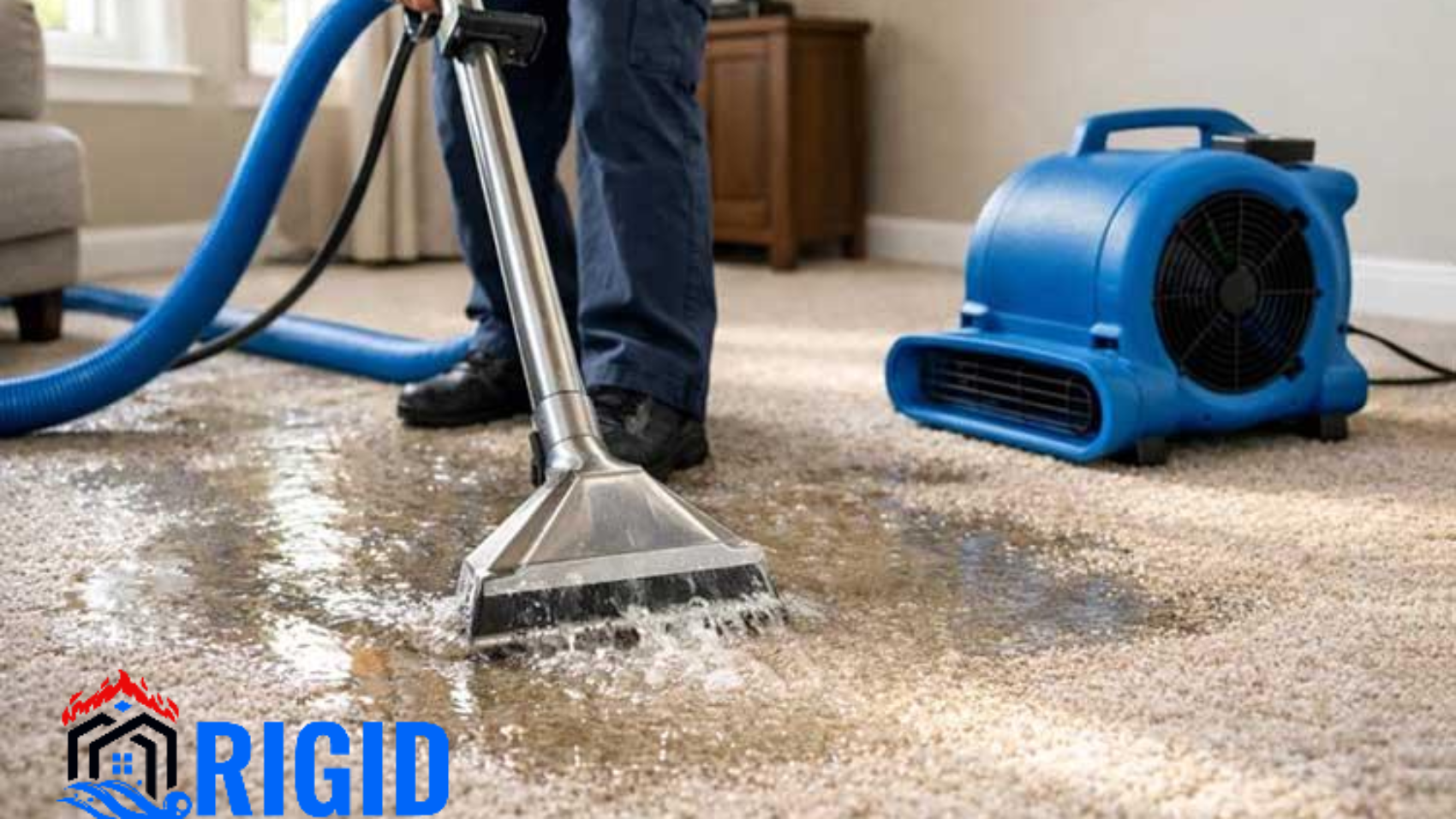
Water extraction is usually the first step. Technicians use commercial pumps, wet vacuums, and specialized equipment to remove standing water from floors and other affected surfaces. Costs depend on the amount of water, the size of the area, and the equipment required.
Structural Drying
Structural drying removes moisture trapped inside materials such as drywall, flooring, framing, and subfloors. Technicians use air movers and dehumidifiers while monitoring moisture levels to determine when drying is complete.
This stage can represent a significant portion of the total expense, especially when moisture has spread behind walls or beneath flooring.
Moisture Inspection and Detection
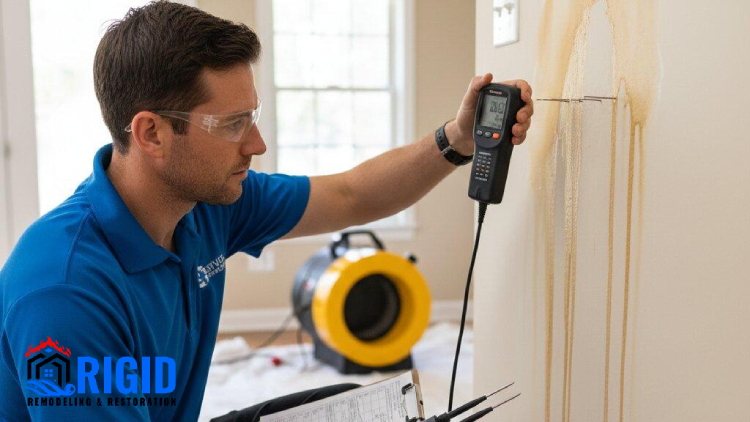
Moisture inspection helps identify hidden water damage. Professionals may use moisture meters and thermal imaging cameras to locate areas that cannot be identified through visual inspection alone.
Some companies include these assessments in their standard pricing, while others charge separate inspection fees.
Removal of Damaged Materials
Severely damaged drywall, insulation, carpet padding, and other materials may need to be removed. The cost depends on the amount of material, its location, labor requirements, and disposal procedures.
Cleaning and Sanitization
Cleaning and sanitization are particularly important after sewage backups, flooding, or exposure to contaminated water. These services may require specialized products, protective equipment, and additional labor.
Water Mitigation Cost by Type of Water Damage
The source of water damage often determines the complexity of the mitigation process.
Burst Pipe Water Damage
A burst pipe can release large amounts of water into walls, ceilings, and flooring. Minor incidents may require limited extraction and drying, while major pipe failures can involve multiple rooms and extensive structural drying.
Basement Flooding
Basements are particularly vulnerable to flooding caused by heavy rainfall, drainage problems, and sump pump failures. Mitigation may involve water extraction, specialized drying equipment, and removal of damaged materials. If floodwater comes from outside, contamination may also increase costs.
Roof Leak and Ceiling Water Damage
Roof leaks can affect ceilings, insulation, drywall, and structural components. Mitigation may involve removing damaged ceiling sections, drying the affected areas, and addressing the source of the leak. Roof repairs are generally billed separately.
Appliance and Plumbing Leaks
Dishwashers, washing machines, refrigerators, and water heaters are common sources of residential water damage. Early detection can keep the affected area small, but hidden leaks may remain unnoticed and eventually damage cabinets, walls, and subfloors.
Read more: water mitigation vs water restoration
Does Homeowners Insurance Cover Water Mitigation Costs?
Homeowners insurance may cover water mitigation when damage results from a sudden and accidental event covered by the policy. For example, an unexpected burst pipe or appliance malfunction may qualify.
However, gradual leaks, neglected maintenance, groundwater seepage, and certain flooding events may be excluded or require separate coverage.
What Insurance May Pay For
Depending on the policy, coverage may include emergency water extraction, drying equipment, removal of damaged materials, and necessary mitigation expenses. Some policies also cover resulting repairs, although the cost of fixing the original source of the damage may not be included.
How to Document Water Damage
Homeowners should photograph visible damage before cleanup whenever it is safe to do so. Keeping contractor estimates, invoices, moisture readings, and records of emergency services can also support the insurance claim.
Contact your insurance provider promptly and follow the policy’s reporting requirements. However, do not delay urgent mitigation work if waiting could cause further damage.
How to Reduce Water Mitigation Costs
Although water damage cannot always be prevented, homeowners can take practical steps to limit expenses.
Act Quickly
Prompt action helps prevent water from spreading into additional materials. If possible, shut off the water supply and arrange professional assistance. Avoid entering areas where standing water may present electrical hazards.
Compare Contractor Estimates
Getting multiple estimates can help homeowners understand local pricing. However, the cheapest quote is not always the best option. Compare the services included, equipment charges, drying procedures, and potential additional fees.
Address the Source of Water
Drying the property without repairing the source of the leak will not solve the underlying problem. A damaged pipe, roof leak, or faulty appliance must be addressed to prevent repeated water damage.
How to Choose a Reliable Water Mitigation Company
Choosing an experienced contractor is essential for effective water damage control. Homeowners should look for companies with trained technicians, appropriate equipment, relevant restoration experience, and clear pricing.
Certifications such as IICRC training can provide additional confidence in a company’s technical knowledge. It is also helpful to review customer feedback and ask whether moisture monitoring, emergency response, and documentation are included in the service.
A reliable contractor should explain the proposed work, estimated drying time, and conditions that could increase the final price.
Final Thoughts on Water Mitigation Cost
Water mitigation costs depend on several factors, including the affected area, water contamination, building materials, and equipment requirements. While minor incidents may cost a few hundred dollars, extensive flooding can result in expenses reaching several thousand dollars.
The best way to control these costs is to respond quickly, hire qualified professionals, and make sure the source of water is properly addressed. Homeowners should also review their insurance coverage and compare estimates based on the services included rather than price alone.
Professional mitigation is not simply about removing visible water. It protects the structure, reduces hidden moisture problems, and helps prevent more expensive repairs in the future.
Frequently Asked Questions About Water Mitigation Cost
- What Is the Average Cost of Water Mitigation?
Minor water mitigation projects may cost around $300 to $800, while moderate damage can range from $1,000 to $3,000. Extensive flooding or contaminated water damage may cost $5,000 or more, depending on the required work.
- How Much Does Water Mitigation Cost Per Square Foot?
Some minor to moderate projects may cost approximately $3 to $7 per square foot. However, contamination, hidden moisture, material removal, and equipment requirements can significantly affect the final price.
- Does Homeowners Insurance Cover Water Mitigation?
Many policies cover reasonable mitigation expenses resulting from sudden and accidental water damage, such as a burst pipe. Gradual leaks and certain flooding events may not be covered. Always review your policy and contact your insurance provider.
- How Long Does Water Mitigation Take?
Many residential projects require approximately three to five days for initial structural drying. Extensive flooding or moisture trapped inside building materials may require additional time. Technicians monitor moisture levels before completing the drying process.
- Can I Perform Water Mitigation Myself?
Minor clean-water incidents may be manageable with basic drying equipment when there are no safety hazards. However, extensive flooding, sewage contamination, and hidden structural moisture require professional assessment and specialized equipment.
- What Happens If Water Damage Is Not Treated Immediately?
Untreated water damage can deteriorate building materials, damage flooring, weaken drywall, and create conditions for mold growth. Moisture may also spread into hidden areas, making future repairs more complicated and expensive.