Imagine waking up to find water spreading across your living room floor after a burst pipe or discovering a damp ceiling following a heavy storm. Your first instinct might be to grab a mop, towels, and a household fan to handle the problem yourself. However, water damage is often more complicated than it appears.
Choosing between DIY vs. professional water damage restoration can affect your home’s safety, repair costs, and long-term condition. While minor incidents may be manageable without professional help, extensive flooding and hidden moisture often require specialized equipment and experience.
In this guide, we will compare both approaches, explain their advantages and disadvantages, and help you decide which restoration method is right for your situation.
Read more: Kitchen Remodel Cost Breakdown
Understanding DIY and Professional Water Damage Restoration
Water damage restoration involves more than removing visible water from floors and furniture. It also includes identifying moisture sources, drying affected materials, preventing mold growth, and checking for structural damage.
The main difference between DIY and professional restoration is the equipment, expertise, and inspection methods involved. DIY methods usually focus on visible damage, while professionals investigate hidden moisture and restore affected materials more thoroughly.
What Is DIY Water Damage Restoration?
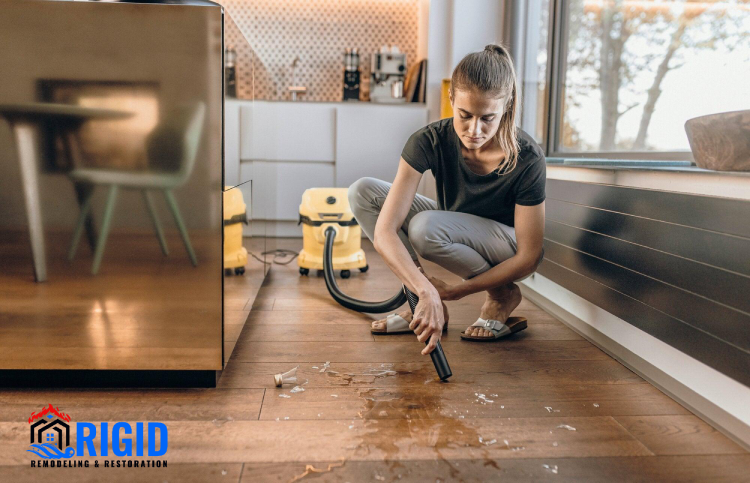
DIY restoration means handling water cleanup without hiring a specialized company. Homeowners typically use towels, wet vacuums, household fans, and portable dehumidifiers to remove water and dry affected surfaces.
This approach can work for small incidents involving clean water, such as a minor sink overflow. However, household equipment may not be powerful enough to remove moisture trapped inside walls, flooring, or insulation.
What Is Professional Water Damage Restoration?
Professional restoration involves trained technicians using specialized equipment to extract water, measure moisture levels, and dry affected building materials.
Depending on the damage, the process may also include removing damaged materials, cleaning contaminated surfaces, mold remediation, and coordinating repairs. The goal is to restore the property to a safe condition rather than simply making visible surfaces look dry.
When Is DIY Water Damage Restoration a Good Option?
Not every water-related incident requires professional assistance. Small spills and limited leaks can sometimes be handled independently, provided the water source is safe and the affected area is not extensive.
Before starting, make sure there are no electrical hazards or signs of structural damage. If water has reached electrical outlets or wiring, avoid entering the area until it has been assessed by a qualified professional.
Small Spills and Minor Water Leaks
Small amounts of water from an overflowing glass, a minor appliance leak, or a quickly discovered plumbing issue may be suitable for DIY cleanup.
A wet vacuum or towels can remove visible water, while fans and dehumidifiers help dry exposed surfaces. However, you should also check floor edges, corners, and areas beneath furniture for remaining moisture.
Fresh and Limited Clean Water Damage
Clean water from a supply line may be manageable if the leak is discovered immediately and has not spread into structural materials.
For example, a small leak beneath a bathroom sink may require only basic cleanup and drying. However, if water has reached wooden flooring, drywall, or insulation, professional assessment may be necessary to prevent hidden moisture problems.
When Should You Hire a Professional Water Damage Restoration Company?
Some water damage incidents are too serious for household tools and basic cleaning methods. Professional restoration is especially important when water affects multiple rooms, enters structural materials, or comes from a contaminated source.
Extensive Flooding and Standing Water
Flooding caused by heavy rainfall, burst pipes, or appliance failures can introduce large amounts of water into a property. Moisture may spread into walls, subfloors, insulation, and other hidden spaces.
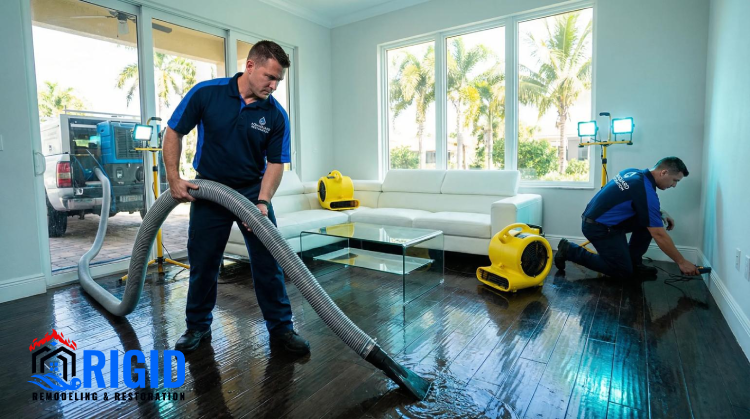
Professional technicians use high-capacity extraction equipment to remove standing water and specialized drying systems to address moisture inside building materials.
Contaminated or Sewage Water
Water from sewage backups, overflowing toilets, and external flooding may contain bacteria, viruses, and harmful contaminants. It should never be treated like an ordinary household spill.
Professional restoration teams use appropriate protective equipment, cleaning products, and disposal procedures. Depending on the contamination, affected carpets, drywall, and insulation may need to be removed rather than cleaned.
Hidden Moisture and Mold Growth
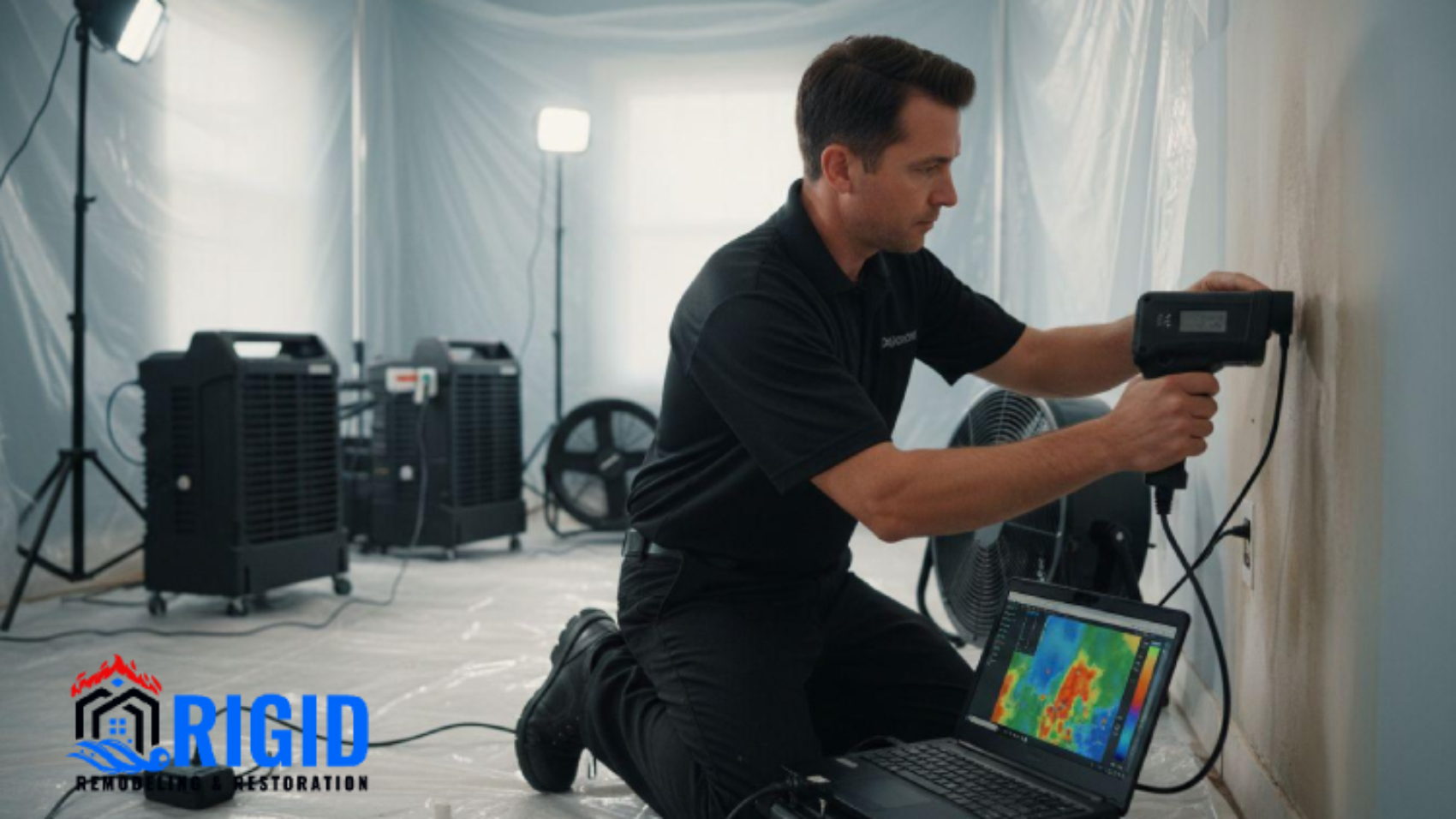
Water can travel behind walls, beneath flooring, and into ceilings without creating obvious signs of damage. Moisture meters and thermal imaging cameras help professionals identify these hidden problems.
Mold can begin developing within 24 to 48 hours under suitable conditions. If you notice musty odors, visible discoloration, or persistent dampness, professional inspection is recommended.
DIY vs. Professional Water Damage Restoration: Key Differences
Understanding the practical differences between these approaches can help you make a better decision. Although DIY cleanup usually costs less initially, professional services offer more comprehensive inspection and drying.
| Factor | DIY Restoration | Professional Restoration |
|---|---|---|
| Initial cost | Lower | Higher |
| Equipment | Household tools | Industrial equipment |
| Water extraction | Small incidents | Small to extensive flooding |
| Moisture detection | Mostly visual | Professional inspection tools |
| Drying efficiency | Limited | More effective structural drying |
| Mold prevention | Depends on cleanup quality | Professional moisture control |
| Contaminated water | Not recommended | Specialized cleanup |
| Structural assessment | Limited | Trained technicians |
The most important difference is the ability to identify and remove hidden moisture. DIY methods may be sufficient for minor incidents, but professional restoration offers a more reliable solution when damage is extensive.
Pros and Cons of DIY Water Damage Restoration
DIY restoration can be convenient when the problem is small and manageable. However, homeowners should understand its limitations before attempting to handle the entire restoration process independently.
Advantages of DIY Restoration
The biggest advantage is the lower initial cost. Homeowners can avoid professional labor expenses when dealing with small spills or minor clean-water leaks.
DIY cleanup also allows immediate action. You can remove standing water, move furniture, and start drying the affected area without waiting for a restoration company.
Disadvantages of DIY Restoration
The main disadvantage is incomplete drying. Household fans and dehumidifiers may dry visible surfaces while moisture remains trapped inside walls and flooring.
Improper cleaning can also create health risks, especially when dealing with contaminated water. In addition, hidden moisture may eventually cause mold growth and expensive repairs.
Pros and Cons of Professional Water Damage Restoration
Professional restoration requires a higher initial investment, but it provides additional protection when water damage is extensive or difficult to assess.
Advantages of Professional Restoration
Restoration companies use specialized equipment, including industrial air movers, dehumidifiers, and moisture meters, to remove water and dry building materials.
Their experience also helps them determine which materials can be restored and which need replacement. Many companies provide inspection reports and documentation that may support insurance claims.
Disadvantages of Professional Restoration
The main disadvantage is the cost, particularly when the project involves demolition, mold remediation, or structural repairs.
Scheduling may also take longer during major storms or widespread flooding. Homeowners should therefore compare service providers and choose a company with relevant experience and appropriate equipment.
Read more: How to Tell If Your Home Still Has Moisture After Cleanup?
How Much Does Water Damage Restoration Cost?
The cost of restoration depends on the amount of water, the affected square footage, the water source, and the materials involved.
DIY expenses usually include cleaning supplies, fans, wet vacuums, and portable dehumidifiers. Professional restoration costs may include emergency response, water extraction, structural drying, damaged material removal, and repairs.
Insurance coverage is another important consideration. Some homeowners’ policies cover sudden and accidental water damage, while others exclude flooding or gradual leaks. Coverage depends on the policy and the source of damage.
Before starting major repairs, photograph the affected areas and contact your insurance provider to understand its inspection and documentation requirements.
Common Mistakes to Avoid During Water Damage Cleanup
Even when homeowners take immediate action, certain mistakes can make water damage worse. Understanding these issues helps prevent additional expenses and long-term problems.
Ignoring Hidden Moisture
Dry-looking floors and walls do not always mean the affected area is completely dry. Water can remain beneath flooring, behind baseboards, and inside wall cavities.
If hidden moisture is not addressed, it may cause mold growth, unpleasant odors, and material deterioration.
Delaying the Drying Process
The longer building materials remain wet, the greater the risk of damage and microbial growth. Once it is safe, stop the water source and begin appropriate cleanup.
For extensive damage, contact a restoration company as soon as possible rather than waiting for the area to dry naturally.
Relying Only on Household Fans
Fans improve air circulation but cannot always remove moisture trapped inside structural materials. Professional drying may require controlled airflow and dehumidification to achieve proper results.
How to Choose the Right Water Damage Restoration Company
If professional assistance is necessary, selecting a reliable restoration company is essential. Look for providers with relevant training, experience, specialized equipment, and positive customer feedback.
Ask whether the company offers emergency water extraction, moisture inspections, structural drying, and mold remediation. It is also important to understand what the service estimate includes before agreeing to major work.
A reliable company should explain how technicians monitor moisture levels and determine when the drying process is complete. Visual inspection alone is not enough to confirm that all affected materials are dry.
Final Thoughts: Should You Choose DIY or Professional Water Damage Restoration?
Choosing between DIY vs. professional water damage restoration depends on the severity of the incident, the source of water, and how deeply moisture has affected your property.
DIY cleanup may be suitable for small spills and minor clean-water leaks discovered immediately. However, extensive flooding, contaminated water, hidden moisture, and possible structural damage require professional attention.
The most important thing is not to judge the situation based only on visible damage. Water can spread behind walls and beneath floors, creating problems that may remain unnoticed for weeks.
Acting quickly and choosing the right restoration method can help protect your property, reduce repair expenses, and create a safer living environment.
Frequently Asked Questions
- Can I Restore Water Damage Myself?
Yes. Small spills and minor clean-water leaks can often be handled using towels, wet vacuums, fans, and dehumidifiers. However, extensive flooding, sewage contamination, and hidden moisture require professional assessment.
- How Long Does Professional Water Damage Restoration Take?
The timeline depends on the severity of the damage and the materials affected. Minor incidents may take a few days, while extensive structural drying can take longer. Demolition, mold remediation, and reconstruction may extend the overall project.
- Is Professional Water Damage Restoration Worth the Cost?
Yes, especially when water has entered walls, flooring, or insulation. Professional equipment helps identify hidden moisture and reduces the risk of additional damage. Although the initial cost is higher, it may prevent expensive repairs later.
- Can Mold Grow After DIY Water Damage Cleanup?
Yes. Mold can develop when moisture remains trapped inside building materials, even if visible surfaces appear dry. Musty odors, discoloration, and recurring dampness are signs that further inspection may be necessary.
- When Should I Call a Water Damage Restoration Company?
Contact a professional when flooding affects multiple rooms, water enters walls or ceilings, sewage is involved, or you suspect structural damage. Professional assistance is also recommended when the source of moisture is unclear or affected materials do not dry properly.