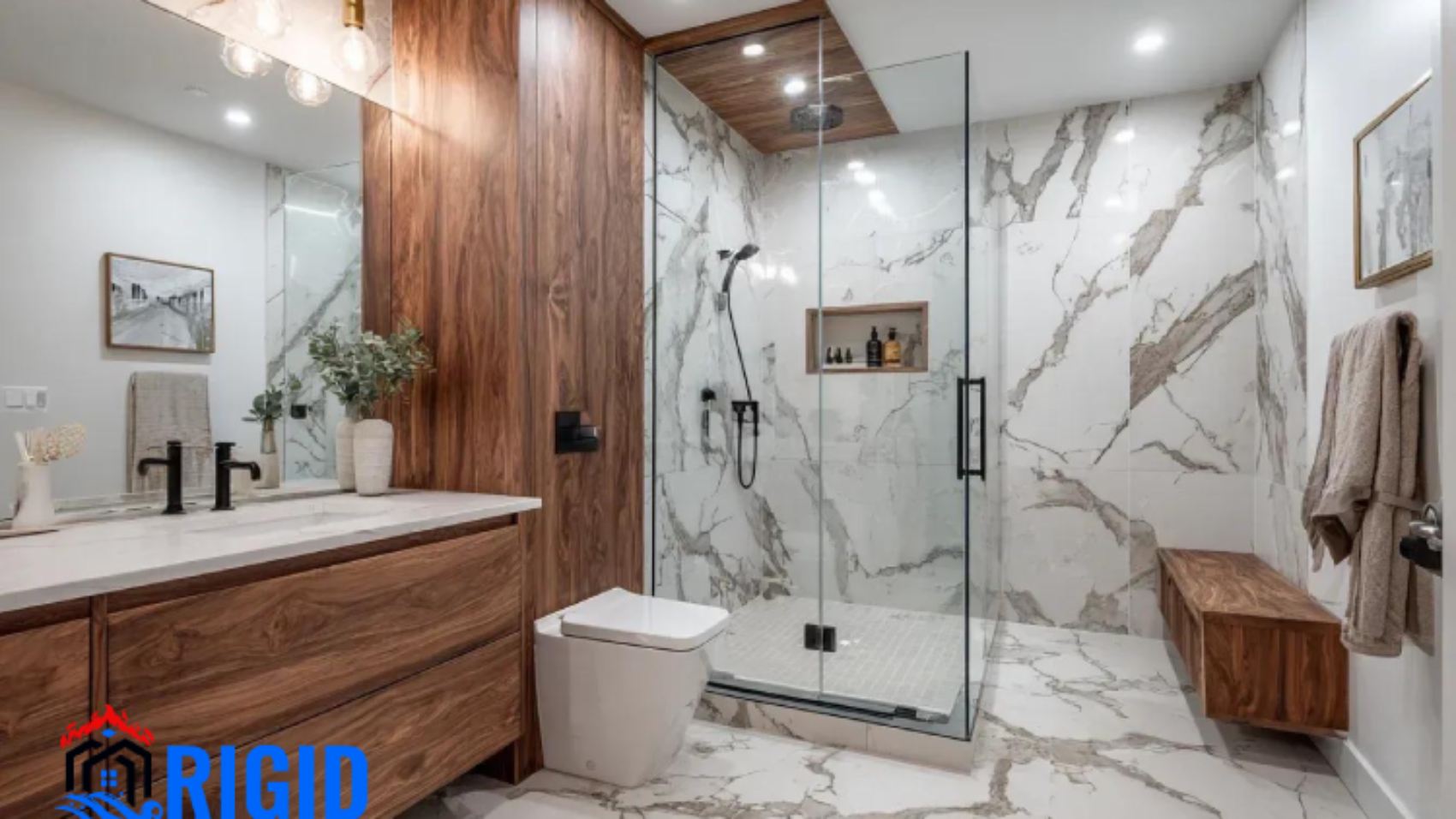
A bathroom renovation can make your home more comfortable, functional, and attractive. However, small planning mistakes can turn an exciting project into an expensive problem. Issues such as poor waterproofing, inefficient layouts, and unexpected costs often remain hidden until the renovation is complete.
The good news is that most of these problems can be avoided with proper planning and the right materials. Understanding the most common bathroom remodel mistakes before construction begins can help you save money, prevent future repairs, and achieve a bathroom that looks great and works well for years.
To make sure the bathroom remodeling company you consider is professional at its work, you can use our servies.
1. Underestimating the Importance of Waterproofing
Waterproofing is one of the most important parts of any bathroom renovation. Bathrooms are regularly exposed to moisture, steam, and splashing water, making floors, walls, and shower areas particularly vulnerable to water damage.
One of the most common bathroom remodel mistakes is assuming that tiles and grout provide sufficient protection against leaks. In reality, water can pass through grout joints and small cracks, eventually reaching the underlying structure.
Skipping the Waterproofing Membrane
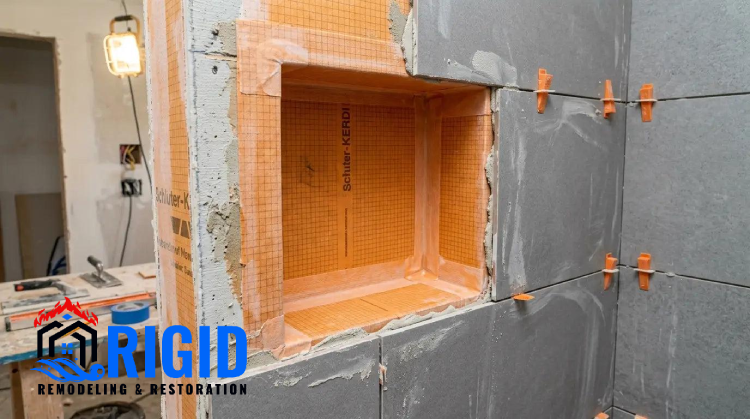
A suitable waterproofing membrane creates a protective barrier between moisture and the building structure. It should be installed in shower areas, floors, and other surfaces exposed to frequent water contact.
The membrane must be applied correctly, following the manufacturer’s instructions. Corners, joints, and pipe openings also require careful sealing to prevent water from entering vulnerable areas.
Ignoring Shower Drains and Corners
Shower corners, niches, and drain connections are common locations for leaks. These areas require compatible waterproofing materials and proper installation.
Before covering the surfaces with tiles, the waterproofing system should be inspected and tested where required. Fixing problems at this stage is much easier than repairing water damage after the bathroom is finished.
Read more: 12 Kitchen Remodel Mistakes That Blow Budgets
2. Choosing the Wrong Bathroom Layout
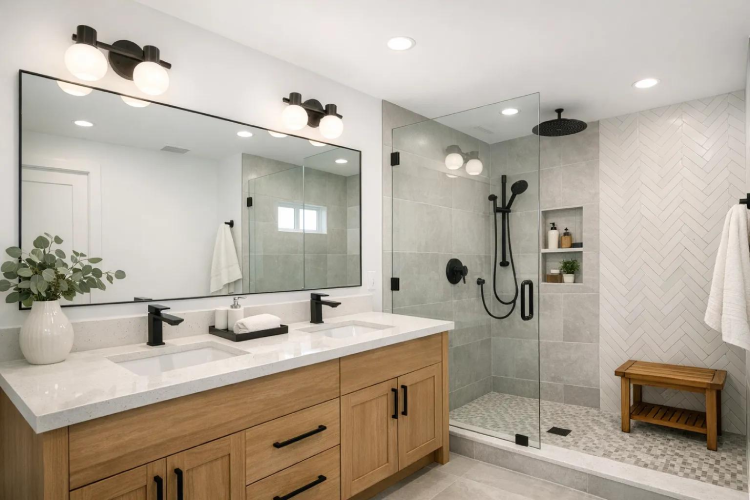
A beautiful bathroom is not necessarily a functional one. Poorly positioned fixtures, narrow walkways, and inconvenient door openings can make everyday activities uncomfortable.
Before choosing a design, homeowners should consider how much space is available and how each fixture will affect movement around the room.
Not Measuring the Space Properly
Accurate measurements are essential before purchasing a bathtub, toilet, shower enclosure, or vanity. Homeowners should consider fixture dimensions, door swings, cabinet openings, and the clearance needed for comfortable movement.
Ignoring these details can result in fixtures that do not fit properly or make the bathroom feel overcrowded.
Prioritizing Appearance Over Accessibility
A bathroom should remain comfortable and safe for everyone using it. Features such as slip-resistant flooring, curbless showers, wider entryways, and reinforced walls for future grab bars can improve accessibility.
Considering these features during the design stage is generally easier and more affordable than adding them later.
3. Setting an Unrealistic Remodeling Budget
Bathroom renovations often cost more than homeowners initially expect. Beyond tiles, faucets, and cabinets, expenses include labor, demolition, plumbing, electrical work, and waterproofing.
Failing to account for these costs is another major bathroom remodel mistake.
Forgetting Hidden Expenses
Removing old tiles or fixtures may reveal damaged subfloors, leaking pipes, mold, or deteriorated wall materials. These problems must be addressed before new finishes are installed.
A realistic budget should include both visible upgrades and necessary structural or technical work.
Not Having an Emergency Budget
It is generally advisable to reserve around 10% to 20% of the estimated renovation budget for unexpected expenses. Older bathrooms may require a larger contingency because hidden problems are more likely to appear during demolition.
Choosing the Cheapest Contractor
A low estimate does not always mean better value. Some contractors exclude important services or use lower-quality materials to reduce their initial prices.
Compare detailed written estimates, check previous projects, and verify relevant licenses and insurance. A clear contract should also explain the scope of work, payment schedule, materials, and warranties.
4. Ignoring Proper Bathroom Ventilation
Bathrooms naturally accumulate humidity, especially after showers and baths. Without proper ventilation, moisture can remain trapped and encourage mold growth, unpleasant odors, and damage to painted surfaces.
Installing an Undersized Exhaust Fan
An exhaust fan should be appropriately sized for the bathroom and connected to a duct that releases humid air outdoors. A weak fan may not remove enough moisture, particularly in larger bathrooms.
Homeowners should also avoid venting bathroom air directly into an attic or another enclosed space.
Not Using the Exhaust Fan Regularly
Even a properly installed fan cannot control humidity if it is rarely used. Running it during showers and for approximately 20 minutes afterward can help remove excess moisture.
Humidity-sensing fans and timer-controlled models can make ventilation easier to manage.
5. Choosing Unsuitable Bathroom Materials
Bathroom materials must withstand moisture, frequent cleaning, and temperature changes. Choosing finishes based only on appearance can lead to swelling, staining, and premature deterioration.
Using the Wrong Flooring and Wall Materials
Standard laminate flooring and ordinary drywall may not be suitable for areas exposed to frequent water. Porcelain tiles, appropriate ceramic tiles, and approved waterproof flooring systems are generally more practical options.
For shower walls, installers should use suitable tile backer boards or other approved substrates as part of a complete waterproofing system.
Ignoring Slip Resistance
Wet bathroom floors can become dangerous, particularly when polished materials provide insufficient traction.
Choose flooring designed for wet environments and check its slip-resistance rating. Smaller-format tiles can also be useful in shower areas when their layout provides better grip.
6. Changing the Plumbing Layout Without Planning
Moving a toilet, bathtub, or shower can improve the bathroom’s functionality, but it may significantly increase renovation costs.
Plumbing modifications can involve relocating drain lines, changing water supply connections, and opening walls or floors.
Not Checking Existing Drainage
Drainage systems require appropriate pipe sizes, slopes, and venting. Incorrect installation can cause slow drainage, unpleasant odors, and recurring blockages.
Before changing fixture locations, consult a qualified plumber to evaluate the existing system and confirm that the new layout is practical.
Ignoring Fixture Compatibility
New faucets, toilets, and shower systems may have different installation requirements from older models. Checking water connections, pressure requirements, and valve compatibility before purchasing fixtures can prevent unnecessary delays.
Read more: How Soon Should You Call a Water Mitigation Company?
7. Poor Lighting and Electrical Planning
Lighting affects both the appearance and functionality of a bathroom. Relying on a single ceiling light can create shadows and make everyday activities such as shaving or applying makeup more difficult.
Using Only One Light Source
A good lighting plan combines general ceiling lighting with task lighting around the vanity. Additional suitable lighting near the shower can improve visibility and comfort.
Overlooking Electrical Safety
Bathrooms require special electrical protection because of their exposure to moisture. Outlets and electrical fixtures must comply with local building and electrical codes.
GFCI-protected outlets are required in many bathroom locations under applicable electrical standards. A qualified electrician should handle installation and determine the appropriate safety requirements.
8. Following Trends Instead of Practical Design
Modern bathroom trends can make a renovation look impressive, but not every popular design choice is suitable for long-term use.
Homeowners should balance contemporary details with timeless materials and practical finishes.
Choosing High-Maintenance Materials
Natural stone and decorative surfaces can look beautiful but may require special cleaning or periodic sealing.
Before selecting materials, consider their maintenance requirements, resistance to water spots, and durability under everyday use.
Overusing Decorative Elements
Bold tiles, unusual colors, and elaborate finishes can overwhelm a small bathroom when used excessively.
Neutral surfaces combined with a few decorative details often create a more balanced design that remains attractive over time.
9. Forgetting About Storage and Everyday Convenience
A bathroom without sufficient storage can quickly become cluttered. Although cabinets and shelves may not be the most exciting part of a renovation, they have a major impact on everyday functionality.
Not Including Enough Storage Space
Vanity cabinets, mirrored medicine cabinets, recessed shower niches, and wall-mounted shelves can provide practical storage without taking up too much floor space.
The right solution depends on the bathroom’s dimensions and the number of people using it.
Ignoring Small Details
Homeowners should also plan where towels, toilet paper, cleaning products, and everyday toiletries will be stored. Considering these details before construction helps avoid inconvenient additions later.
10. Rushing the Remodeling Process
Bathroom remodeling involves several stages, and mistakes during one stage can affect the entire project. Rushing waterproofing, plumbing, or tile installation may compromise the quality of the finished bathroom.
Skipping Inspections and Tests
Before walls and floors are covered, plumbing connections should be checked for leaks, and waterproofing should be inspected and tested where appropriate.
These checks help identify problems before they become difficult and expensive to repair.
Ignoring Installation Instructions
Waterproofing membranes, adhesives, grout, and sealants have specific installation and curing requirements. Installing tiles before waterproofing materials have properly cured, for example, can affect the performance of the system.
Following manufacturer instructions and allowing sufficient drying time are essential for a durable renovation.
Bathroom Remodeling Mistakes and How to Avoid Them
Understanding common renovation problems makes it easier to prepare for construction and avoid unnecessary expenses.
| Common Mistake | How to Prevent It |
|---|---|
| Poor waterproofing | Install and test a complete waterproofing system. |
| Inefficient layout | Measure fixtures and plan clearances. |
| Unrealistic budget | Include labor and unexpected expenses. |
| Poor ventilation | Install a properly sized exhaust fan. |
| Unsuitable materials | Choose moisture-resistant products. |
| Plumbing mistakes | Consult a qualified plumber. |
| Poor lighting | Combine general and task lighting. |
| Insufficient storage | Plan cabinets and shelves early. |
| Rushed construction | Follow installation instructions and inspections. |
Final Thoughts
A successful bathroom renovation requires more than attractive tiles and modern fixtures. Waterproofing, ventilation, plumbing, layout, and budgeting all play important roles in the quality and durability of the finished space.
Avoiding common bathroom remodel mistakes starts with understanding the existing condition of the bathroom, choosing suitable materials, and working with qualified professionals. Homeowners should also allow enough time for inspections, installation, and proper curing.
By making informed decisions before construction begins, you can avoid expensive repairs and create a bathroom that is both functional and visually appealing for years to come.
Frequently Asked Questions
- What Is the Biggest Mistake to Avoid When Remodeling a Bathroom?
Poor waterproofing is one of the most serious bathroom renovation mistakes. Water can penetrate grout joints and unprotected surfaces, causing hidden leaks, mold growth, and structural damage. Installing a suitable waterproofing membrane and testing it before tiling can help prevent these problems.
- How Much Extra Money Should I Budget for Unexpected Renovation Costs?
Setting aside approximately 10% to 20% of the estimated renovation budget is a practical approach. This reserve can cover unexpected problems such as damaged subfloors, leaking pipes, mold, or additional electrical work discovered during demolition.
- Should I Replace Plumbing During a Bathroom Remodel?
Complete plumbing replacement is not always necessary. However, existing pipes, drains, and connections should be inspected. Damaged, corroded, or leaking components should be repaired or replaced before installing new fixtures.