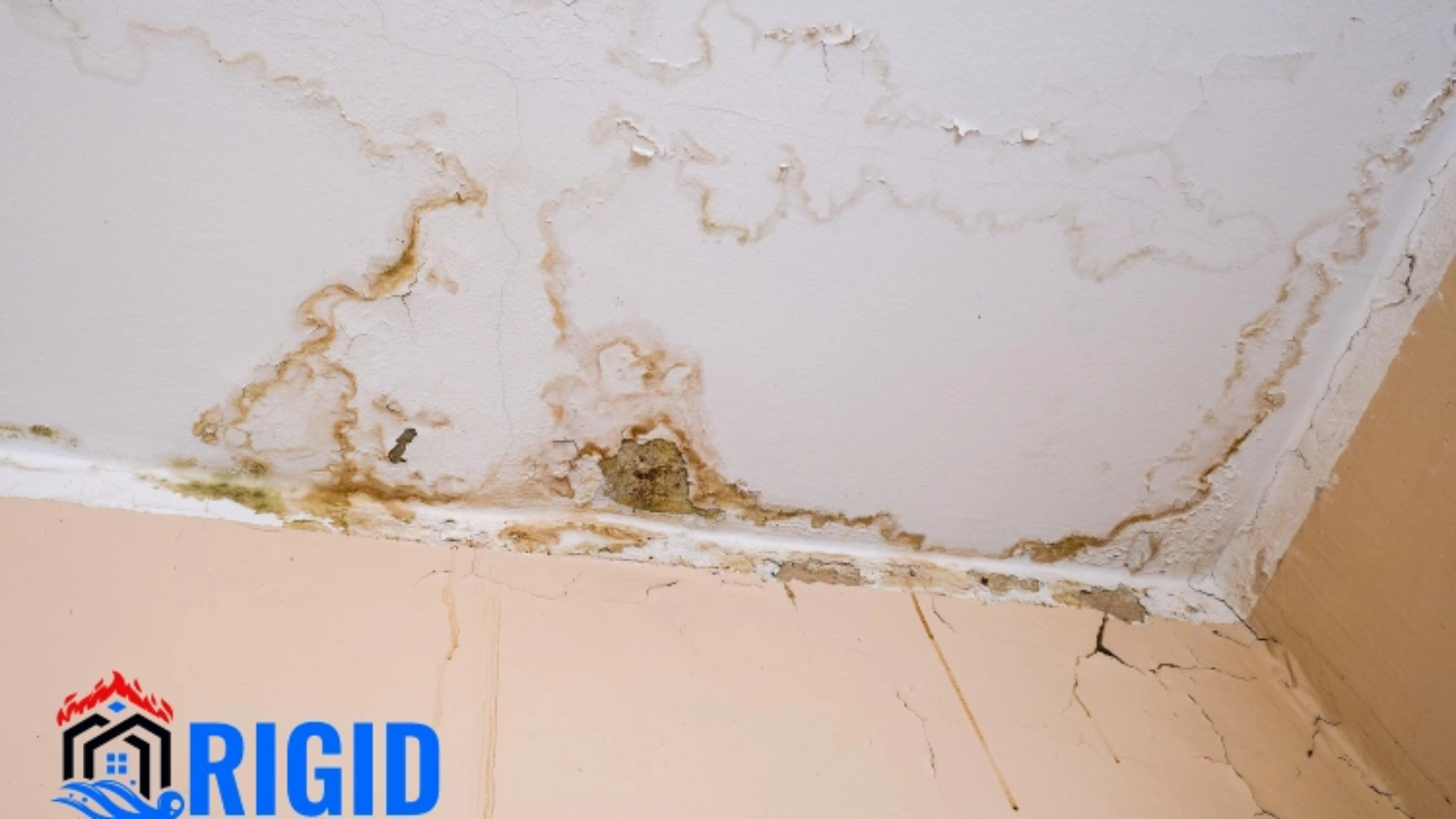
Older homes in San Diego have a certain charm that newer constructions often cannot replicate. From Spanish-style architecture to vintage wooden framing, these properties carry history within their walls. However, behind that beauty lies a growing concern that many homeowners overlook until it becomes a serious problem.
One of the most common issues is moisture intrusion. Over time, aging materials, outdated plumbing systems, and environmental exposure make these homes increasingly susceptible to leaks and hidden water damage.
Understanding Why Older San Diego Homes Are More Vulnerable to Water Damage is not just about maintenance—it’s about protecting long-term property value and preventing costly repairs that could have been avoided with early awareness.
In a coastal city like San Diego, where humidity, seasonal rains, and soil movement interact with aging infrastructure, the risk becomes even more significant. This article explores the key reasons behind this vulnerability and what homeowners can realistically do to stay ahead of the problem.
Why San Diego’s Climate Intensifies Water Damage Risks in Older Homes
Before diving into structural issues, it’s important to understand how San Diego’s unique climate contributes to moisture-related problems. Even though the region is known for its mild weather, the combination of coastal humidity and seasonal rainfall creates hidden stress on older buildings.
This environmental pressure slowly weakens materials over decades, which is one of the key reasons Why Older San Diego Homes Are More Vulnerable to Water Damage compared to newer constructions built with modern moisture barriers.
Coastal Humidity and Salt Air Exposure
Living near the Pacific Ocean means homes are constantly exposed to salty, moisture-rich air. Over time, this environment accelerates corrosion in metal pipes, window frames, and roofing nails. In older homes, where protective coatings may have worn off long ago, this process happens even faster.
The result is slow but continuous degradation. Moisture finds its way into small cracks and openings, eventually leading to hidden leaks inside walls and ceilings. This is a major contributing factor to Why Older San Diego Homes Are More Vulnerable to Water Damage, especially in coastal neighborhoods.
Seasonal Rainfall and Drainage Stress
Although San Diego is generally dry, seasonal rains can be intense and unpredictable. Older homes often have outdated drainage systems that were not designed to handle sudden heavy rainfall. Gutters may be undersized, and yard grading may have shifted over time.
When water cannot drain properly, it accumulates around the foundation. This leads to seepage into basements, crawl spaces, and lower walls. Repeated exposure to this cycle gradually weakens structural integrity and increases long-term repair costs.
Aging Infrastructure and Plumbing Systems in Older San Diego Homes
Another major factor contributing to moisture issues is the internal infrastructure of older homes. Plumbing systems that were installed decades ago were not designed for modern water usage demands or long-term durability.
Before exploring specific components, it’s important to recognize that outdated systems are a central reason Why Older San Diego Homes Are More Vulnerable to Water Damage.
Old Pipes and Corrosion Over Time
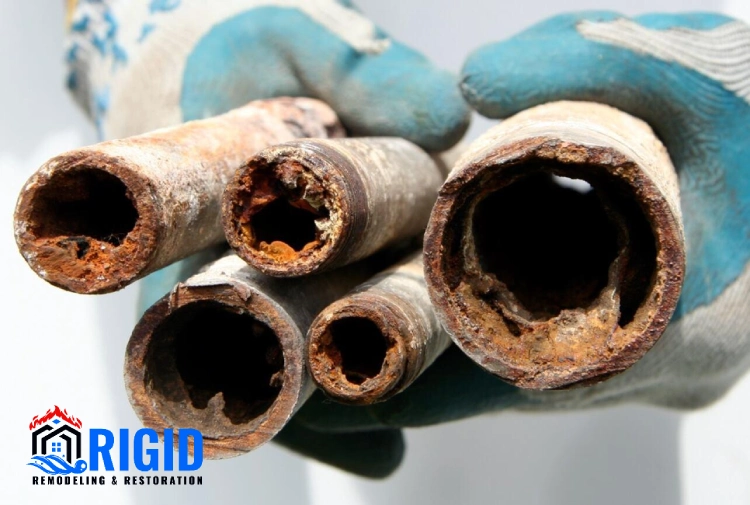
Many older San Diego homes still contain galvanized steel or copper pipes that have exceeded their intended lifespan. These materials corrode internally over time, reducing water flow and increasing the risk of leaks.
Small pinhole leaks often go unnoticed for months, slowly soaking surrounding materials like drywall and insulation. By the time visible damage appears, the repair is usually extensive. This hidden deterioration is a classic example of Why Older San Diego Homes Are More Vulnerable to Water Damage.
Outdated Waterproofing Materials
Modern homes are built with advanced waterproof membranes and vapor barriers, but older properties often rely on outdated or deteriorated materials. Tar-based sealants, for example, lose effectiveness after decades of exposure to heat and moisture.
Once these barriers fail, water intrusion becomes much easier, especially during heavy rains or plumbing leaks. The absence of modern waterproofing systems significantly increases long-term vulnerability.
Structural Vulnerabilities That Increase Water Damage Risk
Beyond plumbing and climate, the physical structure of older homes also plays a major role in water-related issues. Materials age, foundations shift, and small cracks develop over time.
Before breaking down specific structural weaknesses, it’s important to highlight how these issues collectively explain Why Older San Diego Homes Are More Vulnerable to Water Damage in a deeper architectural sense.
Foundation Cracks and Shifting Soil
San Diego’s soil composition includes clay and sandy layers that expand and contract depending on moisture levels. Over decades, this movement causes small shifts in home foundations.
Older homes are particularly vulnerable because their foundations were not always reinforced with modern stabilization techniques. Even minor cracks can allow groundwater to seep inside, leading to persistent dampness in lower levels of the home.
This slow infiltration is one of the most underestimated reasons Why Older San Diego Homes Are More Vulnerable to Water Damage.
Roof Deterioration Over Time
Roofs are one of the first lines of defense against water intrusion. However, older roofing materials such as clay tiles, asphalt shingles, or wood shakes degrade naturally with age.
Cracked tiles, missing shingles, and weakened underlayment allow rainwater to penetrate into attic spaces. Once moisture enters the roof structure, it can travel across beams and insulation, creating widespread damage that is often difficult to detect early.
How Maintenance Practices Influence Water Damage Risk
Even the best-built home will eventually suffer from water issues if maintenance is neglected. Unfortunately, many older homes do not receive the level of upkeep required to offset natural aging.
This lack of consistent maintenance is another important layer in understanding Why Older San Diego Homes Are More Vulnerable to Water Damage.
Neglected Inspections Over Time
Routine inspections are often skipped in older properties due to cost concerns or lack of awareness. However, small issues like hairline cracks, minor leaks, or gutter blockages can quickly escalate if left unchecked.
Regular inspections could prevent many of the problems that typically define Why Older San Diego Homes Are More Vulnerable to Water Damage, especially in homes over 30–50 years old.
Delayed Repairs and Compounding Damage
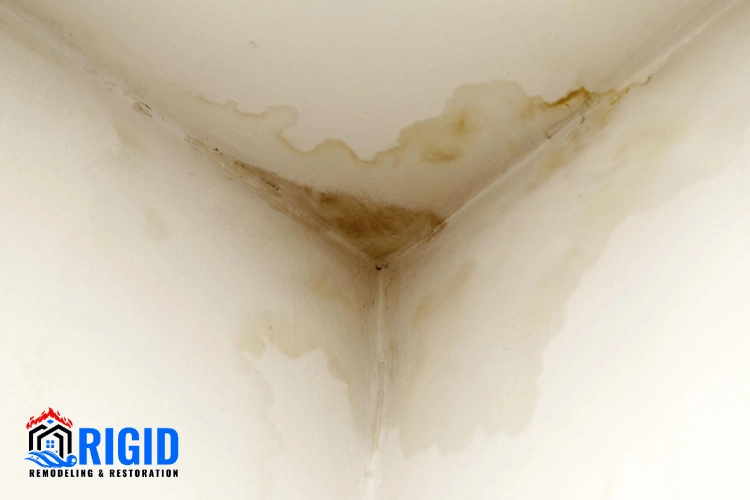
When minor leaks are ignored, water damage rarely stays minor. It spreads silently behind walls, under flooring, and into structural components. Over time, this leads to mold growth, wood rot, and even electrical hazards.
Delayed repairs are one of the most costly mistakes homeowners make, and they significantly increase the long-term vulnerability of aging properties.
Prevention Strategies for Homeowners
While the risks are real, they are not unavoidable. Homeowners can take practical steps to reduce exposure and protect their property from long-term moisture damage.
The first step is awareness of Why Older San Diego Homes Are More Vulnerable to Water Damage, followed by consistent preventive action.
Regular plumbing inspections, roof maintenance, and foundation checks can significantly reduce risk. Upgrading outdated materials, improving drainage systems, and installing modern waterproof barriers also provide long-term protection.
Even simple actions like cleaning gutters or sealing minor cracks can make a noticeable difference over time.
Conclusion
Understanding Why Older San Diego Homes Are More Vulnerable to Water Damage helps homeowners take proactive steps instead of reacting after damage has already occurred. Aging materials, climate exposure, and outdated systems all contribute to a slow but steady increase in risk.
However, with consistent maintenance and timely upgrades, these homes can remain safe, durable, and valuable for decades. The key is not to ignore the early warning signs and to treat small issues before they grow into expensive structural problems.
Frequently Asked Questions
- Why are older San Diego homes more prone to water damage than newer ones?
Older homes often have aging plumbing systems, outdated waterproofing, and weakened structural materials. Combined with San Diego’s coastal humidity and seasonal rains, these factors significantly increase moisture-related risks.
- What is the most common source of water damage in older homes?
The most common sources include leaking pipes, roof deterioration, and foundation cracks. These issues often develop slowly and remain hidden until significant damage has already occurred.
- Can water damage in older homes be prevented completely?
While it cannot be fully eliminated, regular maintenance, timely repairs, and system upgrades can drastically reduce the risk and prevent major structural damage.
- How often should older homes in San Diego be inspected?
Ideally, older homes should be inspected at least once a year for plumbing, roofing, and foundation integrity. Coastal properties may require even more frequent checks due to higher moisture exposure.