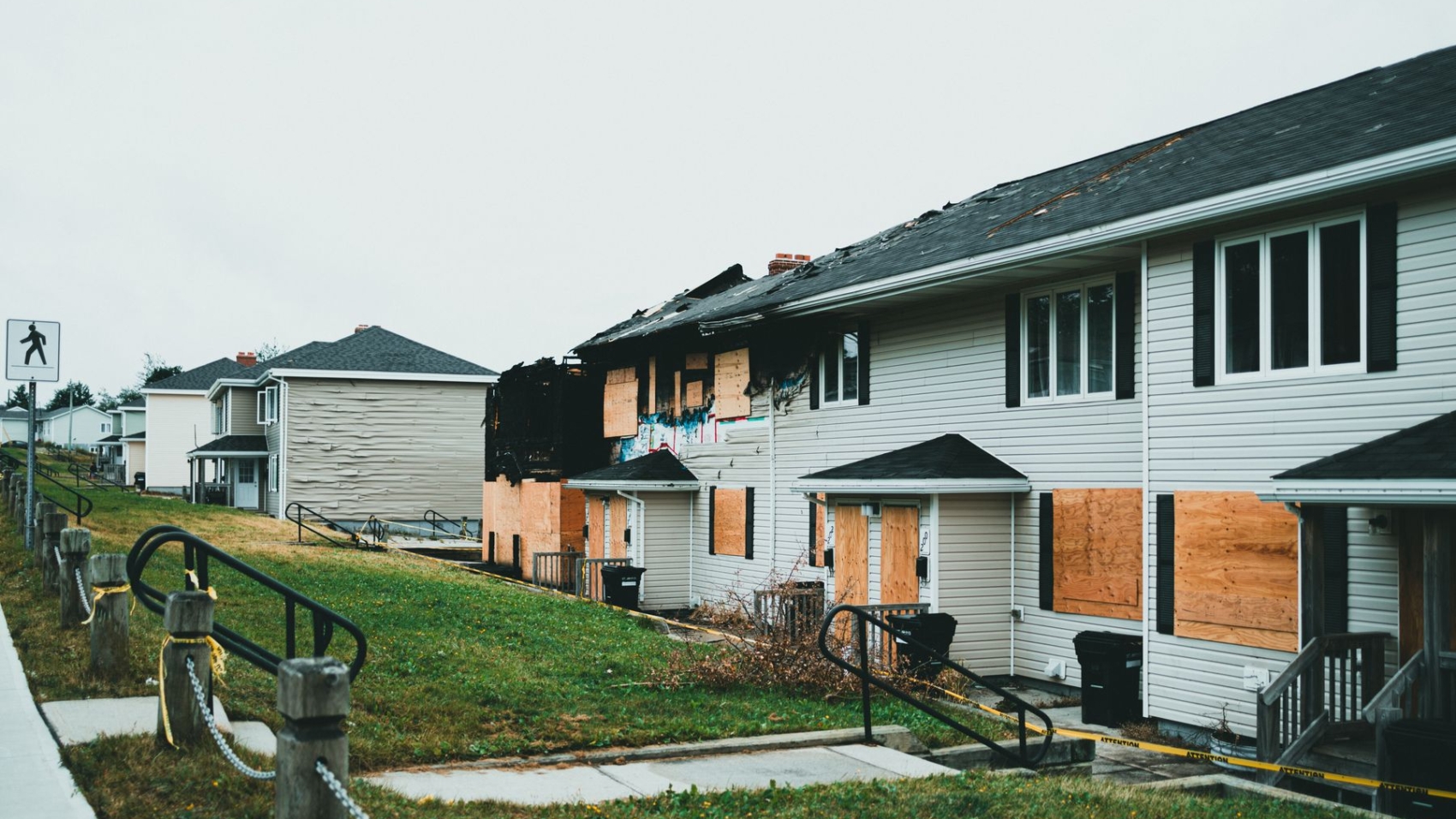
Fire moves fast, and recovery should, too. Have flames, smoke, or firefighting water affected your San Diego home? You’re probably wondering what restoration will actually cost, what your insurance may cover, and how long it will take to make the space safe and livable again. The short answer: it depends on the damage, hazards found on site, and the scope of repairs the city will permit.
This guide breaks down realistic price ranges, local rules that affect your budget, how pros estimate work, and simple steps to control costs without cutting corners. You will also see examples that mirror common local scenarios so you can benchmark your own quote with confidence.
Because fire recovery often involves smoke cleanup, water extraction, drying, odor control, and rebuilding, our restoration plan can address the entire loss, not just the burned area.
TL;DR
- Fire restoration costs vary widely. National benchmarks range from the low thousands to tens of thousands of dollars, while major structural rebuilds can reach six figures. Labor, materials, permits, hazard testing, and rebuild scope can move a quote above or below those averages.
- If suppression water, sprinklers, or fire hoses affected the home, include water-damage restoration, drying, and mold-prevention steps in the estimate, not just soot cleaning.
- Smoke-only cleanup costs far less than structural rebuilds. Hazardous materials testing, permits, and after-hours emergency work drive up costs.
- California homeowners’ policies often cover dwelling, contents, and Additional Living Expenses. Insurers must decide on your claim within 40 days after receiving proof of claim.
- Expect permits for structural repairs and an asbestos survey before many renovations or demolitions. Choose a licensed contractor.
- Get two detailed, line-item estimates and compare the scope. This may include emergency dry-out, soot removal, deodorizing, contents handling, hazard testing, permits, and rebuild work, which should be clearly separated.
Typical San Diego Fire Damage Restoration Costs
Every fire is different, yet many fire and smoke restoration projects are in the low-thousands to tens-of-thousands range. Limited smoke cleanup sometimes costs less, and major structural rebuilds reach six figures. Your final price depends on what must be cleaned, dried, removed, tested, permitted, rebuilt, and documented for insurance.
Rigid Remodeling and Restoration Inc. can help separate the estimate into practical categories. This may include emergency water extraction and drying, smoke and soot cleaning, odor control, demolition, and reconstruction. This lets you see what requires mitigation, what needs repair, and what may require insurer review.
What Drives Cost Here
A clear view of these specific cost drivers helps you anticipate exactly where your money goes during a recovery project. This knowledge helps protect you from unexpected fees so that you can plan your finances with peace of mind.
For homes in the broader San Diego area, Rigid can prepare a line-by-line repair scope that separates emergency services, cleaning, drying, rebuilding materials, and insurance documentation, making the estimate easier to review.
- Extent and type of damage: Cleaning light soot and deodorizing is usually cheaper than removing charred materials, replacing framing, repairing drywall, or coordinating electrical and plumbing work. Typical line items may include water extraction and drying, soot removal, odor control, debris removal, contents handling, selective demolition, and build-back.
- Hazardous materials and testing: San Diego County APCD rules may require an asbestos facility survey before regulated renovation or demolition work, depending on the property type and scope of work.
- Permits and inspections: Structural repairs often require building permits and inspections, which add time and fees and may require code-compliant upgrades during the rebuild.
- Contents handling: Pack-out, cleaning, and storage of salvageable belongings add separate cost lines.
- Access and urgency: Attics, crawl spaces, and after-hours emergency response increase labor hours.
What to Expect: Estimated Costs and Timelines for Local Fire Recovery
Use these scenarios as planning examples, not guaranteed prices. The actual number should come from an inspection, moisture readings when suppression water is present, soot/residue evaluation, and a repair scope tied to local permit requirements.
| Factor | Light smoke cleanup, no structural damage | One-room fire with localized rebuild | Multi-room or structural fire |
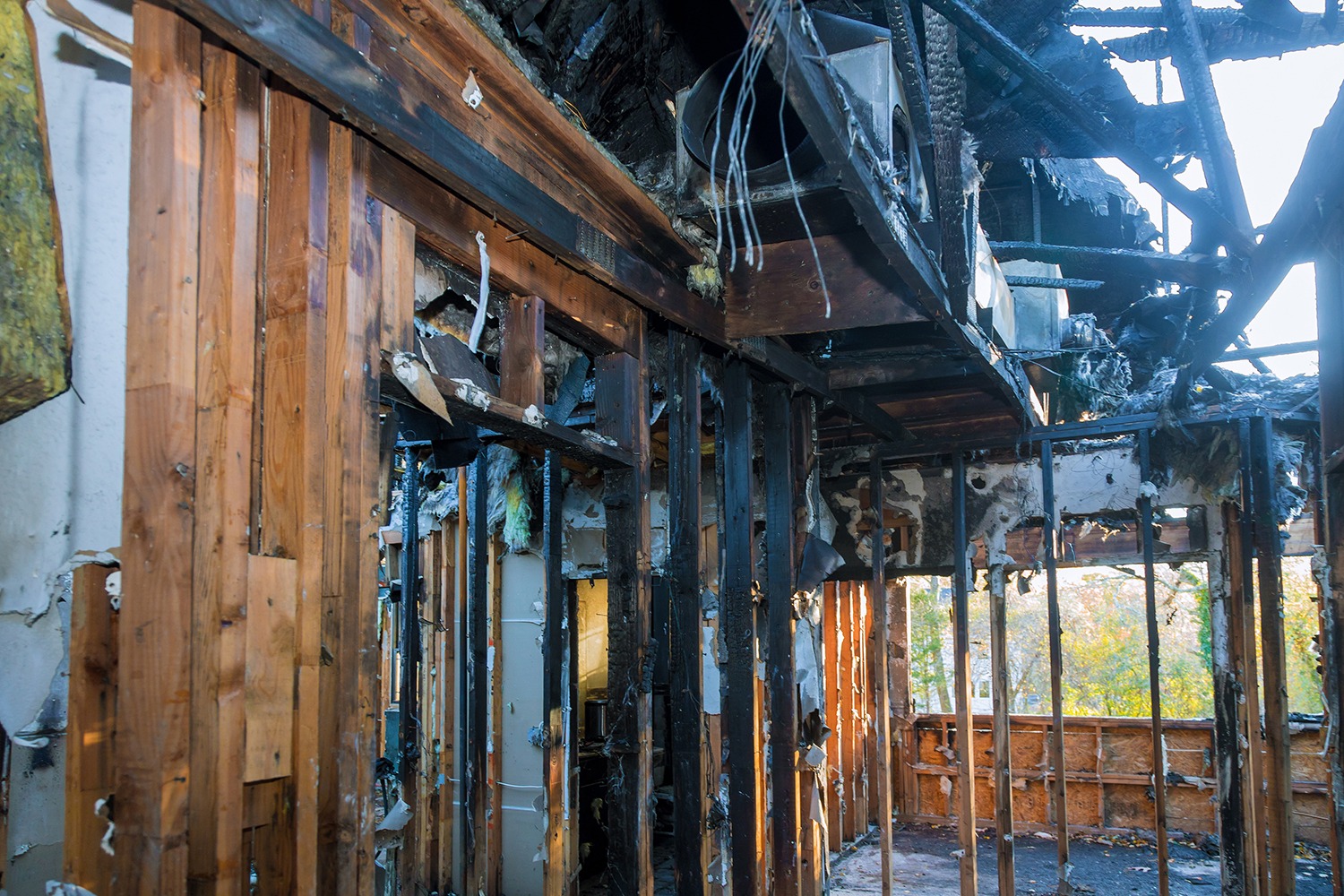
| What it includes | Soot wipe-down, HEPA vacuuming, spot sealing, odor treatment selected for the residue type, and used only under appropriate safety controls, optional duct cleaning as needed | Debris removal, drying, soot removal, odor control, replace drywall/insulation/finishes in affected room, electrical checks, water extraction/drying if suppression water affected nearby flooring, walls, or cabinetry | Extensive demolition, framing, roof or truss work, electrical/plumbing rebuild, asbestos/lead evaluation and abatement if required, contents pack-out and storage |
| Typical cost range | ~$800 to $3,500 | ~$12,000 to $50,000 | ~$60,000 to $180,000+ |
| Typical timeline | 1 to 5 days | 1 to 6 weeks | 2 to 6+ months |
| Insurance likelihood | Commonly covered if fire is a covered peril | Often covered, subject to policy limits/deductible | Often covered, but limits and scope drive out-of-pocket costs |
These ranges combine national cost benchmarks with common project variables. Your actual scope, materials, permits, hazard findings, and insurance approvals will affect the final number.
How Pros Price the Job
Reputable restoration firms use a documented scope that covers assessment, cleaning, odor management, drying when water is present, photos, measurements, and repair documentation.
On-site, a project manager scopes each area, tests materials as needed, and writes a line-item estimate that covers mitigation first (stabilize, dry, clean, deodorize), then repairs. Expect separate pricing for:
- Emergency services: Board-up, water extraction, drying equipment.
- Cleaning: Soot removal, detailed wipe-downs, HEPA vacuuming, selective encapsulation.
- Odor control: Source removal, cleaning, sealing when appropriate, and deodorizing methods selected based on the residue type. Ozone should only be used by trained professionals in unoccupied spaces with proper ventilation and safety controls.
- HVAC: Cleaning only as needed when evidence supports it.
- Repairs: Drywall, framing, cabinets, flooring, paint, electrical, plumbing, or other rebuild work as required by the local building department.
- Hazard testing/abatement: Asbestos survey or sampling when required by San Diego County APCD rules, any required notifications, and lead-safe practices for applicable pre-1978 painted surfaces.
- Contents: Inventory, pack-out, cleaning, storage, and pack-back.
What Insurance Usually Covers in California
Grasping your policy entitlements provides a sense of security during a stressful period by clarifying how your policy keeps you afloat.
- Dwelling and contents: Homeowners policies typically cover direct fire and smoke damage to the structure and personal property, subject to limits, deductibles, and exclusions.
- Additional Living Expenses (ALE): If a covered fire makes your home uninhabitable, ALE may reimburse reasonable extra costs such as temporary housing, added meal costs, utility setup, storage, furniture rental, and extra transportation, subject to your policy. For losses tied to a declared state of emergency, California provides additional ALE time protections, although policy dollar limits can still apply.
- Claim timelines: After receiving proof of claim, California regulations generally require the insurer to accept or deny the claim, in whole or in part, within 40 calendar days, or send written notice explaining why more time is needed and continue updates every 30 days. Once a claim is accepted, payment is generally due within 30 calendar days, unless an exception applies.
We can prepare a detailed repair scope, photos, measurements, and estimate documentation for your insurer or adjuster, helping clarify what damage was found and what repairs are needed. Coverage decisions, policy interpretation, and claim settlement remain between you, your insurance company, and any licensed public adjuster or attorney you choose to involve.
Local Rules That Affect Your Budget
Staying informed about these guidelines keeps your recovery on track and safeguards your investment.
- Permits: Depending on where the home is located, Carlsbad, City of San Diego, or an unincorporated area, the local building department may require permits for structural, electrical, plumbing, mechanical, and major repair work. Cosmetic repairs may be exempt, but fire damage often uncovers hidden framing, wiring, drywall, insulation, or system repairs that need inspection.
- Asbestos: APCD Rule 1206 applies to certain renovation, demolition, and asbestos-removal work. Some single-family and small residential remodels may be exempt. However, regulated facilities and larger disturbance areas can require a facility survey regardless of age, along with proper handling and notification when regulated asbestos-containing material (RACM) is involved.
- Lead-safe practices: For paid contractors working in pre‑1978 homes or child‑occupied facilities, EPA’s Renovation, Repair and Painting (RRP) Rule requires firm and renovator certification and lead-safe work practices when disturbing painted components.
- Licensing: California’s minor-work exemption is limited and doesn’t apply when permits are required or when the project involves hired workers. Because fire restoration often involves demolition, cleaning, drying, specialty trades, and rebuild work, homeowners should verify a contractor’s licensing, insurance, and the scope of repairs before work begins.
A Carlsbad-based restoration and remodeling contractor can help identify:
- Which local department has jurisdiction
- Which repairs may need permits
- Which parts of the scope require specialty testing or trade work before the rebuild begins
Examples
Real-life scenarios give you a tangible perspective on how similar properties recovered from unexpected disasters.
Small Kitchen Flare-Up in a 1,600‑Sq‑Ft Home
A stovetop fire fills the kitchen and hallway with light soot. No drywall burns; cabinets are salvageable. The crew performs HEPA vacuuming, wet cleaning, spot sealing, and thermal fogging; the ducts are inspected but not cleaned because no debris is present.
The total comes in at around the low-to-mid-thousands, and the work takes 3 to 5 days. The insurer covers cleanup and deodorizing, and ALE pays for two nights in a hotel.
Garage Fire With Attic Damage
An electrical short ignites a storage fire in an attached garage, scorching the rafters and pushing smoke into the bedrooms. The city requires permits, and the APCD asbestos survey precedes demolition. The scope includes selective framing replacement, roof sheathing in one section, smoke cleaning throughout, ozone treatment, contents pack‑out, and short‑term storage.
The job runs into the mid‑five to low‑six figures and takes 8 to 12 weeks from mitigation through final inspection. ALE covers temporary housing and extra mileage while repairs proceed.
Actionable Steps / Checklist
Use this checklist to protect your family, limit secondary damage, and make the claim and repair process easier to document.
- Make it safe: Call the fire department if smoke reappears. Shut off utilities if advised. Don’t re‑energize power or gas on your own.
- Start your claim: Report the loss, get a claim number, and ask where to email photos and receipts. Document every room before cleanup.
- Ask for a combined damage review: Have the restoration team look for soot, smoke odor, suppression-water damage, wet insulation, damaged flooring, affected cabinetry, and early mold risk before cleanup begins.
- Choose qualified help: Shortlist restoration contractors that can document fire, smoke, water, and rebuild needs. Verify California contractor licensing, liability insurance, and workers’ compensation coverage.
- Expect testing: Ask about the required asbestos survey and whether lead‑safe practices apply for pre‑1978 areas. Clarify who pays and when.
- Get two detailed estimates: Compare the scopes line by line, including emergency services, deodorizing method, duct-cleaning criteria, abatement, repairs, and contents handling.
- Coordinate permits: Confirm which local jurisdiction applies to your property and whether the contractor will prepare plans, pull permits, schedule inspections, and budget permit fees.
- Separate must-do repairs from upgrades: Do you want to improve cabinets, flooring, tile, or layout during the rebuild? Separate insurance-related restoration from optional remodeling choices so the budget stays clear.
- Track ALE: Keep receipts for lodging, meals above normal, storage, and extra commuting costs. Send copies to your adjuster regularly.
- Lock in the schedule: Ask for a written timeline that separates mitigation from repairs. Confirm who packs out and who stores contents.
- Inspect before closeout: Request odor verification, documentation photos, abatement clearances (if any), and permit finals before the final payment.
- Keep records: Save contracts, change orders, estimates, lab results, inspection cards, and correspondence with insurers.
Glossary
Learning standard industry terms helps you communicate confidently with adjusters and contractors throughout the recovery process.
- IICRC: Industry group that publishes standards for cleaning and restoration; firms often train on its fire and smoke protocols.
- Thermal Fogging: A deodorizing method that uses a heated fog to reach porous surfaces and neutralize smoke odors.
- Ozone Treatment: A deodorizing method sometimes used by trained professionals in unoccupied spaces under controlled conditions; it shouldn’t replace source removal, soot cleaning, or proper ventilation.
- Pack‑Out: Inventorying, removing, cleaning, storing, and returning salvageable personal belongings.
- RACM: Regulated Asbestos‑Containing Material that must be handled and removed under specific rules.
- ALE: Additional Living Expenses coverage that reimburses extra costs when your home isn’t livable after a covered loss.
- Proof of Claim: Documentation that an insurer needs to evaluate your loss starts the 40‑day decision clock in California.
- Duct Cleaning As Needed: HVAC and ducts should be inspected after a fire, but cleaning should be based on visible soot, debris, contamination, or material being released, and not done automatically after every smoke event.
FAQ
Q: Does homeowners’ insurance cover smoke damage?
A: Homeowners’ insurance usually covers smoke damage when the fire is a covered peril, although deductibles, policy limits, and exclusions apply. Ask your adjuster to confirm in writing.
Q: Do I need a permit for fire repairs in San Diego?
A: If repairs involve structural, electrical, plumbing, mechanical, or major rebuild work, your local building department may require permits and inspections. This depends on whether the home is in Carlsbad, the City of San Diego, or another city.
Q: Should I clean my ducts after a fire?
A: It’s not ideal to automatically clean ducts after a fire. Have the HVAC system inspected first, then clean ducts only if there’s evidence of soot, debris, contamination, or material being released into the home.
Q: How long does restoration take?
A: Light smoke jobs can wrap in days. Structural repairs can run weeks to months once permits, abatement, and inspections are factored in.
Q: Can I use an unlicensed handyperson to save money?
A: California allows unlicensed work only under $1,000 with no permits or employees. Fire restoration typically exceeds that and needs permits, so hire a licensed contractor.
Final Thoughts
While you don’t control when a fire starts, you can control the recovery plan. Start with safety, document the damage, separate emergency mitigation from rebuild work, confirm permit and hazard-testing requirements, and keep your insurer updated with organized photos, receipts, and repair documentation.
San Diego and South Orange County homeowners can book Rigid Remodeling and Restoration Inc. to assess fire, smoke, and suppression-water damage from suppression. Our restoration specialists can also outline the scope of repairs, support insurance documentation, and plan the rebuild work needed to make the space livable again.