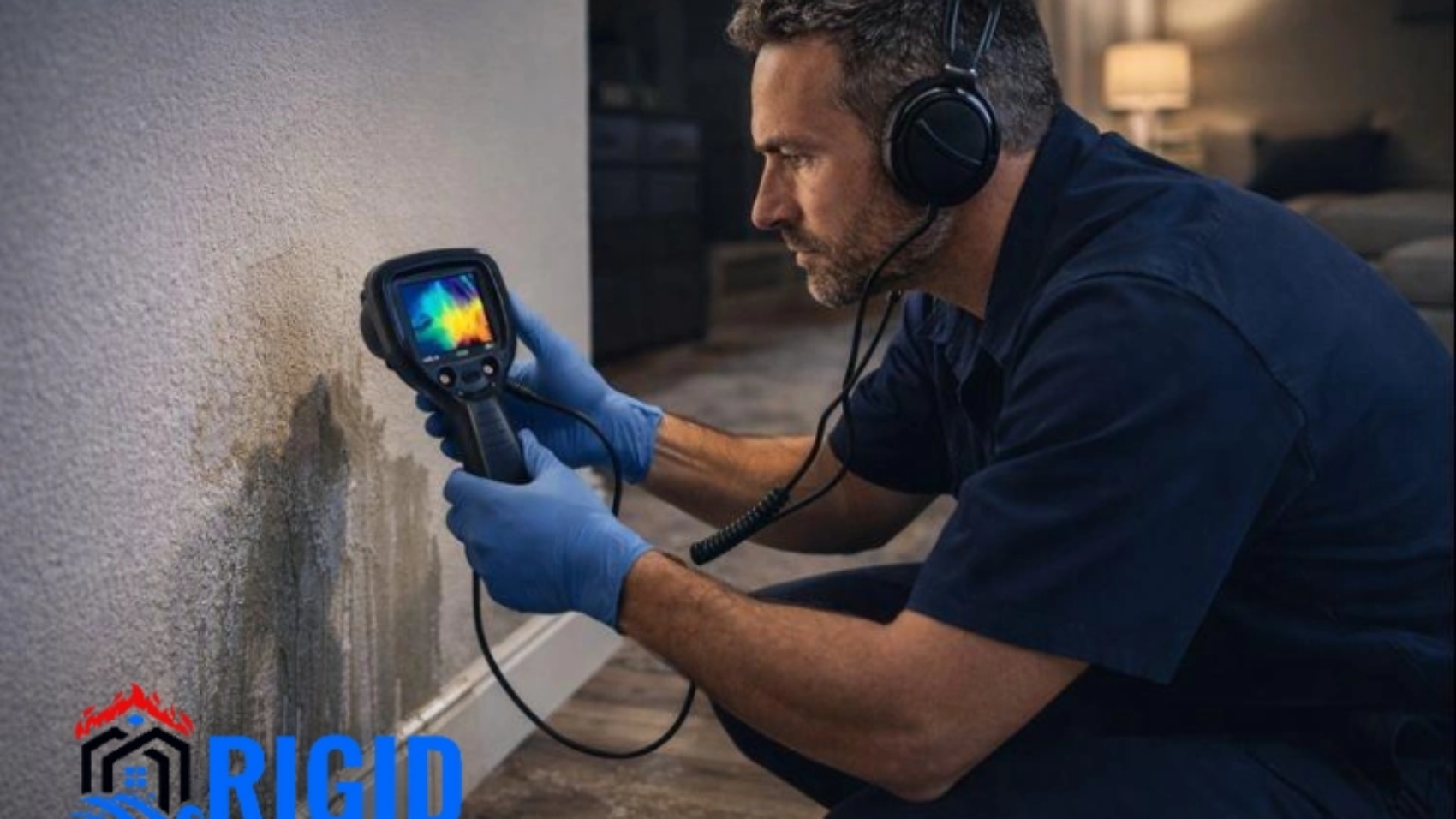
Water damage in homes and commercial buildings is often more extensive than it appears. While visible leaks and puddles indicate immediate problems, much of the damage can remain hidden behind walls, under flooring, or in ceilings. Detecting hidden water damage early is critical to prevent structural deterioration, mold growth, and costly repairs. Infrared technology, also known as thermal imaging, is a powerful tool used by restoration professionals to identify concealed water intrusion and assess its severity accurately.
What Is Infrared Technology?
Infrared technology uses thermal imaging cameras to detect variations in temperature on surfaces. These cameras translate heat patterns into visible images, allowing professionals to identify areas with unusual thermal readings. In the context of water damage, moisture-laden areas typically exhibit cooler temperatures than dry surrounding materials. By visualizing these differences, restoration specialists can pinpoint hidden leaks and water-saturated areas without invasive inspections.
Why Hidden Water Damage Is a Problem
Water can seep into walls, floors, ceilings, and insulation, often unnoticed by property owners. Hidden water damage can lead to:
- Structural Weakening: Prolonged moisture exposure weakens wood, drywall, and metal supports.
- Mold Growth: Mold can develop within 24-48 hours in damp conditions, posing health risks.
- Electrical Hazards: Water can compromise wiring, outlets, and electrical systems, creating fire risks.
- Increased Repair Costs: Undetected water leads to larger damage areas, making restoration more expensive.
Traditional inspection methods often rely on visible signs like discoloration or warping, which may appear only after significant damage has occurred. Infrared technology allows early detection, preventing hidden water from causing major problems.
How Infrared Technology Works for Water Detection
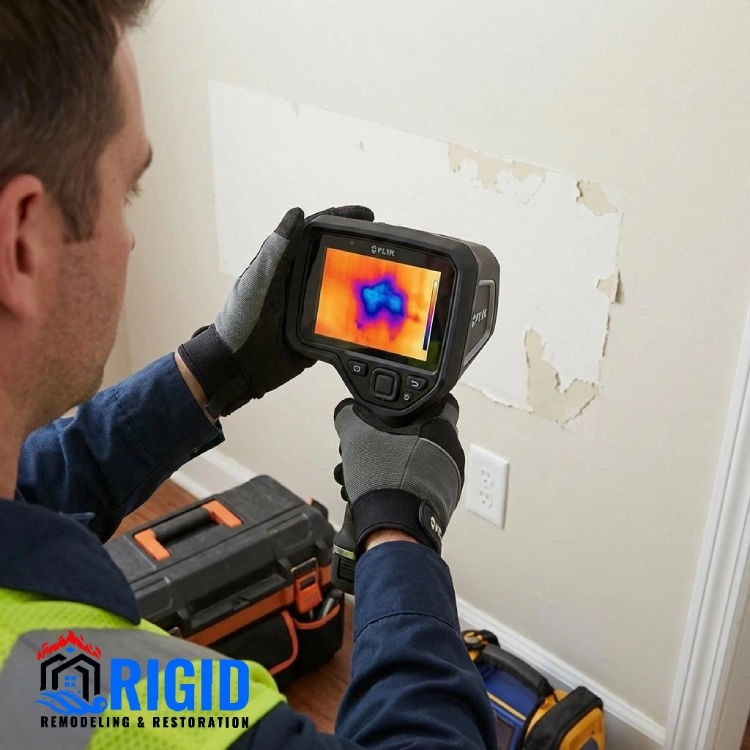
Infrared cameras detect infrared radiation emitted by objects and convert it into a thermal image. Water retains and dissipates heat differently than dry materials. Moist areas tend to cool more slowly or appear darker in thermal images, signaling the presence of water or high moisture content.
The process typically involves:
- Initial Scanning: Professionals scan walls, floors, ceilings, and other suspect areas with the infrared camera.
- Identifying Temperature Anomalies: Areas with abnormal thermal readings are marked as potential water damage zones.
- Confirming Moisture Levels: Moisture meters are often used alongside thermal imaging to verify and quantify the water content.
- Mapping the Damage: Infrared technology helps create a detailed map of affected areas, guiding targeted restoration efforts.
Advantages of Using Infrared Technology
- Non-Invasive: Infrared scans do not require cutting into walls or removing flooring to locate moisture.
- Fast and Efficient: Large areas can be scanned quickly, reducing inspection time and cost.
- Accurate Detection: Early detection of hidden moisture allows for precise intervention, limiting structural damage.
- Supports Insurance Claims: Thermal imaging provides clear evidence of hidden water damage, facilitating insurance documentation and claims.
Applications in Residential and Commercial Properties
Infrared technology is widely used in both homes and commercial buildings:
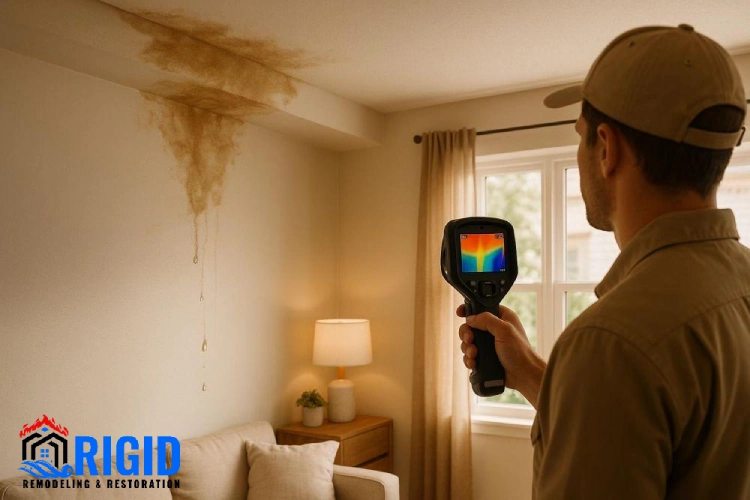
- Residential: Detecting roof leaks, plumbing failures, HVAC condensation, and foundation moisture before visible damage occurs.
- Commercial: Scanning large buildings, warehouses, or office complexes for leaks, water intrusion, and moisture accumulation that could compromise business operations.
Preventing Secondary Damage With Infrared Technology
One of the most important benefits of infrared water detection is the prevention of secondary damage. Early identification of hidden water enables prompt mitigation, which prevents:
- Mold Infestation: Early drying reduces mold growth and contamination.
- Structural Compromise: Prompt restoration protects wood, drywall, and insulation from long-term damage.
- Cost Escalation: Detecting water early minimizes repair scope, saving significant restoration costs.
Integration With Professional Water Restoration Services
Infrared technology is typically used by certified water restoration specialists as part of a comprehensive water damage assessment. These professionals combine thermal imaging with moisture meters, hygrometers, and specialized drying equipment to ensure thorough detection and remediation.
By using infrared technology, restoration teams can create a targeted action plan that addresses all affected areas efficiently, reducing downtime and preventing further damage to the property.
Conclusion
Hidden water damage poses a serious threat to both residential and commercial properties. Infrared technology allows professionals to detect moisture behind walls, under floors, and in ceilings before visible signs appear. Early detection using thermal imaging prevents mold growth, structural damage, and costly repairs, while also supporting insurance claims with accurate documentation.
FAQs
1. How does infrared technology detect hidden water damage?
Infrared technology uses thermal imaging cameras to identify temperature differences behind walls, ceilings, and floors. Moisture typically causes cooler areas compared to dry surfaces, allowing professionals to detect hidden water damage without opening up structures.
2. Is infrared water damage detection accurate?
Yes, infrared detection is highly accurate when used by trained professionals. While it doesn’t directly “see” water, it identifies temperature variations that strongly indicate moisture presence, making it a reliable non-invasive diagnostic tool.
3. Can infrared cameras find water leaks behind walls?
Infrared cameras can help locate potential leaks behind walls by highlighting unusual thermal patterns. However, they are often used alongside moisture meters to confirm the presence and extent of water damage for precise results.