Water intrusion is a critical concern for property managers, especially in commercial and multi-unit residential buildings. When water infiltrates a property, it can damage the structure, compromise safety, and lead to costly repairs. Understanding how water enters buildings, recognizing early signs, and implementing proactive measures are essential for effective water intrusion management.
Understanding Water Intrusion
Water intrusion occurs when unwanted water enters a building through leaks, cracks, or structural vulnerabilities. It can result from heavy rainfall, plumbing failures, roof leaks, or foundation issues. Left unchecked, water intrusion can damage walls, ceilings, floors, electrical systems, and HVAC equipment, posing risks to both the building and its occupants.
Property managers must understand that water intrusion is not always visible immediately. Moisture can penetrate walls, ceilings, and subflooring without obvious signs, creating hidden risks such as mold growth, structural weakening, and long-term deterioration.
Common Causes of Water Intrusion
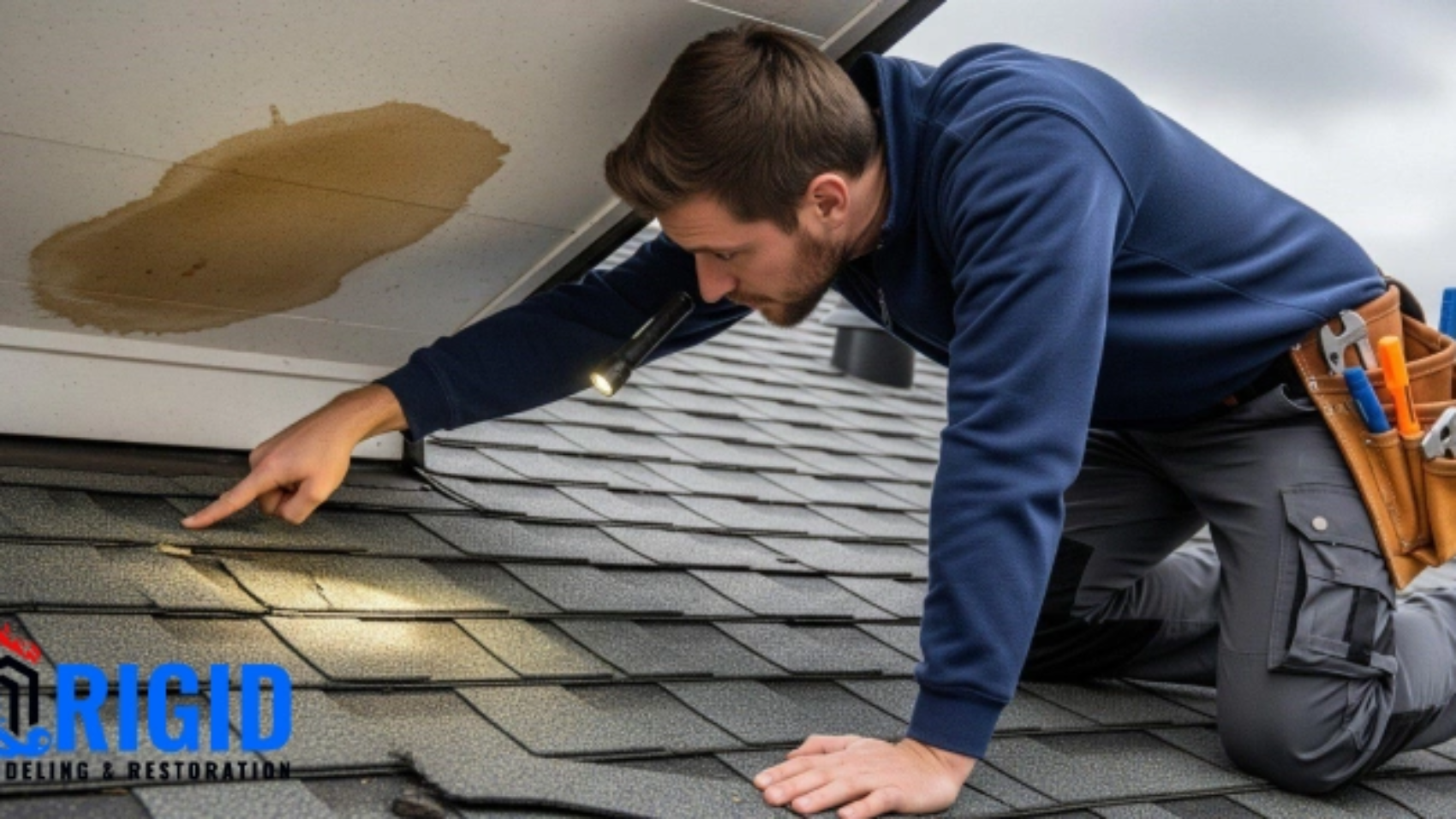
- Roof and Gutter Problems: Damaged shingles, clogged gutters, or inadequate drainage can allow rainwater to seep into the building.
- Plumbing Failures: Burst pipes, leaking valves, and failed appliances can introduce water into walls, floors, or ceilings.
- Foundation and Structural Cracks: Water can enter through cracks in foundations, basements, or exterior walls.
- HVAC and Condensation Issues: Poorly maintained HVAC systems can create condensation that accumulates and damages building components.
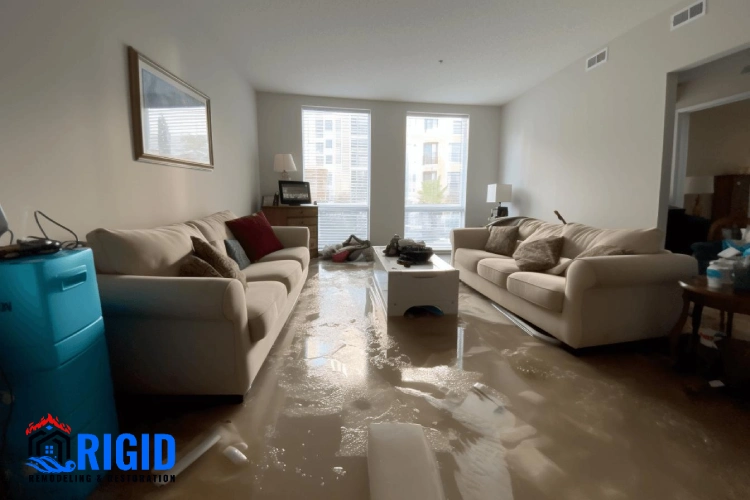
- Flooding: Heavy rainfall or nearby water sources can lead to floodwaters entering properties.
The Risks of Ignoring Water Intrusion
Failure to address water intrusion promptly can lead to:
- Structural Damage: Water weakens wood, corrodes metal, and damages concrete, compromising the building’s integrity.
- Mold and Mildew: Moist environments promote mold growth, which can cause health issues for occupants and lead to expensive remediation.
- Electrical Hazards: Water exposure can compromise electrical wiring and systems, increasing fire risk.
- Decreased Property Value: Persistent water intrusion issues can lower property value and make it difficult to lease or sell units.
Early Signs of Water Intrusion
Property managers should be vigilant for signs that indicate water intrusion:
- Stains or discoloration on ceilings or walls
- Peeling paint or wallpaper
- Musty odors indicating mold or mildew
- Warping or buckling floors
- Increased humidity in specific areas
- Drips or puddles around appliances or plumbing
Detecting water intrusion early allows for timely intervention, reducing the potential for widespread damage.
Proactive Measures for Property Managers
Effective water intrusion management requires proactive measures:
- Regular Inspections: Conduct routine inspections of roofs, plumbing systems, foundations, and HVAC equipment.
- Maintenance of Drainage Systems: Ensure gutters, downspouts, and storm drains are clear and functional.
- Seal Structural Vulnerabilities: Repair cracks, gaps, and leaks in the building envelope promptly.
- Monitor Humidity Levels: Use sensors or dehumidifiers to control indoor moisture and prevent mold growth.
- Emergency Response Planning: Develop a plan for rapid mitigation in case of water intrusion, including professional restoration contacts.
Working With Professionals
Property managers benefit from establishing relationships with certified water restoration and mitigation specialists. These professionals can provide:
- Rapid water extraction and drying services
- Mold inspection and remediation
- Structural assessment and repairs
- Documentation for insurance claims
Having experts on call ensures that water intrusion is addressed quickly, limiting damage and cost.
Insurance Considerations
Proper documentation of water intrusion events is essential for insurance claims. Property managers should keep detailed records, including photos, videos, and mitigation efforts. Timely reporting and proactive measures support claim approvals and can reduce out-of-pocket expenses for repairs.
Conclusion
Water intrusion poses significant risks to buildings, occupants, and property value. Property managers who understand the causes, recognize early signs, and implement proactive measures can mitigate damage effectively. Regular inspections, preventive maintenance, emergency response planning, and professional partnerships are key to protecting properties from water-related issues.
FAQs
1. What are the most common causes of water intrusion in managed properties?
Water intrusion is often caused by roof leaks, faulty plumbing systems, poor drainage, damaged siding, and improperly sealed windows or doors. Regular inspections and maintenance can help identify these issues early before they lead to serious damage.
2. How can property managers prevent water intrusion issues?
Preventive measures include routine property inspections, maintaining gutters and drainage systems, sealing building envelopes, and addressing minor leaks immediately. Creating a proactive maintenance plan significantly reduces the risk of water intrusion.
3. What should a property manager do immediately after detecting water intrusion?
The first step is to identify and stop the source of water. Then, document the damage, contact a professional restoration service, and begin water extraction and drying as soon as possible to prevent mold growth and structural damage.