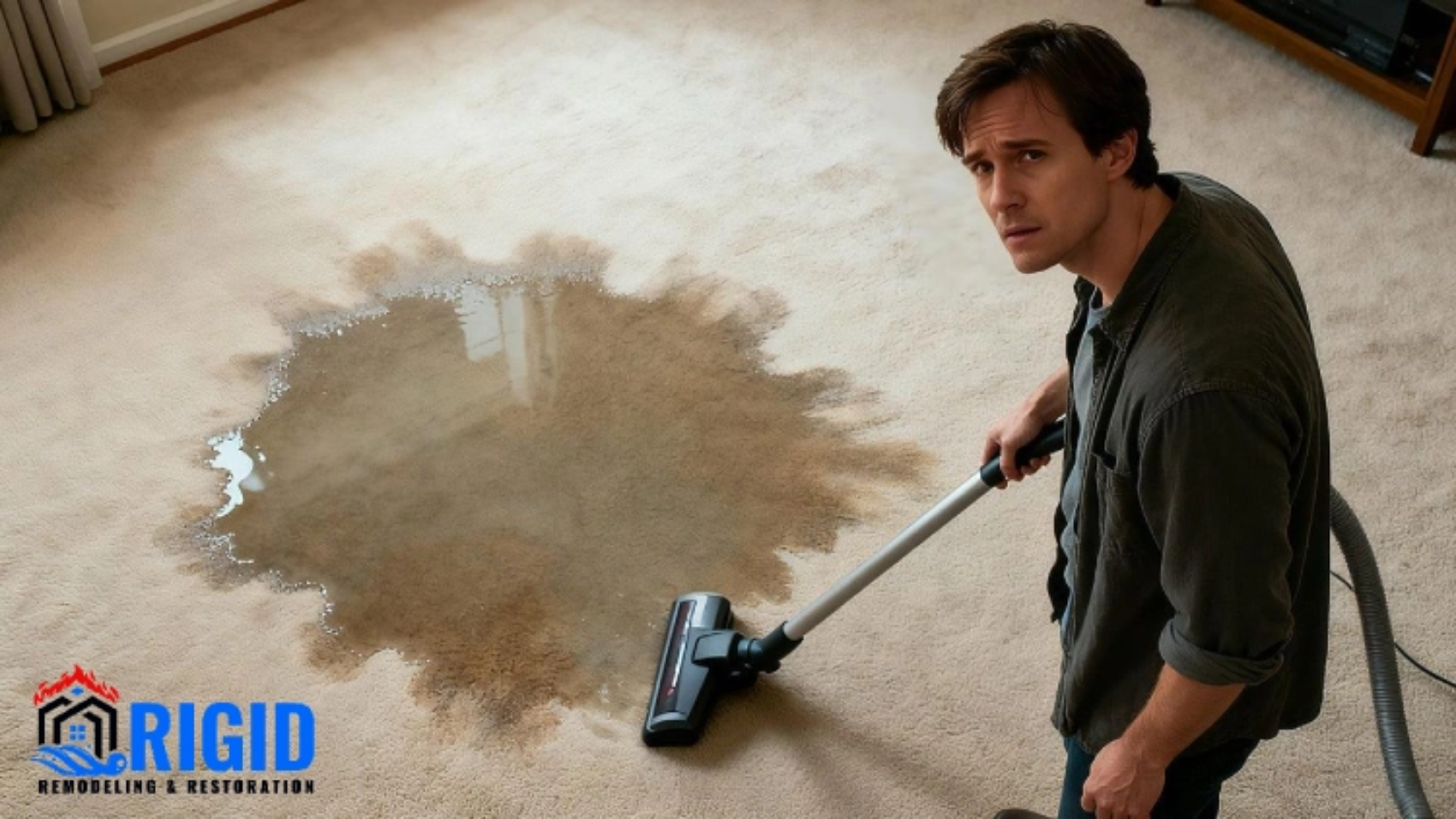
Water leaks may seem minor at first, but they can quickly escalate into costly problems if not handled properly. Many homeowners underestimate the impact of leaks, leading to structural damage, mold growth, and inflated repair bills. Understanding the common mistakes made after a leak is essential for minimizing damage, safeguarding property value, and preventing long-term health hazards.
Mistake 1: Delaying Action
One of the most critical mistakes is waiting too long to address a leak. Whether the leak comes from a burst pipe, roof damage, or plumbing issue, even a short delay can allow water to seep deeper into walls, floors, and ceilings. Water left unchecked for days or weeks can weaken structural materials, warp wooden components, and promote mold growth.
Immediate action is vital. Homeowners should shut off the water source, assess the area, and contact a professional water mitigation company if needed. Quick intervention prevents minor leaks from becoming major repairs.
Mistake 2: Ignoring Hidden Water Damage
Leaks often hide in areas that are not immediately visible, such as behind walls, under flooring, or in crawlspaces. Many homeowners only address the visible water, leaving hidden moisture untreated. Over time, this trapped water can cause mold growth, wood rot, and deterioration of building materials.
Using moisture meters or hiring professionals to perform a thorough inspection ensures that all affected areas are identified and treated. Ignoring hidden damage often leads to more extensive repairs down the line, increasing costs significantly.
Mistake 3: Not Documenting the Damage
Homeowners sometimes fail to document the leak and its effects, which can create problems with insurance claims. Without proper photos, videos, or written records, insurers may dispute the extent of the damage or delay processing.
Documenting the leak immediately, including before-and-after images of affected areas, helps substantiate insurance claims. Keeping a record of all mitigation efforts, such as water extraction and drying, also demonstrates proactive steps were taken to reduce damage.
Mistake 4: Attempting DIY Repairs
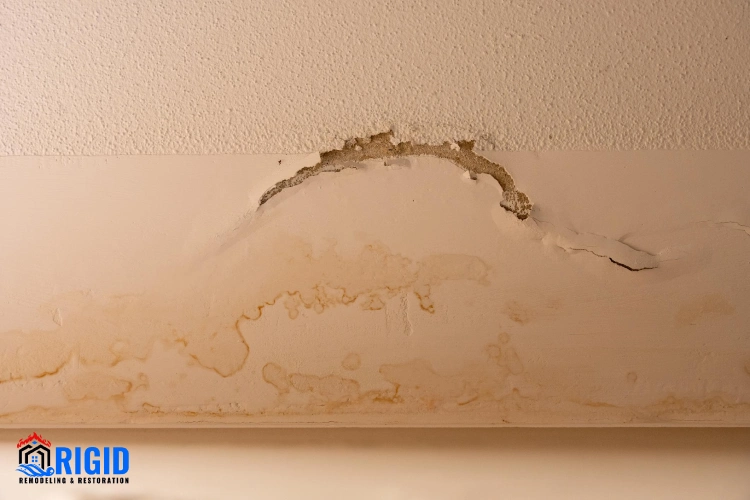
While small leaks may seem manageable, attempting DIY repairs can often make matters worse. Improper fixes can fail under pressure, resulting in recurring leaks or further structural damage. Additionally, homeowners may not address all affected areas or hidden moisture, leading to mold or corrosion.
Professional water damage specialists have the experience, tools, and techniques to repair leaks correctly while mitigating secondary damage. Hiring experts ensures a thorough and long-lasting solution, saving money and stress in the long term.
Mistake 5: Not Addressing Mold Risks
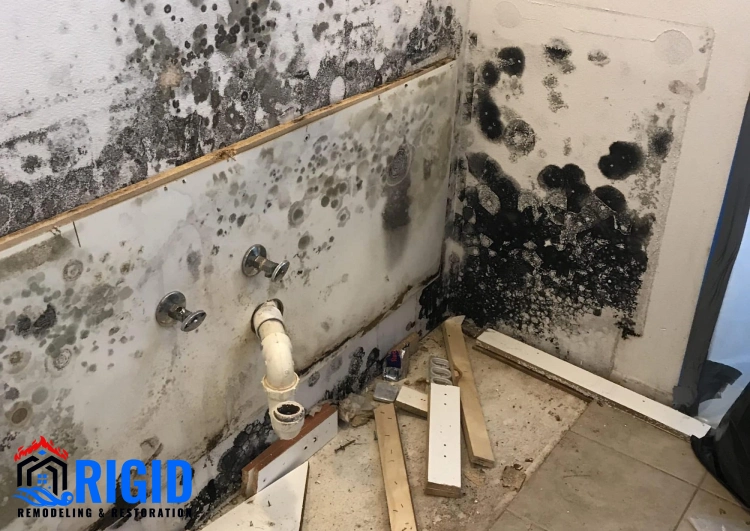
Mold growth is a serious consequence of untreated water leaks. Many homeowners fail to recognize or treat mold early, allowing it to spread quickly through walls, insulation, flooring, and air ducts. Mold not only damages property but also poses significant health risks, including respiratory issues, allergies, and infections.
Prompt drying and professional mold remediation are crucial after a leak. Homeowners should monitor for musty odors, discoloration, or black spots, which indicate mold growth. Ignoring these signs can lead to expensive and extensive remediation later.
Mistake 6: Neglecting the Plumbing System
A leak is often a symptom of a larger plumbing issue. Failing to inspect the entire system can result in repeated leaks and additional damage. Homeowners may repair the visible issue without addressing underlying problems, such as corroded pipes, faulty valves, or pressure issues.
Comprehensive plumbing inspections and repairs help prevent future leaks, protecting the home from recurring water damage and unnecessary expenses.
Mistake 7: Skipping Preventive Maintenance
Preventive maintenance is the key to avoiding leaks altogether. Homeowners often neglect routine inspections of roofs, gutters, appliances, and plumbing systems. Small signs of wear or minor leaks can go unnoticed, eventually leading to major water damage events.
Regular maintenance, including checking for loose fittings, clogged drains, and worn-out seals, reduces the likelihood of leaks and protects the structural integrity of the home.
Mistake 8: Not Using Water Detection Tools
Technology can help homeowners prevent costly leaks. Water detection devices and smart sensors alert homeowners to leaks in real-time, often before significant damage occurs. Ignoring or not installing these tools can delay detection, increasing the severity of damage and repair costs.
Investing in early detection devices is especially beneficial for areas prone to hidden leaks, such as basements, utility rooms, and behind appliances.
Mistake 9: Failing to Act on Insurance Advice
Insurance providers often recommend immediate water mitigation steps after a leak to prevent further damage and validate claims. Homeowners who fail to follow these recommendations may face claim disputes, reduced coverage, or denied reimbursement.
Working closely with the insurer and restoration professionals ensures compliance with policy requirements and maximizes claim recovery.
Mistake 10: Overlooking Secondary Damage
Secondary damage refers to problems that develop after the initial leak, such as warped floors, peeling paint, or electrical hazards. Many homeowners address only the primary leak and neglect these secondary effects, which can escalate repair costs.
A thorough assessment and mitigation plan address both primary and secondary damage, preventing long-term structural issues and reducing overall expenses.
Conclusion
Water leaks may appear minor initially, but they can quickly become expensive, hazardous, and disruptive if mishandled. Homeowners must act immediately, address hidden damage, document the incident, and seek professional assistance to minimize risk. Avoiding common mistakes—such as DIY repairs, ignoring mold, or neglecting preventive maintenance—can save thousands of dollars in repairs and protect both property and health.
FAQs
1. What is the biggest mistake homeowners make after a water leak?
One of the most common and costly mistakes is delaying action. Many homeowners underestimate the damage a small leak can cause, allowing moisture to spread and lead to mold growth, structural damage, and higher repair costs over time.
2. Is it safe to handle water damage cleanup without professional help?
In minor cases, DIY cleanup may work, but for anything beyond a small surface leak, it can be risky. Hidden moisture, electrical hazards, and mold growth are often overlooked, which can lead to bigger problems if not handled properly by professionals.
3. Can a small leak really cause serious damage?
Yes, even a small leak can lead to significant issues if ignored. Over time, water can weaken walls, floors, and foundations, and create the perfect environment for mold, which can impact both your home and health.