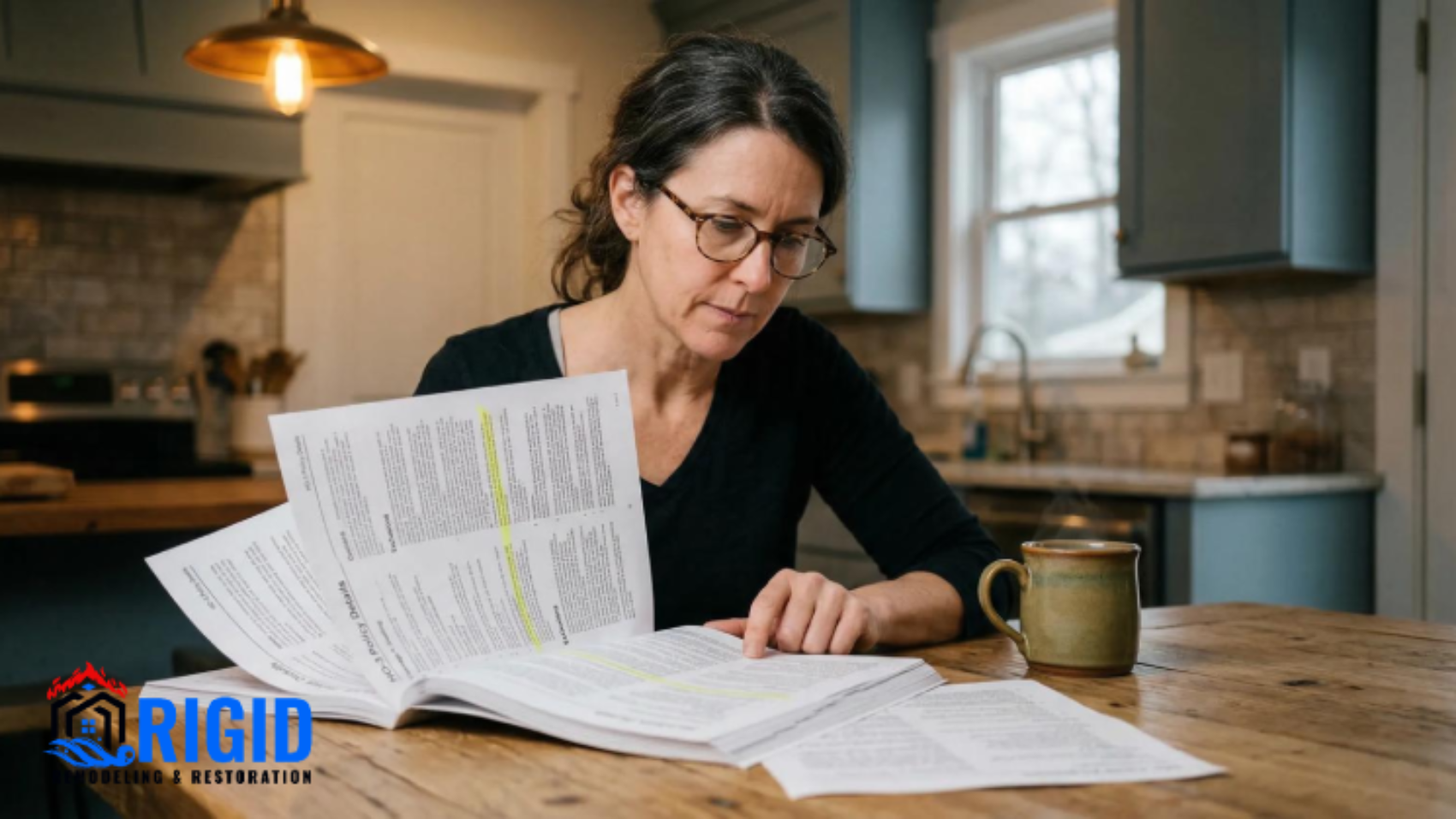
Discovering water damage in your home is stressful enough, but receiving a denial letter from your insurance company can make the situation even more difficult. A burst pipe, leaking appliance, or damaged roof can cause expensive repairs, and homeowners often rely on insurance to help cover these unexpected costs. Unfortunately, not every water damage claim is approved.
However, a denied claim does not always mean you have no options. Depending on your insurance policy, the cause of the damage, and the evidence available, you may be able to challenge the insurer’s decision and request another review.
Understanding why a water damage claim denied decision was made is the first step toward resolving the problem. In this guide, we explain common reasons for claim denials, how to review your policy, and what steps you can take to appeal the decision successfully.
Why Was Your Water Damage Insurance Claim Denied?
Insurance companies evaluate water damage claims according to the coverage, exclusions, and conditions outlined in the homeowner’s policy. Even when the damage is extensive, the insurer must determine whether the event that caused it qualifies for coverage.
A denial may result from a policy exclusion, insufficient evidence, delayed reporting, or disagreement about the source of the water. Understanding the reason helps you decide whether an appeal is worth pursuing.
Gradual Water Damage and Lack of Maintenance
One of the most common reasons for claim denial is gradual water damage. Most homeowners’ insurance policies cover sudden and accidental water damage but exclude problems that develop over time because of neglected maintenance.
For example, a pipe that suddenly bursts may qualify for coverage, while a slow leak that continues for several months may be considered a maintenance issue. Long-term roof leaks, deteriorating plumbing connections, and damaged appliance hoses can also fall under these exclusions.
If the insurer believes the homeowner knew about the problem and failed to address it, the company may refuse to cover the resulting damage.
Flood Damage Is Not Always Covered
Standard homeowners’ insurance policies generally exclude damage caused by flooding from outside sources, such as overflowing rivers, heavy rainfall, storm surges, or rising groundwater.
Flood damage often requires a separate flood insurance policy. However, water entering through a damaged roof or a burst internal pipe may be treated differently.
The distinction between flooding and accidental water damage is important because the source of the water determines which policy provisions apply.
Failure to Prevent Further Damage
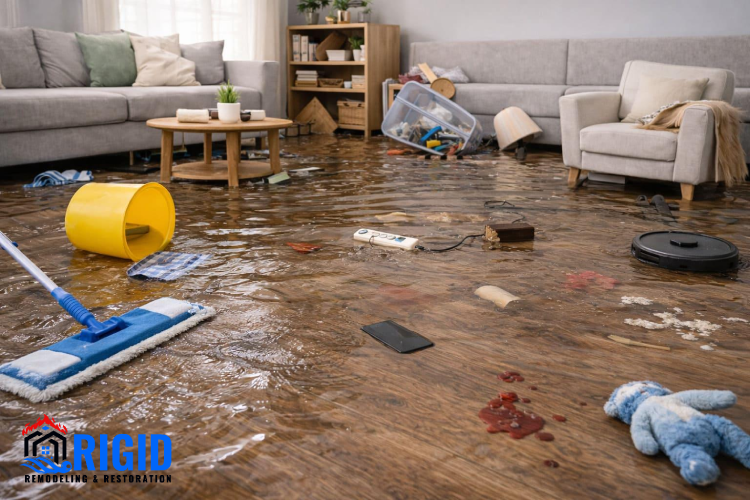
Homeowners are generally expected to take reasonable steps to prevent additional damage after discovering a water emergency. This responsibility is often called the duty to mitigate damages.
For instance, shutting off the water supply, removing standing water when safe, and arranging professional drying services can help prevent further problems. If a homeowner ignores visible damage and allows moisture to spread, the insurer may dispute the additional repair costs.
However, failure to prevent further damage does not automatically mean the entire claim must be denied.
Policy Exclusions and Incomplete Documentation
Some insurance policies exclude specific situations, including sewer backups, sump pump failures, groundwater seepage, and certain types of mold damage. Additional coverage or endorsements may be necessary for these situations.
A claim may also be denied because it was reported too late or because the homeowner did not provide sufficient photographs, invoices, inspection reports, or repair estimates.
What Should You Do After Your Water Damage Claim Is Denied?
Receiving a denial letter does not necessarily mean the insurance company’s decision is final. Before accepting the outcome, review the explanation carefully and determine whether the insurer has correctly applied your policy.
Taking a structured approach can help you identify mistakes, gather supporting evidence, and prepare a stronger appeal.
Step 1: Read the Denial Letter Carefully
Start by reviewing the denial letter and identifying the exact reason for rejection. Insurance companies should explain which policy provisions or findings support their decisions.
For example, the insurer may claim that the damage resulted from gradual leakage rather than a sudden plumbing failure. Alternatively, it may refer to a flood exclusion or insufficient documentation.
Pay attention to any appeal instructions and deadlines. If the explanation is unclear, contact the insurance company and request additional information in writing.
Step 2: Review Your Homeowners’ Insurance Policy
Compare the insurer’s explanation with the actual terms of your policy. Pay particular attention to covered water damage, exclusions, deductibles, coverage limits, and reporting requirements.
Do not rely only on the policy summary. Important conditions and exceptions may appear in other sections of the document.
If the insurer refers to a specific exclusion, read the complete section to understand whether any exceptions or additional coverage provisions apply.
Step 3: Request a Detailed Explanation
If the denial letter does not provide enough information, ask the insurance company for a detailed explanation of its decision.
Request copies of relevant inspection reports, photographs, adjuster findings, and expert assessments where available. These documents can help you identify whether the insurer’s conclusion is supported by reliable evidence.
Keeping all communication in writing also creates a useful record if you decide to escalate the dispute.
How to Appeal a Denied Water Damage Claim
If you believe the insurer incorrectly rejected your claim, you may be able to challenge the decision through its internal appeals process. A successful appeal should directly address the reasons for denial and include evidence showing why the damage qualifies for coverage.
Step 1: Gather Evidence Supporting Your Claim
Documentation is essential when challenging a water damage claim denied decision. You need to establish what happened, when the damage occurred, and how it affected your property.
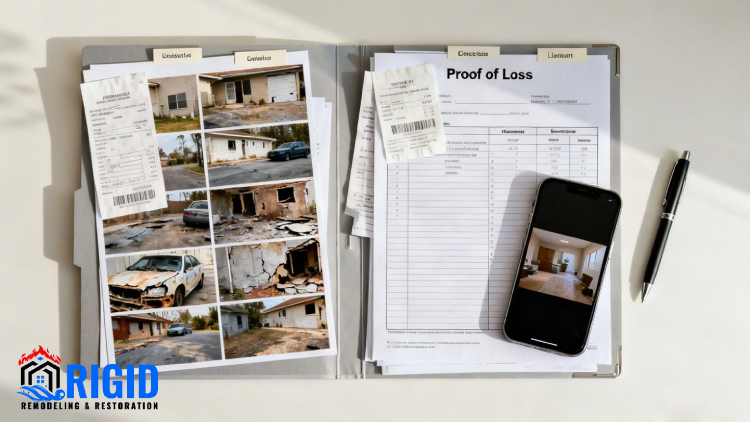
Photographs and videos taken immediately after discovering the damage can help demonstrate its original condition. Plumbing reports, maintenance records, contractor assessments, and repair invoices can provide additional support.
If the insurer claims that the damage developed gradually, an independent professional may be able to provide evidence about the source and timing of the leak.
Step 2: Obtain an Independent Inspection
When you disagree with the insurance adjuster’s findings, consider hiring an independent professional to inspect the property.
A qualified plumber can investigate the source of the water, while a water damage restoration specialist can assess moisture levels, affected materials, and the extent of the damage.
An independent inspection report may help challenge an incorrect assessment, particularly when there is disagreement about whether the damage was sudden or gradual.
Step 3: Prepare a Formal Appeal Letter
Your appeal letter should clearly explain why you believe the insurer’s decision was incorrect. Include the claim number, date of loss, denial date, and relevant policy provisions.
Describe the circumstances of the water damage and explain how your evidence contradicts the insurer’s findings. Attach supporting documents, including photographs, inspection reports, and repair estimates.
Keep the tone professional and focus on facts rather than emotional arguments. Request a formal reconsideration of the claim and ask the insurer to respond in writing.
Step 4: Submit the Appeal Before the Deadline
Insurance policies and applicable state laws may establish deadlines for challenging claim decisions. These deadlines can vary, so review your policy and denial letter carefully.
Submit your appeal through the insurer’s approved method, such as email, an online claims portal, or certified mail. Keep copies of everything you send and save any confirmation of delivery.
What If the Insurance Company Rejects Your Appeal?
Sometimes, an insurer maintains its original decision even after receiving additional documentation. If this happens, you may have other options depending on your location, policy, and the nature of the dispute.
Contact Your State Insurance Department
In the United States, homeowners can contact their state Department of Insurance to file a complaint about an insurance company’s handling of a claim.
The department may review whether the insurer followed applicable regulations and handled the claim appropriately. Although it cannot guarantee payment or replace a court decision, regulatory assistance can help address unfair claim practices.
Consider Hiring a Public Adjuster
A public adjuster works on behalf of the policyholder rather than the insurance company. These professionals can inspect property damage, review policy coverage, prepare estimates, and negotiate with the insurer.
Public adjusters typically charge a percentage of the settlement or another agreed fee. Before hiring one, verify their license, experience, and fee structure.
Consult an Insurance Attorney
If the claim involves substantial financial losses, unclear policy language, or a potential bad-faith insurance dispute, consulting an attorney may be worthwhile.
An attorney can review the policy, assess the insurer’s actions, and explain whether legal action is appropriate. Keep in mind that legal deadlines, including any applicable lawsuit limitation period, may differ from internal appeal deadlines.
How to Prevent Future Water Damage Claim Denials
Although not every water emergency can be prevented, regular maintenance and proper documentation can reduce the likelihood of disputes.
Inspect plumbing connections, appliance hoses, roofs, and areas around windows regularly. Address small leaks promptly rather than allowing them to develop into larger problems.
It is also helpful to understand your insurance coverage before an emergency occurs. Review exclusions related to flooding, sewer backups, mold, and gradual leaks. Consider additional endorsements if your home needs protection against risks not included in the standard policy.
If water damage occurs, document the affected areas immediately, notify your insurer promptly, and arrange professional water extraction and drying when necessary. Keep receipts and records of all emergency services and repairs.
Final Thoughts
A water damage claim denied decision can create financial pressure and uncertainty, but it does not always mean you have to accept the insurer’s conclusion. The reason for denial, the wording of your policy, and the evidence supporting your claim all influence whether the decision can be challenged.
If the internal appeal is unsuccessful, contacting your state insurance department, hiring a public adjuster, or consulting an insurance attorney may help you explore further options. Acting promptly, keeping accurate records, and addressing water damage professionally can put you in a stronger position to protect your property and pursue the coverage you deserve.
Frequently Asked Questions
Can an insurance company deny a water damage claim after initially approving it?
Yes, an insurance company may reconsider a claim if new information becomes available during the investigation. For example, an inspection may reveal that the damage resulted from an excluded cause. However, the insurer should explain the reason for changing its decision and identify the relevant policy provisions.
How long do I have to appeal a denied water damage claim?
The deadline depends on your insurance policy and applicable state laws. Some policies establish specific periods for internal appeals, while legal action may have a separate limitation period. Review your denial letter and policy promptly to avoid missing important deadlines.
Should I repair water damage before the insurance company inspects my home?
You should not delay emergency mitigation while waiting for an inspection. Removing standing water, stopping the leak, and preventing additional damage are important. However, document the affected areas with photographs and videos before removing damaged materials whenever it is safe and practical. Keep receipts for emergency services and notify your insurer as soon as possible.