Water damage is one of the most stressful situations a property owner can face. It often starts silently—like a small leak under a sink or a burst pipe behind a wall—and then quickly escalates into a much larger problem involving soaked floors, damaged drywall, and even structural risks. In these moments, most people search for answers, but they quickly run into confusing terminology that makes the situation feel even more overwhelming.
One of the most common points of confusion is understanding Water Mitigation vs. Water Restoration: What’s the Difference? These two terms are often used interchangeably, but they actually represent two completely different stages in the water damage recovery process. Knowing the difference is not just technical knowledge—it directly affects how fast your property is saved, how much damage you prevent, and how much money you may spend in the long run.
To fully understand Water Mitigation vs. Water Restoration: What’s the Difference?, we need to break down each process, look at how professionals handle water damage step by step, and understand where each service fits into the bigger picture of property recovery.
What Is Water Damage Mitigation?
Before diving deeper into Water Mitigation vs. Water Restoration: What’s the Difference?, it is important to first understand what water mitigation actually means. Water mitigation refers to the immediate actions taken to stop water from spreading and to reduce further damage after a leak, flood, or burst pipe.
The main goal of mitigation is not to fix everything permanently, but to control the situation. This stage is urgent and usually begins within hours of the incident. The faster mitigation begins, the less damage the structure suffers over time.
When discussing Water Mitigation vs. Water Restoration: What’s the Difference?, mitigation is essentially the emergency response phase. It is about damage control, not rebuilding.
Key Actions in Water Mitigation
Water mitigation involves several critical steps that professionals follow in a structured way. First, they identify the source of the water and stop it if possible. This could mean shutting off the main water supply or sealing a leak.
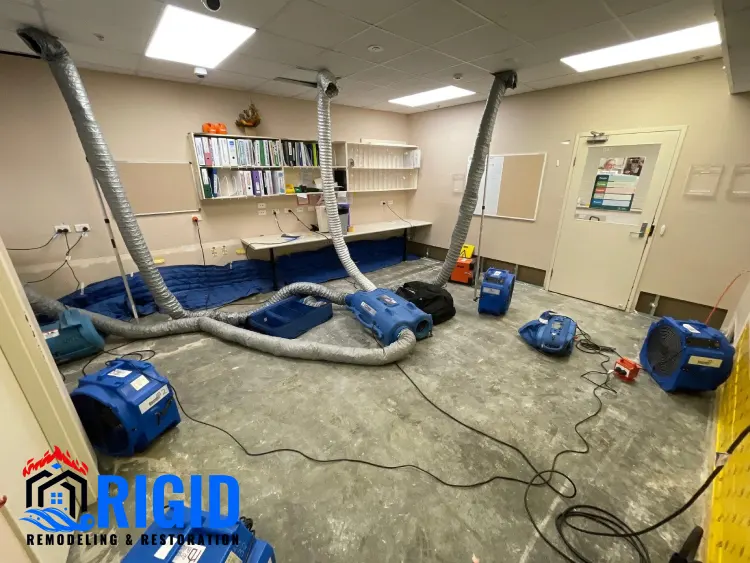
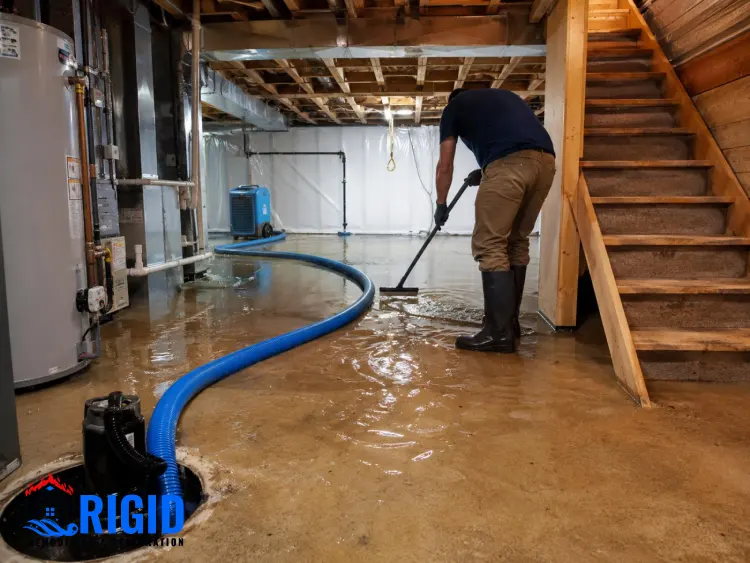
Next, they focus on removing standing water using pumps and industrial vacuums. Once the visible water is removed, the drying process begins using dehumidifiers and air movers to prevent mold growth and further structural weakening.
All of these steps highlight why Water Mitigation vs. Water Restoration: What’s the Difference? is such an important concept—because mitigation happens immediately, while restoration happens later.
What Is Water Restoration?
Once the property has been stabilized through mitigation, the next phase is restoration. Understanding this stage is essential when analyzing Water Mitigation vs. Water Restoration: What’s the Difference?, because restoration focuses on returning the property to its original condition.
Water restoration includes repairing, rebuilding, and replacing damaged materials. This can involve drywall replacement, flooring repair, repainting walls, and restoring electrical systems if needed.
Unlike mitigation, restoration is not urgent in the first hours. Instead, it begins after the property has been fully dried and stabilized.
The Purpose of Restoration
The main goal of restoration is to bring the home or building back to a safe, livable condition. This includes both structural and cosmetic repairs. While mitigation prevents further damage, restoration corrects the damage that has already occurred.
This distinction is the core of Water Mitigation vs. Water Restoration: What’s the Difference?, and understanding it helps property owners avoid delays and confusion when hiring professionals.
Water Mitigation vs. Water Restoration: What’s the Difference?
To clearly understand Water Mitigation vs. Water Restoration: What’s the Difference?, think of it as a two-phase process: first emergency control, then full recovery.
Mitigation is about stopping the damage from getting worse. Restoration is about fixing what has already been damaged. Both are essential, but they serve completely different purposes in the water damage lifecycle.
When professionals arrive at a water-damaged property, they do not jump straight into repairs. Instead, they first perform mitigation to ensure the environment is stable and safe. Only after that do they begin restoration work.
This is why Water Mitigation vs. Water Restoration: What’s the Difference? is not just terminology—it is a workflow that determines how effectively a property is recovered.
Step-by-Step Water Mitigation Process
To fully grasp Water Mitigation vs. Water Restoration: What’s the Difference?, it helps to look deeper into how mitigation actually works in practice. This phase is highly technical and time-sensitive.
Initial Inspection and Damage Assessment
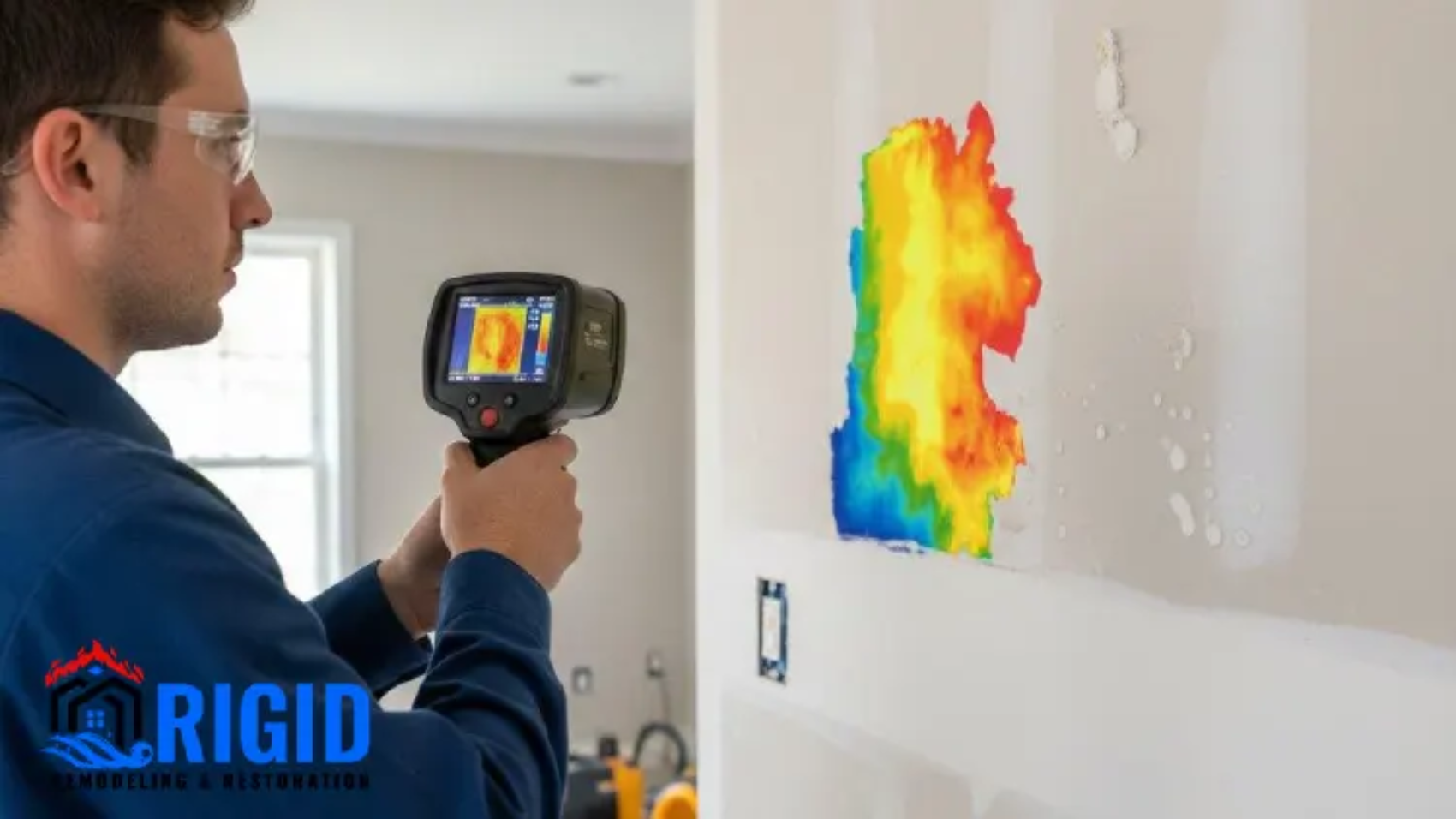
The first step is always inspection. Professionals evaluate how far the water has spread, what materials are affected, and whether there are any safety risks such as electrical hazards or structural instability.
This assessment determines the entire mitigation strategy and sets the foundation for understanding Water Mitigation vs. Water Restoration: What’s the Difference? in real-world scenarios.
Water Extraction
Once the situation is assessed, the next step is removing standing water. High-powered extraction equipment is used to remove as much water as possible quickly. This step is crucial because the longer water sits, the more damage it causes.
Drying and Dehumidification
After visible water is removed, hidden moisture remains inside walls, floors, and furniture. Industrial air movers and dehumidifiers are used to eliminate this moisture completely.
This step is one of the most important parts of mitigation and clearly separates it from restoration in the context of Water Mitigation vs. Water Restoration: What’s the Difference?
Step-by-Step Water Restoration Process
Now that mitigation has stabilized the situation, restoration begins. This phase is more detailed, time-consuming, and construction-focused.
Structural Repairs
Damaged drywall, flooring, and insulation are replaced. If water has affected the foundation or framing, additional structural repairs may be needed. This stage ensures the property is safe again.
Cosmetic Restoration
Once structural work is complete, cosmetic improvements begin. This includes painting, refinishing floors, and restoring the home’s original appearance.
Final Inspection
Before completing the project, professionals conduct a final inspection to ensure everything is fully restored and safe to use. This final step completes the overall process described in Water Mitigation vs. Water Restoration: What’s the Difference?
Timeline Differences Between Mitigation and Restoration
One of the most important aspects of Water Mitigation vs. Water Restoration: What’s the Difference? is timing. Mitigation happens immediately after the water damage incident, usually within the first 24–48 hours.
Restoration, on the other hand, can take days, weeks, or even months depending on the severity of the damage. While mitigation is fast and urgent, restoration is detailed and methodical.
Understanding this timeline helps property owners set realistic expectations and avoid frustration during the recovery process.
Cost Differences Between Mitigation and Restoration
Cost is another major factor when comparing Water Mitigation vs. Water Restoration: What’s the Difference? Mitigation is generally less expensive because it involves emergency cleanup and drying services.
Restoration tends to be more costly because it includes construction, materials, and labor for rebuilding damaged areas. The total cost depends heavily on how quickly mitigation is performed.
Delaying mitigation often increases restoration costs significantly, which is why early response is critical.
Equipment Used in Each Process
The tools used in mitigation and restoration are very different, which further highlights Water Mitigation vs. Water Restoration: What’s the Difference?
Mitigation uses industrial pumps, dehumidifiers, moisture meters, and air movers. Restoration uses construction tools such as saws, paint equipment, flooring tools, and finishing materials.
This difference in equipment clearly shows how each phase serves a unique purpose in the recovery process.
Insurance and Claims Involvement
Insurance companies often require documentation for both mitigation and restoration. Understanding Water Mitigation vs. Water Restoration: What’s the Difference? helps property owners communicate better with insurance adjusters.
Mitigation reports usually include emergency actions taken, while restoration reports include repair costs and rebuilding details. Proper documentation can significantly impact claim approval and reimbursement speed.
DIY vs Professional Services
Some homeowners attempt DIY mitigation, but this can be risky. Without proper equipment, hidden moisture may remain and lead to mold growth. When comparing Water Mitigation vs. Water Restoration: What’s the Difference?, it becomes clear that both processes require professional expertise for best results.
Restoration is even more complex and should almost always be handled by trained contractors to ensure safety and compliance with building standards.
Common Mistakes Property Owners Make
One of the biggest mistakes is delaying mitigation, which leads to more severe damage. Another common issue is confusing mitigation with restoration and assuming repairs can begin immediately.
Understanding Water Mitigation vs. Water Restoration: What’s the Difference? helps avoid these mistakes and ensures a smoother recovery process.
Why Both Processes Are Equally Important
Mitigation and restoration are not competing services—they are complementary stages. Without mitigation, restoration becomes much more expensive and complicated. Without restoration, the property cannot be fully functional again.
This balance is the core idea behind Water Mitigation vs. Water Restoration: What’s the Difference?
Conclusion
Water damage recovery is never just about cleaning up water—it is about controlling time, preventing hidden damage, and rebuilding safely. As we explained throughout this guide on Water Mitigation vs. Water Restoration: What’s the Difference?, mitigation is the urgent first response that stops further damage, while restoration is the detailed process that brings the property back to its original condition.
Understanding this difference helps homeowners make faster decisions, avoid costly mistakes, and protect their property from long-term issues like mold, structural weakening, or recurring moisture problems. When both stages are handled correctly, even serious water damage can be fully reversed and the property can return to a safe, livable state.
If you are currently dealing with water damage and need immediate professional help, it is important not to delay. For fast, reliable, and expert water mitigation and restoration services, you can contact Rigid Restorations. Their team specializes in handling emergency water damage situations and restoring
FAQs
What is the main difference between water mitigation and water restoration?
The main difference in Water Mitigation vs. Water Restoration: What’s the Difference? is that mitigation stops further damage, while restoration repairs and rebuilds the damaged property.
How quickly should water mitigation start?
Water mitigation should begin immediately, ideally within the first 24 hours, to prevent mold growth and structural damage.
Can restoration happen without mitigation?
No, restoration without proper mitigation is ineffective because underlying moisture and damage must first be controlled.