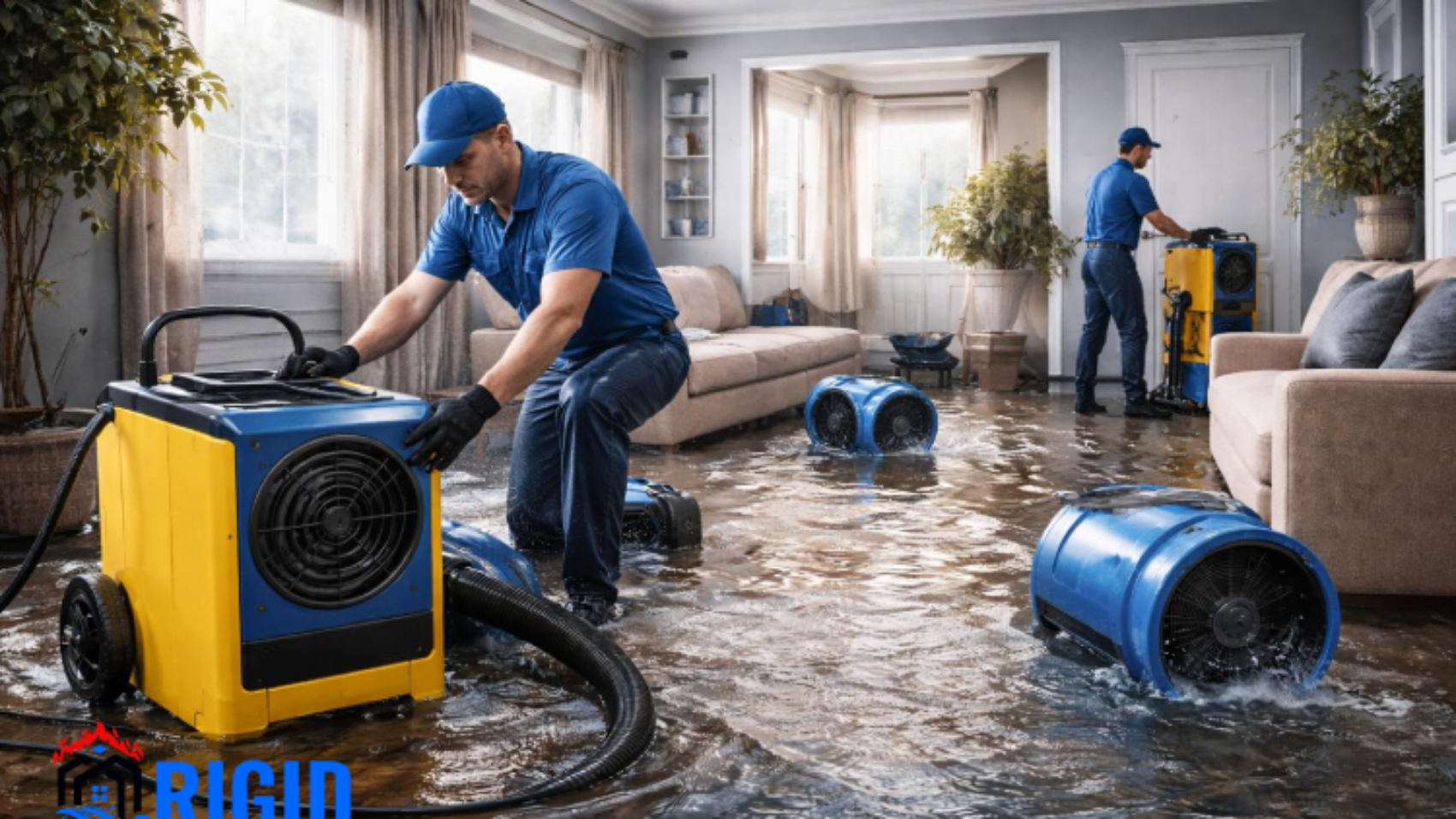
When flooding affects your home or business, the damage can extend far beyond visible water. Moisture may seep into walls, floors, insulation, and other hidden areas, increasing the risk of mold growth and structural problems. Even a small leak can become a serious issue if it is not handled properly.
Choosing the right restoration contractor is essential to protecting your property and avoiding unnecessary expenses. A professional company should be able to remove standing water, identify hidden moisture, dry affected materials, and manage necessary repairs.
Before signing a contract, asking the right questions can help you compare contractors and understand what their services include. Here are 12 important questions to ask a flood restoration company before making your decision.
Why Is Choosing the Right Flood Restoration Company Important?
Flood restoration involves more than removing visible water. Moisture can remain trapped behind drywall, beneath carpets, and inside flooring even after surfaces appear dry. If these areas are overlooked, mold growth and material deterioration may occur later.
An experienced contractor knows how to assess water damage, select appropriate drying equipment, and monitor moisture levels throughout the project. Asking detailed questions before hiring also helps you evaluate the company’s qualifications, pricing, communication, and overall reliability.
12 Questions to Ask a Flood Restoration Company
Not every restoration contractor provides the same services or has experience with every type of water damage. The following questions will help you determine whether a company can handle your specific situation.
1. Are You Licensed, Insured, and Certified?
Start by checking whether the company has the licenses and insurance required for its services in your area. It should carry general liability insurance and appropriate workers’ compensation coverage to help protect you if accidental property damage or workplace injuries occur.
You should also ask about industry certifications. For example, training through the Institute of Inspection, Cleaning and Restoration Certification (IICRC) indicates familiarity with recognized restoration practices. Request proof of relevant credentials rather than relying only on verbal claims.
2. How Much Experience Do You Have With Flood Restoration?
Experience is important because different flooding situations require different restoration methods. A contractor who mainly handles minor plumbing leaks may not have the equipment or knowledge needed for extensive basement flooding or contaminated water damage.
Ask how long the company has been operating and whether it has completed projects similar to yours. You can also request examples of previous work. A knowledgeable contractor should be able to explain the challenges involved and how it plans to restore your property.
3. Do You Offer 24/7 Emergency Restoration Services?
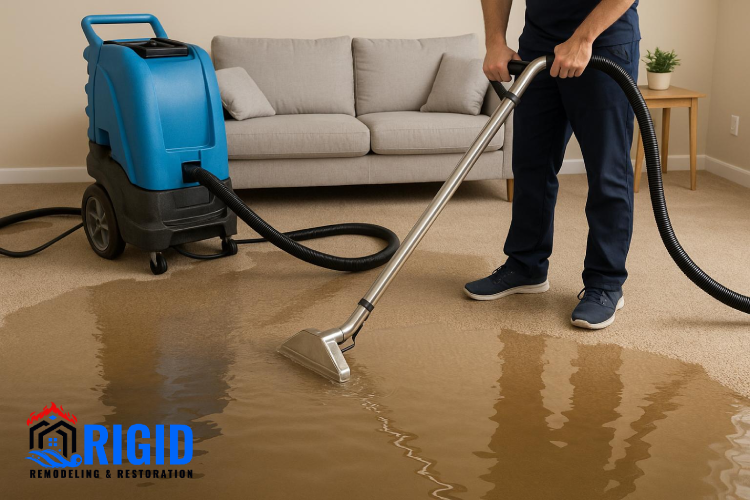
Flooding can happen at any time, and delaying the response may allow water to spread into additional areas. Standing water can damage building materials and increase the risk of mold growth.
Ask whether the company provides 24/7 emergency services and how quickly its technicians can typically arrive. It is also useful to know whether emergency water extraction and initial drying can begin during the first visit. Clarify whether the team consists of company employees or subcontractors.
4. What Types of Water Damage Can You Handle?
Not all water damage carries the same level of risk. Clean water from a broken supply line requires a different approach from sewage backups or storm flooding that may contain harmful contaminants.
Ask whether the company handles different categories of water damage and what safety procedures it follows for contaminated water. A professional contractor should explain when protective equipment, specialized cleaning, or removal of affected materials is necessary.
5. What Does Your Restoration Process Include?
Before hiring a contractor, make sure you understand exactly what its services cover. Some companies only provide water extraction, while others manage the entire restoration process.
Ask whether the service includes moisture inspection, water removal, damaged material removal, structural drying, cleaning, odor treatment, and reconstruction when necessary. You should also find out whether these services are performed by the company itself or outsourced to other contractors.
6. What Equipment Do You Use to Dry the Property?
Professional structural drying requires specialized equipment. Depending on the extent of damage, restoration teams may use commercial water extractors, air movers, dehumidifiers, and moisture detection tools.
Ask whether the company uses moisture meters and other inspection equipment to identify hidden water. Thermal imaging cameras can help locate temperature differences that may indicate moisture, although readings should be verified with appropriate tools.
A reliable contractor should explain how it monitors drying progress and determines when affected materials have reached suitable moisture levels.
7. How Long Will the Restoration Process Take?
The restoration timeline depends on the amount of water, affected materials, contamination level, and extent of structural damage. Minor water damage may take only a few days to address, while extensive flooding can require several weeks, particularly when reconstruction is involved.
Ask for an estimated timeline after the initial inspection. The contractor should explain how long extraction, drying, cleaning, and repairs may take. Also, find out how often you will receive progress updates and how unexpected problems could affect the schedule.
8. How Do You Calculate the Restoration Cost?
Flood restoration costs vary depending on the size of the affected area, water category, labor, equipment, material removal, and repair requirements.
Ask for a written estimate that clearly explains the expected services and charges. If the final price cannot be confirmed immediately, the company should explain which costs are uncertain and why.
You should also ask how additional work is approved. For example, technicians may discover hidden moisture behind walls after the project begins. Before approving extra services, request an updated estimate and a clear explanation of the additional costs.
9. Do You Work With Insurance Companies?
Insurance claims can be complicated because coverage depends on the cause of water damage and the terms of your policy. Some sudden and accidental water damage may be covered, while certain types of flooding, groundwater intrusion, or gradual leaks may be excluded.
Ask whether the restoration company has experience documenting insurance claims. It may help by providing photographs, moisture readings, damage reports, and itemized estimates.
Remember that the contractor cannot guarantee insurance approval. Your insurer and policy determine what is covered, so review all agreements carefully and communicate with your insurance adjuster when necessary.
10. How Do You Prevent Mold Growth After Flooding?
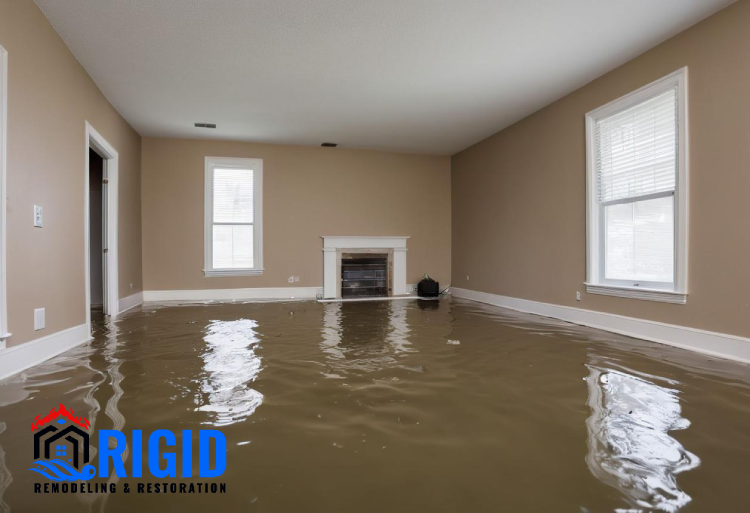
Mold can develop when moisture remains inside building materials, particularly in areas with limited airflow. It may grow behind walls, beneath flooring, or in other places that are difficult to inspect.
Ask how the company identifies hidden moisture and monitors the drying process. It should explain whether affected materials can be dried safely or need to be removed.
Also, clarify whether mold remediation is included in the service. Drying and mold removal are different processes, and existing mold may require specialized assessment and treatment.
11. Can You Provide References or Examples of Previous Projects?
A company’s reputation can help you understand the quality of its work and customer service. Check independent reviews and ask for references from customers who had similar restoration projects.
Pay attention to feedback about communication, pricing transparency, punctuality, and the quality of completed repairs. You can also request photographs or case studies of previous projects to evaluate the company’s experience with different types of water damage.
12. Do You Offer a Warranty or Service Guarantee?
Before signing an agreement, ask whether the company provides a warranty for its restoration or repair work. Find out what the warranty covers, how long it lasts, and what conditions may affect coverage.
Some contractors provide workmanship warranties for reconstruction, while other services may have different terms. Request the details in writing so you know what to expect if a problem appears after the project is completed.
Red Flags to Avoid When Hiring a Flood Restoration Contractor
Even when you need emergency assistance, take time to check for warning signs. A contractor who refuses to provide proof of insurance, avoids written estimates, or cannot explain its restoration process may not be a reliable choice.
Be cautious of unusually low quotes that exclude important services such as moisture monitoring and structural drying. You should also avoid companies that pressure you into signing documents immediately or guarantee that your insurance will cover the entire project.
A professional contractor should explain its recommendations, document the damage, and provide clear information about costs and responsibilities.
What Should You Do Before the Restoration Team Arrives?
While waiting for professional help, focus on safety and preventing further damage. If floodwater is near electrical outlets, appliances, or electrical panels, do not enter the area until it has been declared safe.
If possible, stop the water source and move valuable belongings away from affected areas. Take photographs and videos of the damage before cleanup begins, as these may be useful for your insurance claim. Avoid disturbing potentially contaminated water or hazardous materials.
When the restoration team arrives, explain when the flooding started, where the water came from, and which areas appear affected. These details can help technicians assess the situation more accurately.
Final Thoughts
Choosing a flood restoration contractor is an important decision that can affect your property’s safety, condition, and long-term value. The right company should do more than remove standing water. It should identify hidden moisture, use appropriate drying equipment, explain its process, and provide clear documentation.
By asking these questions to ask a flood restoration company, you can compare contractors based on their experience, qualifications, services, pricing, and customer support. Instead of choosing the first company that responds or automatically accepting the lowest estimate, focus on finding a qualified professional who can restore your property properly.
Frequently Asked Questions
How Soon Should I Contact a Flood Restoration Company?
You should contact a professional restoration company as soon as it is safe to do so. Prompt water extraction and drying can limit further damage and reduce the risk of mold growth.
Should I Get Multiple Flood Restoration Estimates?
Yes. Comparing estimates helps you understand the expected costs and services. Make sure each estimate includes similar work, such as water extraction, moisture inspection, structural drying, and necessary repairs.
How Can I Tell if My Property Is Completely Dry?
A property should not be considered dry simply because visible water has disappeared. Restoration professionals use moisture meters and other inspection tools to check affected materials. Ask for documentation of final moisture readings before the project is considered complete.
Does Every Flood Restoration Project Require Mold Remediation?
No. Not every flood leads to existing mold growth. However, prolonged moisture can create conditions that support mold development. If mold is discovered, additional assessment and specialized remediation may be necessary.