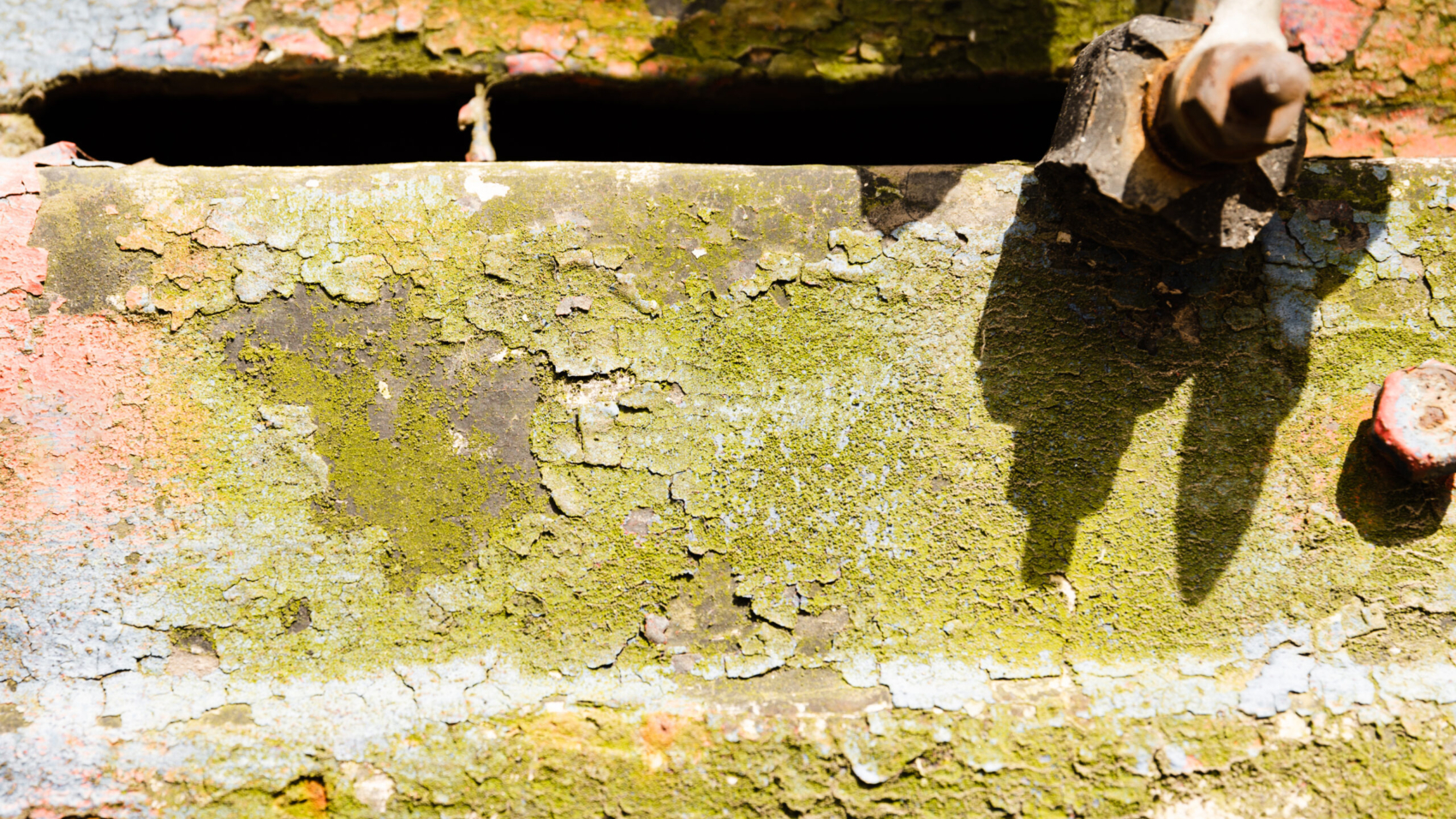
After a leak or flood, the clock starts immediately. Mold does not need weeks to become a problem; it needs hours. The EPA states that mold can begin growing on damp materials within 24 to 48 hours, and once it starts, it spreads quickly through the still, damp conditions inside walls, floors, and ceilings.
Understanding this timeline is what turns a stressful situation into a manageable one. If you know that the first two days are decisive, you understand why fast extraction and drying matter so much, and why waiting to see if things dry out on their own is the most expensive choice you can make.
This guide breaks down exactly how fast mold grows, what speeds it up, and what to do in that critical window. If you have water damage now, Rigid Restorations provides 24/7 emergency drying across San Diego County. Call 760-500-1818.
TL;DR
- Mold can begin growing within 24 to 48 hours of materials getting wet (EPA guidance).
- By 48 to 72 hours, visible colonies appear and spores begin spreading to new surfaces.
- Three things drive growth: moisture, a food source (drywall, wood, carpet), and temperatures of 68 to 86 degrees.
- Warmth and high humidity accelerate every stage, and San Diego’s coastal humidity slows natural drying.
- Drying materials within the first 24 to 48 hours usually prevents mold entirely.
- Once mold is established past 48 hours, you likely need remediation, not just drying.
The Mold Growth Timeline, Hour by Hour
Mold follows a predictable progression after materials get wet. This timeline assumes normal indoor conditions of 68 to 86 degrees. Warmth and humidity move everything faster.
| Time After Wetting | What Is Happening | Visible Signs |
|---|---|---|
| 0 to 24 hours | Spores absorb moisture and begin to germinate | None; material simply looks wet |
| 24 to 48 hours | Active colonization; hyphae penetrate the material | Faint musty odor, early discoloration |
| 48 to 72 hours | Colonies mature and begin producing spores | Visible mold, stronger odor |
| 72+ hours | Spores spread to new surfaces via air and HVAC | Multiple areas affected, structural risk |
The Three Things Mold Needs to Grow
Mold requires three conditions at once. Remove any one and growth stops. In practice, moisture is the only one you can realistically control, which is why moisture removal is the entire game.
- Moisture: damp materials or air humidity sustained above 60%. This is the controllable factor and the target of all drying.
- A food source: organic building materials like drywall paper, wood, carpet, and insulation are everywhere in a home.
- Temperature: roughly 68 to 86 degrees, which is normal indoor range, so temperature is almost always favorable for mold.
What Speeds Mold Up
Not every wet material grows mold at the same rate. Several factors push growth toward the fast end of the window, and San Diego’s climate contributes to a couple of them.
| Factor | Effect on Mold Growth |
|---|---|
| High humidity | Slows drying and keeps materials damp longer, accelerating growth |
| Warm temperatures | Speeds germination and colonization within the favorable range |
| Poor ventilation | Traps moisture in still air, ideal for mold inside walls and closets |
| Highly absorbent materials | Carpet pad, drywall paper, and insulation stay wet longer |
| Contaminated water | Gray and black water carry nutrients that speed microbial activity |
Why the First 48 Hours Decide the Outcome
The reason professionals stress same-day response is that the first 48 hours are the difference between prevention and remediation. Dry the materials completely within that window and, in most cases, mold never gets started. Miss it, and you move from a straightforward drying job to containment, material removal, and cleanup. The problem is that hidden moisture in wall cavities and subfloors will not dry on its own in time, which is exactly why moisture meters and professional drying matter so much.
Real-World Examples
Beat the Clock
A pipe burst under a sink and soaked a kitchen and hallway. The homeowner called for emergency service the same morning. Crews extracted the water, opened the affected wall base, and dried everything to verified levels within four days. Because drying started inside the 48 hour window, no mold developed and the repair was minimal.
Missed the Window
A slow leak behind a wall ran for over a week before a musty smell gave it away. By then mold had colonized the drywall and framing. The response was no longer simple drying; it required containment, removal of affected materials, and cleaning under the IICRC S520 standard. The same leak, caught in the first two days, would have been a quick fix.
Glossary
Mold Spore: A microscopic, airborne mold seed always present in indoor air. It is harmless until it lands on a damp surface and begins to grow.
Germination: The stage when a mold spore, having absorbed moisture, begins to grow root-like filaments into a material. It can start within 24 hours.
Hyphae: The root-like threads a mold colony sends into porous materials. Because they penetrate below the surface, wiping the surface does not remove them.
Colonization: The stage, often within 24 to 48 hours, when mold forms a visible, spreading colony on a damp surface.
Relative Humidity: The moisture content of the air relative to its maximum. Sustained indoor levels above 60% support mold growth.
Moisture Content: The amount of water inside a material. Wood and drywall are at risk when readings exceed about 16%.
Frequently Asked Questions
How quickly does mold grow after water damage?
The EPA states mold can begin growing on damp materials within 24 to 48 hours. Under warm, humid conditions it can start toward the faster end of that range. Visible colonies often appear within 48 to 72 hours, and spore spreading follows soon after.
Can mold grow in less than 24 hours?
Growth typically begins in the 24 to 48 hour window, but warm temperatures and high humidity can push it toward the earlier edge. The EPA gives 24 to 48 hours as guidance, not a guarantee, so the safest assumption is that the clock is already running the moment materials get wet.
What conditions make mold grow faster?
Three factors together: moisture, a food source such as drywall, wood, or carpet, and temperatures between 68 and 86 degrees, which covers normal indoor conditions. Higher humidity and warmth accelerate every stage, which is one reason coastal and humid climates see faster growth.
If I dry everything within 48 hours, will I avoid mold?
Usually, yes. The EPA notes that if wet materials are dried within 24 to 48 hours, in most cases mold will not grow. The challenge is that surface drying often misses moisture hidden in walls and subfloors, which is why professional drying with moisture verification is the reliable way to beat the clock.
Is it too late if it has been several days?
Not too late to act, but the response changes. After 48 to 72 hours mold is likely established, so the job shifts from simple drying to remediation, which means containment and removal of affected materials under the IICRC S520 standard. The sooner you call, the more you can save.
Where does mold usually start growing first?
On the most absorbent materials in the wettest, least ventilated spots: carpet padding, the paper facing of drywall, wood framing, and insulation inside wall cavities. These places stay damp longest and are often out of sight, so growth can be advanced before you notice it.
Final Thoughts
The answer to how fast mold grows is simple and urgent: fast enough that speed is your best defense. Within a day, mold can germinate. Within two to three, it is visible and spreading. The entire strategy for beating it fits in one sentence: get the moisture out, completely and quickly, before the window closes.
If your home has a leak or flood, treat it as time-sensitive from the first minute. Rigid Restorations provides 24/7 emergency extraction and verified drying across San Diego County to stop mold before it starts. Call 760-500-1818.