Living near the coast comes with many benefits: breathtaking views, fresh ocean air, and a calming lifestyle. However, homeowners in coastal regions often face unique challenges, particularly when it comes to property maintenance. One of the most significant threats is the effect of salt air on buildings and structures. Understanding how salt air contributes to coastal property damage is crucial for homeowners, property managers, and investors looking to protect their real estate investments.
Understanding Salt Air and Its Composition
Salt air, also known as sea air, contains high concentrations of sodium chloride and other minerals carried from the ocean by wind and waves. Unlike regular air, coastal air is laden with tiny salt particles that can settle on buildings, fences, vehicles, and other structures. While it may seem harmless, prolonged exposure can accelerate wear and tear, especially when combined with moisture, humidity, and wind.
The Chemical Impact on Building Materials
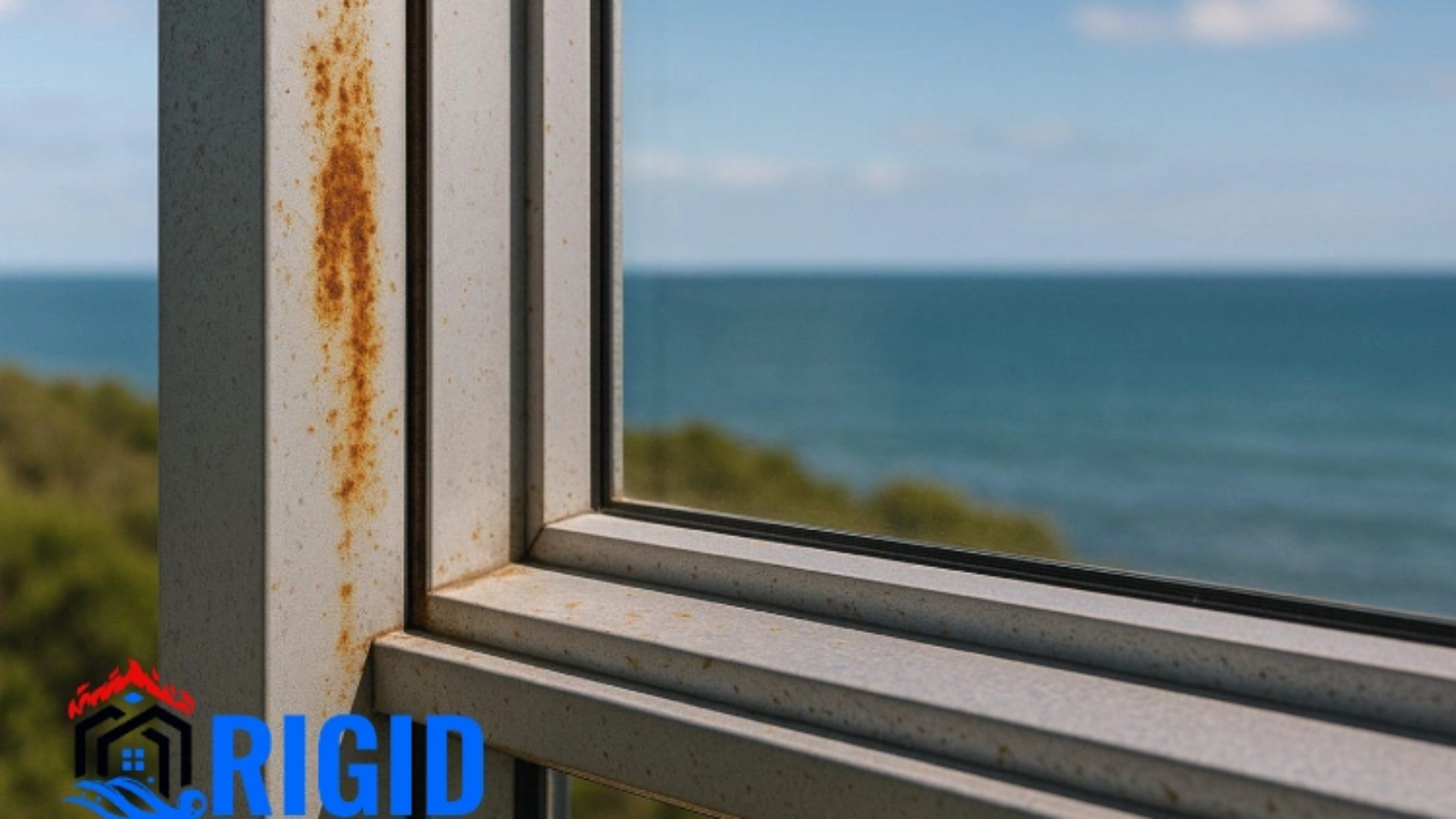
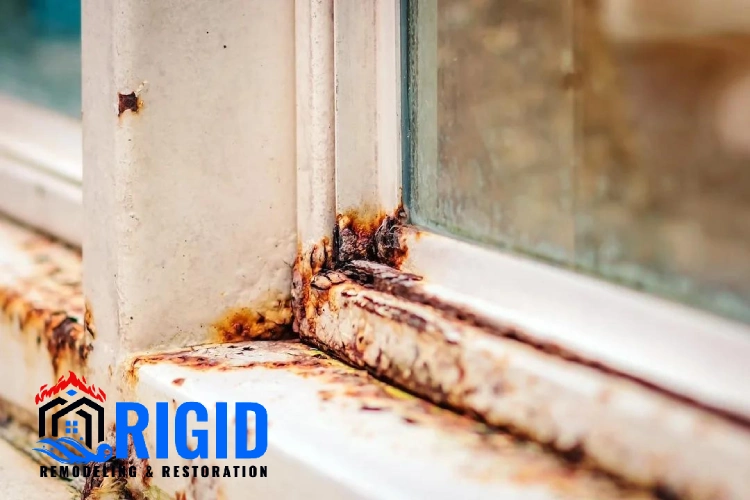
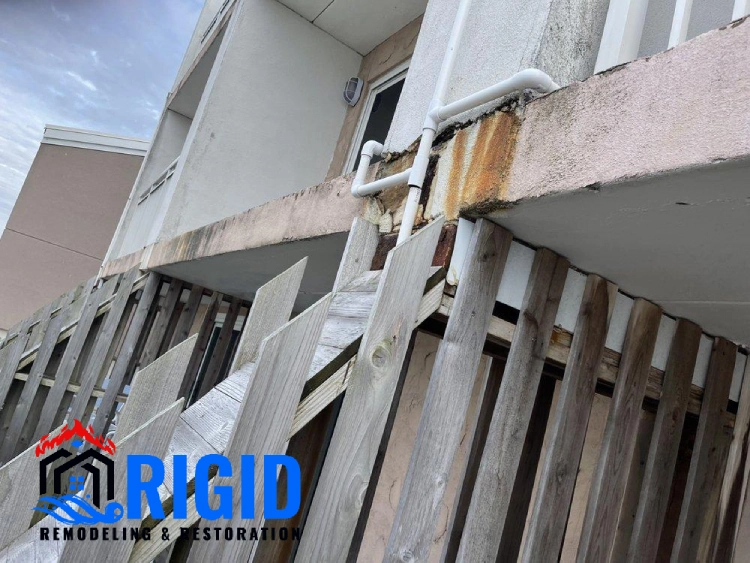
Salt is highly corrosive, particularly when it interacts with metal surfaces. Structures with steel, iron, or aluminum components are particularly vulnerable. When salt deposits accumulate on metal surfaces, they attract moisture from the atmosphere, creating a corrosive environment that accelerates rust and deterioration. Over time, this can compromise the structural integrity of railings, balconies, window frames, and roofing systems.
Even materials like concrete are not immune. Salt particles can penetrate concrete surfaces, causing chemical reactions that lead to cracking, spalling, and overall weakening of the material. Wooden surfaces exposed to salt air may absorb moisture more readily, promoting rot and fungal growth, further contributing to property damage.
Impact on Exterior Paint and Finishes
Salt air also takes a toll on paints and exterior finishes. Homes and commercial buildings located near the coast often experience peeling, fading, and blistering of paint over time. Salt particles cling to painted surfaces, making them more susceptible to moisture absorption. Combined with ultraviolet (UV) exposure from the sun, this leads to accelerated fading and degradation. Regular maintenance, including protective coatings and high-quality paint formulations, is essential to mitigate these effects.
How Coastal Winds Exacerbate Damage
In coastal regions, wind plays a significant role in spreading salt particles across surfaces. Strong ocean winds can carry salt spray far inland, reaching areas of the property that might otherwise seem protected. This constant exposure increases the rate of corrosion and surface wear. Properties situated on cliffs, beaches, or elevated terrain are particularly susceptible, as they experience more direct contact with salt-laden winds.
The Role of Humidity in Salt-Induced Damage
Humidity levels near the coast are naturally higher due to the proximity to large bodies of water. Moist, salty air accelerates corrosion and decay processes. Metal surfaces are prone to rusting, wooden structures are at higher risk of rot, and even masonry materials can deteriorate faster under these conditions. Controlling moisture through proper ventilation, dehumidification, and sealing is critical in minimizing damage caused by salt air.
Long-Term Effects on Property Value
Neglecting the impact of salt air can have serious long-term consequences for property value. Corrosion, rot, and structural damage reduce the lifespan of building components, necessitating expensive repairs or replacements. For homeowners, this translates to higher maintenance costs and potential difficulties in selling or insuring the property. Investors and property managers must account for these risks when evaluating coastal real estate investments.
Preventive Measures for Homeowners
Preventing salt-related damage requires proactive planning and maintenance. Here are some key strategies:
- Regular Inspections: Conduct frequent inspections of metal, wood, and concrete surfaces. Look for signs of rust, rot, or cracking. Early detection allows for timely repairs before problems worsen.
- Protective Coatings: Apply rust-resistant paints and sealants on metal surfaces. For wooden structures, use marine-grade varnishes or sealants that repel moisture and reduce the likelihood of rot.
- Quality Materials: Use corrosion-resistant materials such as stainless steel, aluminum, or treated wood for construction in coastal areas. These materials withstand salt exposure better than standard options.
- Landscaping Considerations: Plant trees and shrubs strategically to act as windbreaks, reducing direct exposure to salt-laden winds.
- Cleaning and Maintenance: Regularly rinse exterior surfaces with fresh water to remove salt deposits. This is particularly effective for vehicles, metal railings, and outdoor furniture.
- Roof and Gutter Protection: Inspect roofs and gutters for salt buildup and corrosion. Ensure proper drainage to prevent standing water, which can exacerbate salt-related damage.
Understanding Insurance Implications
Property owners in coastal areas should also consider the insurance implications of salt air damage. Many standard homeowner policies do not cover corrosion or gradual deterioration caused by environmental factors. Reviewing policies carefully and considering additional coverage for coastal property risks can provide financial protection against unforeseen damages.
The Benefits of Professional Assessment
Hiring professional inspectors or restoration experts familiar with coastal property challenges can make a significant difference. These professionals can identify vulnerable areas, recommend appropriate materials, and develop maintenance plans that extend the life of the property. Advanced tools like corrosion mapping and moisture detection can pinpoint hidden issues before they escalate.
Conclusion
Salt air is a silent but powerful factor contributing to coastal property damage. From accelerating metal corrosion to weakening wood and concrete, its effects are pervasive and long-lasting. Homeowners and property managers must adopt preventive measures, choose durable materials, and maintain regular inspections to safeguard their investments. By understanding how salt air affects building materials and acting proactively, it’s possible to enjoy the coastal lifestyle while minimizing costly property damage.
FAQs
1. How does salt air damage properties in coastal areas?
Salt air contains tiny salt particles that can accelerate corrosion and deterioration of building materials. Over time, it can damage metal structures, outdoor equipment, roofing components, windows, and other exposed surfaces by causing rust and weakening materials.
2. What parts of a coastal property are most affected by salt air?
Metal fixtures, fences, balconies, HVAC units, plumbing components, exterior walls, and roofing materials are among the areas most vulnerable to salt air damage. Regular inspections and protective maintenance can help reduce the impact.
3. How can homeowners protect their property from salt air damage?
Homeowners can minimize salt air damage by using corrosion-resistant materials, applying protective coatings, cleaning exterior surfaces regularly, maintaining metal components, and repairing small signs of corrosion before they become major issues.