When it comes to water damage, the terms “water mitigation” and “water restoration” are often used interchangeably. However, understanding the distinction between these two processes is essential for homeowners, property managers, and insurance professionals. Both play crucial roles in protecting property, minimizing damage, and ensuring safety, but they address different stages of the recovery process.
What Is Water Mitigation?
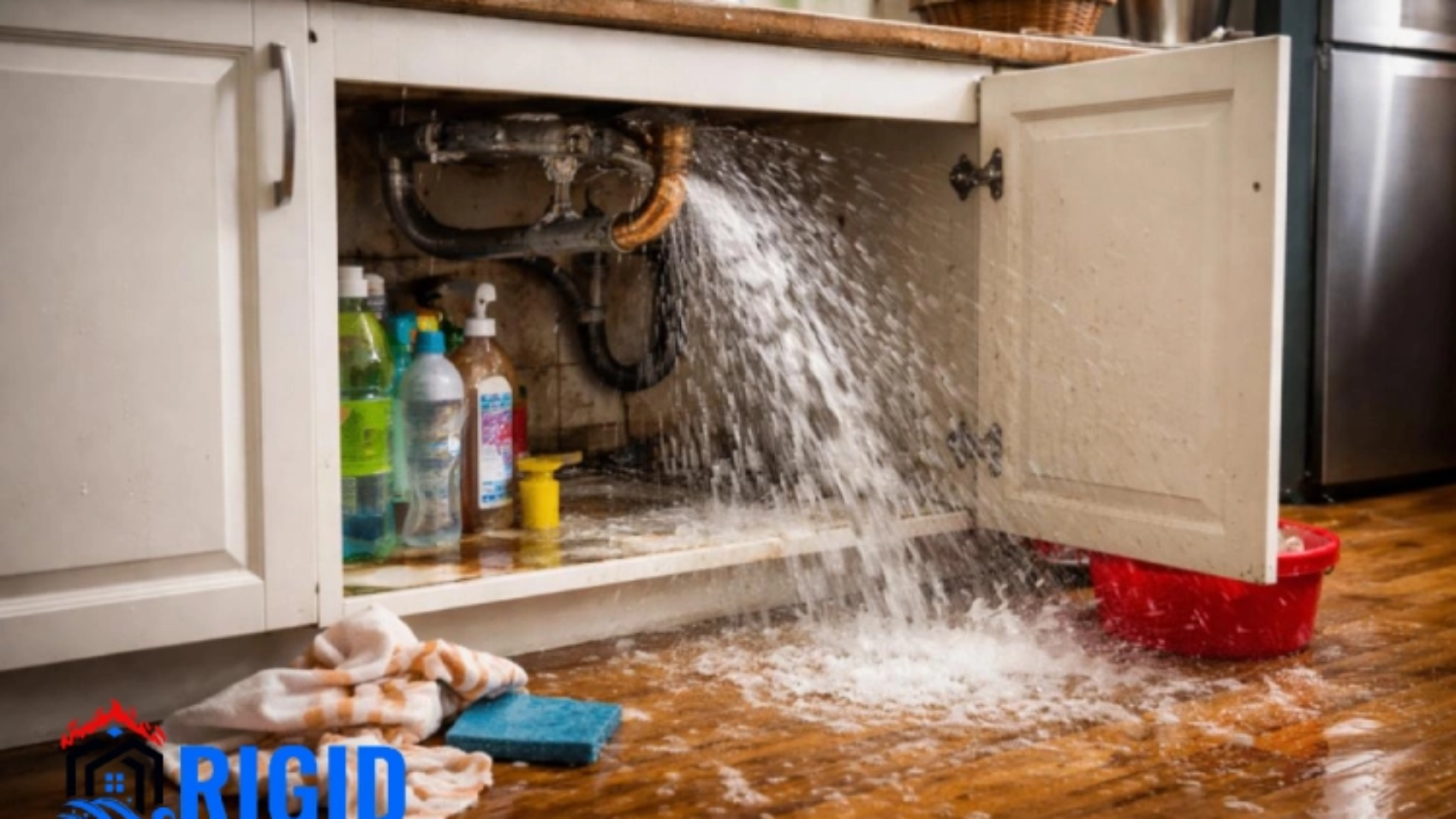
Water mitigation refers to the immediate steps taken to reduce the severity of water damage after an incident. Its primary goal is to prevent further property deterioration, minimize structural damage, and reduce the risk of mold growth. Mitigation begins the moment water intrusion is discovered, whether it’s caused by flooding, a burst pipe, roof leaks, or plumbing failures.
The process focuses on containment and control rather than full restoration. For example, mitigation may involve removing standing water, moving furniture and personal items to dry areas, and applying temporary fixes to prevent additional water exposure. It is a time-sensitive procedure because delays can significantly increase repair costs and heighten health hazards due to mold and bacterial growth.
Common Water Mitigation Techniques
- Water Extraction: Using pumps, vacuums, or other specialized equipment to remove standing water from the property.
- Drying and Dehumidification: Industrial fans and dehumidifiers are used to eliminate moisture from walls, floors, and structural components.
- Temporary Repairs: Patching leaks, boarding up broken windows, or sealing areas to prevent additional water entry.
- Content Relocation: Moving furniture, electronics, and personal belongings to prevent further damage and allow the affected areas to dry.
- Preventing Secondary Damage: Quick mitigation helps avoid warped flooring, damaged drywall, and mold infestation.
What Is Water Restoration?
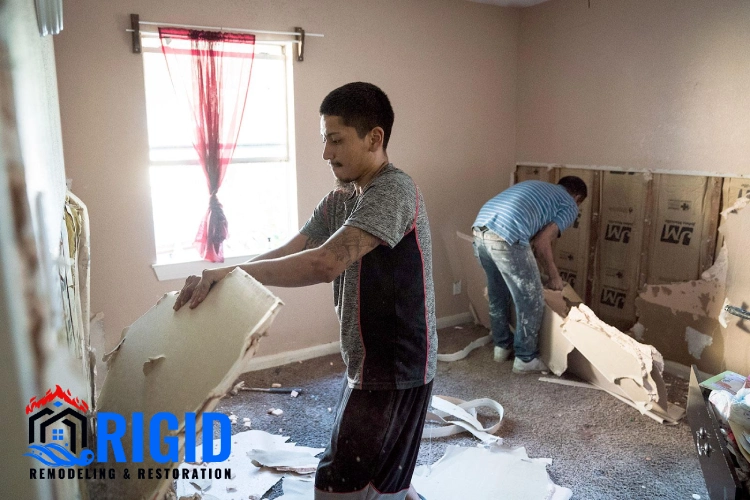
Water restoration, on the other hand, is the process of returning a property to its pre-loss condition. Restoration comes after mitigation has controlled immediate damage and reduced risks. It involves repairing, replacing, or reconstructing affected structures, finishes, and contents. While mitigation addresses urgent concerns, restoration is about complete recovery, functionality, and aesthetics.
Restoration may involve more extensive work, such as replacing flooring, repairing drywall, refinishing cabinetry, or repainting walls. It may also include specialized services like mold remediation or sanitizing affected areas to ensure a safe living environment. Professional restoration teams often coordinate with contractors and insurance companies to provide a comprehensive solution.
Key Differences Between Mitigation and Restoration
Understanding the differences helps homeowners make informed decisions and ensures effective management of water damage incidents. Here are the main distinctions:
- Timing: Mitigation occurs immediately after water damage to prevent further harm. Restoration takes place after mitigation to rebuild and repair.
- Purpose: Mitigation focuses on containment and minimizing damage. Restoration focuses on repairing, replacing, and returning the property to pre-loss condition.
- Techniques: Mitigation uses water extraction, drying, and temporary fixes. Restoration employs structural repairs, remodeling, and replacement of damaged materials.
- Cost Implications: Proper mitigation can significantly reduce the cost of restoration by preventing secondary damage and mold growth. Delayed mitigation often results in more extensive, expensive restoration work.
- Professional Equipment: While both processes may use advanced tools, mitigation often relies on pumps, industrial fans, and dehumidifiers. Restoration requires construction equipment, carpentry tools, and specialized repair materials.
Why Both Are Essential?
Skipping mitigation or underestimating its importance can escalate property damage, compromise structural integrity, and create health risks. Similarly, attempting restoration without proper mitigation can lead to incomplete repairs, persistent moisture problems, and hidden mold growth. Together, these processes ensure a holistic approach to water damage management.
Insurance Considerations
Insurance policies typically cover both mitigation and restoration, but understanding the distinction can help when filing claims. Insurance adjusters often look for documented mitigation efforts to justify restoration costs. Prompt mitigation demonstrates proactive action, which may improve claim approval and reduce disputes with insurers.
Homeowners should keep detailed records, including photos and videos, of both mitigation and restoration steps. Professional restoration companies often provide documentation for insurance purposes, including moisture readings, equipment logs, and before-and-after photos.
Preventive Measures to Minimize Water Damage
While mitigation and restoration are crucial after a water event, prevention is always better than repair. Property owners can reduce the need for extensive water mitigation and restoration by implementing preventive measures:
- Regular Maintenance: Inspect roofs, gutters, plumbing, and drainage systems for potential leaks.
- Water Sensors and Alarms: Install smart water sensors to detect leaks early and trigger immediate mitigation actions.
- Proper Landscaping: Ensure that water flows away from the foundation to prevent basement or crawlspace flooding.
- Seal Vulnerable Areas: Weatherproof windows, doors, and other openings to reduce water intrusion.
- Routine Inspections: Schedule periodic professional inspections for commercial properties to identify hidden water damage risks.
Conclusion
Water mitigation and water restoration are two sides of the same coin in property damage management. Mitigation acts as the first line of defense, controlling damage and preventing secondary issues like mold. Restoration completes the recovery process, ensuring that homes and commercial properties are safe, functional, and aesthetically restored.
FAQs
What is the main difference between water mitigation and water restoration?
Water mitigation focuses on preventing further damage right after a water incident by removing water and drying the area. Water restoration, on the other hand, involves repairing and rebuilding the damaged property to return it to its original condition.
Do I need both water mitigation and water restoration services?
In most cases, yes. Water mitigation is the first step to stop additional damage, while restoration comes afterward to repair and restore your property. Skipping mitigation can make restoration more costly and complicated.
How quickly should water mitigation start after water damage?
Water mitigation should begin as soon as possible—ideally within the first 24 hours. The faster the response, the lower the risk of mold growth, structural damage, and higher restoration costs.