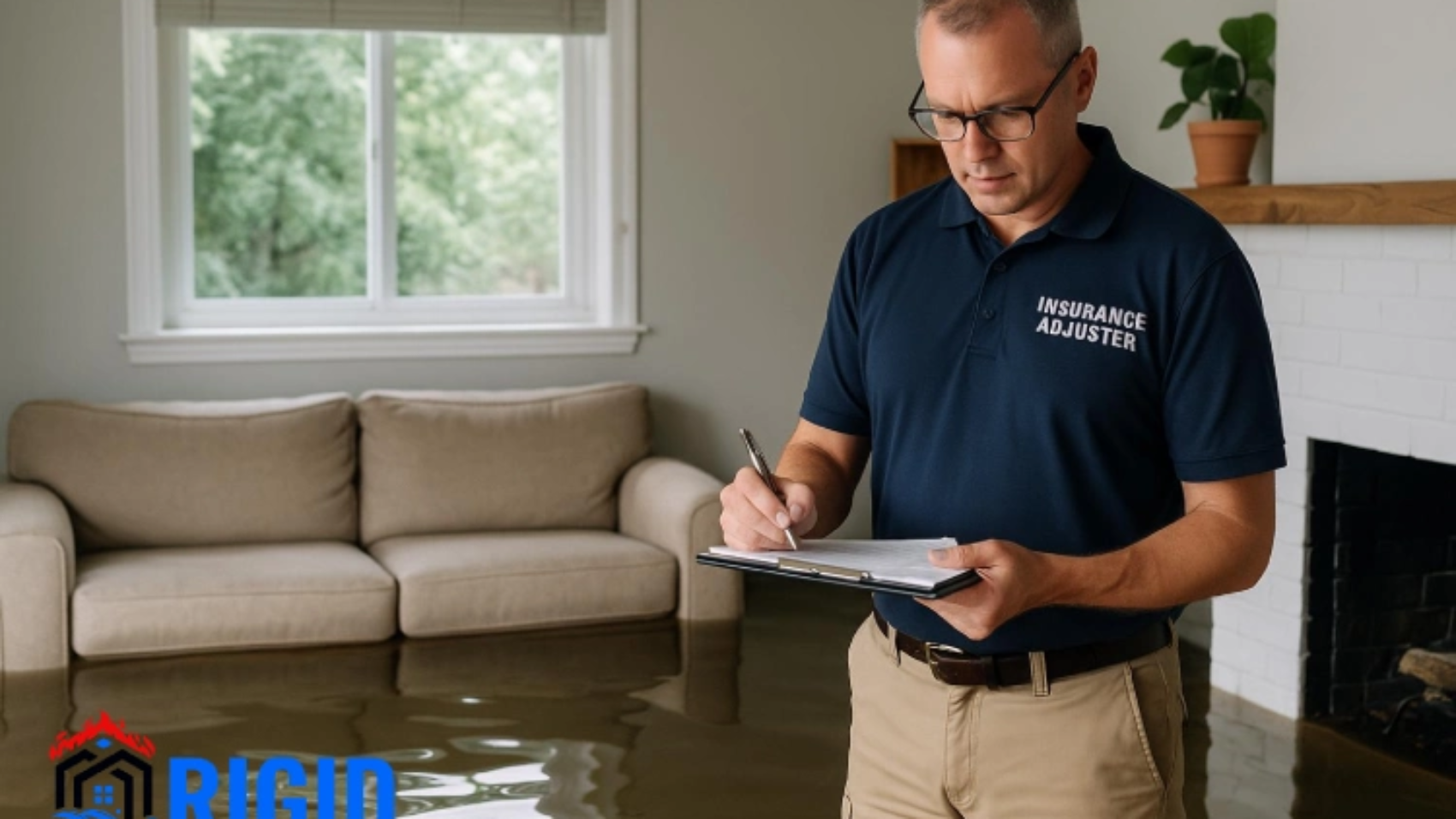
When water damage strikes a property, filing an insurance claim is often the first step for homeowners and property managers. Understanding how insurance adjusters evaluate water damage claims is crucial to ensure a smooth process and maximize the likelihood of full coverage. Insurance adjusters are trained professionals who assess damage, determine policy coverage, and provide recommendations for repair or replacement. Their evaluation process is meticulous, requiring knowledge of building materials, water damage types, and restoration practices.
The Role of an Insurance Adjuster
Insurance adjusters serve as the link between the policyholder and the insurance company. Their primary goal is to verify the legitimacy of a claim and determine the financial responsibility of the insurer. Adjusters investigate claims thoroughly to avoid fraudulent claims while ensuring that legitimate damages are compensated appropriately.
In water damage claims, adjusters evaluate the extent of the damage, the source of water intrusion, and the impact on both the structure and personal property. They work closely with water mitigation and restoration professionals to document damages accurately.
Initial Assessment of the Property
The evaluation begins with an on-site inspection. The adjuster will examine all areas affected by water, including walls, floors, ceilings, and structural components. They may also inspect basements, attics, and crawlspaces, where hidden damage is common.
During this stage, the adjuster will:
- Identify the Water Source: Determining whether the damage is caused by a burst pipe, roof leak, flooding, or another source is critical. Some policies exclude coverage for certain types of water intrusion.
- Assess Severity: The adjuster will classify the water damage based on its category and extent. Category 1 water involves clean water from a plumbing source, Category 2 involves gray water from appliances or drains, and Category 3 involves black water, which is highly contaminated and poses significant health risks.
- Document Visible Damage: Photos, videos, and detailed notes are taken to document the damage for insurance records. This includes any warping, staining, corrosion, or mold growth observed.
Reviewing Mitigation Efforts
Insurance adjusters consider the immediate actions taken to mitigate water damage. Prompt water extraction, drying, and temporary repairs can significantly reduce the overall loss and prevent secondary damage such as mold growth.
Adjusters often collaborate with professional water mitigation companies to confirm that the proper procedures were followed. This documentation helps support the claim and may influence the amount of compensation.
Evaluating Restoration Needs
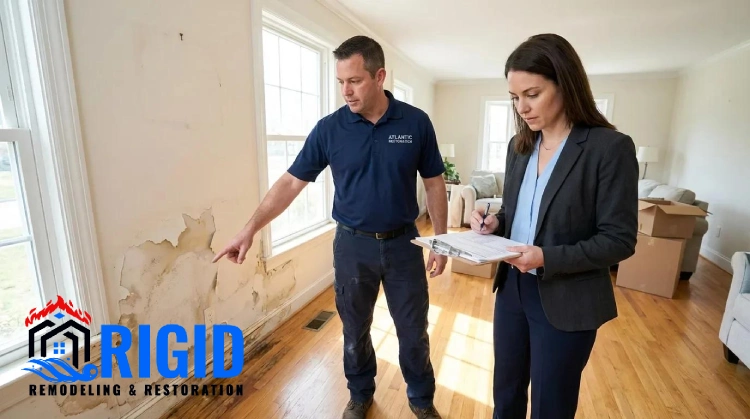
After mitigation, the adjuster assesses the restoration work required. This includes estimating costs to repair or replace structural components, flooring, drywall, cabinetry, and other affected areas. Restoration estimates are often prepared in consultation with licensed contractors or restoration specialists.
The adjuster will consider:
- Cost of materials and labor
- Extent of demolition or rebuilding required
- Replacement of personal property damaged by water
- Potential for long-term structural issues
Policy Coverage and Limitations
Insurance adjusters review the homeowner’s policy to determine coverage limits, deductibles, and exclusions. Standard homeowner’s policies typically cover sudden and accidental water damage, such as burst pipes, but may exclude damage from neglected maintenance or flooding unless additional coverage is purchased.
Understanding policy terms is essential for both the adjuster and the policyholder. Adjusters must evaluate whether the damage qualifies under the policy, and they communicate any coverage limitations clearly to the homeowner.
Detecting Hidden Damage
Many water damage issues are not immediately visible. Insurance adjusters use specialized tools, such as moisture meters and thermal imaging cameras, to detect hidden moisture behind walls, under flooring, or in ceilings. These tools help identify areas that may require additional mitigation or restoration work, ensuring that all damage is accounted for in the claim.
Documentation and Reporting
Thorough documentation is a cornerstone of the claims process. Adjusters prepare detailed reports that include:
- Photographs and videos of the affected areas
- Description of water sources and categories
- Summary of mitigation actions taken
- Recommended restoration and repair work
- Cost estimates for structural and content repairs
This documentation is submitted to the insurance company to approve the claim and determine reimbursement amounts.
Communication With Policyholders
A critical part of the adjuster’s role is clear communication with the property owner. They explain the evaluation process, clarify coverage limitations, and outline the next steps. Maintaining transparency helps prevent misunderstandings and ensures that homeowners can make informed decisions regarding restoration and repairs.
Common Challenges in Water Damage Claims
Water damage claims can be complex due to various factors:
- Delayed Reporting: Waiting too long to report a claim can result in additional damage that may not be covered.
- Improper Documentation: Inadequate evidence of mitigation and damage can lead to claim disputes.
- Policy Exclusions: Certain water sources, such as sewer backups or flooding, may not be covered under standard policies.
- Secondary Damage: Mold growth or structural weakening can complicate claims if not promptly addressed.
Being proactive, documenting damages, and hiring professional mitigation and restoration services can help overcome these challenges.
Tips for Homeowners to Support Their Claim
- Act Quickly: Begin mitigation immediately to minimize damage and document all actions taken.
- Keep Records: Take photos, videos, and notes of damaged areas before and after mitigation.
- Professional Help: Engage certified water restoration and mitigation specialists to ensure proper procedures are followed.
- Understand Your Policy: Know what your insurance covers, including limits and exclusions, to avoid surprises during the claims process.
- Maintain Communication: Keep an open line with the adjuster, providing requested documents and access to the property as needed.
Conclusion
Insurance adjusters play a critical role in evaluating water damage claims. Their careful inspection, documentation, and collaboration with mitigation and restoration professionals ensure that damages are accurately assessed and claims are processed efficiently. For homeowners and property managers, understanding this evaluation process is key to protecting property, ensuring proper compensation, and navigating the complexities of insurance claims.
FAQs
What do insurance adjusters look for in water damage claims?
Insurance adjusters mainly assess the source of the damage, the extent of the damage, and whether the cause is covered under the policy. They also check for signs of negligence, maintenance issues, or pre-existing damage before approving a claim.
How long does it take for an adjuster to process a water damage claim?
The timeline varies depending on the complexity of the damage, but most claims are inspected within a few days and resolved within 1 to 4 weeks. Delays may occur if additional documentation or repairs assessments are required.
Can a water damage claim be denied?
Yes, a claim can be denied if the damage is caused by neglect, lack of maintenance, or excluded events such as flooding (if not covered). Incomplete documentation or late reporting can also impact approval.