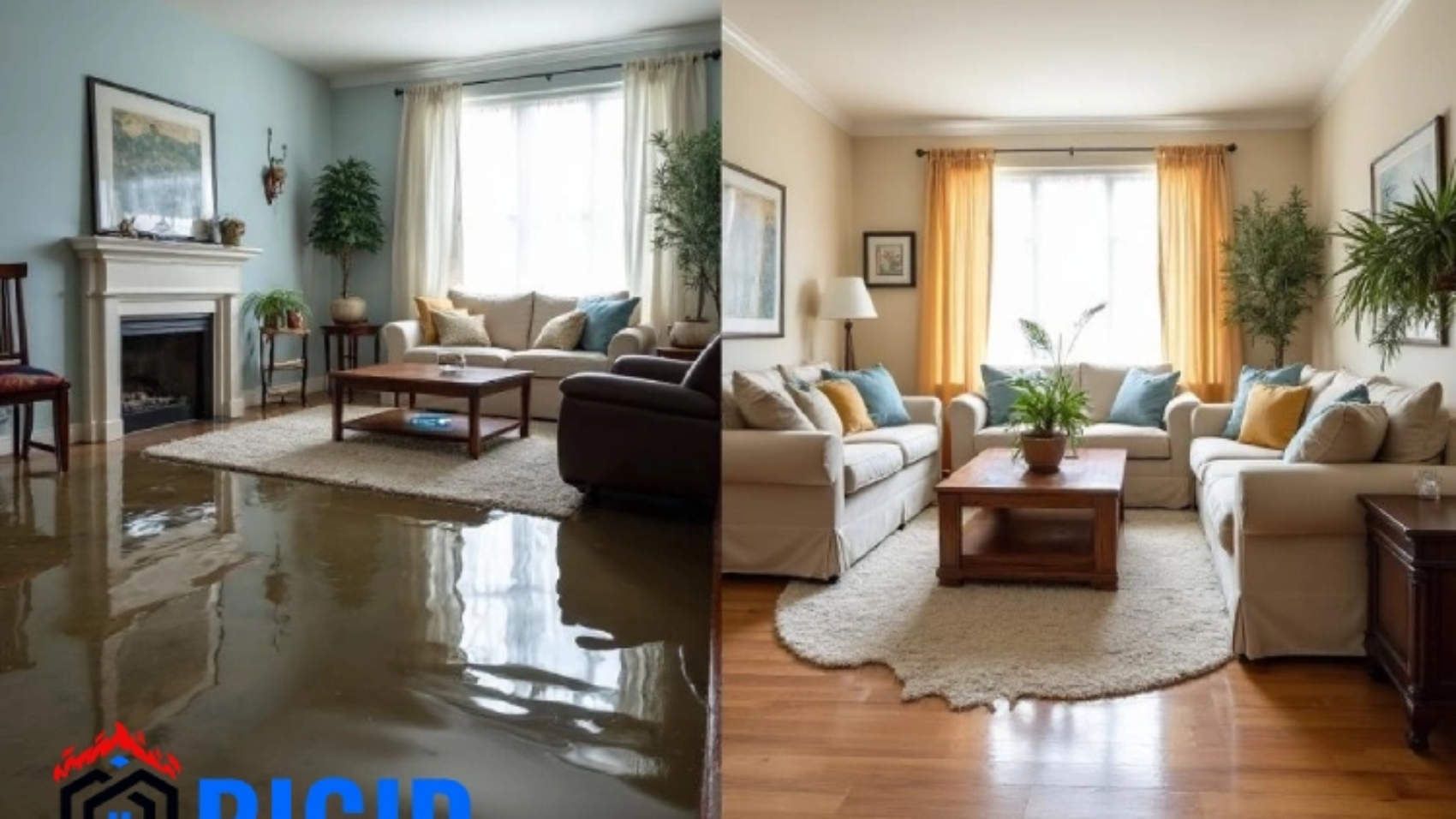
One of the most common mistakes homeowners make after discovering moisture in their home is assuming all water-related damage is the same. A small leak under the sink and a river overflowing into a basement may look similar once everything is wet, but in reality, they belong to two very different categories of loss. This misunderstanding often leads to wrong insurance claims, delayed repairs, and even unsafe living conditions.
Understanding how water damage differs from flood damage is not just a technical detail—it directly affects insurance coverage, restoration methods, and health risks inside the home. Many homeowners only realize this difference when their claim gets denied or when hidden mold starts spreading behind the walls.
In this article, we will break down everything you need to know in a clear, practical way so you can confidently identify, respond to, and manage both situations without confusion.
Understanding Water Damage in Residential Properties
Before comparing the two, it is important to understand what water damage actually means in a home environment. Water damage typically refers to any internal or accidental water intrusion that originates from within the property or its systems.
This includes issues like burst pipes, leaking appliances, roof leaks, or plumbing failures. In most cases, the water is clean or relatively clean at the beginning, which makes cleanup more straightforward compared to external flooding events.
Common Sources of Water Damage
Water damage often starts quietly and gradually. A slow pipe leak behind a wall or a malfunctioning washing machine can go unnoticed for days. Over time, moisture spreads into drywall, flooring, and insulation, creating structural weakening and potential mold growth.
Because it usually originates inside the home, insurance companies often classify it differently from large-scale natural water events.
What Exactly Is Flood Damage?
To fully understand how water damage differs from flood damage, we need to define flooding clearly. Flood damage refers to water entering a property from an external natural source, such as heavy rainfall, overflowing rivers, storm surges, or rising groundwater.
Unlike internal leaks, floodwater is usually contaminated. It may carry sewage, debris, chemicals, or bacteria, making it significantly more hazardous to clean and restore.
Why Floodwater Is More Dangerous
Floodwater is often categorized as “black water” in restoration terminology. This means it is highly contaminated and requires specialized cleaning procedures. Contact with floodwater can pose serious health risks, especially if it remains stagnant for long periods.
This is one of the biggest distinctions homeowners overlook when comparing different types of water-related damage.
Key Differences Between Water Damage and Flood Damage
To make the distinction clearer, it helps to break down the differences in a structured way. When analyzing how water damage differs from flood damage, several critical factors come into play, including origin, contamination level, insurance coverage, and restoration complexity.
Source of Water Intrusion
Water damage originates from inside the property, while flood damage comes from external environmental events. This single factor is often what determines how insurance companies classify the claim.
Contamination and Health Risks
Water damage may involve relatively clean water at the start, whereas flood damage almost always involves contaminated water containing bacteria, sewage, or chemicals.
Scale and Impact
Water damage is usually localized, affecting specific rooms or systems. Flood damage tends to be widespread, impacting entire floors or even multiple levels of a building.
Insurance Differences Most Homeowners Don’t Realize
One of the most frustrating discoveries for homeowners is that insurance policies treat these two types of damage very differently. Understanding how water damage differs from flood damage in insurance terms can prevent costly surprises.
Water Damage Coverage
Most standard home insurance policies cover sudden and accidental water damage. This includes burst pipes, appliance leaks, and internal plumbing failures.
Flood Damage Coverage
Flood damage is typically excluded from standard policies and requires separate flood insurance. Without it, homeowners may have to pay for repairs entirely out of pocket.
This distinction alone can result in thousands or even tens of thousands of dollars in differences in coverage.
Restoration Process: Why Flood Damage Is More Complex
The cleanup process also highlights how water damage differs from flood damage in practical terms. Water damage restoration is usually faster and more contained, while flood recovery requires extensive decontamination.
Water Damage Restoration Steps
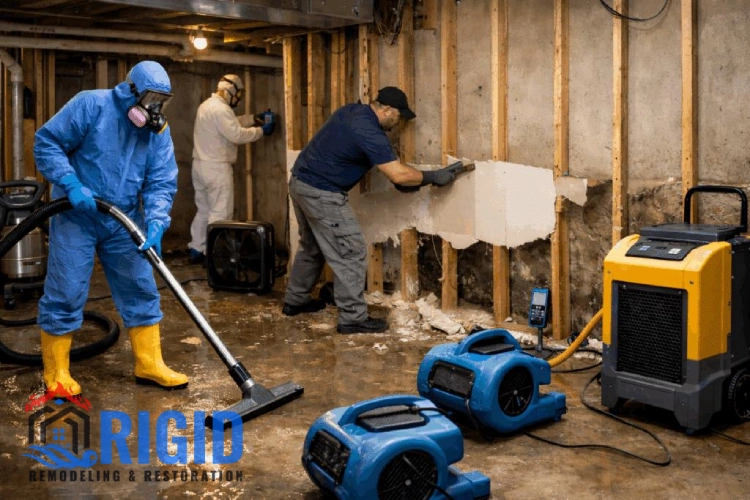
Water damage restoration often involves water extraction, drying equipment, dehumidification, and repairing affected materials like drywall or flooring.
Because the water is often clean or mildly contaminated, many materials can be salvaged if addressed quickly.
Flood Damage Restoration Challenges
Flood damage requires additional steps such as sanitization, removal of contaminated materials, and sometimes complete structural replacement. Carpets, insulation, and drywall are often discarded due to contamination risks.
This makes flood recovery more expensive and time-consuming.
Mold Growth and Long-Term Effects
One of the hidden dangers in both situations is mold growth. However, the speed and severity differ depending on the type of water exposure.
Mold Risk in Water Damage
In water damage cases, mold can begin forming within 24 to 48 hours if moisture is not properly removed. However, because the water source is usually cleaner, remediation is often more manageable.
Mold Risk in Flood Damage
Flood damage creates ideal conditions for rapid mold spread due to high contamination and widespread saturation. This can lead to long-term structural and health issues if not handled professionally.
Cost Comparison Between Water Damage and Flood Damage
Another major difference homeowners often miss when learning how water damage differs from flood damage is cost.
Water damage restoration is generally less expensive because it involves smaller areas and less contamination. Flood damage, on the other hand, can require full-scale reconstruction of multiple rooms or entire floors.
Costs can also increase due to disposal of contaminated materials and specialized cleaning requirements.
Prevention Strategies for Homeowners
While it is impossible to prevent natural flooding, many forms of water damage can be avoided with proper maintenance and awareness.
Regular plumbing inspections, roof maintenance, and appliance checks can significantly reduce the risk of internal leaks. For flood-prone areas, installing sump pumps and flood barriers can help reduce potential damage.
Understanding how water damage differs from flood damage also helps homeowners prepare the right prevention strategy for each risk type.
When to Call a Professional Restoration Service
In both cases, timing is critical. The longer water remains in the home, the greater the damage becomes. Homeowners should contact professionals immediately if water spreads beyond a small contained area or if floodwater enters the property.
Professionals have specialized equipment to detect hidden moisture, prevent mold growth, and restore structural integrity safely.
Conclusion
At first glance, water damage and flood damage may seem similar, but they are fundamentally different in origin, risk level, insurance coverage, and restoration complexity. Understanding how water damage differs from flood damage allows homeowners to make better decisions during emergencies and avoid costly mistakes.
While water damage is often manageable if addressed quickly, flood damage is a large-scale event that requires professional intervention and strict safety measures. Being informed is the first step toward protecting both your property and your financial stability.
FAQs
Is flood damage included in regular home insurance?
No, most standard home insurance policies do not cover flood damage. Homeowners usually need separate flood insurance to be protected against natural flooding events.
Which is more dangerous: water damage or flood damage?
Flood damage is generally more dangerous because the water is contaminated with bacteria, sewage, and chemicals, making it a higher health risk compared to most water damage cases.
Can water damage turn into mold quickly?
Yes, mold can begin forming within 24 to 48 hours if moisture is not properly dried. This is why immediate action is crucial in all types of water-related damage.