It usually starts with something small. A faint sound behind the wall, a damp spot on the ceiling, or a sudden drop in water pressure. Most homeowners ignore it at first—until one day, a pipe bursts and everything changes in minutes.
A burst pipe is not just a plumbing issue; it’s a chain reaction that can affect walls, floors, electricity, furniture, and even the structural safety of your home. In this article, we’ll walk through exactly what happens to your home after a pipe bursts and what you need to expect in the hours, days, and weeks that follow.
Before diving into the damage itself, it’s important to understand that water behaves aggressively once released inside a structure. It spreads fast, seeps into hidden areas, and creates damage far beyond what you can see on the surface.
The Immediate Impact When a Pipe Bursts in Your Home
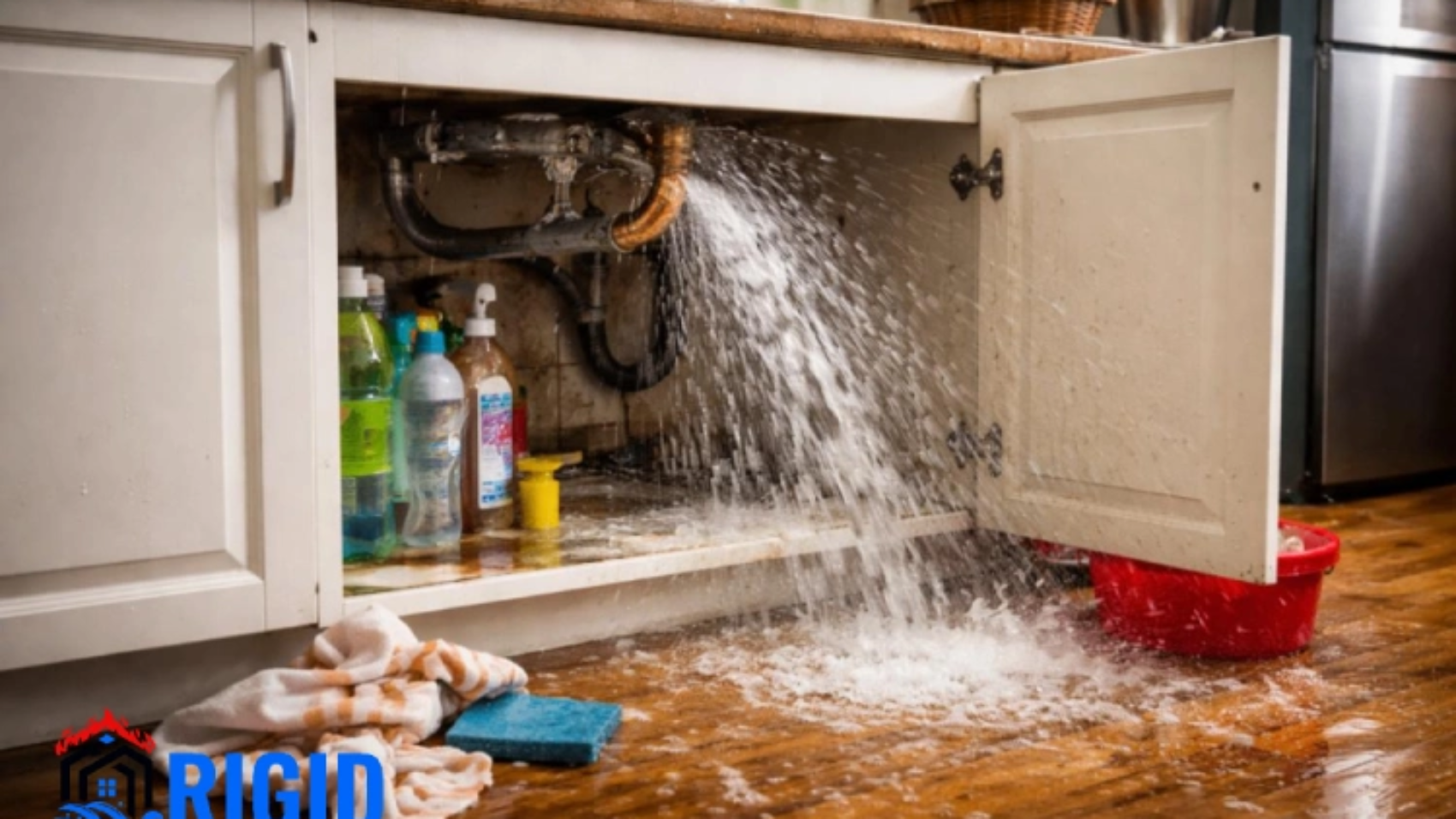
When a pipe bursts, the first few minutes are critical. Water starts escaping under pressure, flooding nearby areas and spreading quickly through floors and walls.
What many homeowners don’t realize is that the initial visible water is only a fraction of the total spread. Much of it travels into hidden spaces like insulation, subfloors, and wall cavities.
Sudden Water Release and Flooding
A burst pipe releases water continuously until it is shut off. This can lead to rapid flooding in kitchens, bathrooms, basements, or ceilings depending on the location of the pipe.
Within minutes, carpets, furniture, and wooden structures begin absorbing water, which significantly increases the damage level.
Electrical and Safety Risks
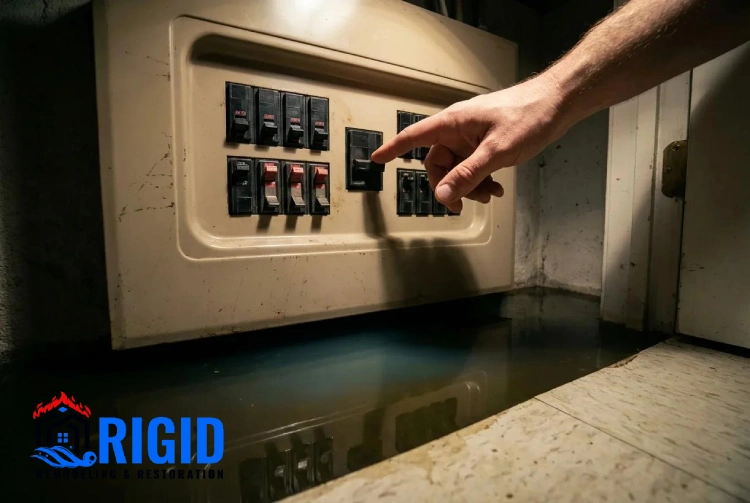
One of the most dangerous consequences after a pipe bursts is electrical exposure. Water can reach outlets, wiring, and appliances.
This creates a serious risk of short circuits or even electrical fires if power is not shut off quickly.
Structural Damage After a Pipe Burst
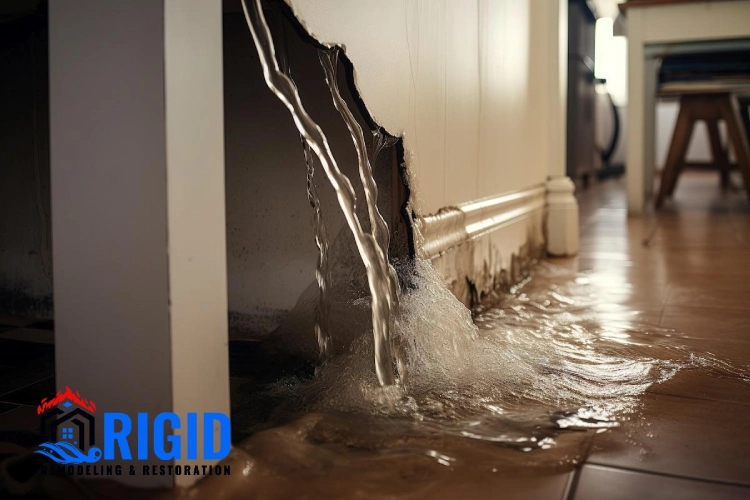
Once the initial flooding spreads, the real damage begins inside the structure of the home. Water does not stay in one place—it penetrates materials and weakens them over time.
Damage to Walls and Drywall
Drywall absorbs water very quickly. After a pipe bursts, walls can start to swell, bubble, or collapse if the moisture level is high.
Paint may peel, and mold can begin forming behind the surface within 24 to 48 hours.
Floor and Foundation Issues
Wooden floors absorb water and expand, leading to warping and buckling. Even tile floors are not completely safe, as water can seep underneath.
If the leak is severe or prolonged, water may even reach the foundation and cause long-term structural weakening.
Hidden Water Damage You Cannot See
One of the most underestimated effects of what happens to your home after a pipe bursts is hidden moisture. Even after visible water is cleaned, moisture remains trapped inside materials.
Moisture in Insulation and Walls
Insulation acts like a sponge, holding water deep inside walls. This creates a perfect environment for mold growth and long-term odor problems.
Drying these areas often requires professional equipment like industrial dehumidifiers.
Mold Growth and Air Quality Issues
Mold can begin developing within 24–72 hours after a pipe bursts. Once it spreads, it affects not only the structure but also indoor air quality.
This can lead to respiratory issues, allergies, and long-term health concerns for residents.
What Happens in the First 24 to 72 Hours
The timeline after a burst pipe is extremely important. The longer water remains, the more severe the damage becomes.
First 24 Hours: Rapid Absorption
During the first day, water spreads into porous materials like wood, fabric, and drywall.
This is the most important window for emergency response and water removal.
24–72 Hours: Mold Begins to Grow
After one to three days, moisture creates ideal conditions for mold. At this stage, damage becomes significantly more expensive to repair.
Odors may also start developing, indicating deeper contamination.
Financial and Repair Consequences
Understanding what happens to your home after a pipe bursts also includes the financial impact. Even a small burst pipe can lead to major repair costs.
Emergency Repairs and Water Extraction
The first expense usually involves emergency plumbing and water removal services.
Industrial drying equipment, dehumidifiers, and sanitization may also be required.
Reconstruction and Replacement Costs
If damage is severe, parts of the home may need full reconstruction. This can include replacing drywall, flooring, insulation, and even cabinetry.
Insurance may cover some costs, but coverage depends on the cause of the burst.
Health Risks After a Pipe Bursts
Water damage is not only a structural problem—it can also affect health in serious ways.
Mold-Related Respiratory Issues
Mold spores released into the air can trigger asthma, coughing, and allergies.
Children and elderly individuals are especially vulnerable to these effects.
Bacterial Contamination
If the burst pipe involves wastewater or dirty water, contamination risk increases significantly.
This can lead to skin irritation and other infections if not cleaned properly.
How Restoration Professionals Fix the Damage
Once the immediate crisis is controlled, restoration experts begin the recovery process. Understanding this helps clarify what happens to your home after a pipe bursts in the long term.
Water Extraction and Drying
High-powered pumps and vacuums are used to remove standing water first. Then industrial dryers eliminate hidden moisture.
This step is crucial to prevent mold growth.
Sanitization and Repair
After drying, surfaces are cleaned and disinfected. Damaged materials are either restored or replaced depending on severity.
This ensures the home becomes safe and habitable again.
Can You Prevent Future Pipe Bursts?
While not all incidents can be avoided, there are preventive steps that reduce risk significantly.
Insulating Pipes in Cold Weather
Cold temperatures are one of the main causes of pipe bursts. Insulation helps prevent freezing and expansion.
This is especially important in basements, attics, and exterior walls.
Regular Plumbing Inspections
Routine inspections can detect weak or corroded pipes before they fail.
Early detection is often the difference between a small repair and major damage.
Conclusion
Understanding what happens to your home after a pipe bursts is essential for every homeowner. The damage is not just about visible water—it extends deep into walls, floors, and even the air you breathe.
The key takeaway is that time matters. The faster you respond, the less damage your home will suffer. With proper action and professional help, most homes can be fully restored, but ignoring the problem can turn a small leak into a major disaster.
FAQs
How quickly does damage start after a pipe bursts?
Damage begins immediately as water spreads and soaks into materials. Within minutes, flooring and furniture can be affected, and within 24 hours, structural damage can begin.
Is it safe to stay in a house after a pipe bursts?
It depends on the severity. If water reaches electrical systems or causes structural damage, it may be unsafe to remain inside until repairs are made.
How long does it take to fully restore a home after a pipe burst?
Restoration can take anywhere from a few days to several weeks depending on the extent of the damage and whether mold has developed.