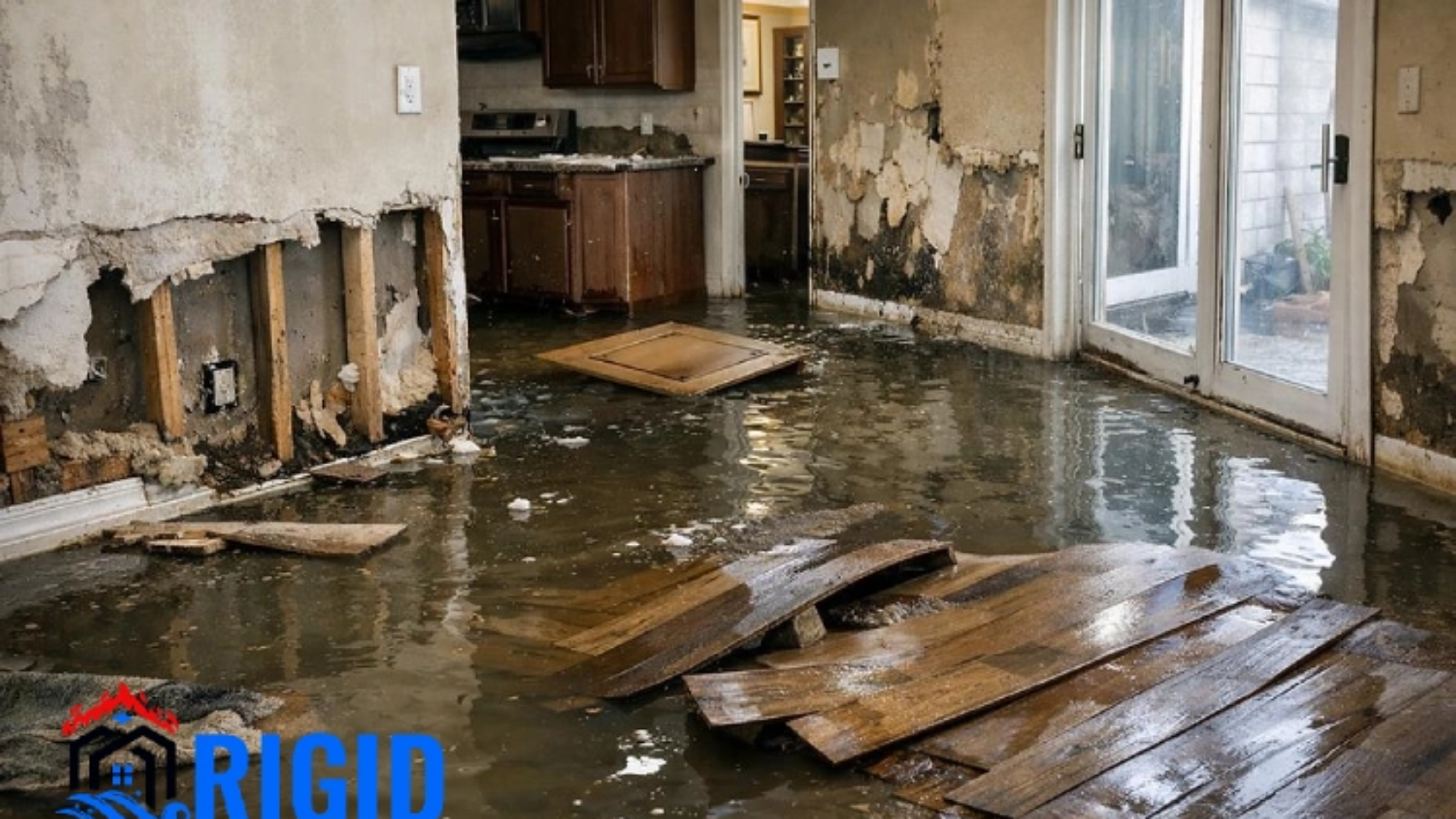
Structural water damage is one of the most serious threats to a home. When water enters your living space, it doesn’t just stain surfaces. If left unchecked, it can weaken beams, warp floorboards, and compromise the integrity of your house. The real question many homeowners ask is: how long before water damages house structure? In this article, we break down the timeline of water exposure and explain how quickly structural problems can begin.
What Is Structural Water Damage?
Structural water damage happens when moisture affects the framework of your home. This includes:
- Wall studs and framing
- Floor joists and subflooring
- Ceiling support beams
- Foundation materials
Unlike cosmetic water damage, such as peeling paint or stains, structural water damage affects the strength and safety of your house. It can lead to:
- Rotting wood
- Rusted metal fasteners
- Cracked foundations
- Sagging ceilings
Because the risks are high, understanding how long water can remain before serious damage begins is critical.
How Long Before Water Damages House Structure?
There is no single answer. The time it takes for structural damage to begin varies based on:
- Amount of water
- Source of water
- Temperature and humidity
- Materials affected
- Ventilation
Still, experts have established general timelines that help homeowners understand risk levels.
- First 24 Hours: Risk Begins
In the first 24 hours, visible signs of damage may be minor. You might notice:
- Warping wood
- Bubbling paint
- Damp drywall
But structural materials are already absorbing water. Wood starts to swell and weaken. If water remains, the risk increases rapidly.
At this stage, calling a restoration professional is already recommended.
- 24 to 48 Hours: Mold and Rot Kick In
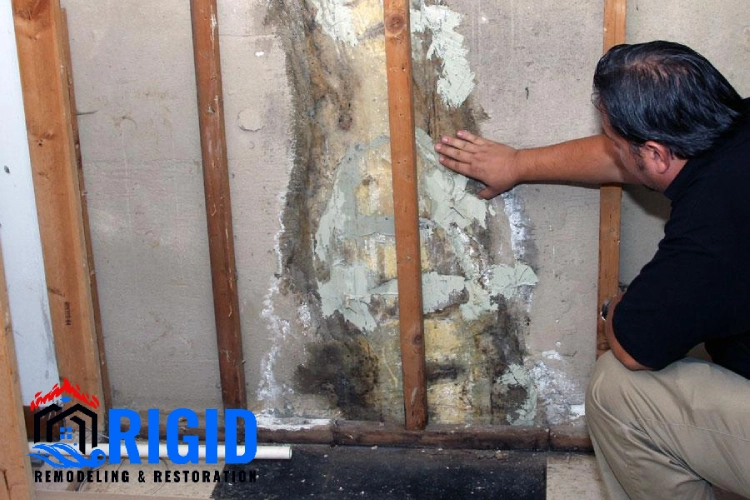
After 24 hours, mold spores begin to grow. Mold doesn’t just discolor surfaces. It eats away at wood and other organic materials. Within 48 hours:
- Wood framing begins to deteriorate
- Drywall loses strength
- Insulation traps moisture
At this point, structural water damage becomes more likely. Mold can spread inside walls and under flooring. Left untreated, small problems become expensive repairs.
- 48 to 72 Hours: Major Damage
Once water sits for more than two days, the structure starts to fail. Wood beams absorb moisture and lose load‑bearing strength. Flooring can delaminate, and metal fasteners begin to corrode. At this stage:
- Ceiling sagging may start
- Floors may feel soft
- Walls may bow outward
Even after water is removed, repairs can be extensive.
- 72 Hours and Beyond: Severe Damage
When water remains for 72 hours or more, the damage can be catastrophic. Structural water damage at this point affects the core of your home’s support system.
Water trapped under floors or inside walls can:
- Cause framing to rot completely
- Warp structural beams
- Lead to foundation cracks
- Make rooms unsafe to occupy
Waiting this long often means full reconstruction of affected areas.
How Water Type Affects Damage Timeline
Not all water is equal. The type of water affects how quickly structural damage occurs.
Clean Water
This comes from rain, broken pipes, or leaks. It poses the lowest immediate health risk. Still, if it isn’t removed quickly, clean water can become contaminated and cause structural harm.
Grey Water
This water contains some contaminants. It comes from washing machines, dishwashers, or sinks. Grey water accelerates damage because it:
- Feeds bacteria
- Promotes mold
- Weakens building materials faster
Black Water
This is the most serious. Black water comes from sewage backups or floods. It carries harmful pathogens and begins to erode building materials almost immediately. Structural water damage from black water requires professional cleanup.
Key Signs Your Structure Is Being Damaged
If water sits too long, your home will show signs of trouble. Watch for:
- Warped or Buckled Flooring
Hardwood and laminate floors warp when exposed to excess moisture. - Sagging Ceilings
Water weakening ceiling joists can cause sections to bow or droop. - Cracks in Walls or Foundation
Moisture expands and contracts materials, leading to cracking. - Soft or Spongy Subflooring
Step on a floor near a leak. If it feels soft, structural damage is already happening. - Persistent Mold
Large mold patches mean water has been present too long.
How to Prevent Structural Water Damage
The good news is that you can prevent most serious issues. Here’s what to do when water enters your home:
Act Immediately
Time is your biggest enemy. The sooner water is removed, the lower the risk of structural damage.
Remove Standing Water
Use pumps, shop vacuums, or professional equipment.
Dry the Area Completely
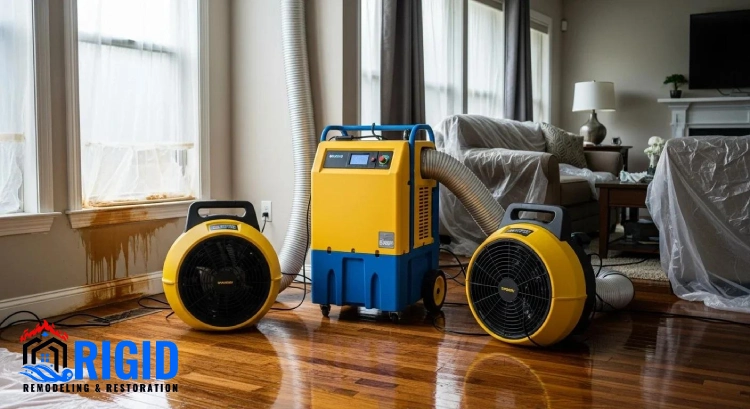
Air movers, dehumidifiers, and open windows help. Treat the space until moisture levels return to normal.
Inspect Hidden Spaces
Water can hide behind walls and under floors. Professionals use moisture meters to find trapped water.
Fix Leaks Permanently
Patch roofs, repair pipes, and seal basement walls.
Why Professional Restoration Matters
Many homeowners underestimate how quickly structural water damage can begin. Even clean water can weaken framing in just 24 to 48 hours.
Certified restoration experts:
- Assess moisture levels deep inside materials
- Use industrial drying systems
- Prevent mold growth
- Repair damaged structure safely
Professionals minimize long‑term costs and protect your home.
Conclusion
Water is more destructive than most people realize. The longer it sits, the worse the outcome. Small problems can become major structural failures in just a few days. Understanding how long before water damages house structure helps you act fast and safeguard your property. If water has entered your home, take swift action. Remove water, dry thoroughly, and call a restoration expert before minor damage becomes a major expense.
If you need reliable information on water removal and repair, visit rigidrestorations.com for guidance and support.
FAQs
How long can water sit before structural damage begins?
Water can begin causing damage to building materials within 24 to 48 hours, especially when it is absorbed by drywall, wood, insulation, or flooring. The longer moisture remains untreated, the greater the risk of warping, swelling, deterioration, and mold growth.
Can water damage get worse even after the water is removed?
Yes. Removing standing water does not always mean the structure is completely dry. Moisture can remain trapped inside walls, floors, insulation, and other materials, allowing damage and mold growth to continue. Professional moisture detection and thorough drying can help prevent hidden problems.
What should I do if water has been sitting inside my home?
The first step is to stop the source of the water if it is safe to do so. Remove standing water, improve ventilation, and dry affected areas as quickly as possible. If water has entered walls, flooring, insulation, or structural components, contacting a professional water damage restoration company is recommended to assess hidden moisture and prevent further damage.