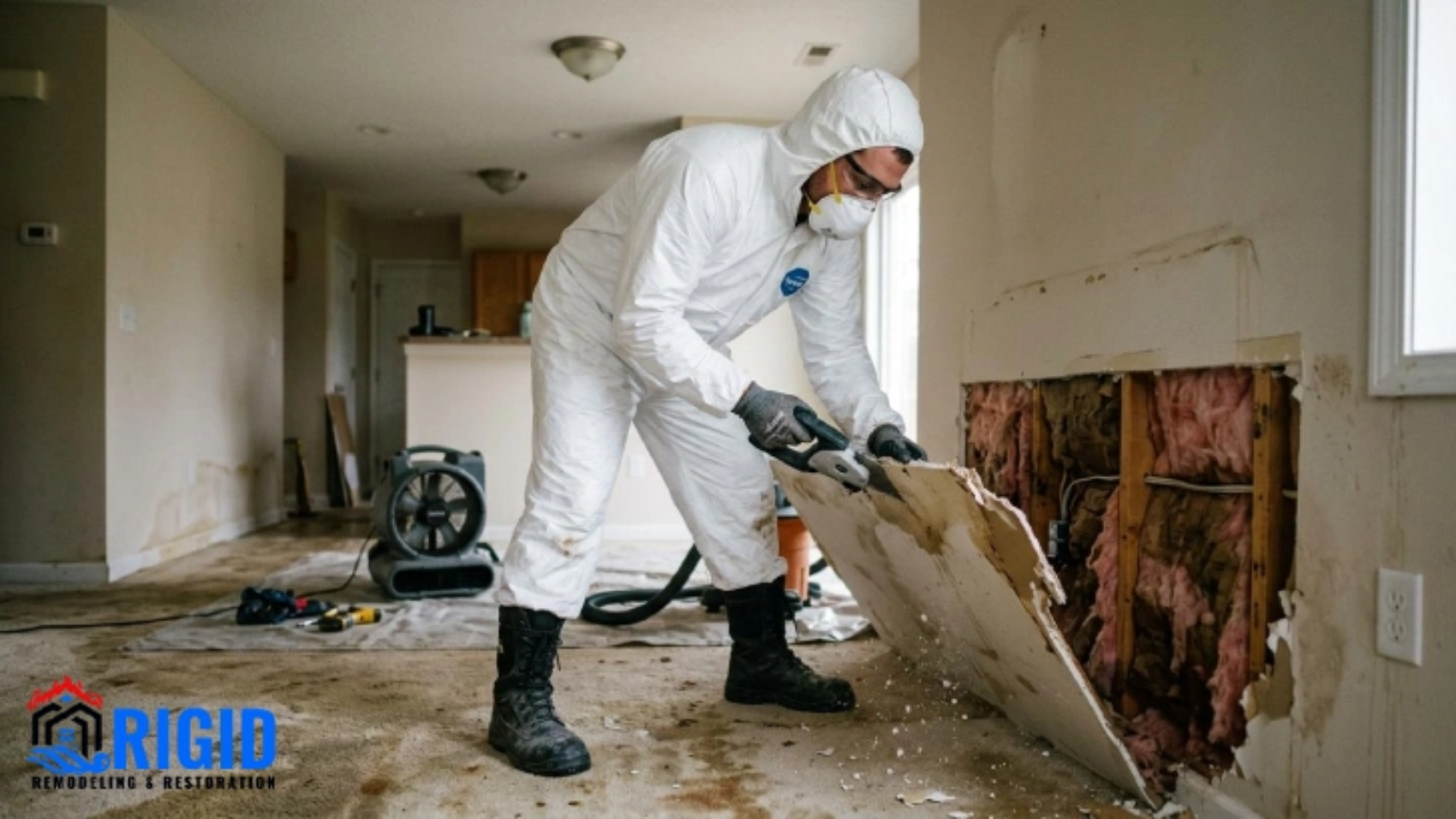
When a pipe bursts in the middle of the night or a basement floods after a heavy storm, most homeowners panic and call the first available contractor. In that rush, one critical factor is often ignored: certification. Yet, in the water damage restoration industry, certifications are not just paperwork—they are proof of competence, safety knowledge, and technical standards.
A properly certified company doesn’t just remove water; it understands moisture behavior, microbial risks, structural drying science, and insurance documentation. Without these qualifications, even a well-intentioned contractor can leave hidden moisture behind, leading to mold growth and long-term structural damage.
This is why understanding What Certifications Should a Water Damage Company Have is essential before hiring anyone for restoration work. It can be the difference between a fully restored home and recurring damage that costs thousands more.
Why certifications matter in water damage restoration
Before listing the exact credentials, it’s important to understand why certifications carry so much weight in this industry. Water damage is not a simple cleaning job—it is a scientific process involving humidity control, material drying rates, and microbial prevention.
A certified technician follows industry-recognized standards such as the IICRC S500 guidelines, ensuring every step from inspection to drying is done correctly. Without these standards, restoration work becomes guesswork, which often leads to hidden moisture pockets and mold outbreaks.
Another key reason certifications matter is insurance compliance. Many insurance companies require documented proof that restoration was handled by trained professionals. This makes What Certifications Should a Water Damage Company Have not just a technical question but also a financial one for property owners.
IICRC Certification: The most important standard in the industry
When discussing What Certifications Should a Water Damage Company Have, the first and most essential credential is the IICRC certification.
What is IICRC?
The Institute of Inspection Cleaning and Restoration Certification (IICRC) is the global standard-setting body for restoration industries. Companies certified under IICRC are trained in water damage restoration, structural drying, and mold remediation.
Why it matters
An IICRC-certified technician understands how water migrates through building materials, how long different materials take to dry, and how to prevent secondary damage. This level of expertise significantly reduces the risk of mold growth and structural weakening.
Key standards followed
Certified professionals work according to S500 (water damage restoration standard), which outlines best practices for extraction, drying, and monitoring.
Without IICRC certification, a company is essentially operating without a scientific framework, which is risky in water damage situations.
EPA Certification for mold and environmental safety
Another important aspect of What Certifications Should a Water Damage Company Have is compliance with environmental safety regulations, especially from the Environmental Protection Agency (EPA).
Role of EPA guidelines
The EPA provides strict rules for handling mold, contaminated water, and airborne pollutants that may occur after water damage. Certified companies understand how to safely contain affected areas and prevent cross-contamination.
Why it matters in real cases
If water damage is left untreated for more than 24–48 hours, mold can begin to develop. EPA-trained professionals know how to handle these situations without exposing occupants to harmful spores or toxic materials.
This certification ensures that restoration is not only effective but also safe for long-term health.
OSHA certification for workplace safety compliance
One often overlooked part of What Certifications Should a Water Damage Company Have is OSHA compliance.
What OSHA covers
The Occupational Safety and Health Administration (OSHA) ensures that restoration workers follow strict safety protocols when dealing with hazardous environments.
Why OSHA matters in restoration work
Water damage sites often include electrical hazards, slippery surfaces, and contaminated water. OSHA-trained professionals know how to manage these risks while protecting themselves and the property owner.
This reduces accidents and ensures that the restoration process is carried out without additional damage or liability issues.
Mold remediation certification: Handling hidden threats
Water damage and mold are closely connected, which makes mold certification a critical part of What Certifications Should a Water Damage Company Have.
What this certification ensures
Companies trained in mold remediation understand how to identify, contain, and remove mold safely. They also know how to prevent spores from spreading during the drying process.
Why it is essential
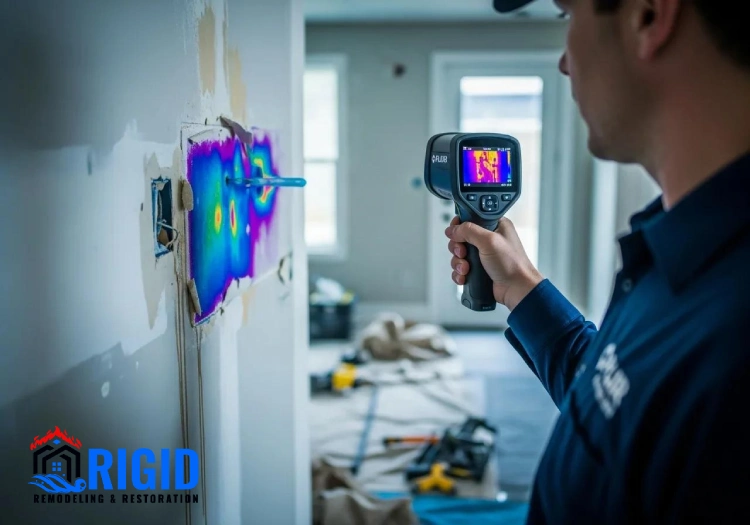
Even after visible water is removed, moisture can remain inside walls or floors. This hidden moisture becomes the perfect environment for mold growth. Certified technicians use moisture meters and thermal imaging to detect these hidden risks.
Without proper mold certification, a restoration company may leave behind a problem that becomes more serious over time.
Insurance and claims handling certification
Another important factor in What Certifications Should a Water Damage Company Have is experience with insurance documentation and claims processing.
Why insurance expertise matters
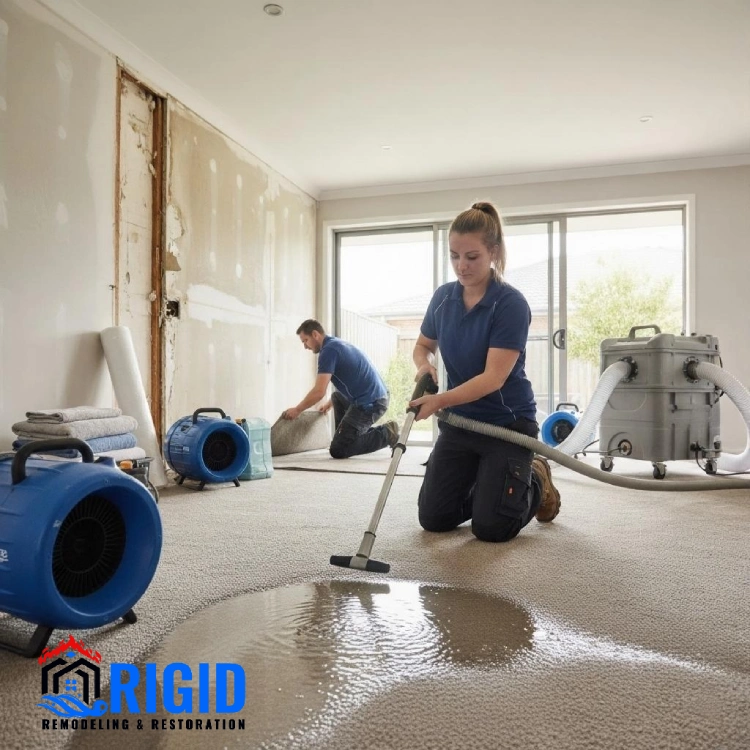
Water damage restoration is often tied to insurance claims. Certified companies understand how to document damage, provide accurate estimates, and communicate with insurance adjusters.
Benefits for homeowners
This ensures smoother claim approvals and reduces the chances of disputes or underpayment. A company experienced in insurance procedures can save homeowners significant stress and financial loss.
Table: Key certifications a water damage company should have
| Certification | Purpose | Importance Level |
|---|---|---|
| IICRC | Water damage restoration standards | Essential |
| EPA | Environmental and mold safety | Very High |
| OSHA | Workplace safety compliance | High |
| Mold Remediation Certification | Safe mold removal | Very High |
| Insurance Handling Training | Claims documentation | Important |
This table summarizes the core elements of What Certifications Should a Water Damage Company Have and helps homeowners quickly evaluate service providers.
How to verify a company’s certifications
Understanding What Certifications Should a Water Damage Company Have is not enough—you also need to verify them.
Check official listings
Most certification bodies like IICRC offer online directories where you can verify if a company is legitimately certified.
Ask for documentation
A reputable company will have no issue showing proof of certification. If a contractor avoids the question, it’s a red flag.
Look for continuous training
The restoration industry evolves constantly. Companies that invest in ongoing training demonstrate long-term professionalism and commitment.
Risks of hiring an uncertified water damage company
Choosing the wrong company can lead to serious consequences. One of the biggest risks is hidden moisture, which often results in mold growth weeks after the initial cleanup.
Another issue is improper drying techniques, which can weaken structural materials like drywall and wood. Over time, this can lead to expensive repairs that far exceed the original restoration cost.
This is why understanding What Certifications Should a Water Damage Company Have is not just helpful—it is essential for protecting your property investment.
Conclusion: Certifications are your first line of protection
Water damage is unpredictable, stressful, and often urgent. But rushing into a decision without checking qualifications can make the situation worse. Certifications exist to ensure that professionals follow scientific, safety, and industry-approved methods.
When evaluating What Certifications Should a Water Damage Company Have, the key takeaway is simple: look for IICRC, EPA compliance, OSHA safety standards, mold remediation expertise, and insurance handling experience.
These certifications are not optional extras—they are the foundation of reliable and professional restoration work. Choosing a certified company means choosing peace of mind, faster recovery, and long-term protection for your property.
Frequently Asked Questions
- Why is IICRC certification so important for water damage companies?
IICRC certification ensures that technicians follow internationally recognized standards for water extraction, drying, and restoration, reducing the risk of hidden damage and mold growth.
- Can a non-certified company handle water damage effectively?
While they may perform basic cleanup, non-certified companies often lack the technical knowledge required for proper drying and contamination control, increasing the risk of long-term damage.
- How do certifications affect insurance claims?
Insurance companies prefer certified restoration providers because their work meets industry standards and includes proper documentation, making claim approval smoother and more reliable.