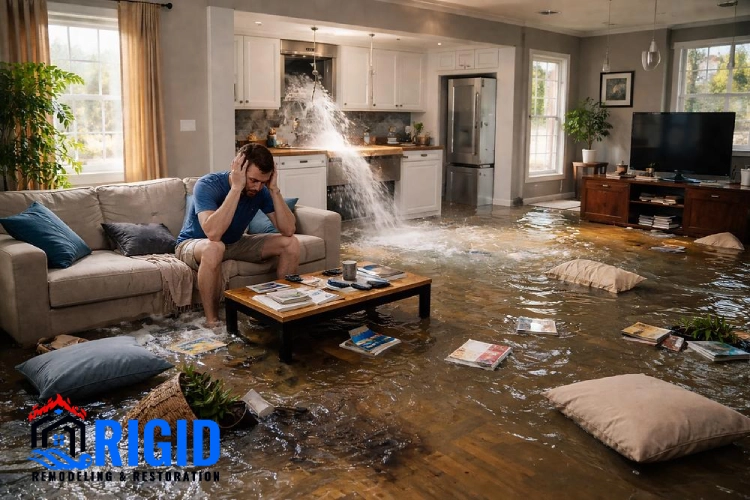
Water damage can strike when you least expect it—whether it’s a burst pipe at midnight, a leaking roof after heavy rain, or an overflowing washing machine. In those first few hours, every decision matters. Some homeowners rush to handle the problem themselves, while others immediately call experts. This is exactly where the debate of DIY Water Cleanup vs Professional Water Damage Restoration becomes important.
Understanding the right approach can save you thousands of dollars, protect your home structure, and even prevent long-term health risks like mold growth. In this guide, we’ll break everything down in a simple, practical way so you can make the right decision when it matters most.
Understanding Water Damage and Why Immediate Action Matters
Before deciding between DIY Water Cleanup vs Professional Water Damage Restoration, it’s important to understand what water damage actually does to a property. Water doesn’t just sit on surfaces—it quickly penetrates walls, floors, insulation, and even the foundation of your home.
The longer moisture stays, the higher the risk of structural damage and mold growth. Within 24 to 48 hours, mold spores can begin to develop, turning a small water issue into a serious health and financial problem.
Common causes of water damage
Water damage usually comes from everyday household issues. These include broken pipes, roof leaks, appliance failures, and natural flooding. Even small leaks can escalate if not addressed quickly.
Why time is critical
Time is the biggest factor in water damage recovery. The faster you respond, the less severe the damage becomes. This is one of the key reasons people compare DIY Water Cleanup vs Professional Water Damage Restoration when an incident occurs.
DIY Water Cleanup Approach Explained
When people first face water damage, many try to handle it themselves. The idea behind DIY Water Cleanup vs Professional Water Damage Restoration is often cost-saving, but it requires understanding what DIY can realistically achieve.
DIY cleanup typically involves removing standing water, drying surfaces, and using household tools like fans and dehumidifiers. It can work in very minor cases, but it has clear limitations when moisture spreads deep into materials.
Step-by-step DIY cleanup process
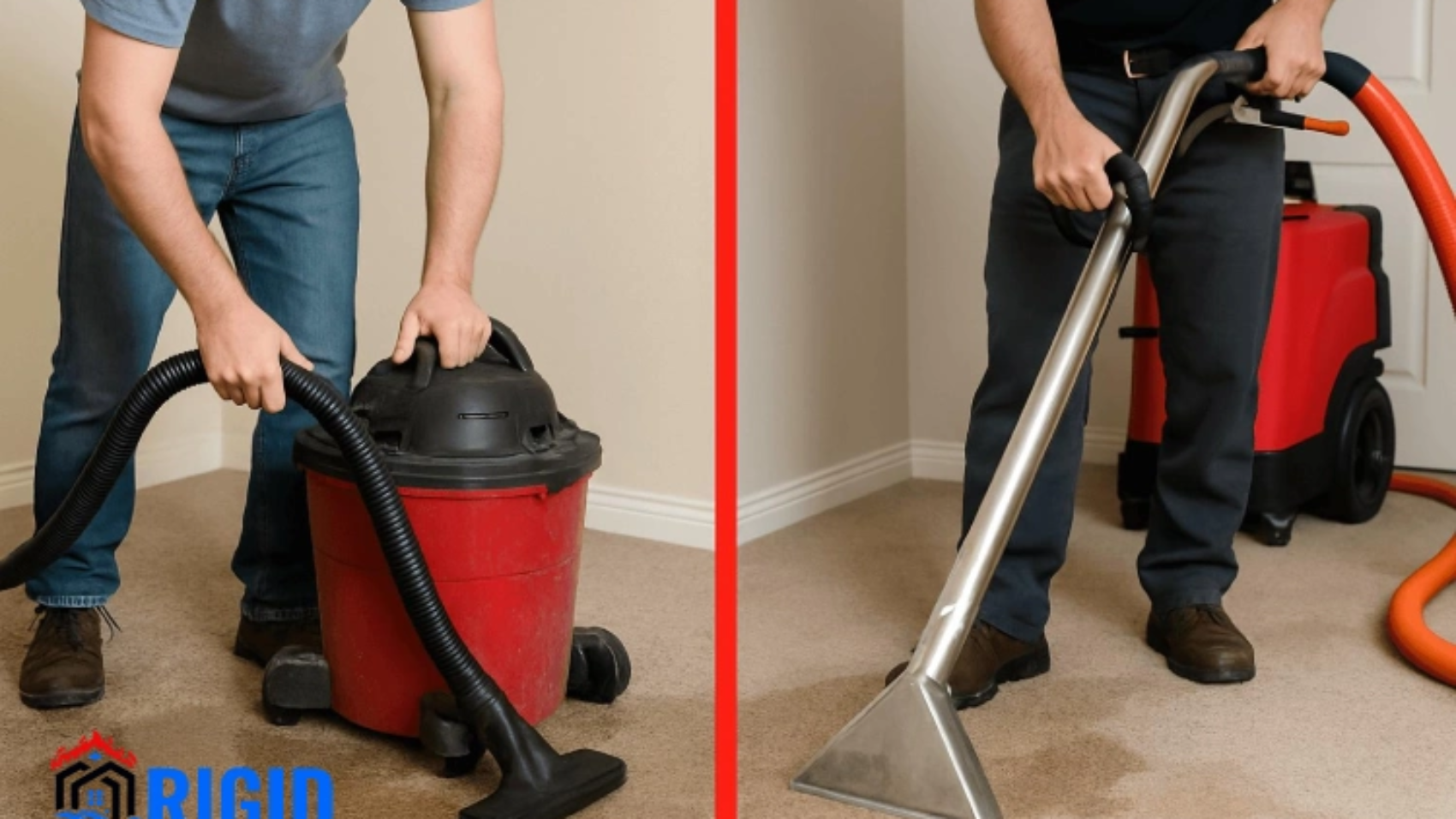
In small water damage situations, homeowners usually start by stopping the water source, removing wet items, and using towels or wet vacuums. After that, fans and open windows are used to dry the area.
However, even when the surface looks dry, hidden moisture can remain inside walls and flooring, which is why DIY Water Cleanup vs Professional Water Damage Restoration becomes a serious decision point.
Limitations of DIY methods
DIY methods cannot detect hidden moisture or prevent mold growth effectively. Without industrial equipment, it’s difficult to fully restore the property to its original condition.
Professional Water Damage Restoration Services
On the other side of DIY Water Cleanup vs Professional Water Damage Restoration, we have professional services that use advanced tools and trained experts to handle water damage thoroughly and safely.
Professional restoration companies follow a structured process that includes inspection, water extraction, drying, dehumidification, and sanitization. Their goal is not just to remove visible water but to restore the entire structure.
Advanced equipment and techniques
Professionals use industrial-grade air movers, moisture meters, and dehumidifiers. These tools allow them to detect hidden water and ensure complete drying, which is something DIY methods cannot achieve.
Full restoration process
The process usually begins with damage assessment, followed by water removal, deep drying, and mold prevention. This is why many experts strongly recommend professionals when discussing DIY Water Cleanup vs Professional Water Damage Restoration.
DIY vs Professional Water Damage Restoration: Key Differences
When comparing DIY Water Cleanup vs Professional Water Damage Restoration, it becomes clear that both approaches serve different purposes depending on the severity of the damage.
DIY is suitable for very minor spills or surface-level water issues, while professional restoration is designed for deep, widespread, or long-term water exposure.
Comparison overview
To make things clearer, here’s a simple breakdown:
| Factor | DIY Water Cleanup | Professional Restoration |
|---|---|---|
| Cost | Low | Higher but insured options available |
| Equipment | Basic household tools | Industrial-grade machines |
| Effectiveness | Limited | Highly effective |
| Mold prevention | Weak | Strong |
| Time required | Longer for results | Faster and thorough |
This comparison shows why DIY Water Cleanup vs Professional Water Damage Restoration is not just about cost, but also about long-term safety and property protection.
Risks of DIY Water Cleanup
One of the most overlooked aspects of DIY Water Cleanup vs Professional Water Damage Restoration is the risk involved in doing it yourself. While DIY might seem simple, hidden dangers often appear later.
Hidden moisture and mold growth
Even if surfaces look dry, moisture can stay trapped inside walls and flooring. This creates the perfect environment for mold, which can spread quickly and affect indoor air quality.
Structural damage over time
Improper drying can weaken wood, drywall, and insulation. Over time, this can lead to costly repairs that far exceed the cost of professional restoration.
When Should You Call Professionals?
Knowing when to choose DIY Water Cleanup vs Professional Water Damage Restoration is crucial for protecting your home.
Severe or widespread water damage
If water has spread across multiple rooms or has soaked into walls and floors, professional help is necessary. DIY methods will not be enough in these cases.
Contaminated water situations
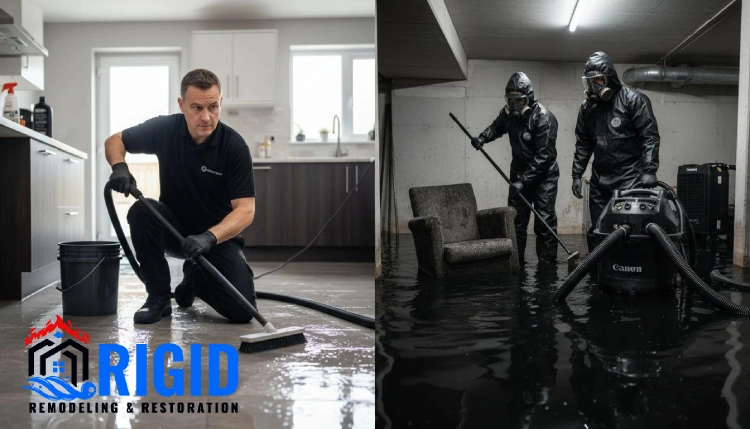
If the water comes from sewage or flood sources, it is unsafe to handle without proper equipment. Professionals are trained to manage such hazardous conditions safely.
Cost Considerations: DIY vs Professional Restoration
Cost is often the main reason homeowners try DIY methods. However, when evaluating DIY Water Cleanup vs Professional Water Damage Restoration, it’s important to think beyond immediate expenses.
Short-term savings vs long-term costs
DIY may save money upfront, but hidden damage can lead to expensive repairs later. Professional services may cost more initially but often prevent bigger financial losses in the future.
Insurance coverage options
In many cases, insurance policies cover professional restoration services. This makes the decision between DIY Water Cleanup vs Professional Water Damage Restoration easier for homeowners.
Prevention Tips to Avoid Future Water Damage
Preventing water damage is always better than dealing with cleanup. Whether you choose DIY Water Cleanup vs Professional Water Damage Restoration, prevention should always be a priority.
Regular home inspections
Checking pipes, roofs, and appliances regularly can help detect small leaks before they become serious problems.
Installing water detection systems
Modern smart sensors can alert you immediately when water leaks occur, helping you act before damage spreads.
Conclusion
At the end of the day, the choice between DIY Water Cleanup vs Professional Water Damage Restoration depends on the severity of the situation. DIY methods may work for small, manageable spills, but they fall short when water damage becomes deep or widespread.
Professional restoration offers a more complete and reliable solution, ensuring your home is fully dried, safe, and protected from future issues like mold and structural damage. Understanding the difference between the two approaches helps you make faster, smarter decisions when water damage strikes.
Frequently Asked Questions
Is DIY water cleanup safe for all types of water damage?
No, DIY cleanup is only safe for very minor and clean water spills. Larger or contaminated water damage requires professional handling.
How long does professional water damage restoration take?
It usually depends on the severity, but most projects take between 2 to 5 days for full drying and restoration.
Can water damage cause long-term health problems?
Yes, if not properly treated, it can lead to mold growth which may cause respiratory issues and allergies.
What is the biggest mistake in DIY water cleanup?
The biggest mistake is assuming the area is fully dry when hidden moisture is still present, leading to mold growth later.