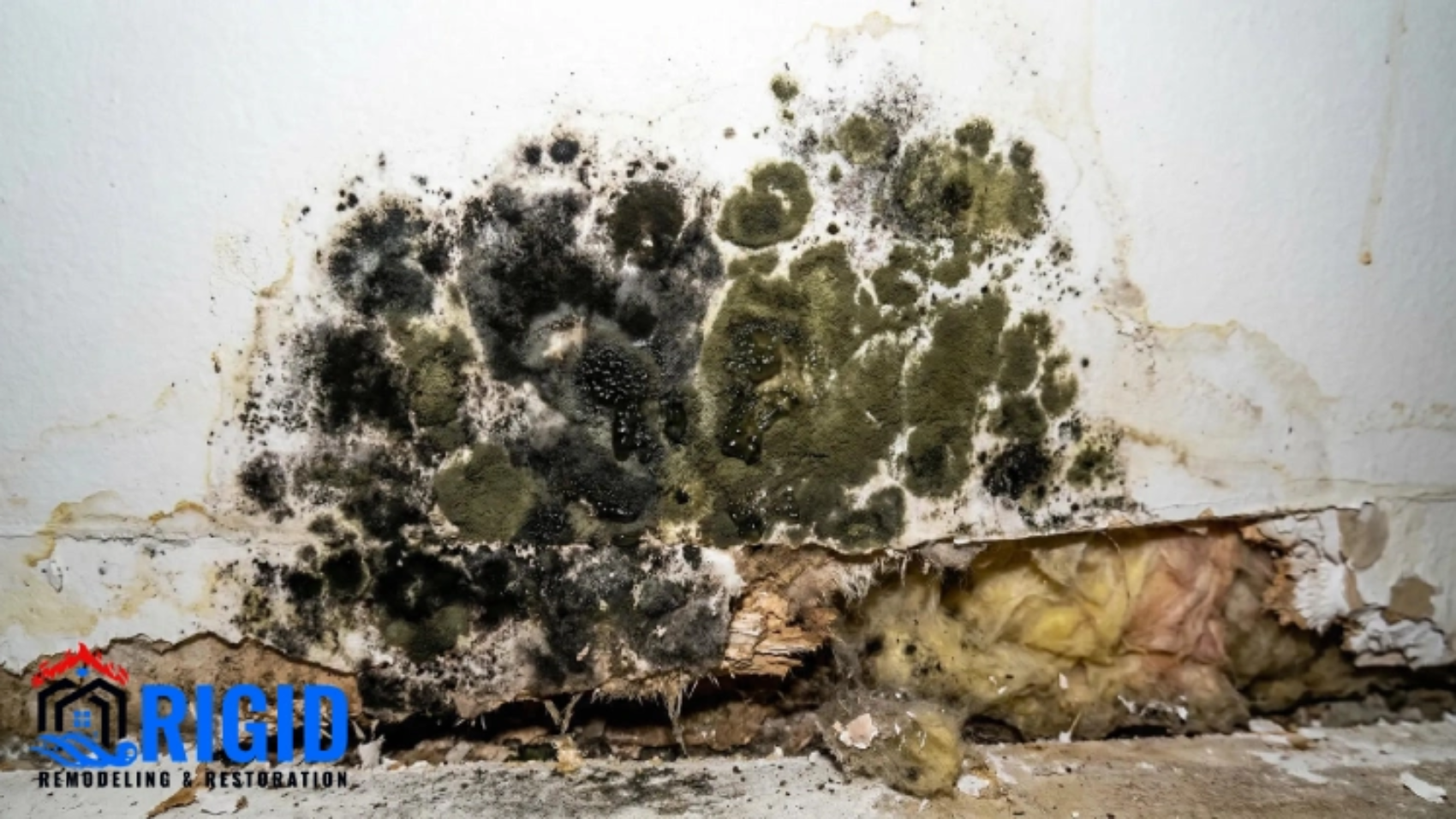
Flooding can cause extensive damage to residential and commercial properties, but one of the most persistent and dangerous consequences is mold growth.
Mold thrives in moist environments, and humidity levels play a critical role in determining how quickly and extensively it spreads. Understanding the relationship between humidity and mold growth is essential for homeowners, property managers, and restoration professionals seeking to protect both property and occupant health.
The Role of Humidity in Mold Development
Humidity refers to the amount of water vapor present in the air. When humidity levels are elevated, moisture can accumulate on walls, ceilings, floors, and other surfaces. After flooding, excess moisture in the building structure creates ideal conditions for mold spores, which are naturally present in the environment, to germinate and multiply.
Mold can begin growing within 24 to 48 hours if surfaces remain damp, and the process accelerates as humidity levels rise. The higher the relative humidity, the faster mold spreads, affecting not only structural materials but also the indoor air quality.
Critical Humidity Thresholds for Mold Growth
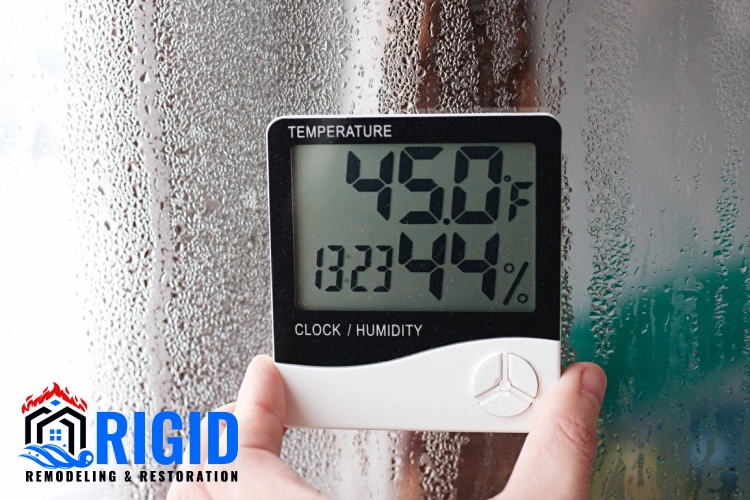
Research and restoration experience indicate that mold growth becomes a significant risk when indoor humidity exceeds 60%. In post-flood environments, relative humidity can reach 70–90% if proper drying techniques are not applied. Prolonged exposure to these levels promotes the growth of common molds such as Aspergillus, Penicillium, and Cladosporium.
How Flooding Exacerbates Humidity Problems
Flooding introduces large volumes of water into a building, soaking flooring, drywall, insulation, and other absorbent materials. Without prompt removal and drying, moisture remains trapped, elevating humidity throughout the affected areas. Even after surface water is extracted, residual moisture in hidden cavities, crawl spaces, and behind walls can maintain high humidity levels, creating long-term mold risk.
Additionally, floodwater may introduce contaminants, providing nutrients for mold to thrive. The combination of high humidity and organic matter in building materials accelerates the mold proliferation process.
Health Risks of Mold Growth
Mold is not just a property concern—it is a health hazard. Exposure to mold spores can trigger respiratory issues, allergic reactions, sinus infections, and asthma attacks. In severe cases, toxic molds such as Stachybotrys chartarum (black mold) can cause more serious health complications. Post-flooding environments are particularly dangerous because the combination of high humidity and stagnant water accelerates mold growth.
Signs of Mold Growth After Flooding
Property owners should watch for early indicators of mold after flooding:
- Musty or earthy odors
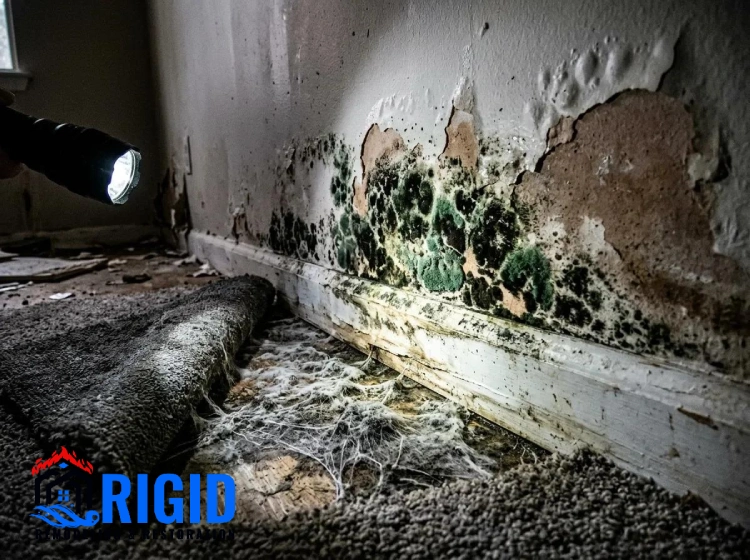
- Discoloration or black spots on walls, ceilings, or floors
- Peeling, bubbling, or warped paint and wallpaper
- Allergic reactions in occupants, such as coughing, sneezing, or irritation
Prompt action is essential once these signs appear, as mold can spread rapidly and penetrate porous materials.
Mitigating Mold Growth Through Humidity Control
Controlling humidity is the most effective way to prevent mold growth after flooding. Professional restoration companies employ several strategies:
- Water Extraction: Removing standing water immediately after a flood reduces moisture and limits humidity levels.
- Drying Equipment: Industrial fans, blowers, and dehumidifiers remove moisture from air and surfaces, lowering relative humidity to safe levels.
- Ventilation: Opening windows and using HVAC systems can help circulate air and remove moisture, further reducing humidity.
- Moisture Monitoring: Using moisture meters and sensors ensures that all areas, including hidden cavities, are dry and safe from mold risk.
- Preventive Treatments: Application of antimicrobial solutions on affected surfaces helps prevent mold spores from germinating, particularly in high-humidity areas.
Long-Term Humidity Management
Even after immediate flood damage is addressed, maintaining proper humidity levels is critical. Installing dehumidifiers, monitoring indoor air quality, and addressing leaks promptly can prevent residual moisture from triggering mold growth. Relative humidity should ideally remain below 50% in indoor environments to minimize mold risk.
Insurance and Restoration Considerations
Insurance companies often require documentation of flood damage and mitigation efforts. Proper humidity control is a crucial part of restoration and helps support claims for mold remediation. Restoration professionals provide detailed reports, including moisture readings and drying timelines, which are essential for insurance purposes.
Preventive Tips for Property Owners
- Immediate Action: Begin water extraction and drying as soon as flooding occurs.
- Monitor Humidity: Use hygrometers to track relative humidity in affected areas.
- Hire Professionals: Certified restoration companies have the equipment and expertise to manage post-flood humidity and prevent mold growth.
- Check Hidden Areas: Crawl spaces, attics, and wall cavities are often overlooked but are prime locations for mold if humidity remains high.
- Maintain HVAC Systems: Proper ventilation and air conditioning can help manage indoor humidity levels long-term.
Conclusion
High humidity after flooding creates the perfect conditions for mold growth, which can cause significant property damage and pose serious health risks. Controlling humidity through prompt water extraction, professional drying, and ongoing monitoring is critical for preventing mold proliferation.
FAQs
1. How does humidity contribute to mold growth after flooding?
High humidity creates the perfect environment for mold spores to grow and spread rapidly. After flooding, excess moisture in the air and building materials accelerates mold development, often within 24 to 48 hours.
2. What humidity level promotes mold growth in flooded areas?
Mold typically begins to grow when indoor humidity levels rise above 60%. After flooding, humidity can easily exceed this level, making immediate drying and dehumidification essential.
3. How can you control humidity to prevent mold after flooding?
You can control humidity by using dehumidifiers, improving ventilation, and removing wet materials quickly. Keeping indoor humidity below 50% significantly reduces the risk of mold growth.