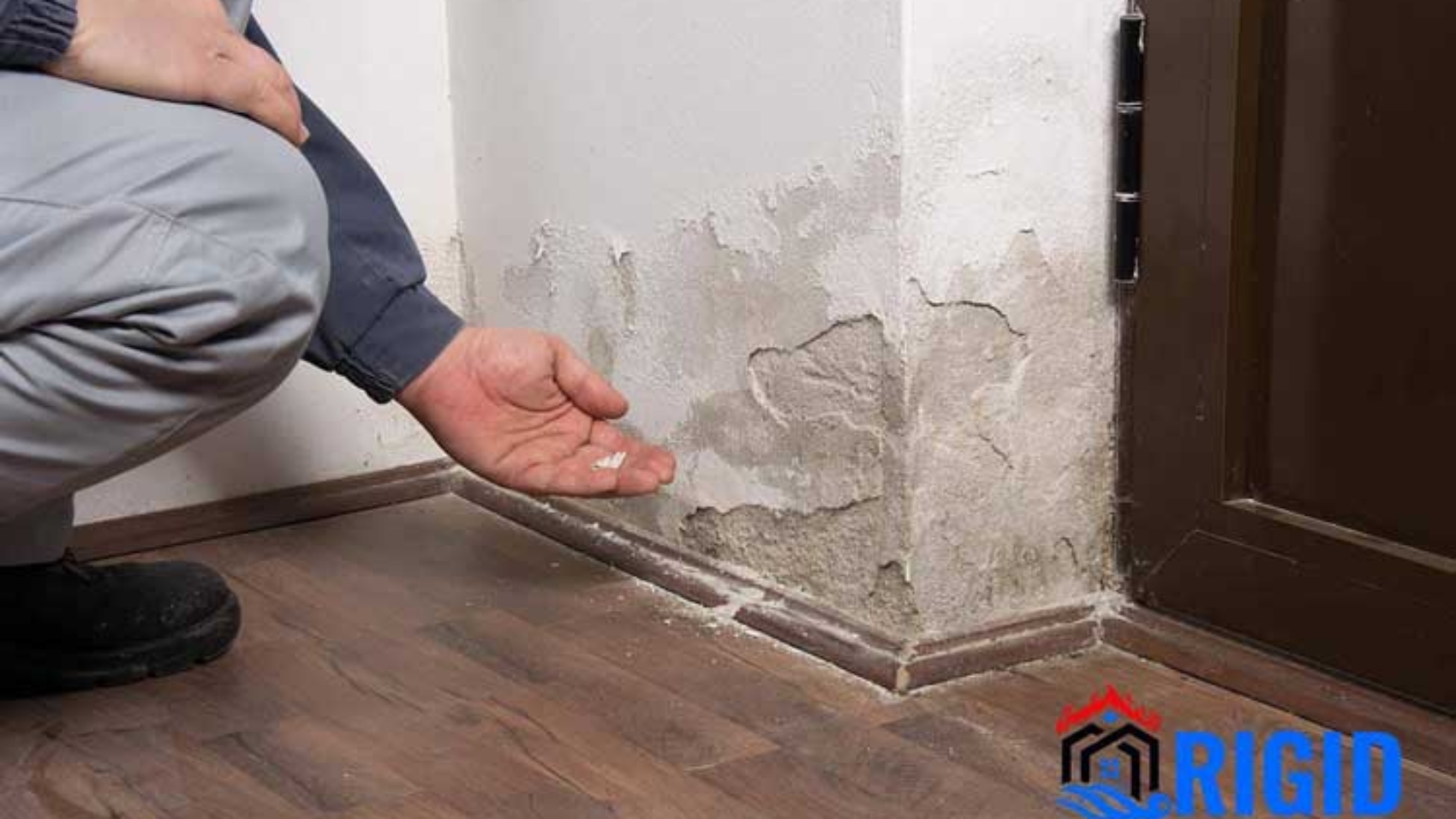
Most water damage is preventable. Behind the dramatic burst pipes and storm floods, the majority of home water damage starts small: a worn washing machine hose, a slow drip under a sink, a clogged gutter, a water heater past its prime. The EPA reports that household leaks waste more than 1 trillion gallons of water nationwide every year, and the average home loses nearly 10,000 gallons to leaks annually.
The good news is that a modest amount of routine maintenance stops most of it. This guide walks through the highest-value prevention steps, room by room and season by season, so you can catch the small problems before they become five-figure ones.
And if prevention comes too late, Rigid Restorations provides 24/7 emergency water damage response across San Diego County. Call 760-500-1818 for fast help.
TL;DR
- Household leaks waste over 1 trillion gallons a year nationwide; fixing them can cut your water bill by about 10% (EPA WaterSense).
- Replace rubber washing machine and appliance hoses every 5 years, and know where your main water shutoff is.
- Inspect and clean gutters and downspouts twice a year to keep storm water away from your foundation.
- Water heaters typically last 8 to 12 years; replace aging units before they fail.
- Install water leak detectors and consider an automatic shutoff valve for early warning.
- In San Diego, prepare specifically for winter atmospheric river storms and hidden slab leaks in older homes.
Start With the One Thing Everyone Should Know
Before any maintenance checklist, learn where your main water shutoff valve is and how to operate it. In a burst-pipe emergency, the difference between a minor cleanup and a flooded home is often the 60 seconds it takes to shut off the water. Test the valve once a year so it is not seized when you need it, and make sure everyone in the household knows where it is.
Room-by-Room Prevention Checklist
Most leaks originate in a few predictable places. Work through these areas a couple of times a year.
| Area | What to Check | How Often |
|---|---|---|
| Kitchen | Under-sink connections, dishwasher hose, fridge water line | Every 3 to 6 months |
| Bathrooms | Toilet supply and seal, caulking, under-sink lines, tub and shower grout | Every 3 to 6 months |
| Laundry | Washing machine hoses for bulging or cracks | Twice a year; replace hoses every 5 years |
| Water heater | Tank base for corrosion or moisture, age of unit | Twice a year; replace at 8 to 12 years |
| Roof and attic | Missing shingles, flashing, ceiling stains | Twice a year and after major storms |
| Gutters and drainage | Clogs, proper downspout runoff away from foundation | Twice a year, before and after winter |
Fix the Small Leaks First
Small leaks are easy to ignore and surprisingly costly. A faucet dripping once per second wastes more than 3,000 gallons a year. Ten percent of homes have leaks that waste 90 gallons or more per day. Beyond the water bill, a slow leak under a sink or behind a wall is a direct path to hidden mold and rot. Fixing the easy leaks can also cut your water bill by around 10%.
| Small Leak | Annual Water Wasted |
|---|---|
| Faucet dripping once per second | More than 3,000 gallons |
| Showerhead leaking 10 drips per minute | More than 500 gallons |
| Running or worn toilet flapper | Hundreds to thousands of gallons |
| Average home’s combined leaks | Nearly 10,000 gallons |
Seasonal Prevention for San Diego Homes
San Diego’s risks are seasonal and structural. The dry months are the time to prepare the roof and drainage for winter. The wet months are when atmospheric river storms test those defenses. Older homes on slab foundations carry a year-round risk of hidden slab leaks.
- Before winter (fall): clean gutters and downspouts, inspect and repair roof flashing, clear yard drains, and check that grading slopes water away from the foundation.
- During storm season (winter): monitor ceilings and attics for leaks after heavy rain, keep an eye on low-lying areas, and clear debris from drains between storms.
- Year-round: watch for warm spots on floors, unexplained water bill increases, and musty odors that can signal a slab leak.
Technology That Prevents Floods
A few inexpensive devices dramatically reduce risk. Smart water leak detectors placed near appliances and the water heater sound an alarm or alert your phone the moment they sense moisture. An automatic shutoff valve goes further, cutting off water flow when it detects abnormal use, which is especially valuable when you are away from home. For the cost of a single service call, these tools can prevent a flood that would cost thousands.
Real-World Examples
The Hose That Was Replaced in Time
During a routine check, a homeowner noticed a small bulge in a rubber washing machine hose and replaced both hoses with braided stainless lines. Two months later a neighbor with identical original hoses had one burst while at work, flooding a laundry room and hallway. A five-dollar part and ten minutes of maintenance prevented the same outcome.
The Leak Detector That Paid for Itself
A family installed a leak sensor under the kitchen sink after a prior scare. Months later it alarmed overnight when a supply line began seeping. They shut the valve and made a simple repair the next morning. Without the sensor, the slow leak would have saturated the cabinet base and subfloor before anyone noticed.
Glossary
Main Water Shutoff Valve: The valve that stops all water entering your home. Knowing its location and testing it yearly is the single most important preventive step in an emergency.
Automatic Shutoff Valve: A smart device that detects abnormal flow and shuts off your water automatically, preventing a small leak from becoming a flood while you are away.
Water Leak Detector: A small sensor placed near appliances, water heaters, and sinks that alarms when it detects moisture, giving you early warning of a leak.
Slab Leak: A leak in the water lines beneath a home’s concrete foundation, common in older San Diego homes and a frequent cause of hidden water damage.
Supply Line: The flexible hose connecting an appliance or fixture to the water supply. Braided stainless lines are more durable than rubber and less prone to bursting.
Atmospheric River: A concentrated band of moisture in the atmosphere that delivers heavy, sustained rain, the primary storm-related water damage risk in San Diego winters.
Frequently Asked Questions
What is the most common cause of home water damage?
Plumbing and appliance failures lead the list: burst or leaking supply lines, failed water heaters, washing machine hose ruptures, and slow leaks under sinks. Many begin as small drips that go unnoticed until they cause major damage, which is why regular inspection matters.
How often should I replace appliance water hoses?
Replace rubber washing machine and appliance supply hoses about every 5 years, and consider upgrading to braided stainless steel lines, which are far more resistant to bursting. Inspect them for bulging, cracking, or corrosion at least once a year.
How can I prevent water damage while on vacation?
Shut off your main water supply before extended trips, or install an automatic shutoff valve. Have someone check the home periodically, and consider smart leak detectors that alert your phone. Most vacation-home floods come from failures that ran unchecked for days.
How long do water heaters last?
Most tank water heaters last 8 to 12 years. As they age, corrosion can cause slow leaks or sudden tank ruptures. Replacing an aging unit proactively is far cheaper than cleaning up after it fails and floods the surrounding area.
Do smart leak detectors really help?
Yes. Leak detectors placed near water heaters, washing machines, dishwashers, and sinks provide early warning of moisture, and automatic shutoff valves can stop a leak before it floods. They are among the most cost-effective ways to prevent major water damage.
What water damage risks are specific to San Diego?
Winter atmospheric river storms that overwhelm gutters and roofs, and hidden slab leaks in older homes built on concrete foundations. Coastal humidity also slows drying, so any leak has more time to cause mold. Seasonal roof and drainage maintenance is especially important here.
Final Thoughts
Preventing water damage is not about expensive systems or constant worry. It is about a handful of simple habits: know your shutoff valve, replace aging hoses and water heaters, keep water flowing away from your foundation, and let inexpensive sensors watch the spots you cannot. Do those things and you eliminate the vast majority of water damage risk.
If a leak or storm gets past your defenses, act fast. Rigid Restorations provides 24/7 emergency water damage restoration across San Diego County, with rapid drying and full insurance support. Call 760-500-1818.