Water damage can cause serious problems for homeowners, with one of the most dangerous being the rapid growth of mold. Mold and water damage are often intertwined, as moisture creates the perfect breeding ground for mold spores to thrive. Without proper water damage restoration prevent mold strategies, mold can spread quickly, causing health issues and damaging the structure of your home. In this blog post, we’ll explore how professional water damage contractors prevent mold growth through effective flood damage restoration processes. By understanding the role of professionals in mold prevention, you can better protect your home from long-term damage.
- Why Mold Growth Is a Concern After Water Damage
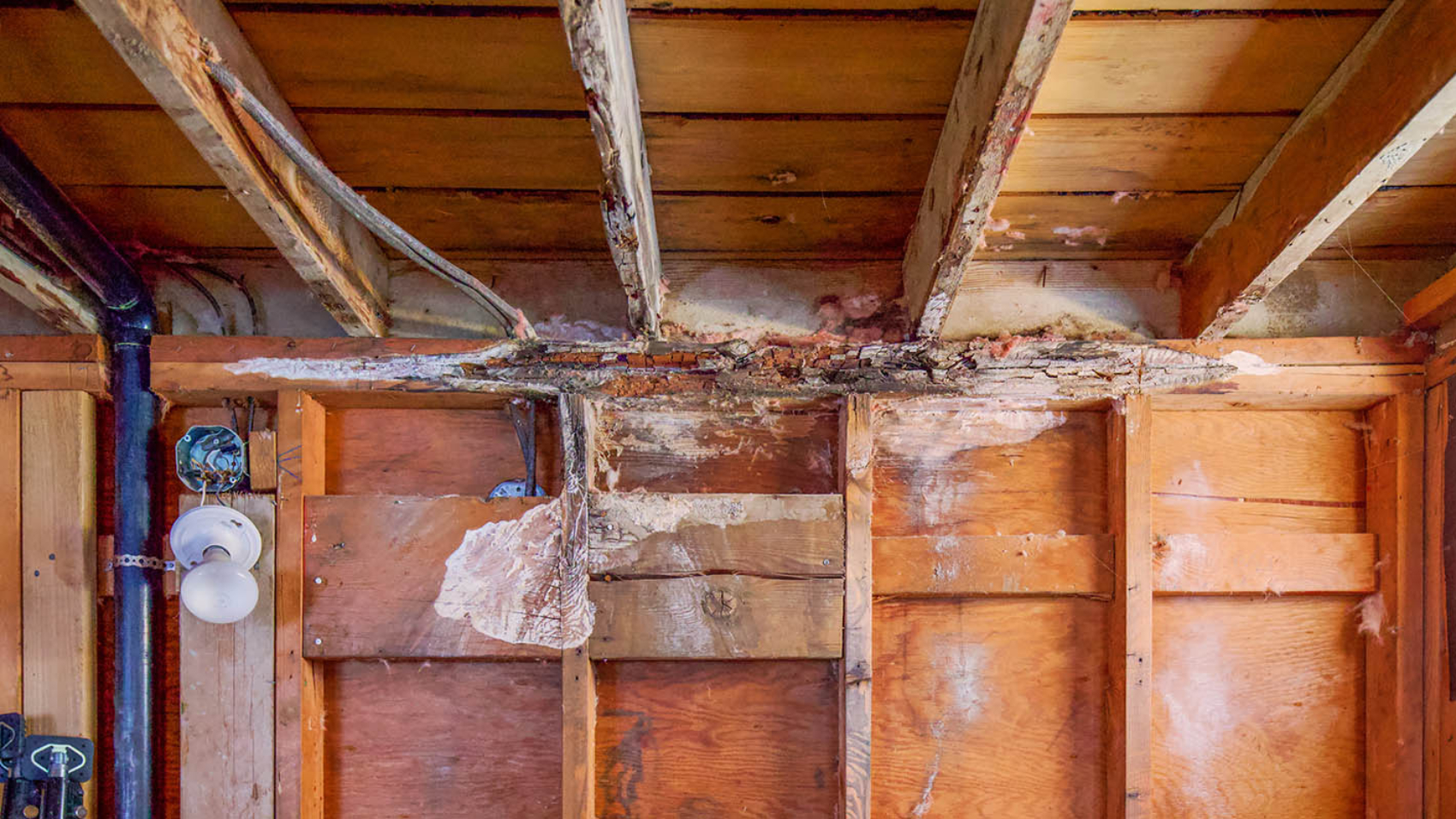
Mold growth is a natural consequence of water damage if not addressed quickly. Mold spores are present in the air around us all the time, but they typically remain harmless unless they come into contact with excess moisture. When water enters your home whether through a leaking roof, burst pipes, or flooding—it can soak into building materials like drywall, wood, and insulation. If these materials remain damp for more than 24 to 48 hours, mold can begin to grow.
- Health risks: Mold can cause a variety of health problems, especially for individuals with allergies, asthma, or weakened immune systems. Symptoms like coughing, wheezing, skin irritation, and eye problems are common.
- Structural damage: Mold can weaken the structural integrity of your home, causing wood to rot and drywall to deteriorate. Over time, this can result in costly repairs and even compromise the safety of your home.
Given the risks, addressing water damage promptly is crucial to preventing mold from taking hold in your home.
- The Importance of Professional Water Damage Restoration
While homeowners may attempt DIY methods to manage water damage, the process often requires the expertise of water damage contractors to fully restore the home and prevent mold growth. These professionals have the knowledge, tools, and experience necessary to properly handle water damage and mitigate the risks of mold development.
- Thorough inspection: Professional water damage contractors conduct a detailed assessment of the affected areas to identify the full extent of the damage. This ensures that no hidden moisture is left behind, which could lead to mold growth.
- Efficient water removal: Using specialized equipment like industrial wet vacuums, pumps, and dehumidifiers, restoration professionals can quickly and effectively remove standing water, reducing the risk of further damage.
- Dealing with hidden moisture: One of the major issues with water damage is that moisture can seep into areas that are not immediately visible, such as behind walls, beneath floors, or inside insulation. Water damage contractors use moisture detection tools to locate and address these hidden sources of water, which are prime locations for mold growth.
By addressing water damage comprehensively, professionals can ensure that all moisture is removed and that mold has no opportunity to form.
- Speed Is Key in Preventing Mold Growth
When it comes to preventing mold, timing is critical. Mold spores can start to grow within 24 to 48 hours of water exposure, and the longer water sits in your home, the more likely it is that mold will form. Professional water damage restoration services are designed to act quickly, minimizing the amount of time that moisture remains in your home.
- Fast response time: Many flood damage restoration companies offer emergency services, allowing them to respond immediately after water damage occurs. The faster the response, the better the chance of preventing mold growth.
- Drying and dehumidifying: Professional restoration teams bring in heavy-duty fans, air movers, and dehumidifiers that are capable of drying out your home quickly. The goal is to remove all moisture from the affected area to eliminate the possibility of mold development.
If mold growth has already started, water damage contractors can provide mold remediation services to safely remove and treat the affected areas, stopping the spread before it worsens.
- Comprehensive Mold Prevention Methods Used by Professionals
Once water has been removed and the area is drying, professional water damage contractors take specific steps to prevent mold from forming. Here are some of the methods they use:
- Surface cleaning and disinfecting: After drying, professionals will clean and disinfect all surfaces that came into contact with water. This step helps kill any mold spores that may have settled and prevents them from growing.
- Antimicrobial treatments: In some cases, water damage contractors apply antimicrobial treatments to surfaces like wood, drywall, and insulation. These treatments are designed to prevent mold from growing and spreading by creating a protective barrier against moisture.
- Advanced drying techniques: Drying affected areas is not always as simple as using a few fans. Depending on the type of materials and extent of the water damage, professionals may use specialized drying equipment like desiccant dehumidifiers, which can draw moisture from hard-to-reach places.
- Removal of contaminated materials: If materials are too damaged or porous to be effectively dried and cleaned (such as carpets or insulation), water damage professionals will remove them entirely. This ensures that mold has no breeding ground to grow.
By utilizing these techniques, professionals can ensure that mold does not have the chance to take root and spread throughout your home.
- Long-Term Mold Prevention with Regular Maintenance
Once your home is restored, ongoing maintenance is essential to prevent future water damage and mold growth. Professional water damage contractors often offer services that help protect your home from water intrusion and mold problems in the future.
- Inspection and maintenance: Regular inspections of your plumbing, roof, and foundation can help identify any areas where water damage may occur. Contractors can provide advice on how to maintain your home and prevent leaks from developing into larger problems.
- Waterproofing: For homes in flood-prone areas, contractors may recommend waterproofing services, which can include sealing basements, installing sump pumps, and ensuring that drainage systems are in good working order.
- Humidity control: Installing humidity controls in damp areas like basements and crawl spaces can help prevent moisture buildup, making it less likely for mold to develop.
Long-term maintenance ensures that your home remains protected from future water damage and mold growth.
- Why DIY Solutions Are Risky
While it may be tempting to handle water damage on your own, DIY solutions are often insufficient when it comes to preventing mold growth. Here are some reasons why professional restoration is the best option:
- Inadequate drying: Without the right equipment, it’s difficult to thoroughly dry out your home, leaving behind pockets of moisture where mold can thrive.
- Hidden damage: DIY methods often overlook hidden moisture in walls, floors, or ceilings. Mold can grow in these hard-to-reach areas, even if the visible surfaces seem dry.
- Health risks: Mold removal and water damage restoration can be dangerous if not done properly. Mold spores can be harmful to your health, and the process of cleaning it up requires protective gear and specialized knowledge.
Professional water damage contractors are trained to deal with mold and water damage safely and effectively, ensuring that your home is restored properly and mold-free.
- Conclusion: Professional Restoration is Essential to Prevent Mold Growth
Water damage and mold growth are two issues that go hand-in-hand, but professional water damage restoration services can prevent mold from causing significant damage to your home. By acting quickly, thoroughly drying the affected areas, and using specialized equipment and treatments, water damage contractors can stop mold in its tracks and restore your home to its pre-damage condition.
If you’ve experienced water damage, don’t wait for mold to take hold. Contact a flood damage restoration company today to get your home restored and protected from future water-related issues.