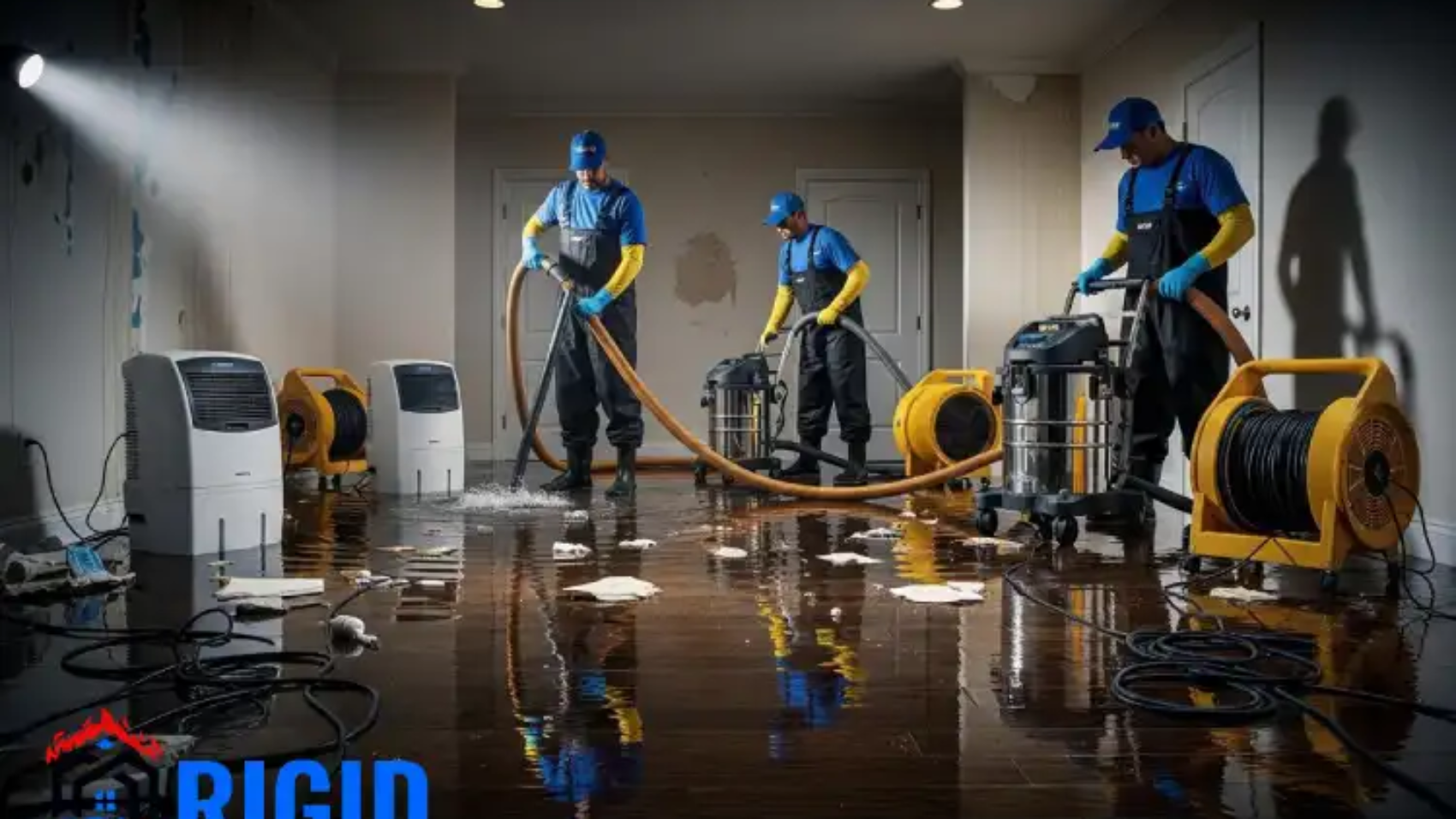
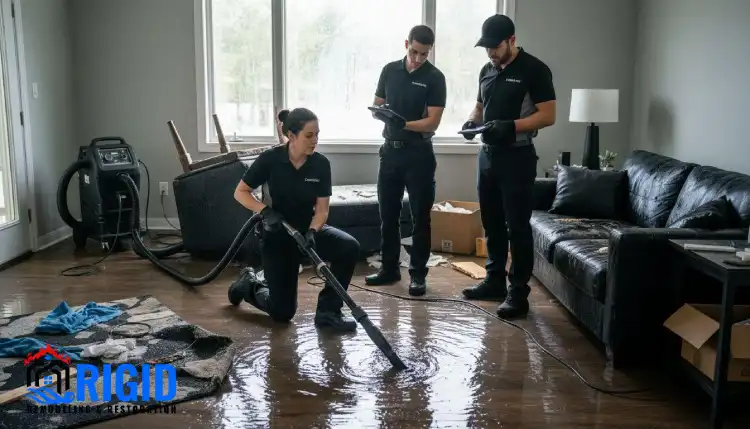
Water damage is not just about the initial leak or flood. Secondary damage, which occurs after the primary event, can be far more destructive if not addressed promptly. This includes mold growth, structural deterioration, electrical issues, and damage to personal property. Restoration professionals play a crucial role in preventing secondary damage by using specialized techniques, tools, and protocols to protect homes and commercial properties.
Understanding Secondary Damage
Secondary damage occurs when water remains in a property for an extended period, allowing it to spread and affect other materials. Even clean water can cause significant issues if it is not removed quickly. Secondary damage can include:
- Mold and mildew growth
- Warped or swollen wood and flooring
- Stained or weakened drywall
- Corroded metal components
- Electrical hazards
- Unpleasant odors
The longer water remains untreated, the higher the risk of extensive secondary damage. Professionals are trained to identify these risks early and implement measures to mitigate them.
Rapid Water Extraction
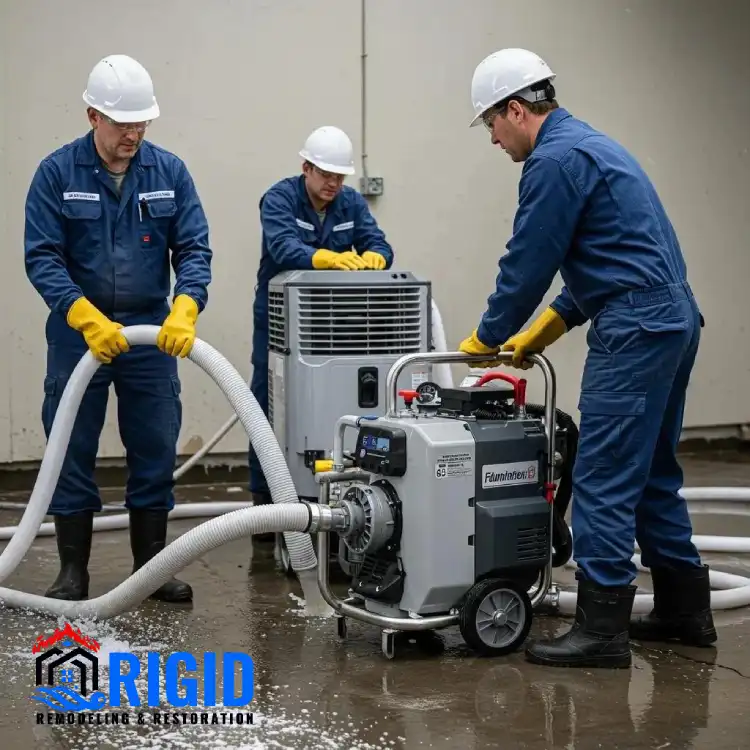
One of the first steps restoration professionals take is water extraction. Using industrial-grade pumps and vacuums, they remove standing water quickly to prevent it from penetrating deeper into structural materials. Rapid extraction is essential for preventing:
- Saturation of walls, flooring, and furniture
- Expansion of mold colonies
- Long-term structural weakening
Prompt removal of water significantly reduces the scope and cost of restoration while protecting both property and occupant health.
Structural Drying Techniques
Once the standing water is removed, drying becomes the priority. Restoration professionals use high-volume air movers, dehumidifiers, and specialized heating equipment to target moisture in walls, floors, ceilings, and substructures. Proper drying prevents:
- Wood warping or delamination
- Paint or wallpaper damage
- Flooring buckling or cupping
- Hidden mold growth
By carefully monitoring moisture levels throughout the property, professionals ensure that every area is thoroughly dried, reducing the risk of secondary damage.
Moisture Detection and Monitoring
Hidden water can be difficult to detect without specialized tools. Restoration experts use moisture meters, hygrometers, and infrared thermal imaging to locate areas where water has penetrated behind walls, under floors, or into ceilings. Continuous monitoring during the drying process ensures that moisture does not go unnoticed, preventing the development of secondary issues.
Mold Prevention
Mold is one of the most common and costly forms of secondary damage. Restoration professionals prevent mold growth by:
- Removing damp materials that cannot be dried effectively
- Applying antimicrobial solutions to surfaces
- Controlling humidity levels during and after the drying process
Early intervention stops mold spores from spreading and protects both the building structure and indoor air quality.
Electrical and Safety Considerations
Water intrusion can compromise electrical systems, posing fire and electrocution hazards. Restoration professionals assess electrical safety by:
- Shutting off power to affected areas
- Inspecting wiring, outlets, and appliances
- Coordinating with licensed electricians for repairs
Addressing electrical risks is critical to preventing secondary damage and ensuring the safety of occupants.
Content Protection
Personal belongings, furniture, and appliances can be severely damaged if water is allowed to sit. Professionals implement strategies to protect content, such as:
- Relocating items to dry areas
- Using protective coverings or plastic wrap
- Documenting and assessing damage for insurance purposes
Protecting property during the restoration process helps reduce loss and facilitates insurance claims.
Documentation and Insurance Support
Restoration professionals document all mitigation efforts, including water extraction, drying, and preventive measures. Detailed records support insurance claims and ensure that property owners receive proper compensation. Proper documentation also provides a roadmap for follow-up inspections to confirm that secondary damage has been prevented.
Preventive Maintenance Recommendations
Beyond immediate restoration, professionals often advise property owners on strategies to prevent future secondary damage:
- Routine inspections of plumbing, roofing, and drainage
- Regular maintenance of HVAC systems and dehumidifiers
- Early detection systems for leaks and water intrusion
- Proper ventilation and humidity control in high-risk areas
Implementing these measures reduces the likelihood of future water-related incidents and secondary damage.
Conclusion
Preventing secondary damage is a critical aspect of water damage restoration. From mold prevention and structural drying to moisture monitoring and electrical safety, restoration professionals employ specialized tools and techniques to safeguard property. Early intervention, thorough drying, and continuous monitoring minimize long-term damage, protect occupant health, and reduce restoration costs.
FAQs
What is secondary damage in property restoration?
Secondary damage refers to additional harm that occurs after the initial incident, such as mold growth after water damage or structural weakening due to delayed repairs. It often results from moisture, humidity, or lack of immediate professional intervention.
How do restoration professionals prevent mold after water damage?
Restoration professionals use advanced drying equipment, dehumidifiers, and moisture detection tools to remove hidden water. They also sanitize affected areas to stop mold spores from developing and spreading.
Why is quick response important in restoration services?
A fast response minimizes the spread of damage and reduces repair costs. The sooner professionals begin the restoration process, the lower the risk of secondary issues like mold, rot, or structural deterioration.