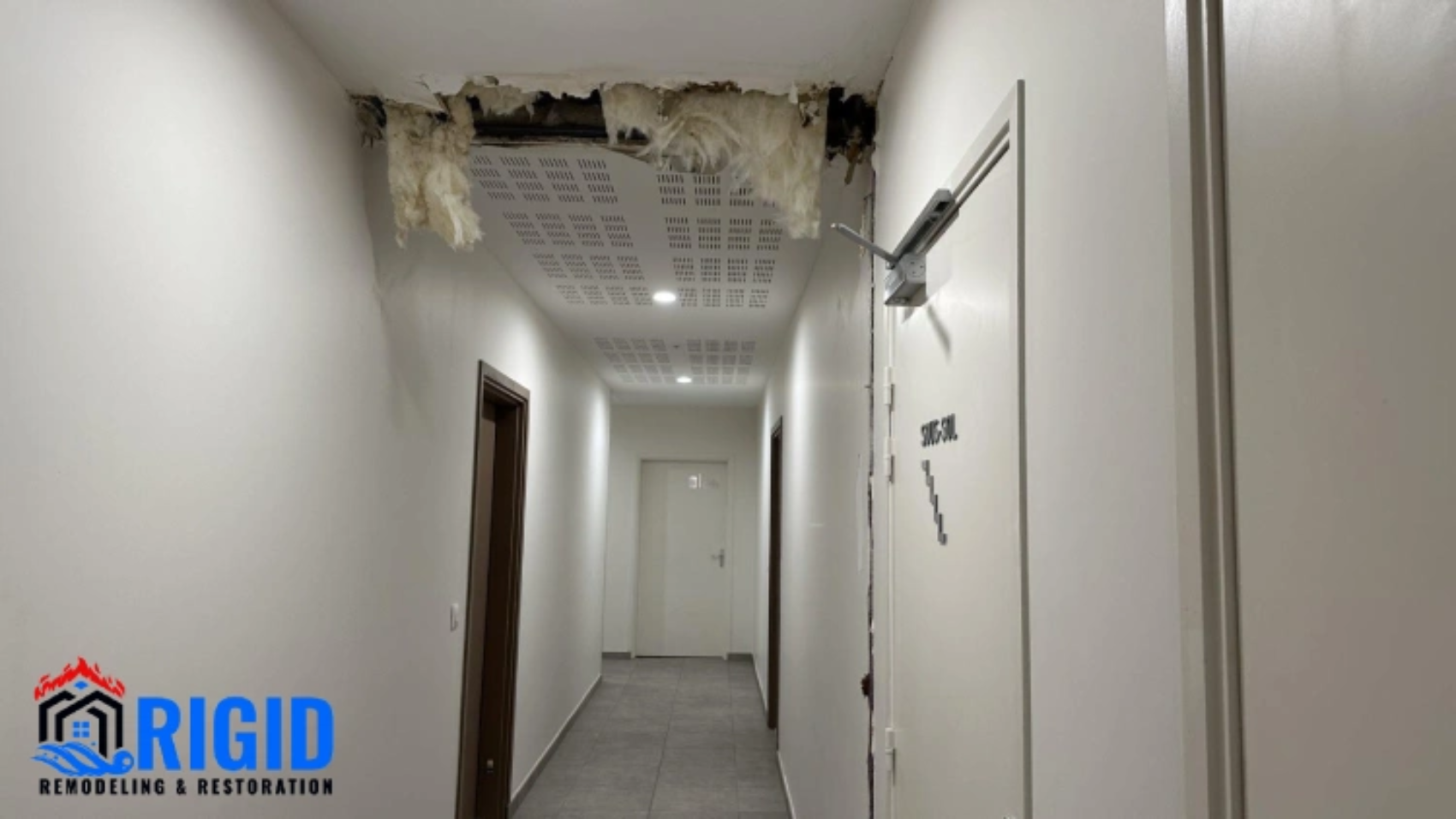
Water damage in multi-story buildings presents unique challenges due to the complexity of their structure, shared systems, and vertical layout. Understanding the common causes of water damage is crucial for property managers, building owners, and residents to prevent extensive damage, costly repairs, and safety hazards.
Plumbing Failures and Leaks
One of the most common causes of water damage in multi-story buildings is plumbing failure. Burst pipes, leaky faucets, or faulty water heaters can affect multiple units if the plumbing systems are interconnected. Because water travels vertically and horizontally, a single leak can impact several floors, leading to ceiling, wall, and floor damage in multiple apartments.
Roof Leaks and Exterior Vulnerabilities
Roof damage or compromised building envelopes are major sources of water intrusion. Heavy rain, storm events, or aging roofing materials can create leaks that penetrate into upper floors, ceilings, and walls. Additionally, gaps around windows, balconies, and exterior cladding can allow water to enter, creating long-term moisture problems in the building’s structure.
HVAC and Condensation Issues
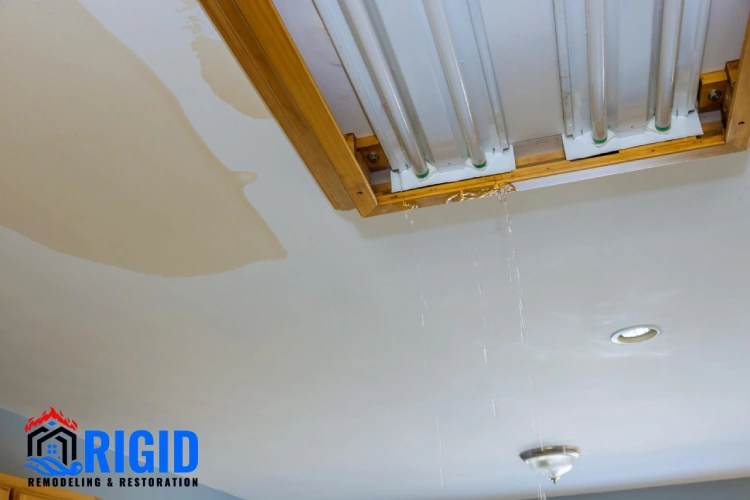
Heating, ventilation, and air conditioning (HVAC) systems can also contribute to water damage. Condensation from cooling systems, improperly maintained drip pans, or malfunctioning humidifiers can lead to moisture accumulation. Over time, this hidden moisture can damage ceilings, walls, and floors, especially in multi-story buildings where water can spread through shared ductwork.
Appliance Malfunctions
In multi-unit buildings, appliances like washing machines, dishwashers, and refrigerators can cause water damage if they malfunction or leak. Shared laundry facilities or individual unit appliances can create unexpected water intrusion that may go unnoticed until significant damage occurs.
Flooding and Groundwater Intrusion
Heavy rains, storms, or rising groundwater levels can affect the lower levels of multi-story buildings, including basements and parking garages. Poor drainage, clogged storm drains, or inadequate waterproofing can lead to flooding, which then spreads vertically through walls, elevator shafts, and plumbing conduits.
Sewer and Drain Backups
Sewer backups are a significant cause of water damage in multi-story buildings. Blockages or failures in shared drainage systems can allow contaminated water to flow into multiple units. This type of water, often categorized as gray or black water, poses both structural and health risks.
Construction and Structural Issues
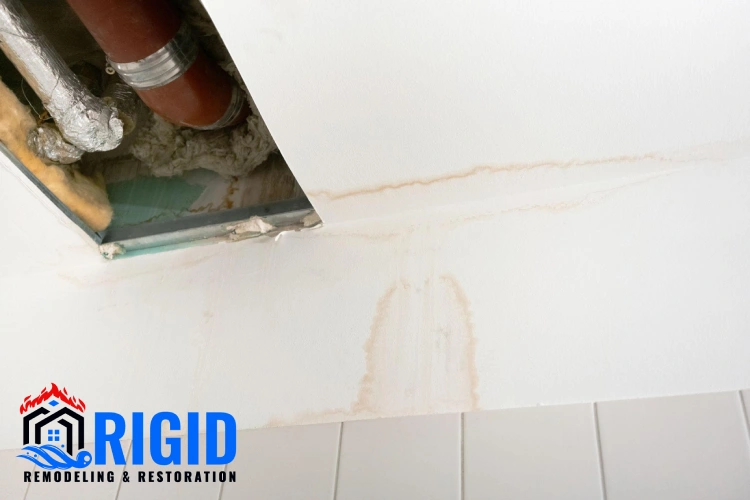
Improper construction, aging infrastructure, and poor maintenance contribute to water intrusion. Cracks in foundations, walls, and ceilings provide pathways for water, while insufficient waterproofing of balconies, terraces, or roofs exacerbates the problem. Multi-story buildings require regular inspections and proactive repairs to mitigate these risks.
Secondary Effects of Water Damage
Water damage in multi-story buildings can lead to secondary issues if not addressed quickly:
- Mold and mildew growth due to persistent moisture
- Structural weakening of wood, drywall, and concrete
- Electrical hazards from water contacting wiring and fixtures
- Unpleasant odors and degraded indoor air quality
Preventive Measures
Preventing water damage in multi-story buildings involves proactive management:
- Regular Plumbing Inspections: Ensure that all pipes, valves, and water-using appliances are checked and maintained.
- Roof and Exterior Maintenance: Inspect roofs, windows, and building envelopes for signs of wear or gaps.
- HVAC Maintenance: Maintain systems to prevent leaks or condensation buildup.
- Flood Preparedness: Ensure proper drainage and waterproofing of lower levels.
- Resident Education: Encourage occupants to report leaks or signs of moisture immediately.
Professional Restoration and Mitigation
When water damage occurs, restoration professionals provide specialized services to limit secondary damage and restore the building:
- Water extraction and drying using industrial equipment
- Moisture detection behind walls, under flooring, and in ceilings
- Mold prevention and remediation
- Structural repairs and content protection
Conclusion
Water damage in multi-story buildings arises from a variety of sources, including plumbing failures, roof leaks, HVAC issues, appliance malfunctions, flooding, and sewer backups. Understanding these causes allows property managers, building owners, and residents to take preventive measures, reduce risk, and respond quickly to water intrusion.