is black mold in the toilet tank dangerous

Is Black Mold in the Toilet Tank Dangerous? 5 Health Risks

Black mold in the toilet tank is something many homeowners overlook. After all, it is hidden behind the tank lid and not part of daily cleaning routines. However, ignoring it can lead to serious concerns.

So, is black mold in the toilet tank dangerous? The short answer is yes—it can be. While not all mold is toxic, certain types can affect your health and indoor air quality.

In this guide, we’ll explore the risks, causes, and prevention methods. We will also explain the connection between Mold and Health and why addressing the issue early is essential.

What Is Black Mold in the Toilet Tank?

Black mold refers to dark-colored fungal growth that thrives in damp, humid environments. Toilet tanks provide the perfect conditions for mold to grow because they are:

  • Moist
  • Dark
  • Often neglected

Over time, mold can form on the inner walls of the tank, on components, and even in the water itself.

Therefore, regular inspection is important, even if the mold is not visible at first glance.

Is Black Mold in the Toilet Tank Dangerous?

Not all black mold is harmful. However, some types—such as Stachybotrys chartarum—can produce toxins that may impact your health.

Even less toxic molds can still cause allergic reactions and respiratory issues. As a result, any mold growth should be treated as a potential risk.

The Connection Between Mold and Health

The relationship between Mold and Health is well documented. Mold releases tiny spores into the air. When inhaled, these spores can affect your body in different ways.

For example, exposure may lead to:

  • Breathing difficulties
  • Allergic reactions
  • Skin irritation

Therefore, even mold hidden in a toilet tank can impact your overall indoor environment.

5 Health Risks of Black Mold in the Toilet Tank

Let’s take a closer look at the most common health risks.

  1. Respiratory Problems

Mold spores can travel through the air when the toilet is flushed. As a result, they may enter your lungs.

This can lead to:

  • Coughing
  • Wheezing
  • Shortness of breath

People with asthma or existing respiratory conditions are especially vulnerable.

  1. Allergic Reactions

Many individuals are sensitive to mold. Even small amounts can trigger symptoms such as:

  • Sneezing
  • Runny nose
  • Itchy eyes

Therefore, persistent allergies may be linked to hidden mold in your home.

  1. Skin Irritation

Direct or indirect exposure to mold can cause skin issues. This includes:

  • Rashes
  • Itching
  • Redness

Although less common, it can still occur in sensitive individuals.

  1. Headaches and Fatigue

Some people report headaches, fatigue, and general discomfort when exposed to mold over time.

While research is ongoing, prolonged exposure may contribute to these symptoms.

  1. Weakened Immune Response

Long-term exposure to mold can affect your immune system. This is especially true for:

  • Children
  • Elderly individuals
  • People with weakened immunity

Therefore, addressing mold early helps reduce health risks.

Why Mold Grows in Toilet Tanks

Understanding the cause helps prevent future growth.

Constant Moisture

Toilet tanks are always filled with water. This creates a damp environment ideal for mold.

Lack of Cleaning

Most people clean the toilet bowl but ignore the tank. Over time, this allows mold to develop.

Mineral Buildup

Hard water can leave behind minerals. These deposits provide a surface for mold to grow.

Poor Ventilation

Bathrooms with poor airflow tend to stay humid. This increases the likelihood of mold growth.

Signs of Mold in Your Toilet Tank

Even though the tank is hidden, there are warning signs to watch for:

  • Musty odors in the bathroom
  • Dark or black spots inside the tank
  • Discolored water in the bowl
  • Increased allergy symptoms at home

If you notice these signs, it’s time to inspect your toilet tank.

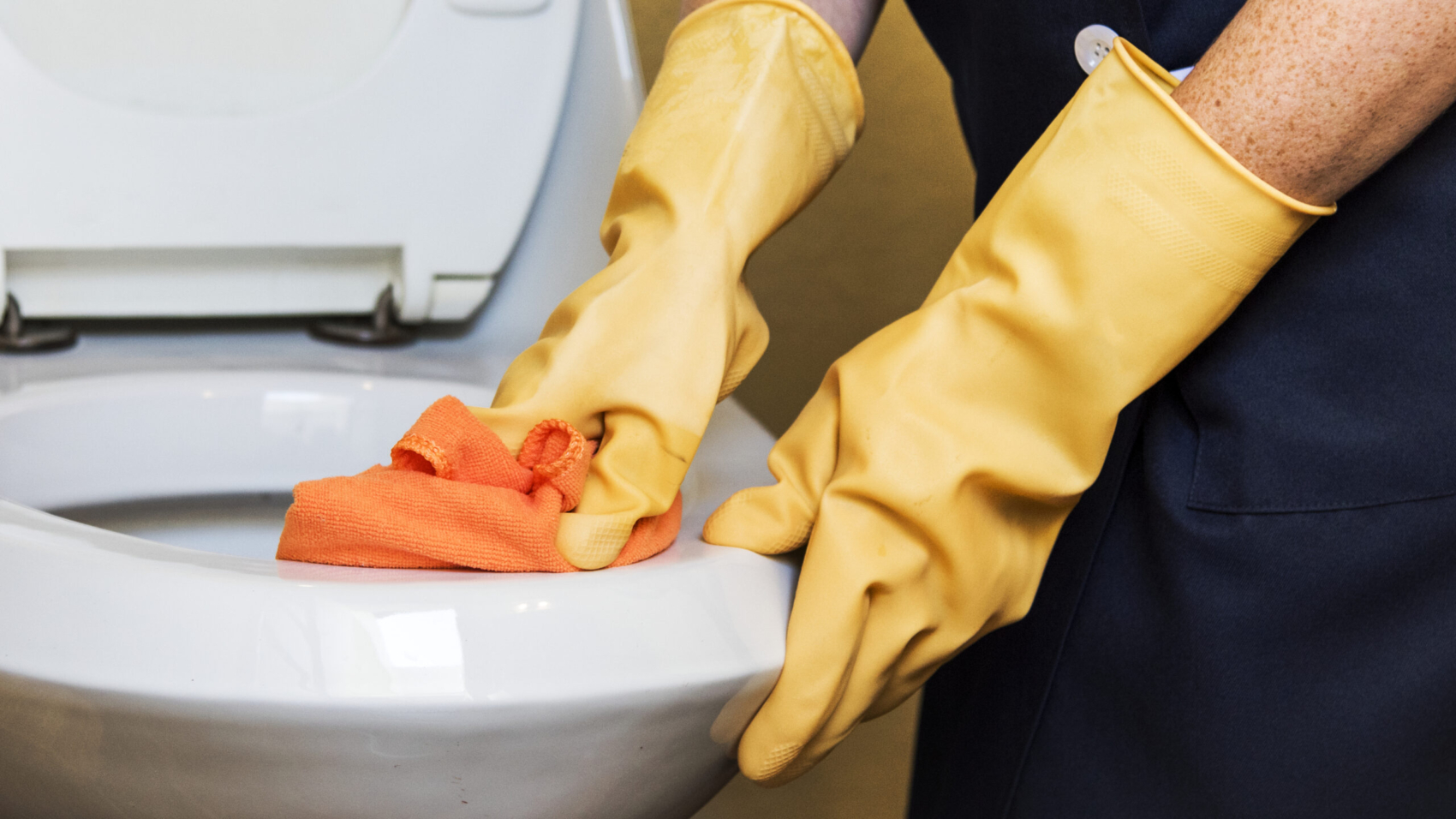
How to Safely Remove Black Mold

Removing mold from a toilet tank is manageable with the right approach.

Step 1: Turn Off the Water Supply

Shut off the water valve and flush the toilet to empty the tank.

Step 2: Use Cleaning Solutions

You can use:

  • White vinegar
  • Baking soda
  • Mild bleach solution

Apply the cleaner and let it sit for 10–15 minutes.

Step 3: Scrub the Tank

Use a brush or sponge to remove mold from surfaces.

Step 4: Rinse and Refill

Turn the water supply back on and flush to rinse the tank.

Step 5: Repeat if Necessary

Stubborn mold may require multiple cleanings.

Prevention Tips to Keep Mold Away

Preventing mold is easier than removing it.

Clean the Tank Regularly

Check and clean your toilet tank every few months.

Improve Ventilation

Use exhaust fans or open windows to reduce humidity.

Use Mold-Resistant Products

Consider adding tablets designed to prevent mold growth.

Fix Leaks Promptly

Leaks can increase moisture levels and encourage mold growth.

Monitor Indoor Humidity

Keep humidity levels below 50% to discourage mold.

When to Call a Professional

In some cases, professional help is necessary.

Call an expert if:

  • Mold keeps returning
  • The growth is extensive
  • You experience severe health symptoms
  • Mold spreads beyond the toilet tank

Professionals can identify the source and ensure complete removal.

The Cost of Ignoring Black Mold

Ignoring mold can lead to:

  • Health complications
  • Increased cleaning costs
  • Damage to plumbing fixtures
  • Reduced indoor air quality

Therefore, taking action early is always the best choice.

Final Thoughts

So, is black mold in the toilet tank dangerous? Yes, it can be. While it may seem harmless at first, it has the potential to affect both your health and your home.

The connection between Mold and Health makes it important to address the issue promptly. By cleaning regularly, improving ventilation, and staying alert to warning signs, you can prevent mold from becoming a serious problem.

If you notice mold in your toilet tank, do not ignore it. A small effort today can protect your health and save you from bigger issues in the future.

 

How Weather Conditions Lead to Mold Growth in Homes

Mold is a common problem in many homes. However, what most homeowners do not realize is how strongly weather conditions influence its growth. From humidity to heavy rainfall, the environment outside your home can directly affect what happens inside.

So, how do weather conditions lead to mold growth in homes? More importantly, how can you prevent it?

In this guide, we’ll explore the connection between climate and indoor mold. We will also explain why understanding Mold and Health is essential for maintaining a safe living space.

Why Weather Plays a Major Role in Mold Growth

Mold thrives in specific conditions. These include moisture, warmth, and limited airflow. Weather often creates the perfect combination of these factors.

For example, rainy seasons increase moisture levels. Similarly, high humidity creates a damp environment inside your home.

As a result, your home becomes more vulnerable to mold growth.

The Connection Between Mold and Health

Before diving deeper, it is important to understand the link between Mold and Health. Mold releases spores into the air, which can affect indoor air quality.

Exposure may lead to:

  • Respiratory issues
  • Allergic reactions
  • Skin irritation
  • Headaches and fatigue

Therefore, controlling mold is not just about protecting your home—it’s also about protecting your health.

Key Weather Conditions That Cause Mold Growth

Different weather patterns contribute to mold in different ways. Let’s explore the most common ones.

  1. High Humidity Levels

Humidity is one of the biggest contributors to mold growth. When indoor humidity rises above 50%, moisture begins to accumulate on surfaces.

This often occurs during:

  • Summer months
  • Tropical climates
  • Coastal regions

As a result, mold can grow on walls, ceilings, and furniture.

  1. Heavy Rainfall

Rain introduces excess moisture into your home. If your roof, windows, or foundation are not properly sealed, water can seep inside.

Consequently, hidden damp areas develop. These areas are perfect for mold growth.

  1. Flooding and Storms

Flooding is one of the most severe causes of mold. Large amounts of water enter the home quickly, soaking materials like:

  • Carpets
  • Drywall
  • Wood

If not dried within 24–48 hours, mold growth becomes almost inevitable.

  1. Temperature Fluctuations

Sudden changes in temperature can cause condensation. For example, warm air meeting cold surfaces creates moisture.

This often happens:

  • Around windows
  • On pipes
  • Inside walls

Therefore, temperature swings can indirectly lead to mold.

  1. Cold Weather and Poor Ventilation

During winter, homes are often sealed tightly to retain heat. While this improves energy efficiency, it reduces airflow.

As a result:

  • Moisture becomes trapped
  • Condensation increases
  • Mold growth becomes more likely
  1. Coastal and Damp Climates

Homes in coastal areas face constant exposure to moisture in the air. This makes mold prevention more challenging.

Even without visible leaks, humidity alone can cause mold to develop.

How Weather-Related Mold Affects Your Home

Weather-driven mold growth can damage various parts of your home.

Structural Damage

Moisture weakens materials like wood and drywall. Over time, this can lead to costly repairs.

Damage to Belongings

Mold can affect furniture, clothing, and personal items. Leather, fabric, and paper are especially vulnerable.

Reduced Air Quality

Mold spores circulate through the air, affecting indoor air quality. This is where the connection between Mold and Health becomes critical.

Signs of Mold Caused by Weather Conditions

Recognizing the signs early can help you take action.

Look for:

  • Musty odors
  • Dark spots on walls or ceilings
  • Peeling paint
  • Condensation on windows
  • Warped surfaces

If you notice these signs, investigate the cause immediately.

High-Risk Areas in Your Home

Certain areas are more prone to weather-related mold growth.

Bathrooms

Humidity from showers creates a moist environment.

Kitchens

Cooking and appliances add moisture to the air.

Basements

Basements are often damp and poorly ventilated.

Attics

Roof leaks and poor insulation can lead to moisture buildup.

How to Prevent Mold Growth in Changing Weather

Preventing mold requires proactive steps, especially during extreme weather conditions.

Control Indoor Humidity

Use dehumidifiers to keep humidity below 50%. This is one of the most effective ways to prevent mold.

Improve Ventilation

Ensure proper airflow by:

  • Using exhaust fans
  • Opening windows when possible
  • Maintaining HVAC systems

Inspect Your Home Regularly

Check for leaks in:

  • Roofs
  • Windows
  • Pipes

Fixing small issues early prevents larger problems.

Seal Cracks and Gaps

Prevent water from entering your home by sealing any openings.

Dry Wet Areas Quickly

After rain or spills, dry affected areas within 24–48 hours. This reduces the chance of mold growth.

What to Do If Mold Develops

Even with precautions, mold can still appear. Acting quickly is essential.

Clean Small Areas

Use appropriate cleaning solutions such as vinegar or specialized mold removers.

Remove Damaged Materials

Heavily affected materials may need to be replaced.

Improve Conditions

Address the underlying cause, such as humidity or leaks.

Call Professionals

For large infestations, professional remediation is the safest option.

Long-Term Benefits of Mold Prevention

Taking preventive measures offers several advantages:

  • Protects your home’s structure
  • Improves indoor air quality
  • Reduces health risks
  • Saves money on repairs

Therefore, investing in prevention is always worthwhile.

Final Thoughts

Weather conditions play a significant role in mold growth. From high humidity to heavy rainfall, environmental factors can create the perfect conditions for mold to thrive.

Understanding the connection between Mold and Health highlights why prevention is so important. Mold is not just a cosmetic issue—it can impact your well-being and your home.

By controlling moisture, improving ventilation, and staying proactive, you can reduce the risk of mold growth. In the end, protecting your home from weather-related mold starts with awareness and timely action.