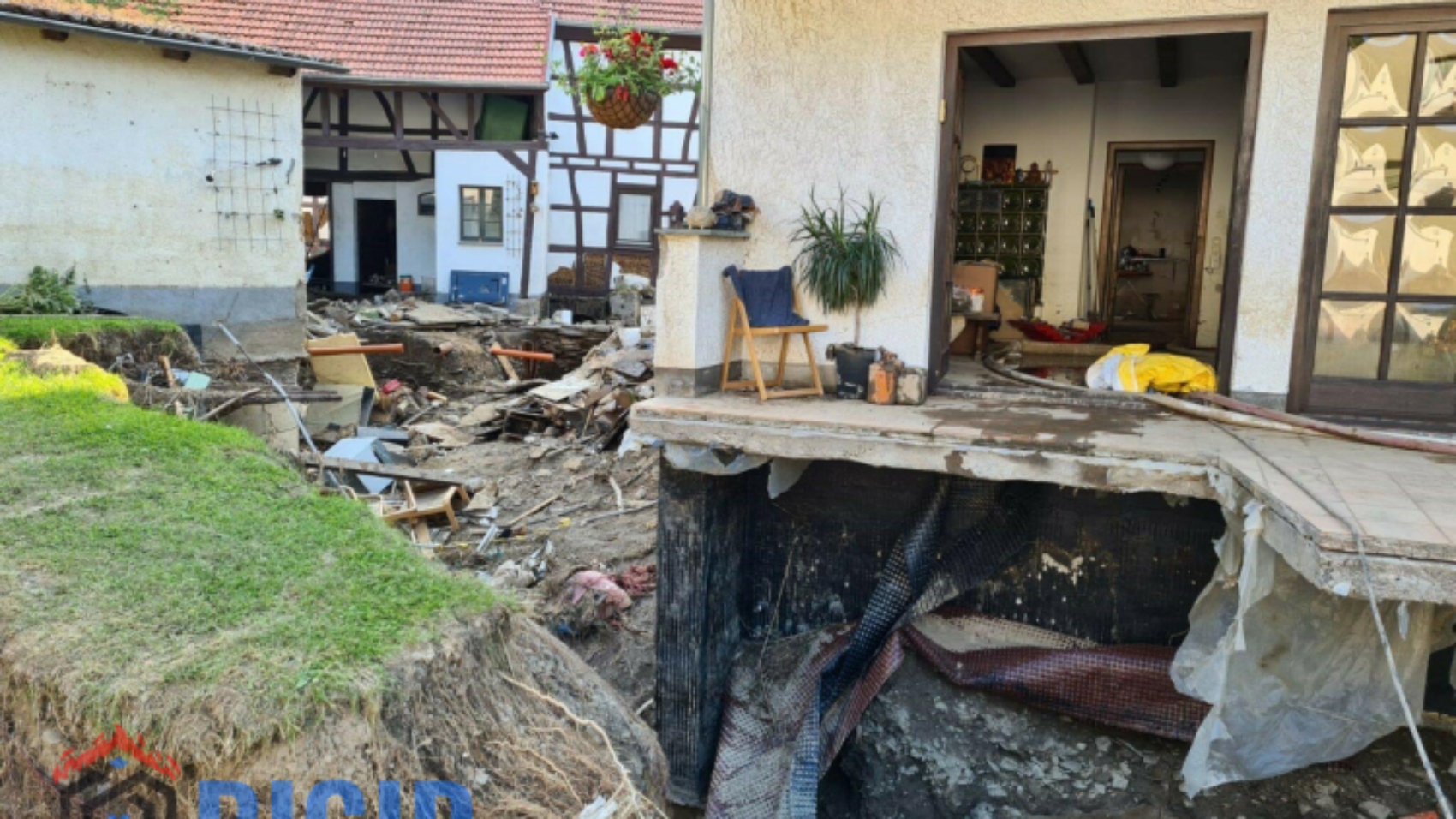
Imagine returning home after a flood and finding soaked floors, damaged furniture, and water stains covering your walls. The damage may look overwhelming, leaving you wondering whether your home can ever be restored.
Can a flooded house be saved? Fortunately, many flood-damaged homes can be repaired with professional restoration services. However, the outcome depends on structural stability, water contamination, and the overall cost of repairs.
Understanding how restoration experts evaluate flood damage helps homeowners decide whether repairing or rebuilding is the safest and most practical option.
Read more: How Much Will Insurance Pay for Water Damage?
Can a Flooded House Be Saved After Serious Flooding?
A flooded house can often be restored, even when water has damaged flooring, drywall, insulation, and electrical systems. The most important factor is whether the building’s foundation and structural framework remain stable.
Homes exposed to shallow flooding generally require fewer repairs than properties submerged for several days. However, even severe interior damage does not automatically mean demolition is necessary.
Professional inspections help determine which materials can be cleaned, dried, or replaced without compromising the building’s safety.
How Professionals Evaluate Flood Damage
Before recommending restoration or demolition, specialists inspect the property to identify structural problems, hidden moisture, and contamination. Their findings determine whether repairs are technically possible and financially reasonable.
Structural Integrity and Foundation Condition
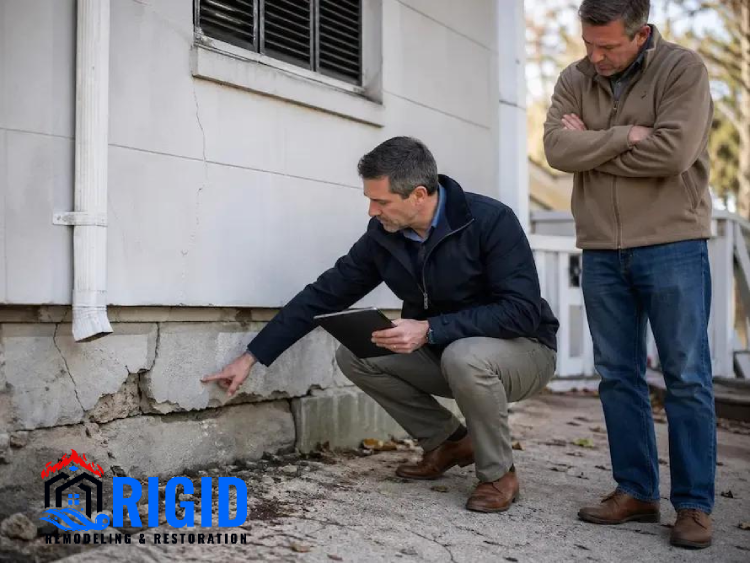
The foundation is one of the most important elements in flood damage assessment. Strong currents and prolonged water exposure can cause soil erosion, foundation movement, and structural instability.
Professionals examine cracks, uneven floors, damaged framing, and shifting walls. Significant structural concerns require evaluation by a licensed structural engineer before restoration begins.
Water Depth and Exposure Time
The depth and duration of flooding directly influence the severity of damage. Water that remains inside a property for several days can penetrate walls, insulation, and subflooring.
Prolonged moisture exposure also increases the risk of mold growth and material deterioration. Restoration specialists use moisture meters and specialized equipment to identify hidden water damage.
Water Contamination Levels
Floodwater may contain sewage, bacteria, chemicals, and other hazardous substances. Materials exposed to contaminated water often require more extensive cleaning or replacement.
Porous materials such as carpeting, insulation, and drywall may be impossible to restore safely after severe contamination. Professional assessment determines which components must be removed.
Signs That a Flooded House Can Be Repaired
Can a flooded house be saved without complete reconstruction? In many cases, restoration is possible when the foundation remains stable and damage primarily affects replaceable interior materials.
Several conditions indicate that professional repairs may provide a safe and cost-effective solution.
Read more: How Long Does a Bathroom Remodel Take?
The Main Structure Remains Stable
If load-bearing walls, framing, and foundations remain structurally sound, restoration is generally more practical.
Damaged flooring, drywall, cabinets, and insulation can often be replaced without rebuilding the entire property. Structural stability significantly improves the likelihood of successful restoration.
Water Was Removed Quickly
Rapid water extraction helps limit moisture penetration and secondary damage. Professional drying equipment can remove trapped moisture from certain building materials.
Although fast action improves restoration outcomes, hidden moisture must still be measured before reconstruction begins.
Restoration Costs Are Manageable
Repairing a flooded house is often preferable when restoration expenses remain substantially below rebuilding costs.
Contractors evaluate material replacement, labor, structural repairs, and potential complications before recommending the most economical approach.
When Should a Flooded House Be Demolished?
Although a flooded house can be saved in many situations, certain conditions make demolition a more practical option.
The decision usually involves structural safety, contamination, financial considerations, and local construction requirements.
Severe Structural Damage
Major foundation movement, collapsed structural components, or extensive deterioration can make a building unsafe.
When essential structural elements cannot be repaired reliably or economically, demolition and rebuilding may provide better long-term safety.
Extensive Contamination and Mold
Severe contamination can affect large sections of a property’s interior, requiring extensive removal of damaged materials.
Mold growth may also spread through damp building materials when moisture remains uncontrolled. However, mold alone does not automatically require demolition; professional remediation is often possible.
Repairs Exceed Reasonable Costs
A home may be technically repairable but financially impractical to restore.
If restoration requires replacing most structural components and building systems, rebuilding may offer better value, particularly when future flood protection improvements are necessary.
Flood Damage Repair vs. Rebuilding: Which Is Better?
Determining can a flooded house be saved requires comparing restoration feasibility with the costs and benefits of rebuilding.
Professionals consider both immediate expenses and the property’s long-term condition.
Comparing Repair and Reconstruction Expenses
Restoration costs depend on water extraction, drying, contamination removal, structural repairs, and interior reconstruction.
Rebuilding involves demolition, debris disposal, permits, new construction, and potentially upgraded flood protection.
A detailed contractor estimate helps homeowners compare both options accurately.
Insurance Coverage and Building Regulations
Insurance policies influence how much homeowners must pay themselves. Standard homeowners insurance generally excludes damage caused by external flooding, making separate flood coverage important.
Local floodplain regulations may also require substantial repairs to meet updated construction standards. Homeowners should verify applicable requirements before beginning work.
What to Do Immediately After Your House Floods
When homeowners ask, can a flooded house be saved, the actions taken immediately after flooding can significantly influence the answer.
Quick intervention can reduce additional damage, but personal safety must always come first.
Check Safety Before Entering
Never enter a flooded property if electrical hazards, structural instability, or contaminated water may be present.
Contact qualified professionals to evaluate dangerous conditions. Electrical power should not be restored until the system has been inspected.
Document Damage and Contact Insurance
Photograph damaged rooms, belongings, and visible water levels before removing materials whenever it is safe to do so.
Contact your insurance provider promptly and keep records of expenses, inspections, and contractor communications.
Arrange Professional Water Damage Restoration
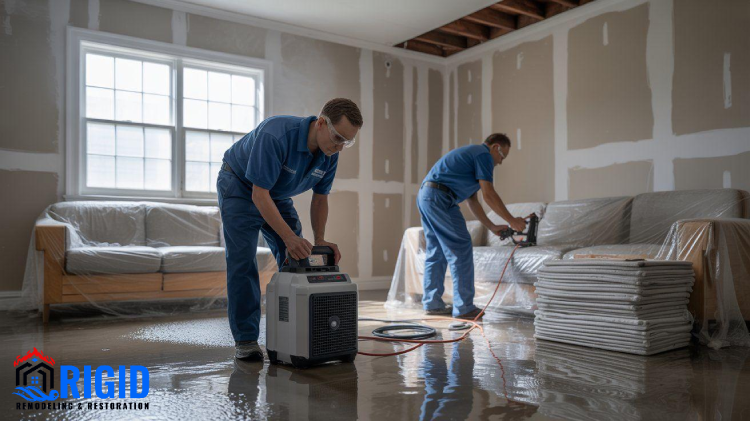
Professional restoration companies use water extraction equipment, commercial dehumidifiers, and moisture detection tools to evaluate affected areas.
They can identify materials requiring replacement and develop a restoration plan that addresses both visible and hidden damage.
How Long Does Flood Damage Restoration Take?
Restoration timelines vary depending on flooding severity, contamination, structural damage, and the availability of contractors.
Minor water damage may require several days of drying, while extensive reconstruction can take weeks or months.
Minor and Moderate Flood Damage
When water affects limited areas, extraction and structural drying may take several days, depending on moisture levels.
Additional repairs, including drywall replacement and flooring installation, extend the overall restoration timeline.
Severe Flood Damage
Major flooding often requires contaminated material removal, structural repairs, electrical work, and extensive interior reconstruction.
Engineering inspections, permits, and insurance approvals can further influence the completion schedule.
How to Prevent Future Flood Damage
After restoration, homeowners should consider improvements that reduce vulnerability to future flooding.
Proper drainage, maintained gutters, sump pumps, and appropriate foundation waterproofing can help manage certain water intrusion risks.
In flood-prone areas, elevating vulnerable equipment and using flood-resistant building materials may reduce future damage. Local floodplain requirements should guide major protective improvements.
Final Thoughts: Is Repairing a Flooded House Worth It?
Can a flooded house be saved? In many situations, yes. Homes with stable foundations and manageable interior damage can often be restored safely through professional water damage restoration.
However, severe structural failure, widespread contamination, and excessive reconstruction costs may make rebuilding the better choice.
The most reliable approach is obtaining a professional damage assessment before making irreversible decisions. Experienced restoration contractors and structural engineers can help homeowners understand their options and protect their long-term investment.
Frequently Asked Questions
Can a flooded house be saved after being underwater for several days?
Yes, depending on structural stability and contamination. Prolonged exposure increases damage, but professional restoration may still be possible if the foundation and essential structural components remain sound.
Is it cheaper to repair or rebuild a flooded house?
Repairing is generally more economical when structural damage is limited. However, extensive foundation repairs, contamination removal, and major reconstruction can make rebuilding more practical.
Can mold make a flooded house uninhabitable?
Yes. Extensive mold contamination can create unhealthy indoor conditions, particularly when moisture problems remain unresolved. Professional remediation and proper drying are essential before the property is considered safe for occupancy.