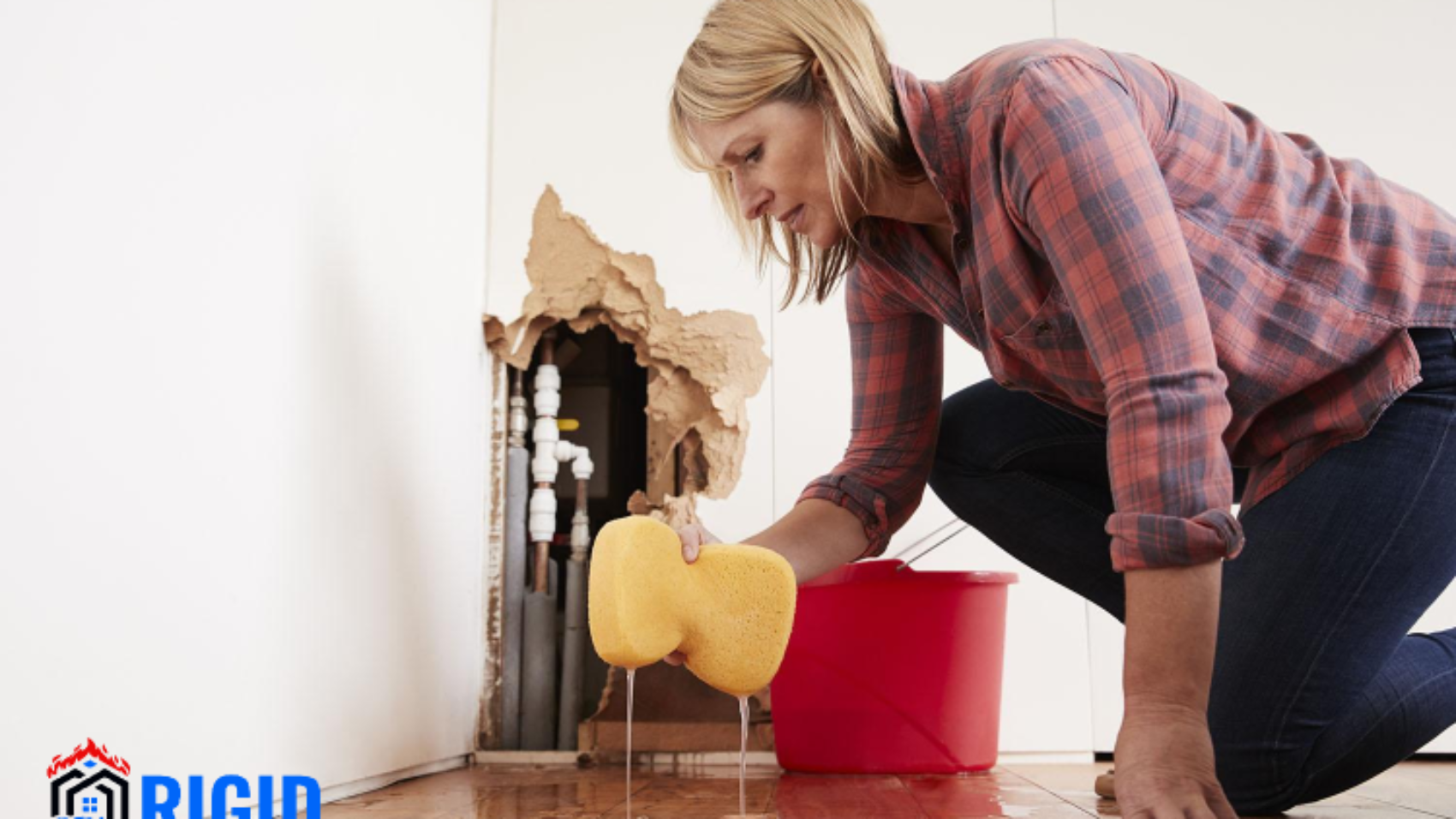
Water damage can happen unexpectedly when a pipe bursts, a washing machine leaks, or a water heater fails. Even a small leak can damage floors, walls, furniture, and personal belongings, leaving homeowners with expensive repairs. After dealing with the immediate problem, one important question remains: how much will insurance pay for water damage?
The answer depends on the cause of the damage, your insurance policy, the cost of repairs, and your deductible. Understanding these factors can help you estimate your potential payout, avoid common mistakes, and navigate the insurance claims process more confidently.
How Much Will Insurance Pay for Water Damage?
Water damage company insurance payouts vary depending on the severity of the damage and the coverage available. Minor incidents may cost a few hundred or several thousand dollars to repair, while extensive damage affecting multiple rooms can result in repair bills exceeding $20,000.
For example, a small plumbing leak might require replacing part of a cabinet and repairing nearby flooring. A burst pipe behind a wall could damage drywall, insulation, flooring, and electrical components, significantly increasing restoration costs.
The following figures are illustrative repair cost estimates, not guaranteed insurance payouts.
| Type of Water Damage | Estimated Repair Cost |
|---|---|
| Minor plumbing leak | $500–$2,000 |
| Localized wall and flooring damage | $1,000–$5,000 |
| Kitchen or bathroom damage | $3,000–$10,000 |
| Burst pipe affecting multiple rooms | $5,000–$20,000+ |
| Extensive structural damage | $15,000–$50,000+ |
Your actual payment may be lower because of your deductible, depreciation, coverage limits, or policy exclusions. The insurer will evaluate the circumstances and determine which expenses qualify for coverage.
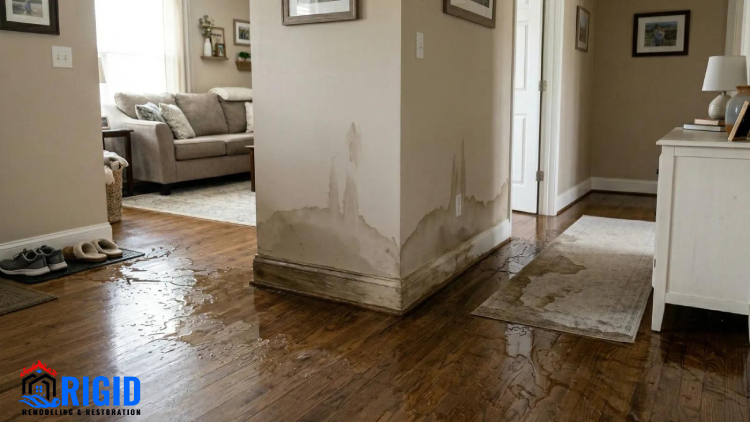
7 Factors That Affect Your Water Damage Insurance Payout
Even when two homeowners experience similar water damage, their insurance settlements can be very different. The following factors help determine how much compensation you may receive.
Read more: Can a Flooded House Be Saved?
1. The Cause of the Water Damage
The source of the water is one of the most important factors in determining coverage. Standard homeowners insurance commonly covers sudden and accidental incidents, such as a burst pipe or an unexpected appliance leak.
However, damage caused by gradual leaks, poor maintenance, or long-term moisture problems is often excluded. Flooding from rising surface water or overflowing rivers generally requires separate flood insurance in the United States.
2. Your Insurance Policy and Coverage Limits
Your policy determines which types of water damage are covered and the maximum amount the insurer may pay. Dwelling coverage may help pay for repairs to the structure, while personal property coverage may apply to damaged belongings.
Some policies also provide additional living expenses if covered damage makes your home temporarily uninhabitable. Reviewing your policy’s limits, exclusions, and special provisions can help you understand what compensation may be available.
3. Your Deductible
Your deductible is the amount you must pay toward a covered loss before insurance contributes. For example, if your insurer approves $8,000 in repairs and your deductible is $1,000, the preliminary payment would generally be $7,000, assuming no other deductions apply.
A higher deductible usually means a lower insurance payment. Check whether your policy has a separate deductible for particular types of water damage.
4. The Extent of the Damage
The severity of the damage directly affects restoration costs. Water can spread behind walls, beneath flooring, and into insulation, creating problems that are not immediately visible.
Professional restoration may involve water extraction, structural drying, removing damaged materials, and rebuilding affected areas. Photographs, inspection reports, and detailed contractor estimates can help demonstrate the full extent of the covered loss.
5. Actual Cash Value vs. Replacement Cost
Your insurance policy may calculate compensation using actual cash value or replacement cost. Actual cash value generally accounts for depreciation, meaning older materials and belongings may receive a lower valuation.
Replacement cost coverage typically pays the eligible cost of replacing damaged property with comparable new materials or items, subject to policy conditions. Some policies initially withhold depreciation and release the eligible amount after repairs are completed.
Read more: How Long Does a Bathroom Remodel Take?
6. Restoration and Repair Costs
The cost of restoring your property also affects the payout. Labor, materials, water extraction, drying equipment, demolition, and reconstruction can all contribute to the final estimate.
Local labor rates and material prices may differ from the figures used in the insurer’s initial assessment. If a restoration contractor identifies necessary work that was overlooked, request that the insurance adjuster review the additional costs.
7. How Quickly You Report the Damage
Reporting the incident promptly can help protect your property and support your claim. Many policies require timely notice and reasonable steps to prevent further damage.
If a pipe bursts, stop the water supply when safe, document the damage, and contact your insurer. Delays do not automatically mean a claim will be denied, but they can complicate the investigation or affect coverage if additional damage could reasonably have been prevented.
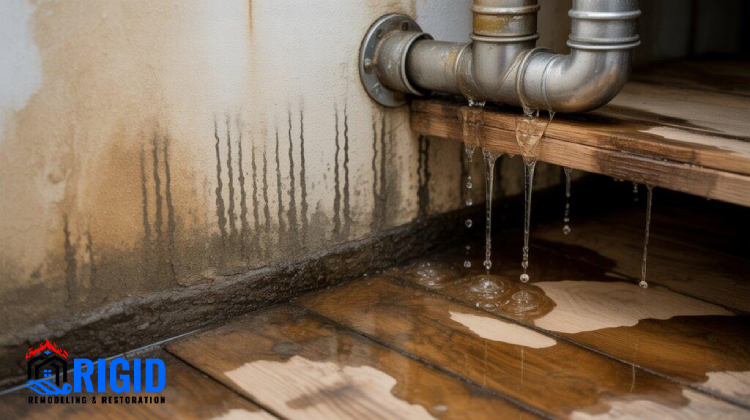
What Types of Water Damage Does Homeowners Insurance Cover?
Not every water-related incident is treated the same way. Coverage generally depends on how the water entered the property and whether the damage was sudden, accidental, or caused by an excluded condition.
Sudden Plumbing Leaks and Appliance Failures
Damage from a sudden and accidental plumbing failure is commonly covered under standard homeowners insurance. Examples include burst pipes, broken supply lines, and unexpected washing machine or dishwasher leaks.
The policy may cover resulting damage to walls, floors, cabinets, and personal belongings. However, repairing the failed pipe or replacing the malfunctioning appliance may not be covered in the same way.
Roof Leaks and Rainwater
Water entering through a roof damaged by a covered event, such as a windstorm, may qualify for coverage. However, leaks caused by long-term deterioration or neglected maintenance are often excluded.
The insurer may cover resulting interior damage while excluding repairs to the underlying maintenance problem. The exact outcome depends on the policy wording and the cause of the damage.
Flooding and Mold
Standard homeowners insurance in the United States generally excludes external flooding, including damage caused by overflowing rivers or rising surface water. Separate flood insurance may be needed for these events.
Mold coverage also varies. Some policies cover certain mold remediation when it results from a covered water loss, while others impose specific limits or exclusions. Prompt drying and professional moisture assessment can help prevent additional damage.
How Is a Water Damage Insurance Payout Calculated?
Insurance companies generally inspect the damage, estimate the cost of eligible repairs, and apply the policy’s deductible and valuation rules. Understanding this calculation can help you review your settlement.
Step 1: Calculate Covered Repair Costs
Suppose the total estimated repairs cost $12,000, but $2,000 relates to an excluded maintenance issue. If the remaining $10,000 qualifies for coverage, the settlement calculation will generally begin with that covered amount.
Step 2: Subtract the Deductible
If the approved covered loss is $10,000 and your deductible is $1,500, the preliminary payment would generally be $8,500, assuming no other deductions or limits apply.
Step 3: Account for Depreciation and Policy Limits
Under an actual cash value policy, depreciation may reduce the payment. Replacement cost policies may also initially withhold depreciation until eligible repairs are completed.
The insurer must also consider applicable coverage limits and exclusions. These provisions can affect the final payment even when the incident itself is covered.
What Should You Do After Water Damage?
Taking the right steps after discovering water damage can help prevent further losses and strengthen your insurance claim. Your priority should be safety, stopping the water source when possible, and arranging necessary emergency mitigation.
Document the Damage
Take photographs and videos of affected rooms, damaged belongings, and visible water before cleanup when it is safe to do so. Keep receipts for emergency services, temporary repairs, and other expenses related to protecting your property.
Do not delay urgent mitigation just to collect evidence. Document the work as soon as practical and retain relevant invoices.
Contact Your Insurer and Obtain a Repair Estimate
Report the incident promptly and keep records of your communications with the insurance company. A professional restoration contractor can assess moisture, identify damaged materials, and prepare a detailed estimate.
Compare this estimate with the adjuster’s assessment. If necessary work is missing, ask the insurer to review the differences and explain whether the additional repairs qualify for coverage.
What If Your Insurance Payout Is Too Low?
An initial settlement may not cover every necessary repair, especially when hidden damage is discovered after removing flooring or drywall. However, a low offer does not automatically mean the insurer has handled the claim incorrectly.
Request an itemized estimate and check for missing repairs, incorrect measurements, or underestimated labor and material costs. Provide photographs, inspection reports, and a detailed contractor estimate to support your concerns.
If additional covered damage is discovered during restoration, your contractor may be able to submit a supplemental estimate. If disagreements continue, consider an independent assessment or consult a licensed public adjuster. Review any applicable deadlines before deciding how to proceed.
Final Thoughts
How much insurance will pay for water damage depends on the cause of the incident, your coverage, the cost of eligible repairs, and your deductible. Sudden plumbing failures may qualify for coverage, while gradual leaks, maintenance problems, and external flooding are often treated differently.
To protect your claim, report the damage promptly, document affected areas, arrange necessary mitigation, and obtain a detailed restoration estimate. Review the insurer’s assessment carefully and request clarification when important repairs have been overlooked.
Understanding your policy and keeping accurate records can help you navigate the claims process and pursue the compensation available under your coverage.
Frequently Asked Questions
- How much will insurance pay for water damage in a house?
The amount depends on the severity of the damage, covered repair costs, your deductible, and your policy limits. Minor claims may involve a few thousand dollars, while extensive damage can result in much larger settlements. Only an assessment of your specific loss and policy can establish the likely payout.
- Will homeowners insurance cover a leaking pipe?
Insurance commonly covers resulting damage from a sudden and accidental pipe leak, subject to policy terms. However, the cost of repairing the pipe itself may not be covered, and damage from gradual leaks or poor maintenance is frequently excluded.
- Does homeowners insurance cover flood damage?
Standard homeowners insurance in the United States generally does not cover external flooding. Separate flood insurance may provide protection, depending on the policy and circumstances. Damage caused by a burst indoor pipe is different and may qualify under standard homeowners coverage.