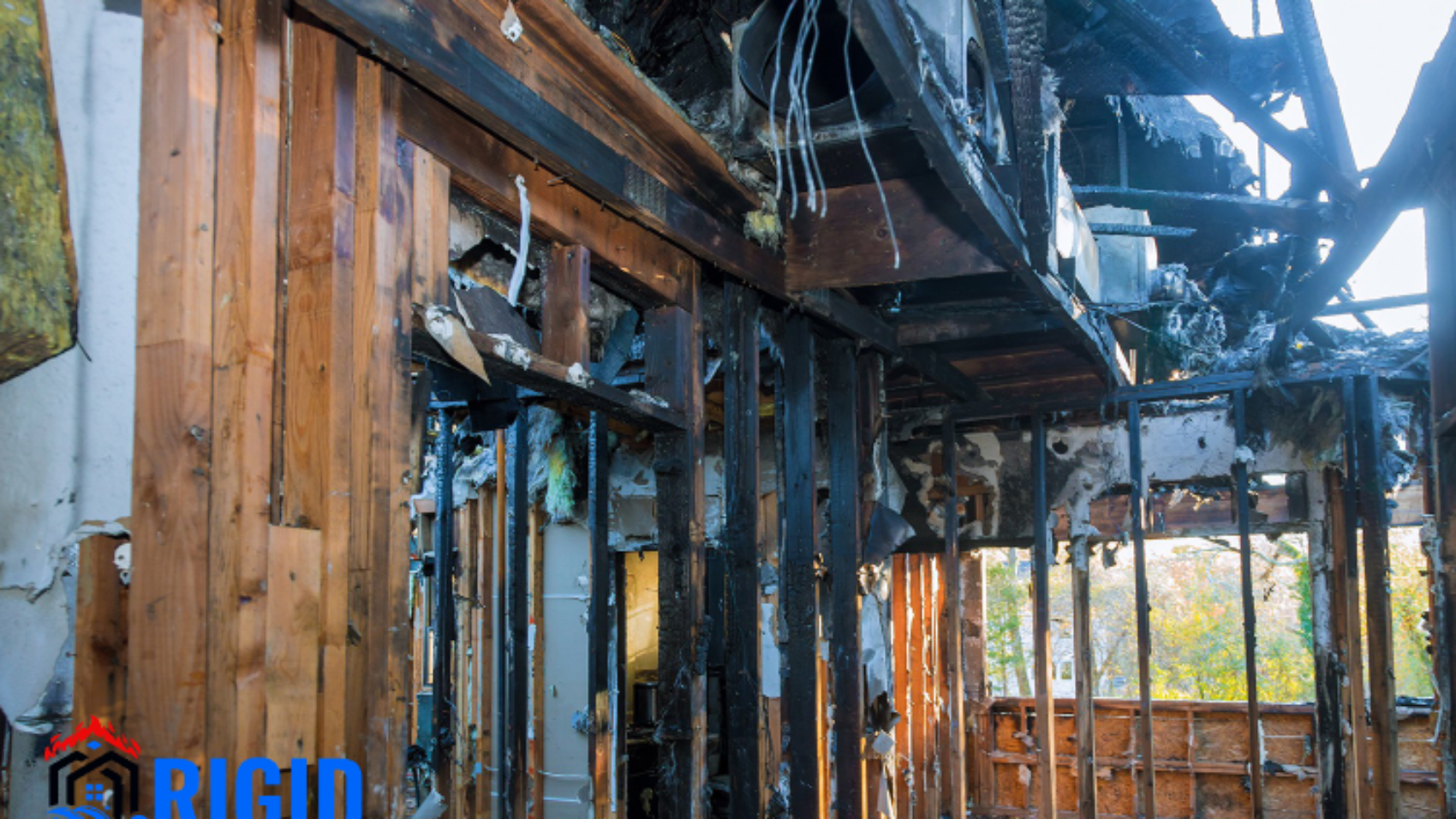
A house fire can leave behind much more than burned walls and damaged furniture. Even a relatively small fire can spread smoke, soot, and heat throughout a property, while water used by firefighters may create additional problems. Once the flames are extinguished, homeowners must deal with an important question: how much will it cost to restore their home?
The fire damage restoration cost in San Diego depends on several factors, including the size of the affected area, the severity of the fire, the extent of smoke and water damage, and the materials that need to be repaired or replaced. Understanding these expenses can help homeowners prepare financially, compare restoration estimates, and avoid unnecessary costs.
In this guide, we explain typical restoration prices, the services included in the process, insurance coverage, and practical ways to manage restoration expenses.
Read more: Why Older San Diego Homes Are More Vulnerable to Water Damage?
How Much Does Fire Damage Restoration Cost in San Diego?
The cost of restoring a fire-damaged property varies depending on how extensively the flames, smoke, and water have affected the building. A small kitchen fire may require only surface cleaning, cabinet replacement, and repainting. However, a major fire involving multiple rooms may require demolition, structural repairs, electrical work, and complete interior reconstruction.
As a general budgeting estimate, minor fire damage restoration may cost between $3,000 and $10,000. Moderate damage can range from $10,000 to $30,000, while extensive restoration may exceed $80,000. These figures are approximate and should not be treated as guaranteed local contractor quotes.
| Level of Damage | Estimated Cost |
|---|---|
| Minor fire damage | $3,000–$10,000 |
| Moderate fire damage | $10,000–$30,000 |
| Major fire damage | $30,000–$80,000 |
| Severe structural damage | $80,000–$150,000+ |
The final price may also include emergency services, smoke odor removal, water mitigation, and reconstruction. A professional inspection is the best way to determine the actual scope of work.
What Factors Affect Fire Damage Restoration Costs?
Two properties can experience similar fires but end up with very different restoration bills. This is because contractors evaluate several conditions beyond visible burn marks, including hidden smoke contamination, structural safety, moisture levels, and the materials used throughout the property.
Size of the Affected Area
The size of the damaged area is one of the main factors affecting restoration expenses. A fire limited to one small room generally requires fewer materials, less labor, and less equipment than a fire that spreads across multiple rooms or floors.
Smoke can also travel through hallways, ventilation systems, and wall cavities. As a result, rooms that were never directly exposed to flames may still require professional cleaning and deodorization.
Severity of Fire and Structural Damage
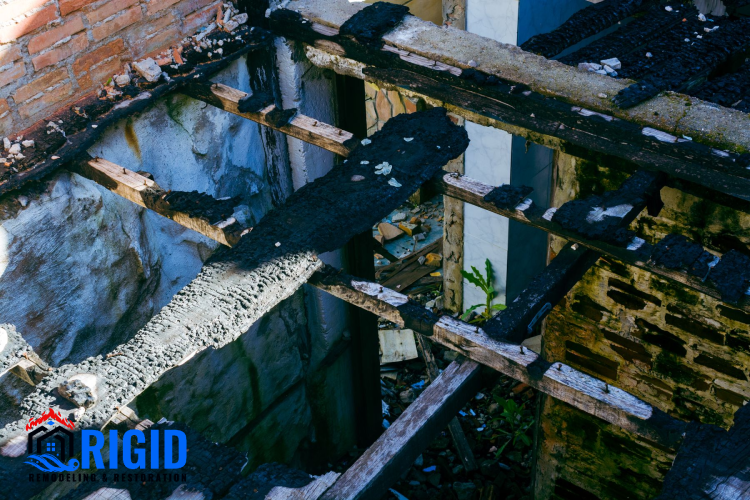
The intensity and duration of a fire determine how deeply heat and flames affect the building. Minor surface damage may be addressed through cleaning and refinishing, but prolonged exposure to high temperatures can weaken framing, damage roof structures, and compromise electrical components.
When structural elements become unsafe, contractors may need to remove damaged materials and rebuild affected sections. These repairs can significantly increase the overall fire damage restoration cost in San Diego.
Smoke and Soot Contamination
Smoke and soot can affect almost every part of a property, even when the flames remain confined to one area. Fine particles settle on walls, ceilings, furniture, carpets, and other surfaces, leaving stains and unpleasant odors.
Porous materials such as upholstery, insulation, and drywall can absorb smoke particles deeply. Depending on the level of contamination, professional cleaning or complete material replacement may be necessary.
Water Damage from Firefighting
Water used to extinguish a fire can create another layer of damage. It may penetrate drywall, flooring, insulation, and subfloors, making water extraction and structural drying necessary.
If moisture remains trapped inside building materials, mold growth may develop. Professional drying equipment and moisture monitoring help prevent additional damage and reduce the risk of expensive repairs.
Materials and Finishes Used in Reconstruction
Replacement materials also influence the final restoration budget. Standard drywall, laminate flooring, and basic cabinets generally cost less than hardwood flooring, custom cabinetry, stone countertops, or specialty finishes.
Older properties may require additional work to match existing materials or meet current building requirements. Homeowners should discuss material options with their contractor before approving the reconstruction plan.
What Services Are Included in Professional Fire Damage Restoration?
Professional fire restoration involves several stages, starting with emergency property protection and ending with cleaning, repairs, and reconstruction. The exact services depend on the inspection results and the type of damage found.
Emergency Board-Up and Property Protection
Broken windows, damaged doors, and holes in the roof can leave a property exposed after a fire. Emergency board-up services and temporary roof protection help prevent weather exposure, unauthorized entry, and further property damage.
The cost depends on the number of openings, roof accessibility, and materials required. Taking these precautions early can prevent secondary damage while the restoration plan is being prepared.
Smoke and Soot Removal
Removing smoke and soot requires specialized equipment and cleaning methods. Restoration professionals may use HEPA vacuums, chemical sponges, and appropriate cleaning solutions to remove residues from walls, ceilings, floors, and other surfaces.
The cleaning method depends on the affected material and the type of soot. Some surfaces can be restored through professional cleaning, while heavily contaminated porous materials may need replacement.
Water Extraction and Structural Drying
After firefighting activities, restoration teams inspect the property for standing water and hidden moisture. Professional extractors remove excess water, while air movers and commercial dehumidifiers help dry affected building materials.
This process is essential because moisture trapped behind walls or beneath flooring can lead to mold growth. Proper moisture monitoring ensures that materials are sufficiently dry before reconstruction begins.
Smoke Odor Removal and Deodorization
Visible soot removal does not always eliminate the smell of smoke. Odor-causing particles can remain inside carpets, furniture, insulation, and HVAC systems even after surfaces appear clean.
Professionals may use hydroxyl generators, thermal fogging, and other deodorization techniques depending on the contamination. Air duct cleaning may also be necessary when smoke has circulated through the ventilation system.
Structural Repairs and Reconstruction
The final stage involves repairing or replacing materials that cannot be restored through cleaning. This may include drywall, insulation, flooring, cabinets, electrical components, roofing, and damaged framing.
Reconstruction expenses depend on the extent of demolition, the materials selected, labor requirements, and whether permits or engineering assessments are necessary. For properties with extensive damage, this stage can represent the largest portion of the total project cost.
How Much Does Each Fire Restoration Service Cost?
Understanding the estimated price of individual services can help homeowners evaluate contractor proposals and identify potential additional expenses. The following figures are general budgeting ranges, not fixed San Diego market prices.
| Restoration Service | Estimated Cost |
|---|---|
| Emergency board-up and roof tarping | $500–$2,500 |
| Smoke and soot cleaning | $500–$5,000 |
| Water extraction and drying | $1,500–$6,000 |
| Odor removal and deodorization | $300–$4,000 |
| Contents cleaning and pack-out | $1,000–$5,000 |
| Structural inspection | $350–$900 |
| Structural repairs and reconstruction | $5,000–$30,000+ |
These services may overlap or be combined in a single restoration estimate. For example, a project involving smoke contamination and water damage may require several treatments before reconstruction can begin. Severe structural damage can also increase costs beyond these ranges.
Does Homeowners Insurance Cover Fire Damage Restoration in San Diego?
In many cases, homeowners insurance covers accidental fire damage, including damage caused by flames, smoke, and water used during firefighting. However, coverage depends on the policy limits, exclusions, deductible, and circumstances surrounding the incident.
Dwelling coverage generally helps pay for repairs to the physical structure, while personal property coverage may apply to damaged furniture, clothing, electronics, and other belongings. Additional living expenses coverage may also help pay for temporary accommodation if the property becomes uninhabitable, subject to policy conditions.
Before approving major repairs, contact your insurance provider and document all visible damage. Photographs, videos, receipts, and detailed contractor estimates can make the claims process easier.
It is also important to understand your policy before signing major restoration agreements. Ask your insurer which services are covered, whether emergency mitigation is included, and how the deductible will affect your out-of-pocket expenses.
How to Reduce Fire Damage Restoration Costs Without Compromising Quality
Restoring a fire-damaged home can be expensive, but homeowners can take practical steps to control unnecessary expenses. The goal should be to prevent additional damage and make informed decisions rather than skipping essential restoration work.
Act Quickly to Prevent Secondary Damage
Delaying restoration can allow moisture to spread and smoke residue to become harder to remove. Once the property is safe to access, arrange an inspection and address urgent problems such as broken windows, standing water, and exposed roofing.
Request a Detailed Written Estimate
Ask contractors to provide an itemized estimate covering cleaning, demolition, deodorization, water mitigation, and reconstruction. Comparing multiple estimates can help you understand labor charges, material costs, and the proposed scope of work.
Make sure each contractor is estimating the same services before comparing prices. An unusually low estimate may exclude important restoration steps.
Restore Salvageable Items Instead of Replacing Everything
Not every item exposed to smoke or soot needs to be discarded. Some furniture, clothing, flooring, and personal belongings can be professionally cleaned depending on their material and contamination level.
Ask the restoration team to identify which belongings can be saved and which require replacement. A detailed contents inventory can also support your insurance claim.
Read More: How Much Does Water Damage Restoration Cost in San Diego?
Choose Qualified Restoration Professionals
An experienced restoration contractor can help prevent costly mistakes and identify hidden damage before reconstruction begins. Check for appropriate California contractor licensing, relevant experience, liability insurance, and a clear written agreement.
A reliable company should explain its cleaning methods, restoration timeline, and estimated expenses without pressuring you into immediate decisions.
How Long Does Fire Damage Restoration Take?
The restoration timeline depends on the severity of the fire, the amount of smoke and water damage, and whether structural repairs are required. Minor cleaning projects may take several days, while moderate restoration can require a few weeks.
Properties with extensive structural damage may take several months to restore. Engineering inspections, building permits, material orders, and reconstruction work can all extend the schedule.
A professional restoration team should provide an estimated timeline after inspecting the property. Homeowners should also remember that hidden damage discovered during demolition may change the original schedule and budget.
Final Thoughts
The fire damage restoration cost in San Diego depends on several factors, including the size of the affected area, smoke contamination, water damage, structural conditions, and the materials that need replacement. While minor incidents may require only a few thousand dollars in repairs, extensive fires can result in much larger restoration projects.
Understanding the different stages of restoration helps homeowners prepare financially and make better decisions when comparing estimates. The best approach is to arrange a professional inspection, document all damage, review insurance coverage, and choose an experienced contractor who provides a clear scope of work.
Ultimately, proper restoration is about more than making a property look clean again. It involves addressing hidden damage, protecting structural integrity, and creating a safe and comfortable living environment for the future.
Frequently Asked Questions
- What Is the Average Cost of Fire Damage Restoration in San Diego?
The cost varies depending on the severity of the fire and the services required. Minor projects may cost a few thousand dollars, while extensive restoration involving structural repairs can exceed $80,000. An on-site inspection is necessary to determine an accurate estimate.
- Does Fire Damage Restoration Include Smoke and Water Damage?
Yes. Professional fire restoration commonly includes smoke and soot removal, odor elimination, water extraction, and structural drying. However, homeowners should review the contractor’s estimate to make sure all affected areas and necessary services are included.
- Can I Stay in My Home During Fire Damage Restoration?
It depends on the property’s condition. Minor damage may allow homeowners to remain in unaffected areas, but structural instability, smoke contamination, damaged electrical systems, or hazardous residues may make temporary relocation necessary. A professional safety assessment should be completed before returning.
- How Can I Get an Accurate Fire Damage Restoration Estimate?
Schedule an on-site inspection with an experienced restoration contractor. The assessment should cover visible and hidden damage, moisture levels, smoke contamination, structural conditions, and materials that need repair or replacement. Request a detailed written estimate to understand the expected expenses.
- Is It Possible to Restore a House After Severe Fire Damage?
Yes, many properties with severe fire damage can be restored, provided the structure can be made safe and the necessary repairs are feasible. The process may involve demolition, structural reinforcement, electrical repairs, smoke removal, and complete reconstruction. A qualified professional should evaluate the building before restoration begins.