
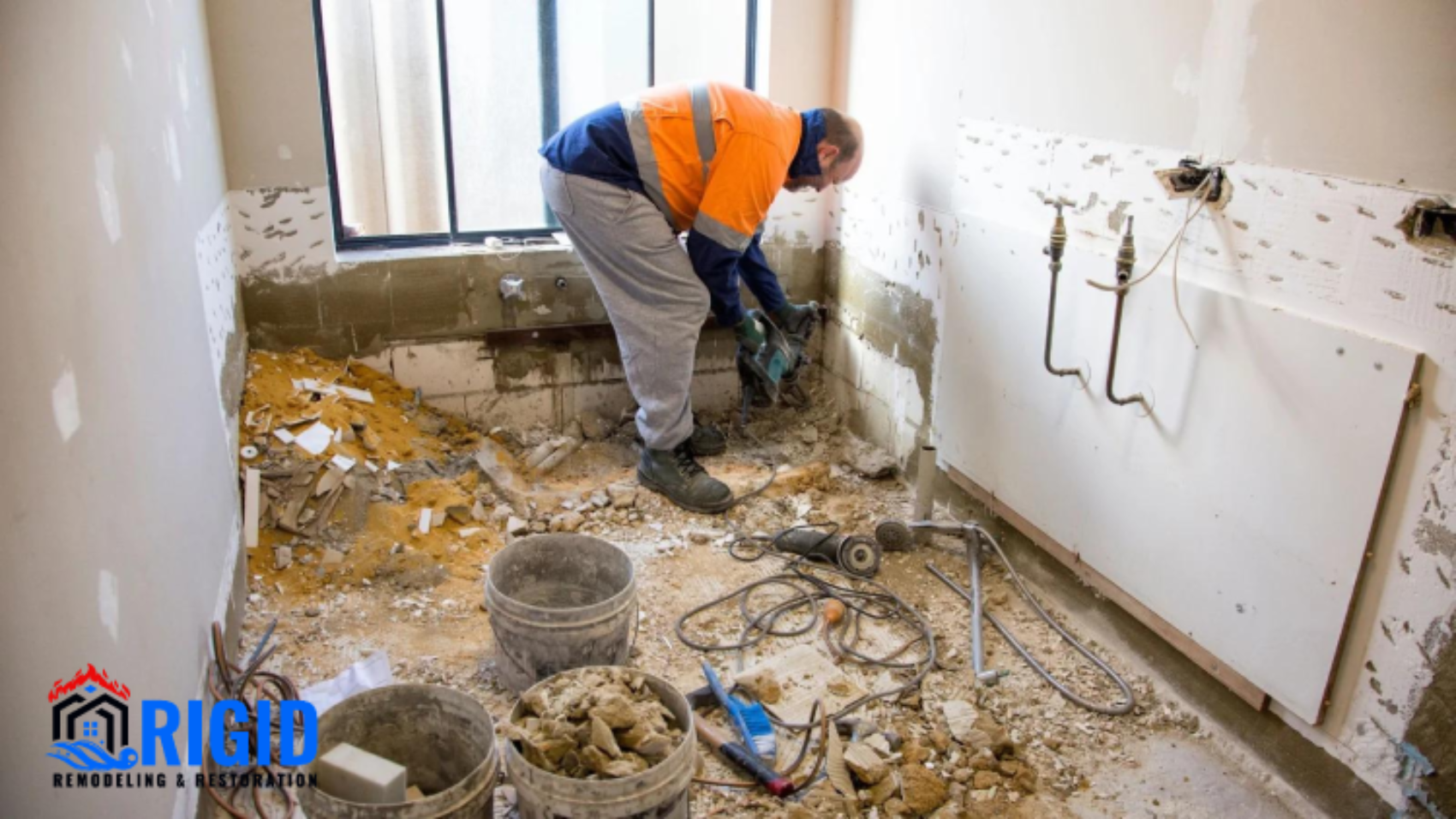
A bathroom remodel can turn an outdated space into a more comfortable, functional, and attractive part of your home. However, before starting the project, most homeowners want to know one important thing: how long will the renovation take, and how long will the bathroom remain out of use?
The answer depends on the size of the bathroom, the complexity of the work, the availability of materials, and the condition of the existing plumbing and electrical systems. While simple updates may take only a few days, a complete bathroom renovation typically requires four to six weeks of construction.
Understanding the bathroom remodeling timeline helps you prepare your budget, coordinate with contractors, and plan for temporary changes to your daily routine. This guide explains the renovation process week by week, the factors that can cause delays, and practical ways to keep your project on schedule.
Read more: How Much Will Insurance Pay for Water Damage?
How Long Does a Bathroom Remodel Take on Average?
Most full bathroom renovations take approximately four to six weeks of construction. Smaller projects may be completed within two to three weeks, while large bathrooms or renovations involving major structural changes can take eight weeks or longer.
It is important to distinguish between construction time and the complete remodeling process. Planning, selecting materials, obtaining permits, and scheduling contractors can add several weeks before construction begins. As a result, a project that requires six weeks of construction may take two to three months from initial planning to completion.
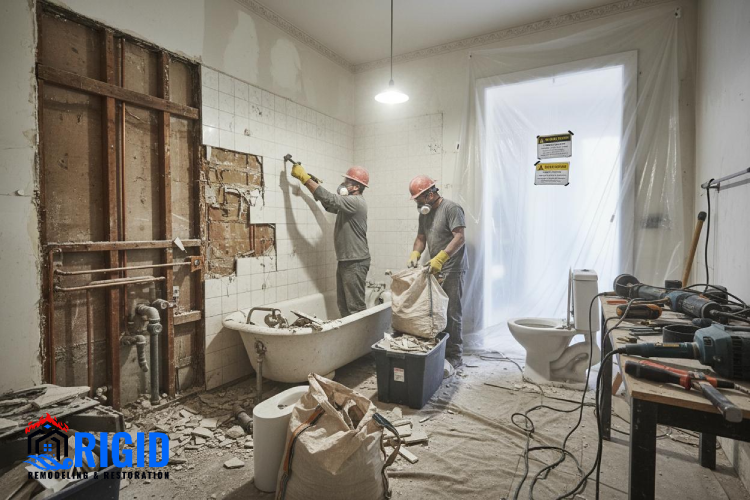
Average Bathroom Remodeling Timelines
The type of renovation significantly affects the duration of the project. Cosmetic updates require less work than replacing major fixtures, modifying plumbing, or rebuilding a shower.
| Project Type | Estimated Construction Time |
|---|---|
| Painting and cosmetic updates | 2–5 days |
| Vanity and fixture replacement | 3–7 days |
| Small bathroom renovation | 2–4 weeks |
| Standard full bathroom remodel | 4–6 weeks |
| Large primary bathroom renovation | 6–8 weeks |
Major plumbing or structural changes
These estimates assume materials are available and no major hidden problems are discovered. Water damage, permit delays, and custom product orders can extend the schedule.
Bathroom Remodel Timeline: A Week-by-Week Breakdown
A typical bathroom renovation follows several stages, starting with demolition and ending with final inspections. Each stage prepares the space for the next, so completing the work in the correct order is essential.
The following six-week schedule provides a general overview. Smaller renovations may finish sooner, while complex projects may require additional time.
Before Week 1: Planning and Material Preparation
Preparation is one of the most important parts of a successful renovation. Before construction begins, homeowners should finalize the design, establish a budget, select fixtures, and confirm the contractor’s schedule.
Major materials, including tiles, vanities, faucets, bathtubs, and shower doors, should be ordered early. Custom products may take several weeks to arrive, and missing materials can delay multiple stages of construction.
The contractor should also inspect the existing bathroom, identify potential plumbing or electrical issues, and determine whether permits are required. Completing these steps before demolition reduces the risk of unexpected interruptions.
Week 1: Demolition and Removal
The first week usually involves protecting nearby areas and removing the existing fixtures and finishes. Depending on the renovation plan, contractors may remove the vanity, toilet, bathtub, shower, flooring, and wall tiles.
Once the bathroom has been stripped back, previously hidden areas become accessible. Contractors can inspect the plumbing, wall framing, and subfloor for leaks, deterioration, or other damage.
If the underlying structure is in good condition, the renovation can proceed according to schedule. However, water damage or damaged pipes may require additional repairs before installation work begins.
Week 2: Plumbing, Electrical, and Structural Work
During the second week, contractors prepare the bathroom for its new fixtures and finishes. Plumbers may replace pipes or adjust water supply lines, while electricians install wiring for lighting, outlets, and exhaust fans.
Keeping the toilet, shower, and vanity in their original locations generally reduces the amount of plumbing work required. Moving these fixtures may involve new drainage lines, additional labor, and inspections.
This stage may also include repairing the subfloor, adjusting wall framing, and preparing surfaces for waterproofing. Any required inspections should be scheduled promptly to prevent delays.
Week 3: Waterproofing and Tile Installation
The third week often focuses on waterproofing the shower and preparing the bathroom surfaces for tile installation. Contractors install appropriate waterproof membranes, backer boards, and shower pans to protect the structure from moisture.
Waterproofing is essential because leaks can damage the walls, flooring, and framing beneath the finished surfaces. Depending on the system used, the installation may need to cure or pass a water test before tiling begins.
Tile installation can take several days, particularly when the design includes intricate patterns, niches, or large-format tiles. Adhesives must also receive sufficient time to set before grouting and further finishing work can proceed.
Week 4: Grouting, Painting, and Finishing
During the fourth week, contractors complete many of the visible finishes. These may include grouting tiles, painting walls, installing flooring, fitting trim, and finishing areas around the shower or bathtub.
The order of work depends on the materials and installation methods. Some flooring must be installed before the vanity, while other products are fitted around cabinetry.
Drying and curing times remain important. Paint, grout, adhesives, and sealants must be allowed to set according to the manufacturer’s instructions to ensure a durable finish.
Week 5: Installing Fixtures and Cabinets
The fifth week generally focuses on installing the vanity, sink, toilet, bathtub, shower fixtures, lighting, mirrors, and accessories.
The duration depends on the complexity of the products and the amount of work required to connect them. Standard fixtures are usually straightforward to install, while custom cabinetry and specialized shower systems may require more time.
Shower glass can also cause delays because custom doors are often measured after the tile installation and manufactured to fit the finished opening. Once fixtures are installed, contractors test the plumbing connections, check for leaks, and verify that electrical components operate correctly.
Week 6: Final Inspection and Cleanup
The final week is dedicated to checking the finished bathroom and correcting any remaining issues. Contractors inspect the fixtures, tile surfaces, grout lines, sealant, cabinets, drainage, and other details.
If permits were required, a final inspection may also need to be arranged. The contractor should explain when the shower and bathtub can be used and provide care instructions for the new finishes.
The project is complete when the bathroom is functional, outstanding defects have been corrected, and any required inspections have been passed.
What Factors Can Delay a Bathroom Remodel?
Even a carefully planned renovation can encounter unexpected problems. Understanding the most common causes of delays helps homeowners prepare realistic schedules and make better decisions before construction begins.
Changes to the Bathroom Layout
Keeping the existing layout generally makes a renovation faster because fewer plumbing and electrical changes are required. Moving a toilet, relocating a shower, or installing a larger bathtub may involve new pipes, drainage modifications, and additional inspections.
Finalizing the design before demolition helps avoid unnecessary rework. Changes made after construction begins can increase both labor costs and completion time.
Hidden Water Damage and Plumbing Problems
Removing old fixtures and tiles may reveal damaged pipes, deteriorated framing, or moisture beneath the flooring. These issues must be repaired before new materials can be installed.
The additional time depends on the extent of the damage and whether specialist services are needed. Although these repairs can be frustrating, ignoring them may lead to more expensive problems later.
Material Delivery Delays
Custom vanities, specialty tiles, and made-to-order shower doors may take longer to arrive than standard products. If an essential item is unavailable, contractors may be unable to complete connected tasks.
Ordering major materials in advance and confirming delivery dates can reduce the risk of delays.
Contractor Scheduling and Permits
Bathroom renovations often require several specialists, including plumbers, electricians, tile installers, and painters. Poor coordination can create gaps between construction stages.
Permits and inspections may also affect the schedule. Homeowners should confirm local requirements before work begins and ask the contractor to include inspection appointments in the project timeline.
How Can You Speed Up a Bathroom Remodel?
Reducing renovation time requires careful planning rather than rushing essential work. The following strategies can help prevent avoidable delays.
Finalize Your Design Before Construction
Choose your fixtures, tiles, finishes, and layout before demolition begins. Making decisions early reduces the risk of ordering replacement materials or repeating completed work.
Order Materials in Advance
Confirm that essential products are available and that delivery dates fit the construction schedule. Inspect deliveries to ensure the correct items and sizes have arrived before they are needed.
Keep the Existing Plumbing Layout
If the current layout works well, retaining the fixture locations can reduce plumbing costs and simplify installation. However, layout changes may still be worthwhile when they significantly improve functionality.
Communicate Regularly With Your Contractor
Request a written schedule showing the expected start and completion dates for each stage. Regular updates help identify problems early and make it easier to adjust the schedule when necessary.
Allow Proper Curing Time
Waterproofing products, tile adhesives, grout, and sealants need sufficient time to cure. Rushing these stages can compromise the installation and lead to leaks or damaged finishes.
Can You Use Your Bathroom During a Remodel?
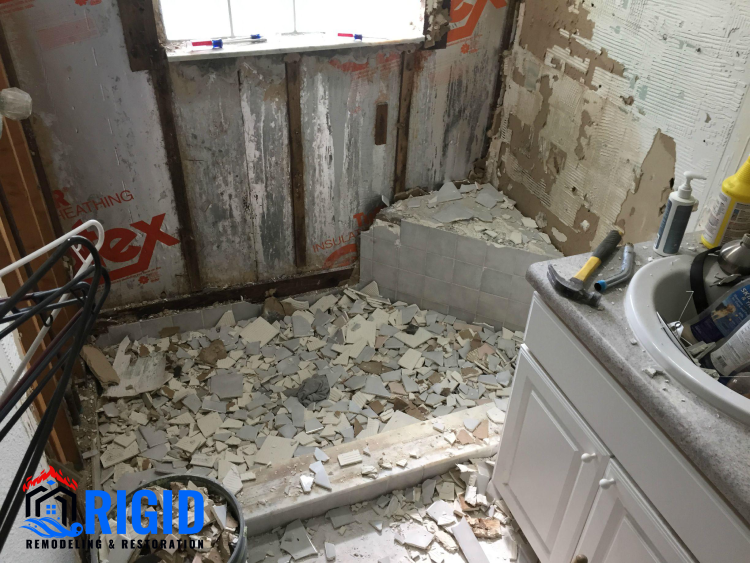
Whether the bathroom remains usable depends on the scope of the renovation. During cosmetic updates, some fixtures may remain operational if the work does not affect their plumbing or create unsafe conditions.
During a full renovation, however, the bathroom may be completely unavailable for several weeks. If your home has only one bathroom, discuss temporary arrangements with your contractor before construction begins.
You may need access to another bathroom or temporary accommodation during the most disruptive stages. A phased renovation may be possible, but it can increase labor costs and extend the overall schedule.
Read More: Can a Flooded House Be Saved?
Final Thoughts
A bathroom remodel typically takes four to six weeks of construction, although simple updates may be completed sooner and complex projects may require eight weeks or longer. The exact timeline depends on the scope of the work, material availability, contractor coordination, and any unexpected repairs.
The best way to avoid unnecessary delays is to plan carefully, order materials early, finalize the design, and maintain clear communication with your contractor. At the same time, allow sufficient time for waterproofing, inspections, and curing.
Before construction begins, request a written timeline and prepare for temporary changes to your household routine. A realistic schedule helps you manage expectations and achieve a bathroom that is attractive, functional, and built to last.
Frequently Asked Questions
- How long does a bathroom remodel take from start to finish?
A standard full bathroom renovation generally requires four to six weeks of construction. Planning, ordering materials, obtaining permits, and scheduling contractors can extend the complete process to two or three months.
- Can a bathroom remodel be completed in two weeks?
Yes, simple renovations may be completed in two weeks if materials are available and the layout remains unchanged. Projects involving extensive tile work, plumbing changes, or custom installations usually require more time.
- What is the longest part of a bathroom remodel?
Tile installation, plumbing modifications, and custom product delivery can take significant time. Hidden water damage and structural repairs may also extend the schedule because these problems must be resolved before finishing work begins.
- Does a small bathroom take less time to remodel?
A small bathroom often requires fewer materials, but its size does not guarantee a shorter renovation. Complex tile patterns, limited access, and major plumbing changes can make a small bathroom just as time-consuming to remodel as a larger one.