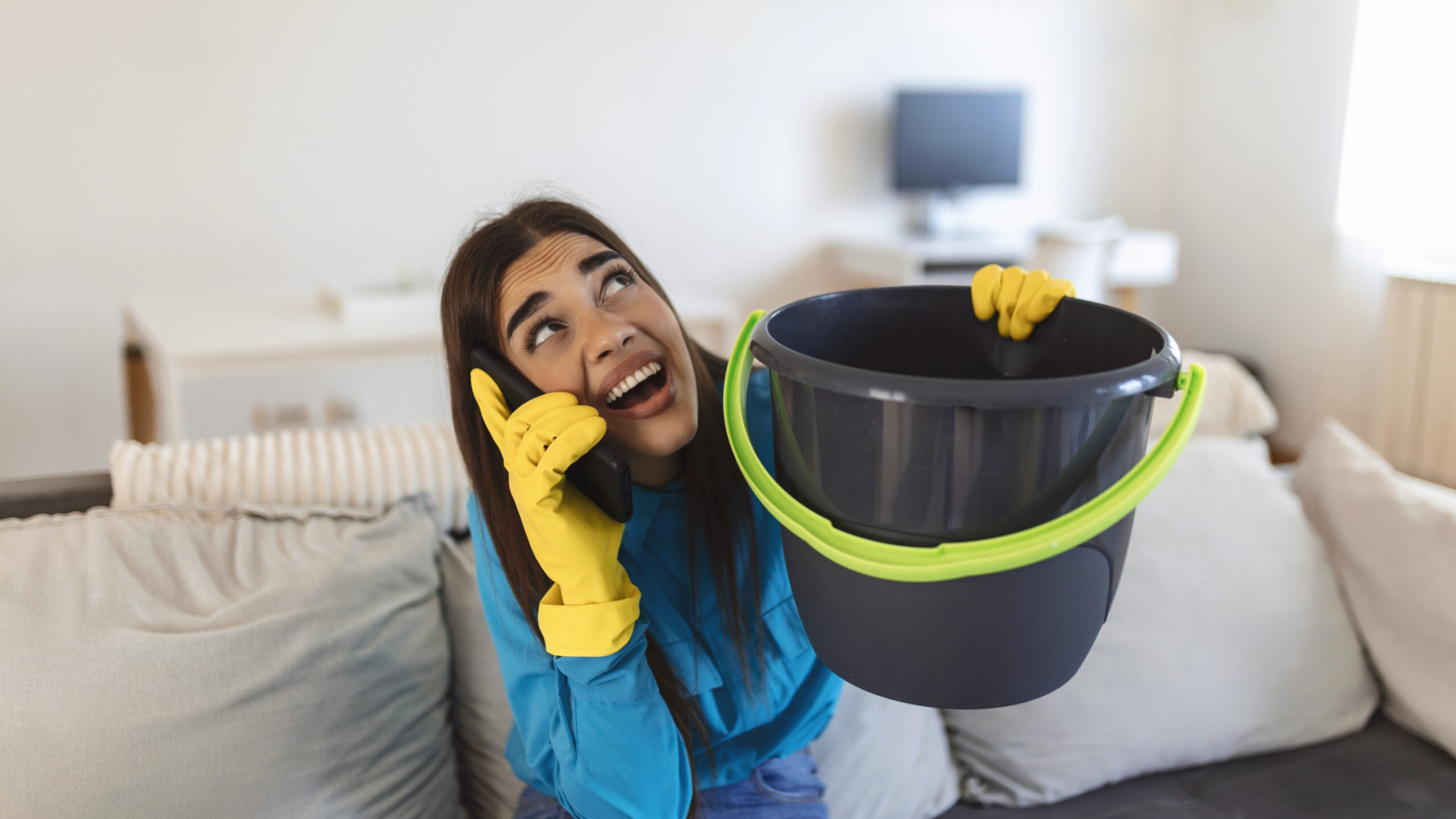

Water Damage Prevention for Vacation Homes is essential because vacation properties are often left unoccupied for extended periods, making them particularly vulnerable to water damage. Leaks, flooding, and plumbing failures can go unnoticed for days or even weeks, resulting in costly repairs and long-term structural issues. Property owners can minimize risks by implementing preventive measures and monitoring strategies to protect their investment.
Understand the Risks
Water damage in vacation homes can originate from several sources:
Plumbing Failures: Burst pipes, leaking faucets, or faulty appliances can cause significant damage.
Roof and Window Leaks: Aging roofs or improperly sealed windows allow rainwater to penetrate the property.
HVAC and Condensation: Poorly maintained heating and cooling systems can introduce moisture.
Frozen Pipes: In colder climates, pipes can freeze and burst during winter months.
Flooding: Heavy rainfall or nearby water sources can lead to basement or ground-level flooding.
Understanding these common risks is a crucial part of Water Damage Prevention for Vacation Homes, helping property owners take proactive steps to avoid expensive repairs and maintain the long-term condition of their property.
Recognizing these risks allows property owners to take targeted actions to prevent water-related problems.
Preventive Plumbing Measures
Proper plumbing maintenance is essential for vacation homes:
- Shut Off Main Water Supply: When the home is unoccupied, turning off the main water supply prevents leaks from causing damage.
- Drain Pipes: Remove water from plumbing lines to prevent freezing and bursting in colder climates.
- Inspect Appliances: Regularly check washing machines, dishwashers, and water heaters for leaks and malfunctions.
- Install Leak Detectors: Smart sensors can alert owners remotely if a leak occurs, allowing prompt action.
Roof, Gutters, and Window Maintenance
Exterior maintenance protects the property from water intrusion:
- Inspect the Roof: Replace damaged shingles and repair flashing to prevent leaks.
- Clean Gutters: Ensure downspouts are clear and direct water away from the foundation.
- Seal Windows and Doors: Check caulking and weatherstripping to prevent rainwater from entering the home.
HVAC and Ventilation
Proper HVAC maintenance reduces indoor moisture:
- Turn Off and Drain HVAC Units: Prevent water accumulation and mold growth during extended vacancy.
- Maintain Proper Ventilation: Ensure airflow in enclosed areas to reduce humidity levels.
- Monitor Humidity: Use a dehumidifier or smart sensors to keep indoor humidity below 50%.
Flood and Storm Preparedness
Properties located in flood-prone areas require additional precautions:
- Elevate Valuables: Store furniture, electronics, and important documents above potential flood levels.
- Install Sump Pumps: Ensure basements or crawlspaces are equipped with operational sump pumps.
- Seal Vulnerable Areas: Waterproof basements and reinforce ground-level entrances against water intrusion.
Regular Inspections and Monitoring
Even when unoccupied, periodic inspections are vital:
- Hire Local Property Managers: Professionals can check for leaks, moisture, or structural issues during off-season periods.
- Remote Monitoring: Smart home devices can track water sensors, humidity levels, and HVAC operation.
- Schedule Maintenance: Conduct seasonal maintenance on plumbing, roofs, and appliances to catch potential issues early.
Content Protection
Water damage can destroy furniture, electronics, and personal belongings. Preventive strategies include:
- Relocate Items: Move valuable items to elevated or secure locations.
- Protect Floors and Carpets: Remove or cover absorbent materials to minimize damage.
- Use Plastic Covers: Protect furniture and stored items from moisture in case of leaks.
Insurance Considerations
Insurance policies for vacation homes often require proactive measures to maintain coverage. Document preventive steps, inspections, and maintenance to support claims in the event of water damage. Some insurers may offer discounts for properties equipped with leak detection systems and flood mitigation features.
Emergency Response Planning
Even with preventive measures, emergencies can occur. A clear plan ensures rapid response:
- Local Contacts: Have a restoration company or property manager on call for immediate mitigation.
- Remote Monitoring Alerts: Use smart devices to receive alerts and act quickly.
- Document Procedures: Provide instructions for mitigation steps, including shutting off water and protecting contents, to local contacts.
Conclusion
Vacation homes are particularly vulnerable to water damage due to their extended periods of vacancy. By implementing preventive plumbing measures, maintaining roofs and windows, controlling humidity, preparing for floods, and monitoring the property remotely, owners can minimize the risk of costly damage.
Proactive measures, combined with professional inspections and emergency response planning, help protect both the investment and the safety of the home. Understanding potential water risks and acting accordingly ensures that vacation homes remain secure, well-maintained, and ready for use when occupants arrive.