
fast water damage repair

Why Fast Water Damage Repair Saves You Time and Money

Water damage can strike when you least expect it. A burst pipe, a leaking appliance, or even issues like clogged toilets, dish washer leaks can quickly turn into a serious problem. While it may be tempting to delay repairs, acting fast is the smartest decision you can make.

In this guide, we’ll explain why quick water damage repair is essential. You’ll also learn how it saves both time and money in the long run, along with practical steps to protect your home.

The True Cost of Water Damage

At first, water damage may seem minor. A small puddle or damp spot might not raise immediate concern. However, water has a way of spreading quickly.

As moisture seeps into walls, floors, and furniture, it causes:

  • Structural weakening
  • Mold growth
  • Electrical risks
  • Damage to personal belongings

Therefore, what starts as a small issue can become a major expense if ignored.

Why Speed Matters in Water Damage Repair

Time plays a critical role in how severe the damage becomes. The longer water sits, the more destruction it causes.

Within the First 24 Hours

During this period, damage is still manageable. Surfaces may absorb moisture, but structural harm is limited.

After 24 to 48 Hours

Mold and mildew can begin to develop. At this stage, repairs become more complex.

Beyond 48 Hours

Serious damage occurs. Materials may need to be replaced entirely, increasing costs significantly.

As a result, fast action can dramatically reduce the extent of repairs needed.

  1. Prevents Structural Damage

Water weakens the structural integrity of your home. Wood can rot, drywall can crumble, and flooring can warp.

However, quick repair helps stop moisture from spreading. This preserves the strength of your home and avoids costly reconstruction.

  1. Reduces Mold and Mildew Growth

Mold thrives in damp environments. Once it starts growing, it spreads rapidly.

Fast water damage repair removes moisture before mold has a chance to develop. Consequently, you avoid:

  • Health risks
  • Expensive mold remediation
  • Lingering odors

Therefore, acting quickly protects both your home and your health.

  1. Saves You Money on Repairs

Delaying repairs almost always leads to higher costs. For example:

  • A small leak may only require minor fixes
  • A prolonged leak may require replacing walls, flooring, and insulation

Additionally, issues like clogged toilets, dish washer leaks can worsen over time if ignored. This increases both repair and water bills.

In contrast, quick action limits the damage and keeps expenses under control.

  1. Protects Your Belongings

Water damage does not only affect your home’s structure. It also impacts your personal items.

Furniture, electronics, and important documents can all be damaged by moisture. However, fast response increases the chances of saving these items.

As a result, you avoid the cost and stress of replacing valuable belongings.

  1. Maintains Indoor Air Quality

Standing water and damp materials can lead to poor air quality. Mold spores and bacteria may spread through the air.

This can cause:

  • Allergies
  • Respiratory issues
  • Unpleasant odors

By addressing water damage quickly, you maintain a healthier living environment.

  1. Prevents Electrical Hazards

Water and electricity are a dangerous combination. Leaks near electrical systems can create serious risks.

Fast repair reduces the chance of:

  • Short circuits
  • Electrical fires
  • Equipment damage

Therefore, immediate action improves safety in your home.

Common Causes of Water Damage

Understanding the source helps you act quickly and prevent future issues.

Plumbing Problems

Leaky pipes and clogged toilets are common culprits. When water overflows, it can spread rapidly across floors and walls.

Appliance Leaks

Household appliances like a dish washer can develop leaks over time. Even a slow drip can cause significant damage if unnoticed.

Roof and Weather Issues

Heavy rain and roof leaks allow water to enter your home. This often leads to ceiling stains and hidden damage.

Poor Drainage

Improper drainage around your home can cause water to seep into the foundation.

Signs You Need Immediate Water Damage Repair

Recognizing early warning signs can help you act fast.

Look for:

  • Water stains on walls or ceilings
  • Warped or buckled flooring
  • Musty odors
  • Visible mold growth
  • Unexplained increase in water bills

If you notice any of these signs, do not delay repairs.

What to Do Immediately After Water Damage

Taking the right steps can minimize damage and speed up recovery.

  1. Stop the Water Source

Identify and fix the cause. This may involve repairing leaks or addressing clogged toilets, dish washer issues.

  1. Remove Standing Water

Use towels, mops, or a wet vacuum to remove excess water quickly.

  1. Dry the Area

Increase airflow with fans and open windows. Dehumidifiers can also help reduce moisture.

  1. Protect Your Belongings

Move furniture and valuables away from the affected area.

  1. Call Professionals

For severe damage, professional help ensures proper restoration and prevents future problems.

Long-Term Benefits of Fast Water Damage Repair

Quick action does more than fix the immediate problem. It also provides long-term advantages.

Preserves Property Value

Homes with unresolved water damage lose value. Fast repair helps maintain your property’s worth.

Reduces Future Repairs

Addressing the issue early prevents recurring problems. This saves money over time.

Improves Peace of Mind

Knowing your home is safe and secure reduces stress. You can focus on daily life without worrying about hidden damage.

Prevention Tips to Avoid Water Damage

Preventing water damage is always better than repairing it.

Regular Inspections

Check pipes, appliances, and roofing regularly for signs of wear.

Fix Plumbing Issues Promptly

Do not ignore clogged toilets, dish washer leaks, or slow drains. Small problems can quickly escalate.

Maintain Appliances

Inspect and service your appliances to ensure they function properly.

Improve Drainage

Ensure water flows away from your home’s foundation.

Install Water Alarms

Water detection devices can alert you to leaks early.

When to Call a Professional

While minor issues can be handled yourself, some situations require expert help.

Call a professional if:

  • Water damage is extensive
  • Mold is present
  • The source of the leak is unclear
  • Structural damage is visible

Professionals have the tools and expertise to handle complex situations safely.

Final Thoughts

Water damage is a problem that should never be ignored. Acting quickly can make all the difference.

Fast water damage repair prevents structural damage, reduces mold growth, and saves money. It also protects your belongings and ensures a healthier living environment.

Issues like clogged toilets, dish washer leaks, and plumbing failures can trigger water damage. Therefore, staying proactive is essential.

In the end, the faster you act, the more you save—both in time and money.


refrigerator leaking water

What Makes a Refrigerator Leak Water? 7 Main Reasons and Prevention Tips

A leaking refrigerator can quickly turn from a minor annoyance into a costly problem. Water pooling around your fridge not only damages your flooring but also signals that something isn’t working properly.

So, what makes a refrigerator leak water? More importantly, how can you fix it and prevent it from happening again?

In this guide, we’ll explore the seven most common causes, practical solutions, and prevention tips. We will also explain how broader household plumbing issues like clogged toilets, dish washer leaks, and drainage problems can contribute to appliance-related water damage.

Why You Should Not Ignore a Leaking Refrigerator

At first glance, a small puddle may not seem like a big deal. However, ignoring the issue can lead to:

  • Water damage to floors and cabinets
  • Mold and mildew growth
  • Increased energy bills
  • Reduced appliance lifespan

Therefore, addressing the problem early can save both time and money.

7 Main Reasons Your Refrigerator Is Leaking Water

Let’s break down the most common causes behind refrigerator leaks.

  1. Clogged or Frozen Defrost Drain

One of the most frequent causes is a blocked defrost drain. This drain removes excess water during the defrost cycle.

However, food particles or ice can clog it. As a result, water backs up and leaks onto the floor.

Solution:
Flush the drain with warm water and clear any debris. If frozen, allow it to thaw before cleaning.

  1. Damaged or Misaligned Drain Pan

Your refrigerator has a drain pan underneath that collects water. Normally, this water evaporates over time.

If the pan is cracked or not positioned correctly, water may leak out.

Solution:
Inspect the drain pan and adjust or replace it if needed.

  1. Faulty Door Seals

The door gasket ensures that cold air stays inside. If it becomes loose or damaged, warm air enters the fridge.

Consequently, condensation builds up and can lead to water leakage.

Solution:
Check the seals for gaps or wear. Clean or replace them to restore proper sealing.

  1. High Humidity Levels

In humid environments, condensation can form more easily inside your refrigerator.

This excess moisture may drip and create puddles around the unit.

Solution:
Adjust the temperature settings and avoid opening the fridge too often.

  1. Blocked Water Supply Line

If your refrigerator has a water dispenser or ice maker, it relies on a water supply line.

A blockage or leak in this line can cause water to escape.

Solution:
Inspect the line for cracks or clogs. Tighten connections or replace damaged sections.

  1. Improper Refrigerator Leveling

Your refrigerator needs to be level to function correctly. If it tilts forward, water may not flow properly into the drain.

As a result, leaks can occur.

Solution:
Adjust the legs of the fridge so it slightly tilts backward. This helps water drain correctly.

  1. Ice Maker Issues

Ice makers can also be a source of leaks. Problems like overfilling or faulty valves may cause water to spill.

Solution:
Check the ice maker settings and inspect the inlet valve for damage.

How Household Plumbing Problems Contribute to Refrigerator Leaks

While refrigerator leaks are often internal, external plumbing issues can make things worse.

For example:

  • Clogged toilets can increase pressure in your plumbing system
  • A leaking dish washer may cause excess moisture in the kitchen
  • Poor drainage can lead to water buildup around appliances

As a result, these issues can create an environment where leaks become more frequent or harder to detect.

Step-by-Step: What to Do When Your Refrigerator Leaks

If you notice water around your fridge, act quickly. Follow these steps:

  1. Unplug the Refrigerator

Safety comes first. Disconnect the power before inspecting the appliance.

  1. Identify the Source

Check the drain, water line, and door seals to locate the problem.

  1. Clean the Drain

If the defrost drain is clogged, flush it with warm water.

  1. Inspect Components

Look at the drain pan, seals, and water supply line for damage.

  1. Dry the Area

Remove standing water to prevent further damage or mold growth.

  1. Test the Refrigerator

Plug the unit back in and monitor it to ensure the issue is resolved.

When to Call a Professional

Some problems require expert help. You should contact a technician if:

  • The leak persists after basic troubleshooting
  • Internal components are damaged
  • The water line is difficult to access
  • You suspect electrical issues

Professional repairs can prevent further damage and ensure safety.

Prevention Tips to Avoid Refrigerator Leaks

Preventing leaks is easier than fixing them. Here are some practical tips:

Regular Maintenance

Clean your refrigerator regularly. This includes the drain, seals, and interior surfaces.

Check Plumbing Connections

Inspect water lines and connections periodically. Fix minor leaks before they worsen.

Address Clogged Toilets Quickly

Do not ignore plumbing issues. Clogged toilets, dish washer leaks, and drainage problems can affect your entire system.

Maintain Proper Temperature Settings

Keep your refrigerator at the recommended temperature. This reduces condensation and improves efficiency.

Avoid Overloading the Fridge

Overloading blocks airflow and increases moisture buildup.

Inspect the Drain Pan

Make sure the pan is clean and properly positioned.

Signs Your Refrigerator Needs Immediate Attention

Sometimes, a leak is just the beginning. Watch for these warning signs:

  • Frequent puddles around the fridge
  • Unusual noises
  • Food spoiling faster than usual
  • Ice buildup inside the unit

If you notice these issues, act quickly to avoid costly repairs.

Final Thoughts

A leaking refrigerator is a common problem, but it should never be ignored. From clogged defrost drains to faulty seals, several factors can cause water to escape.

Additionally, household issues like clogged toilets, dish washer leaks, and poor drainage can make the situation worse. Therefore, maintaining both your appliances and plumbing system is essential.

By identifying the cause early and following proper maintenance practices, you can prevent leaks and extend the life of your refrigerator.

If the problem persists, don’t hesitate to seek professional help. Taking action today can save you from bigger problems tomorrow.


Water stains and damage on a home ceiling and wall

What Does Water Damage Look Like? A Visual Guide to Protect Your Home

Knowing what water damage actually looks like is one of the most useful skills a homeowner can have. Water leaves a trail, and if you can read it, you can catch a problem while it is still small. The clues change depending on the surface, the material, and how long the water has been there.

This matters because time is the enemy. The EPA warns that mold can begin growing within 24 to 48 hours of materials becoming damp, and just one inch of water can cause around $25,000 in damage. Recognizing the visual signs early can be the difference between a quick repair and a major restoration.

This guide walks through what water damage looks like on ceilings, walls, floors, and around appliances, how to read stain color and age, and when to call for help. If you see any of these signs, Rigid Restorations offers professional assessments across San Diego County. Call 760-500-1818.

TL;DR

  • Fresh water stains are often yellow or light brown with darker edges; older, layered rings mean a recurring leak.
  • Dark brown or black spotting with a musty smell usually signals mold, not just a stain.
  • On walls, look for bubbling paint, peeling wallpaper, and drywall that looks swollen or streaked.
  • On floors, watch for cupping, buckling, lifting planks, and tile that sounds hollow or feels loose.
  • Ceilings show water damage as rings, sagging, and cracking along seams, often from a roof or upstairs leak.
  • Any discoloration paired with a musty odor or soft texture means moisture is active and needs prompt attention.

What Water Damage Looks Like on Each Surface

Water damage presents differently depending on where it lands. Use this as a quick visual reference for the most common areas of a home.

Surface What You See Likely Cause
Ceilings Yellow or brown rings, sagging, seam cracks Roof leak or upstairs plumbing
Walls Bubbling paint, peeling wallpaper, streaked drywall In-wall pipe leak or roof intrusion
Wood floors Cupping, buckling, gaps, dark staining Subfloor moisture or appliance leak
Tile floors Cracked tile, loose or dark grout, hollow sound Slab leak or long-term moisture below
Baseboards Swelling, warping, separation from wall Water wicking up from the floor
Around appliances Warped cabinets, floor discoloration, rust Dishwasher, washer, or water heater leak

How to Read Stain Color and Age

The color and shape of a stain tell you a lot about what caused it and how long it has been developing. This is one of the fastest ways to judge whether you are looking at an old scar or an active problem.

Appearance What It Suggests
Yellow or tan with a soft edge A recent, single water event; material may still be damp
Copper or rust tone Water passing over metal, such as nails or pipes
Concentric rings, like tree rings A recurring leak that has wet and dried repeatedly
Dark brown or black, flat Older, deeper saturation of the material
Fuzzy or speckled green, black, or gray Active mold growth, not just a stain

Stain vs. Mold: How to Tell the Difference

Homeowners often confuse a water stain with mold, but they call for different responses. A water stain is flat and smooth, a mark left where water dried. Mold has texture, it looks fuzzy or speckled, spreads in irregular clusters, and comes with a musty smell. If you wipe the area gently and it smears or has a raised feel, you are likely dealing with mold. Mold means moisture has been present long enough for growth and needs prompt professional attention under the IICRC S520 standard.

What You Cannot See Matters Too

A visible mark is almost always smaller than the damage behind it. A coin-sized ceiling stain can sit beneath several square feet of wet insulation and framing. Bubbling paint on one spot can mean an entire wall cavity is damp. This is why professionals confirm the true extent with moisture meters and thermal imaging rather than trusting the surface. Materials are considered dry and safe when they read below 16% moisture content and indoor humidity is below 60%.

Real-World Examples

The Single Ceiling Ring

A homeowner spotted one yellow ring on a bedroom ceiling after a storm. A moisture check found the surrounding drywall still wet from a flashing leak on the roof above. Because the stain was caught fresh, a targeted dry-out and small patch resolved it before mold or sagging developed.

The Cupping Floor

In another home, hardwood planks near the kitchen had started to cup, with edges rising above the centers. The cause was a slow dishwasher leak feeding moisture into the subfloor. The visible cupping covered a few boards, but moisture mapping showed saturation extending well beyond them. Early action limited the replacement to a contained area instead of the whole floor.

Glossary

Water Stain: A discolored mark, usually yellow, brown, or copper, left where water has soaked into and evaporated from a porous surface such as drywall or ceiling material.

Cupping: A flooring warp where the edges of wood planks rise higher than the centers, caused by moisture absorbed from below.

Buckling: A more severe flooring failure where boards lift away from the subfloor entirely, indicating heavy or prolonged water exposure.

Mold Staining: Dark green, brown, or black patches, often fuzzy or speckled, that indicate active mold growth rather than a simple water mark.

Blistering Paint: Bubbles that form when moisture collects between paint and the surface beneath it, a common early sign of water behind a wall.

Relative Humidity: The percentage of moisture in the air. Sustained indoor levels above 60% promote condensation and mold.

Frequently Asked Questions

What color is a water stain?

Fresh water stains are typically yellow, tan, or light brown, often with a darker ring at the edge where the water spread and dried. Copper or rust tones can indicate water passing over metal. Dark brown or black patches, especially with a musty smell, usually indicate mold rather than a plain stain.

How can I tell if a water stain is old or new?

A new stain is usually a single soft-edged mark and the area may still feel damp. An old or recurring leak leaves layered rings, like tree rings, where the water repeatedly spread and dried at different levels. Multiple rings mean the leak has happened more than once.

What does water damage look like on walls?

On walls, water damage shows as bubbling or blistering paint, peeling wallpaper, brown or yellow staining, and drywall that looks swollen, streaked, or soft. Baseboards may swell or separate from the wall as water wicks up from the floor.

What does water damage look like on floors?

On wood floors, look for cupping, where plank edges rise, and buckling, where boards lift entirely. Laminate may swell at the seams. Tile can crack, and grout may loosen or a tile may sound hollow when tapped, indicating water in the subfloor beneath.

What does mold from water damage look like?

Mold appears as fuzzy or speckled patches in green, brown, black, or gray, often spreading in irregular clusters. It is usually accompanied by a musty odor. Unlike a flat stain, mold has texture and grows outward over time.

Does visible water damage always mean a big problem?

Not always, but it always means moisture was or is present, and the visible mark is often smaller than the affected area behind it. A professional moisture reading confirms whether the material is still wet and how far the damage extends.

Final Thoughts

Water damage is a visual language, and once you learn to read it, you can spot trouble long before it becomes a crisis. The yellow ring on the ceiling, the bubble in the paint, the plank that has started to cup, each one is telling you that moisture has been at work. The sooner you respond, the smaller the repair.

If you have spotted any of these signs, get the moisture confirmed before it spreads. Rigid Restorations provides professional water damage assessments and 24/7 emergency restoration across San Diego County. Call 760-500-1818 for a same-day evaluation.

what does black mold on leather look like

What Does Black Mold on Leather Look Like? 7 Warning Signs

Leather items add style, comfort, and durability to your home. However, they are not immune to damage—especially from moisture. One of the most concerning issues is black mold.

So, what does black mold on leather look like? More importantly, how can you identify it before it spreads and affects your home?

In this guide, we’ll explore the visual signs, causes, and risks. We will also highlight the connection between Mold and Health, helping you understand why early action is essential.

Why Mold Grows on Leather

Leather is a natural material. It contains organic compounds that mold can feed on. When combined with moisture and poor ventilation, it creates the perfect environment for growth.

Common causes include:

  • High humidity levels
  • Water spills or damage
  • Poor air circulation
  • Improper storage

Therefore, even high-quality leather can develop mold if conditions allow.

What Does Black Mold on Leather Look Like?

Black mold on leather does not always appear the same. In fact, it can vary depending on the level of growth and environmental conditions.

However, there are several clear warning signs to watch for.

7 Warning Signs of Black Mold on Leather

Recognizing these signs early can help you prevent serious damage.

  1. Dark Spots or Patches

The most obvious sign is the appearance of black or dark green spots. These may start small but spread over time.

At first, they may look like dirt. However, unlike dirt, mold tends to grow and expand.

  1. Fuzzy or Powdery Texture

Mold often has a soft, fuzzy, or powdery texture. When you touch it, it may feel slightly raised.

This texture distinguishes mold from simple stains or dust.

  1. Musty or Damp Odor

A strong musty smell is a key indicator. Even if you cannot see visible spots, the odor suggests mold growth.

Therefore, unusual smells should always be investigated.

  1. Discoloration of Leather

Mold can cause uneven discoloration. You may notice faded areas or dark patches that alter the original look of the leather.

Over time, this can ruin the appearance of your item.

  1. White Residue Alongside Black Spots

In some cases, black mold appears alongside white or gray residue. This indicates multiple types of mold growing together.

As a result, the problem may be more advanced than it appears.

  1. Sticky or Damp Surface

Leather affected by mold may feel damp or sticky. This happens because moisture remains trapped in the material.

Consequently, the surface may lose its smooth texture.

  1. Cracking or Weakening of Material

As mold feeds on leather, it breaks down the material. Over time, this can lead to:

  • Cracks
  • Peeling
  • Loss of flexibility

Therefore, untreated mold can permanently damage leather items.

The Connection Between Mold and Health

The link between Mold and Health is important to understand. Mold releases spores into the air, which can affect indoor air quality.

Exposure may lead to:

  • Allergic reactions
  • Respiratory issues
  • Skin irritation
  • Headaches

Even mold on leather furniture or accessories can contribute to these problems. As a result, addressing it quickly is essential for a healthy home.

Common Items Affected by Mold

Mold can grow on various leather items, including:

  • Sofas and chairs
  • Jackets and clothing
  • Shoes and bags
  • Car interiors

Therefore, regular inspection is necessary, especially in humid environments.

How to Confirm It’s Mold and Not Dirt

Sometimes, it is difficult to tell whether a mark is mold or dirt.

Here are a few ways to identify mold:

  • It spreads over time
  • It has a musty smell
  • It returns after cleaning
  • It has a fuzzy or powdery texture

If these signs are present, you are likely dealing with mold.

What to Do If You Find Mold on Leather

Acting quickly can prevent further damage.

  1. Isolate the Item

Keep the affected item away from other materials to prevent spreading.

  1. Clean the Surface

Use a soft cloth and a mild cleaning solution. Options include:

  • White vinegar
  • Rubbing alcohol (diluted)
  • Specialized leather cleaners

Gently wipe the affected area.

  1. Dry Thoroughly

Allow the item to air dry completely. Avoid direct sunlight, as it can damage leather.

  1. Condition the Leather

After cleaning, apply a leather conditioner. This helps restore moisture balance and prevent cracking.

  1. Monitor for Recurrence

Keep an eye on the item. If mold returns, deeper cleaning or professional help may be needed.

Prevention Tips to Protect Leather

Preventing mold is easier than removing it.

Control Humidity

Keep indoor humidity below 50%. Use dehumidifiers if necessary.

Improve Air Circulation

Ensure proper airflow in rooms where leather items are stored.

Clean Regularly

Dust and clean leather surfaces to prevent buildup.

Store Items Properly

Avoid storing leather in damp or enclosed spaces.

Address Moisture Issues

Fix leaks and spills immediately. Moisture is the main cause of mold growth.

When to Seek Professional Help

Some situations require expert care.

Call a professional if:

  • Mold covers a large area
  • The leather is severely damaged
  • The mold keeps returning
  • You experience health symptoms

Professionals can safely remove mold and restore your items.

The Cost of Ignoring Mold on Leather

Ignoring mold can lead to:

  • Permanent damage to valuable items
  • Health risks due to poor air quality
  • Spread of mold to other areas

Therefore, early action saves both money and effort.

Final Thoughts

So, what does black mold on leather look like? It often appears as dark spots, fuzzy patches, and musty odors. However, the signs can vary depending on the severity.

Understanding the connection between Mold and Health highlights the importance of quick action. Mold is not just a cosmetic issue—it can affect your well-being and your belongings.

By recognizing the warning signs and following proper care techniques, you can protect your leather items and maintain a healthier home environment.


How Weather Conditions Lead to Mold Growth in Homes

Mold is a common problem in many homes. However, what most homeowners do not realize is how strongly weather conditions influence its growth. From humidity to heavy rainfall, the environment outside your home can directly affect what happens inside.

So, how do weather conditions lead to mold growth in homes? More importantly, how can you prevent it?

In this guide, we’ll explore the connection between climate and indoor mold. We will also explain why understanding Mold and Health is essential for maintaining a safe living space.

Why Weather Plays a Major Role in Mold Growth

Mold thrives in specific conditions. These include moisture, warmth, and limited airflow. Weather often creates the perfect combination of these factors.

For example, rainy seasons increase moisture levels. Similarly, high humidity creates a damp environment inside your home.

As a result, your home becomes more vulnerable to mold growth.

The Connection Between Mold and Health

Before diving deeper, it is important to understand the link between Mold and Health. Mold releases spores into the air, which can affect indoor air quality.

Exposure may lead to:

  • Respiratory issues
  • Allergic reactions
  • Skin irritation
  • Headaches and fatigue

Therefore, controlling mold is not just about protecting your home—it’s also about protecting your health.

Key Weather Conditions That Cause Mold Growth

Different weather patterns contribute to mold in different ways. Let’s explore the most common ones.

  1. High Humidity Levels

Humidity is one of the biggest contributors to mold growth. When indoor humidity rises above 50%, moisture begins to accumulate on surfaces.

This often occurs during:

  • Summer months
  • Tropical climates
  • Coastal regions

As a result, mold can grow on walls, ceilings, and furniture.

  1. Heavy Rainfall

Rain introduces excess moisture into your home. If your roof, windows, or foundation are not properly sealed, water can seep inside.

Consequently, hidden damp areas develop. These areas are perfect for mold growth.

  1. Flooding and Storms

Flooding is one of the most severe causes of mold. Large amounts of water enter the home quickly, soaking materials like:

  • Carpets
  • Drywall
  • Wood

If not dried within 24–48 hours, mold growth becomes almost inevitable.

  1. Temperature Fluctuations

Sudden changes in temperature can cause condensation. For example, warm air meeting cold surfaces creates moisture.

This often happens:

  • Around windows
  • On pipes
  • Inside walls

Therefore, temperature swings can indirectly lead to mold.

  1. Cold Weather and Poor Ventilation

During winter, homes are often sealed tightly to retain heat. While this improves energy efficiency, it reduces airflow.

As a result:

  • Moisture becomes trapped
  • Condensation increases
  • Mold growth becomes more likely
  1. Coastal and Damp Climates

Homes in coastal areas face constant exposure to moisture in the air. This makes mold prevention more challenging.

Even without visible leaks, humidity alone can cause mold to develop.

How Weather-Related Mold Affects Your Home

Weather-driven mold growth can damage various parts of your home.

Structural Damage

Moisture weakens materials like wood and drywall. Over time, this can lead to costly repairs.

Damage to Belongings

Mold can affect furniture, clothing, and personal items. Leather, fabric, and paper are especially vulnerable.

Reduced Air Quality

Mold spores circulate through the air, affecting indoor air quality. This is where the connection between Mold and Health becomes critical.

Signs of Mold Caused by Weather Conditions

Recognizing the signs early can help you take action.

Look for:

  • Musty odors
  • Dark spots on walls or ceilings
  • Peeling paint
  • Condensation on windows
  • Warped surfaces

If you notice these signs, investigate the cause immediately.

High-Risk Areas in Your Home

Certain areas are more prone to weather-related mold growth.

Bathrooms

Humidity from showers creates a moist environment.

Kitchens

Cooking and appliances add moisture to the air.

Basements

Basements are often damp and poorly ventilated.

Attics

Roof leaks and poor insulation can lead to moisture buildup.

How to Prevent Mold Growth in Changing Weather

Preventing mold requires proactive steps, especially during extreme weather conditions.

Control Indoor Humidity

Use dehumidifiers to keep humidity below 50%. This is one of the most effective ways to prevent mold.

Improve Ventilation

Ensure proper airflow by:

  • Using exhaust fans
  • Opening windows when possible
  • Maintaining HVAC systems

Inspect Your Home Regularly

Check for leaks in:

  • Roofs
  • Windows
  • Pipes

Fixing small issues early prevents larger problems.

Seal Cracks and Gaps

Prevent water from entering your home by sealing any openings.

Dry Wet Areas Quickly

After rain or spills, dry affected areas within 24–48 hours. This reduces the chance of mold growth.

What to Do If Mold Develops

Even with precautions, mold can still appear. Acting quickly is essential.

Clean Small Areas

Use appropriate cleaning solutions such as vinegar or specialized mold removers.

Remove Damaged Materials

Heavily affected materials may need to be replaced.

Improve Conditions

Address the underlying cause, such as humidity or leaks.

Call Professionals

For large infestations, professional remediation is the safest option.

Long-Term Benefits of Mold Prevention

Taking preventive measures offers several advantages:

  • Protects your home’s structure
  • Improves indoor air quality
  • Reduces health risks
  • Saves money on repairs

Therefore, investing in prevention is always worthwhile.

Final Thoughts

Weather conditions play a significant role in mold growth. From high humidity to heavy rainfall, environmental factors can create the perfect conditions for mold to thrive.

Understanding the connection between Mold and Health highlights why prevention is so important. Mold is not just a cosmetic issue—it can impact your well-being and your home.

By controlling moisture, improving ventilation, and staying proactive, you can reduce the risk of mold growth. In the end, protecting your home from weather-related mold starts with awareness and timely action.


Water stain on a ceiling, a warning sign of water damage needing restoration

10 Warning Signs You Need Professional Water Damage Restoration

Water damage is not always obvious. By the time you see a puddle, water has often already traveled behind walls, under floors, and into insulation. The warning signs are frequently subtle: a faint stain, a soft spot, a smell that will not go away. Catching them early is the difference between a quick dry-out and a costly reconstruction.

The stakes are real. The average water damage insurance claim runs about $15,400, and the EPA warns that mold can begin growing on damp materials within 24 to 48 hours. Recognizing these ten signs early lets you act before a small problem becomes a structural one.

If you spot any of these warning signs, Rigid Restorations offers professional moisture assessments and 24/7 emergency response across San Diego County. Call 760-500-1818 to have the problem checked before it spreads.

TL;DR

  • Water stains, discoloration, and bubbling paint are early surface signals of moisture behind the material.
  • A persistent musty odor almost always means hidden moisture or mold, even when nothing looks wet.
  • Warped floors, soft spots, and swollen baseboards signal water that has soaked into the structure.
  • A spike in your water bill with no change in usage often points to a hidden leak, including a slab leak.
  • Any visible mold means moisture has been present long enough to require professional attention.
  • When several signs appear together, call for a professional moisture assessment before the damage compounds.

The 10 Warning Signs, and What Each One Means

Each sign below points to moisture that may be spreading where you cannot see it. The more of them you notice, the more urgent a professional assessment becomes.

# Warning Sign What It Usually Means
1 Water stains on ceilings or walls Active or past leak above or behind the surface; often larger than the visible mark
2 Persistent musty odor Hidden moisture or mold growing on damp materials out of sight
3 Peeling, bubbling, or cracking paint Moisture pushing outward from behind drywall or plaster
4 Warped, buckled, or sagging floors Water absorbed into subfloor or flooring, causing it to swell
5 Soft or spongy spots in walls or floors Material saturated and beginning to break down structurally
6 Visible mold or mildew Moisture present long enough for active growth; requires prompt attention
7 Swollen or discolored baseboards Water wicking up from the floor along the base of the wall
8 Unexplained spike in your water bill A hidden leak, possibly a slab leak beneath the foundation
9 Damp, humid, or clammy indoor air Elevated relative humidity that can feed mold, often above 60%
10 Efflorescence or rust on concrete or metal Water moving through masonry or corroding fasteners and fixtures

Why These Signs Are Easy to Miss

Water follows the path of least resistance, which usually means it moves away from view. It travels along framing, drips inside wall cavities, and pools on subfloors before it ever shows on a surface. A stain the size of a coin can sit above several square feet of saturated drywall. This is why professionals rely on moisture meters and thermal imaging rather than eyesight alone.

The signs also tend to appear gradually. A faint odor grows slowly, paint peels over weeks, and a floor softens little by little. Because the change is slow, it is easy to normalize, which is exactly how a manageable problem becomes an expensive one.

Signs That Mean Call Immediately

Some warning signs can wait a day for an assessment. Others mean you should call for emergency help right away. Use this guide to judge urgency.

Situation Urgency
Visible mold spreading across a wall or ceiling Call immediately; growth is active
Sagging ceiling holding water Call immediately; collapse risk
Sewage odor or discolored water Call immediately; contamination hazard
Single small stain, no odor, materials dry to touch Schedule a professional moisture check promptly
Musty smell with no visible source Assessment within 24 hours

Real-World Examples

The Stain That Was Bigger Than It Looked

A homeowner noticed a faint brown ring on a hallway ceiling and assumed it was old. A moisture assessment found active saturation across nearly four feet of drywall, fed by a slow leak in an upstairs bathroom. Because it was caught before mold set in, the fix was a targeted dry-out and a small drywall repair rather than a full ceiling replacement.

The High Water Bill

A family’s water bill jumped by a third with no change in habits. They dismissed it for two months until a warm spot appeared on the floor. It was a slab leak that had been saturating the subfloor the entire time. Earlier action on the bill alone would have avoided the flooring damage that followed.

What a Professional Assessment Includes

A proper moisture assessment goes well beyond a visual look. Technicians use pin and pinless moisture meters to measure water content inside materials, thermal imaging to reveal cool, damp areas behind surfaces, and thermo-hygrometers to check indoor humidity. If moisture is found, they map its full extent and recommend targeted drying before mold or rot can develop. The goal is to confirm what is actually happening inside your walls, not to guess from the surface.

Glossary

Efflorescence: A white, chalky mineral residue left on concrete or masonry when water evaporates from the surface. It is a reliable sign that moisture is moving through the material.

Slab Leak: A leak in the water lines beneath a home’s concrete foundation. Common in older San Diego homes, it often shows up as warm spots, high water bills, or moisture in flooring.

Relative Humidity: The amount of moisture in the air relative to the maximum it can hold. Indoor levels sustained above 60% encourage mold growth.

Moisture Meter: A handheld device that measures moisture content inside materials, used to confirm whether a wall or floor is actually dry rather than dry only on the surface.

Secondary Damage: Damage that develops after the initial water event, such as mold, rot, and material warping, when moisture is not fully removed.

Frequently Asked Questions

How do I know if I have hidden water damage?

Watch for stains, musty odors, peeling or bubbling paint, warped floors, soft spots, and unexplained increases in your water bill. Any one of these can indicate moisture inside walls or under floors. A professional moisture meter reading confirms whether hidden water is present.

Is a musty smell always mold?

A persistent musty odor almost always indicates excess moisture, and often mold, even when you cannot see it. Mold produces that smell as it grows on damp materials, frequently inside walls or under flooring where it is out of sight.

Can water damage appear weeks after a leak?

Yes. Slow leaks and slab leaks can saturate materials for weeks before visible signs like swollen baseboards, stains, or odors appear. The longer moisture sits, the more likely mold and structural damage become.

Does a high water bill mean I have a leak?

A sudden spike in your water bill with no change in usage is a classic sign of a hidden leak, including a leak beneath the foundation slab. It is worth investigating quickly, because slab leaks can cause extensive damage before they surface.

Should I call a professional for a small stain?

It is worth a professional moisture check. A small stain on the surface can sit above a much larger area of hidden saturation. Confirming whether moisture is still present prevents mold and rot from developing behind the wall.

How fast do I need to act on these signs?

Quickly. The EPA states mold can begin within 24 to 48 hours of materials becoming damp. If signs point to active or recent moisture, a same-day professional assessment is the safest choice.

Final Thoughts

Water damage rewards early action and punishes delay. Most of these ten signs are easy to dismiss individually, but together they tell a clear story: moisture is present and it is not going away on its own. The homeowners who catch the pattern early spend a fraction of what those who wait end up paying.

If you have noticed any of these signs, do not wait for it to get worse. Rigid Restorations provides professional moisture assessments and 24/7 emergency water damage restoration across San Diego County. Call 760-500-1818 for a same-day evaluation.

common causes of water damage

4 Common Causes of Water Damage in Homes and How Restoration Experts Fix Them

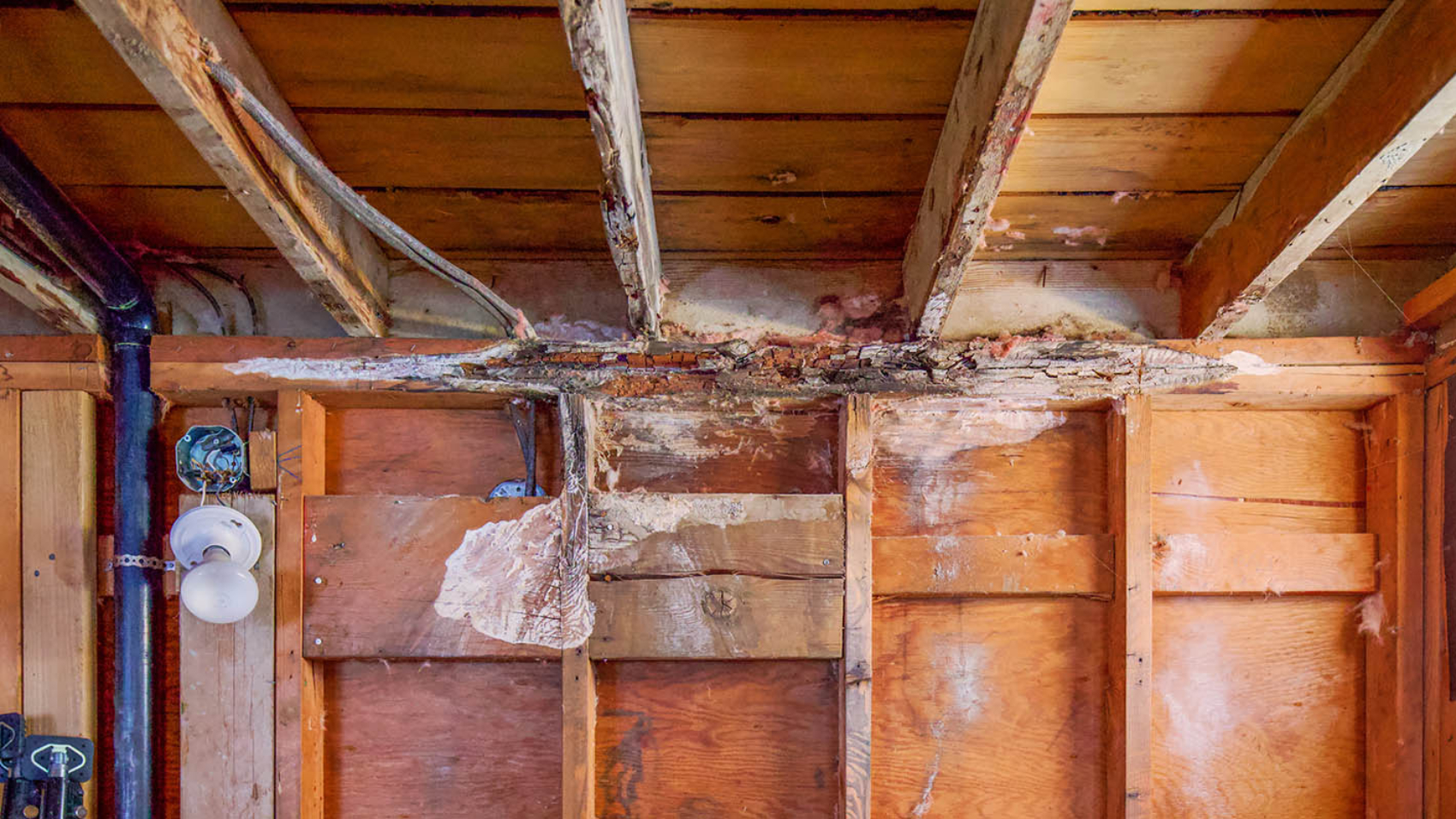
Water damage in homes can occur for a variety of reasons, ranging from small leaks to major flooding incidents. Regardless of the cause, the results are often disruptive and costly. Left untreated, water damage can lead to long-term issues such as mold growth, wood rot, and weakened foundations. In this blog post, we’ll discuss the four most common causes of water damage in homes and how restoration experts fix these issues through flood damage restoration and residential water damage repair services in San Diego. Understanding these causes and the solutions available can help you take preventive steps and minimize damage to your home.

  1. Burst Pipes and Plumbing Leaks

Burst pipes and plumbing leaks are among the most common causes of water damage in homes. They can happen for a variety of reasons, including freezing temperatures, aging pipes, or even accidental damage from construction work. A burst pipe or a hidden leak can release large amounts of water into your home, potentially causing extensive damage to floors, walls, and ceilings.

  • Why it happens: Pipes can freeze and crack during colder weather, or they may simply corrode over time. Tree roots can also invade underground plumbing systems, causing leaks. Additionally, excessive water pressure or poor installation can lead to sudden bursts.
  • How restoration experts fix it: The first step in fixing burst pipes is turning off the water supply to your home. Water damage restoration professionals will then assess the extent of the damage and begin water extraction to prevent further flooding. They use industrial pumps and vacuums to remove standing water and dry out the affected areas. Plumbing repairs are typically needed to fix the burst pipe or leak, followed by necessary repairs to any damaged structures such as flooring or drywall.

Once the area is dry and repaired, restoration experts may apply antimicrobial treatments to prevent mold growth and ensure that your home is thoroughly restored.

  1. Roof Leaks and Storm Damage

Roof leaks are another common cause of water damage, especially after heavy rain or a storm. Your roof protects the rest of your home from water, but once it’s damaged, water can easily find its way inside. A roof leak can be difficult to detect until water begins dripping from the ceiling or signs of moisture appear on walls and floors.

  • Why it happens: Roofs can be damaged by heavy winds, hail, or fallen tree branches. Over time, roofing materials can degrade, allowing water to seep through. Improper installation, clogged gutters, or missing shingles are other common causes of roof leaks.
  • How restoration experts fix it: If you suspect roof damage, restoration experts will first inspect the roof to identify leaks and assess the extent of the damage. After addressing the roof issue (whether through patching, replacing shingles, or full roof repairs), they will begin the flood damage restoration process inside the home. This may involve water extraction, drying, and mold remediation, depending on how much moisture has entered the home. If the water has caused structural damage, professionals may need to repair drywall, insulation, or flooring as well.
  1. Flooding from Heavy Rain or Storm Surges

Flooding from heavy rainfall or storm surges can cause significant water damage to homes, especially those located in flood-prone areas. When rainfall overwhelms drainage systems or causes rivers and streams to overflow, water can easily enter homes, leading to extensive damage to foundations, basements, and other low-lying areas.

  • Why it happens: Homes located in flood zones are at higher risk of water damage during storms. Inadequate drainage systems, blocked gutters, or poor landscaping can exacerbate the situation by preventing water from being channeled away from the home.
  • How restoration experts fix it: In the case of flooding, the primary goal is to remove standing water as quickly as possible to prevent further damage. Flood damage restoration specialists use industrial pumps, vacuums, and dehumidifiers to extract water and dry out the home. Afterward, they assess the structural integrity of the home, checking for any damage to the foundation, walls, or flooring. In some cases, professional mold remediation may be needed, especially if the flooding lasted for an extended period.

Additionally, restoration experts will thoroughly clean and disinfect the area to remove contaminants carried in by floodwaters, ensuring that your home is restored to a safe condition.

  1. Appliance Failures (Washing Machines, Dishwashers, and Water Heaters)

While we rely on household appliances like washing machines, dishwashers, and water heaters to make our lives easier, these appliances can also be a major source of water damage when they malfunction. A leaking washing machine, a broken dishwasher, or a burst water heater can quickly flood a room, damaging flooring, walls, and other furnishings.

  • Why it happens: Appliance failures can occur due to age, improper installation, or wear and tear. Leaks may also develop from hoses, connections, or faulty seals. In the case of water heaters, they may corrode over time or malfunction, causing them to leak or burst.
  • How restoration experts fix it: When appliance failure causes water damage, the first step is to turn off the appliance and stop the water supply. Professionals will then begin the flood damage restoration process by removing standing water and drying the affected areas. If mold is detected, they will perform mold remediation to prevent it from spreading. If any appliances are beyond repair, restoration experts will also advise you on replacing or fixing the faulty appliance. Once the water damage is addressed, repairs to flooring, drywall, or cabinetry may be necessary to restore your home.

How Restoration Experts Ensure Thorough Water Damage Repair

Water damage restoration experts take a systematic approach to repair and restore your home after water damage occurs. Here’s how they ensure that all damage is properly addressed:

  • Inspection and assessment: Restoration professionals begin by thoroughly inspecting the damage. This includes not only visible damage but also hidden moisture in walls, floors, and ceilings, which can lead to mold growth if left unchecked.
  • Water extraction: Standing water is removed using powerful pumps and vacuums. This helps prevent further damage and sets the stage for drying the area.
  • Drying and dehumidification: Specialized drying equipment like air movers and dehumidifiers is used to thoroughly dry the area. This is critical in preventing mold growth, which can begin within 24 to 48 hours.
  • Cleaning and sanitizing: After drying, all surfaces are cleaned and disinfected. This is important for removing any contaminants from floodwater and preventing mold spores from settling.
  • Restoration and repair: Once the area is dry and free of mold, restoration experts will repair and replace damaged materials such as drywall, flooring, and insulation. They will also make sure that your plumbing, roof, and appliances are functioning correctly to prevent future water damage.
Conclusion: Protecting Your Home from Water Damage

Water damage can have serious consequences for homeowners, from mold growth to structural damage. Understanding the common causes of water damage such as burst pipes, roof leaks, flooding, and appliance failures can help you identify potential issues before they escalate.

By working with experienced water damage contractors, you can address water damage promptly and thoroughly. These experts specialize in flood damage restoration and residential water damage repair in San Diego, ensuring that your home is restored to its pre-damage condition and is protected against future incidents.


water damage restoration prevent mold

How Professional Water Damage Restoration Prevents Mold Growth

Water damage can cause serious problems for homeowners, with one of the most dangerous being the rapid growth of mold. Mold and water damage are often intertwined, as moisture creates the perfect breeding ground for mold spores to thrive. Without proper water damage restoration prevent mold strategies, mold can spread quickly, causing health issues and damaging the structure of your home. In this blog post, we’ll explore how professional water damage contractors prevent mold growth through effective flood damage restoration processes. By understanding the role of professionals in mold prevention, you can better protect your home from long-term damage.

  1. Why Mold Growth Is a Concern After Water Damage

Mold growth is a natural consequence of water damage if not addressed quickly. Mold spores are present in the air around us all the time, but they typically remain harmless unless they come into contact with excess moisture. When water enters your home whether through a leaking roof, burst pipes, or flooding—it can soak into building materials like drywall, wood, and insulation. If these materials remain damp for more than 24 to 48 hours, mold can begin to grow.

  • Health risks: Mold can cause a variety of health problems, especially for individuals with allergies, asthma, or weakened immune systems. Symptoms like coughing, wheezing, skin irritation, and eye problems are common.
  • Structural damage: Mold can weaken the structural integrity of your home, causing wood to rot and drywall to deteriorate. Over time, this can result in costly repairs and even compromise the safety of your home.

Given the risks, addressing water damage promptly is crucial to preventing mold from taking hold in your home.

  1. The Importance of Professional Water Damage Restoration

While homeowners may attempt DIY methods to manage water damage, the process often requires the expertise of water damage contractors to fully restore the home and prevent mold growth. These professionals have the knowledge, tools, and experience necessary to properly handle water damage and mitigate the risks of mold development.

  • Thorough inspection: Professional water damage contractors conduct a detailed assessment of the affected areas to identify the full extent of the damage. This ensures that no hidden moisture is left behind, which could lead to mold growth.
  • Efficient water removal: Using specialized equipment like industrial wet vacuums, pumps, and dehumidifiers, restoration professionals can quickly and effectively remove standing water, reducing the risk of further damage.
  • Dealing with hidden moisture: One of the major issues with water damage is that moisture can seep into areas that are not immediately visible, such as behind walls, beneath floors, or inside insulation. Water damage contractors use moisture detection tools to locate and address these hidden sources of water, which are prime locations for mold growth.

By addressing water damage comprehensively, professionals can ensure that all moisture is removed and that mold has no opportunity to form.

  1. Speed Is Key in Preventing Mold Growth

When it comes to preventing mold, timing is critical. Mold spores can start to grow within 24 to 48 hours of water exposure, and the longer water sits in your home, the more likely it is that mold will form. Professional water damage restoration services are designed to act quickly, minimizing the amount of time that moisture remains in your home.

  • Fast response time: Many flood damage restoration companies offer emergency services, allowing them to respond immediately after water damage occurs. The faster the response, the better the chance of preventing mold growth.
  • Drying and dehumidifying: Professional restoration teams bring in heavy-duty fans, air movers, and dehumidifiers that are capable of drying out your home quickly. The goal is to remove all moisture from the affected area to eliminate the possibility of mold development.

If mold growth has already started, water damage contractors can provide mold remediation services to safely remove and treat the affected areas, stopping the spread before it worsens.

  1. Comprehensive Mold Prevention Methods Used by Professionals

Once water has been removed and the area is drying, professional water damage contractors take specific steps to prevent mold from forming. Here are some of the methods they use:

  • Surface cleaning and disinfecting: After drying, professionals will clean and disinfect all surfaces that came into contact with water. This step helps kill any mold spores that may have settled and prevents them from growing.
  • Antimicrobial treatments: In some cases, water damage contractors apply antimicrobial treatments to surfaces like wood, drywall, and insulation. These treatments are designed to prevent mold from growing and spreading by creating a protective barrier against moisture.
  • Advanced drying techniques: Drying affected areas is not always as simple as using a few fans. Depending on the type of materials and extent of the water damage, professionals may use specialized drying equipment like desiccant dehumidifiers, which can draw moisture from hard-to-reach places.
  • Removal of contaminated materials: If materials are too damaged or porous to be effectively dried and cleaned (such as carpets or insulation), water damage professionals will remove them entirely. This ensures that mold has no breeding ground to grow.

By utilizing these techniques, professionals can ensure that mold does not have the chance to take root and spread throughout your home.

  1. Long-Term Mold Prevention with Regular Maintenance

Once your home is restored, ongoing maintenance is essential to prevent future water damage and mold growth. Professional water damage contractors often offer services that help protect your home from water intrusion and mold problems in the future.

  • Inspection and maintenance: Regular inspections of your plumbing, roof, and foundation can help identify any areas where water damage may occur. Contractors can provide advice on how to maintain your home and prevent leaks from developing into larger problems.
  • Waterproofing: For homes in flood-prone areas, contractors may recommend waterproofing services, which can include sealing basements, installing sump pumps, and ensuring that drainage systems are in good working order.
  • Humidity control: Installing humidity controls in damp areas like basements and crawl spaces can help prevent moisture buildup, making it less likely for mold to develop.

Long-term maintenance ensures that your home remains protected from future water damage and mold growth.

  1. Why DIY Solutions Are Risky

While it may be tempting to handle water damage on your own, DIY solutions are often insufficient when it comes to preventing mold growth. Here are some reasons why professional restoration is the best option:

  • Inadequate drying: Without the right equipment, it’s difficult to thoroughly dry out your home, leaving behind pockets of moisture where mold can thrive.
  • Hidden damage: DIY methods often overlook hidden moisture in walls, floors, or ceilings. Mold can grow in these hard-to-reach areas, even if the visible surfaces seem dry.
  • Health risks: Mold removal and water damage restoration can be dangerous if not done properly. Mold spores can be harmful to your health, and the process of cleaning it up requires protective gear and specialized knowledge.

Professional water damage contractors are trained to deal with mold and water damage safely and effectively, ensuring that your home is restored properly and mold-free.

  1. Conclusion: Professional Restoration is Essential to Prevent Mold Growth

Water damage and mold growth are two issues that go hand-in-hand, but professional water damage restoration services can prevent mold from causing significant damage to your home. By acting quickly, thoroughly drying the affected areas, and using specialized equipment and treatments, water damage contractors can stop mold in its tracks and restore your home to its pre-damage condition.

If you’ve experienced water damage, don’t wait for mold to take hold. Contact a flood damage restoration company today to get your home restored and protected from future water-related issues.


Homeowner responding to water damage in the first hours after a leak

What To Do Immediately After Water Damage: A Step-by-Step Homeowner’s Guide

When water floods into your home, the first hour matters more than any other. The EPA warns that mold can begin growing on damp materials within 24 to 48 hours, and a single inch of water can cause around $25,000 in damage. What you do in those first minutes and hours directly shapes how much you lose.

This is a step-by-step guide to exactly what to do the moment you discover water damage, what to avoid, and when to call for professional help. Keep it handy, because in an emergency the right sequence protects both your safety and your home.

If you are dealing with active water damage right now, Rigid Restorations provides 24/7 emergency response across San Diego County. Call 760-500-1818 and we can typically have a crew on-site within hours to begin extraction and drying.

TL;DR

  • Safety first: shut off the water source and cut electricity to affected areas before you touch standing water.
  • Document everything with photos and video before you clean anything, or you risk your insurance claim.
  • Extract water and start airflow fast. Mold can begin in 24 to 48 hours (EPA guidance).
  • Do not use your home HVAC to dry things if water entered the ducts, and do not tear out materials if you suspect gray or black water.
  • Call a professional restoration company early. Ask about response time and whether they follow the IICRC S500 standard.
  • Most sudden, accidental water damage is covered by standard homeowner insurance; gradual leaks usually are not.

The First 24 Hours: Your Step-by-Step Action Plan

Follow these steps in order. The first four protect your safety and your insurance claim. The rest limit the damage while you wait for professional help.

  1. Stop the water source. Shut off the main water valve for a plumbing failure. For a roof leak, use tarps or buckets to contain the spread until it can be repaired.
  2. Cut the electricity. Turn off power to affected areas at the breaker panel. Never walk through standing water near outlets or appliances.
  3. Document everything. Photograph and video all damage before you move or clean anything. This is your insurance evidence.
  4. Call a professional restoration company. Ask about their response time and whether they follow IICRC S500 standards. Early contact shortens the whole timeline.
  5. Move belongings out of the water. Lift furniture, rugs, electronics, and valuables out of standing water to limit absorption and staining.
  6. Increase airflow. Open interior doors and run fans to start surface drying. Do not open windows if outdoor humidity is above 60%.
  7. Remove standing water safely. Use a wet vacuum or mop for clean water only. Do not touch gray or black water without protection.
  8. Notify your insurance company. Report the loss promptly and share your documentation to start the claim.

What NOT to Do After Water Damage

The wrong moves can spread contamination, create safety hazards, or complicate your claim. Avoid these common mistakes.

Do Not Why It Matters
Do not use your HVAC to dry the home If water entered the ductwork, the system will spread moisture and contaminants through the house
Do not enter rooms with sagging ceilings Water-heavy ceilings can collapse without warning
Do not use household electronics in wet areas Electrocution risk remains until power is confirmed off and the area is dry
Do not tear out drywall or flooring on your own If the water is Category 2 or 3, removal requires containment and protective equipment
Do not wait to see if it dries itself Hidden moisture rarely dries on its own and mold can start within 24 to 48 hours

How to Tell How Serious the Damage Is

The right response depends on the type of water and how far it spread. Clean water from a supply line is very different from sewage backup, both in health risk and in what can be salvaged.

Water Type Source Your Response
Clean (Category 1) Supply line, overflowing sink, melting ice Safe to extract yourself; still needs fast professional drying
Gray (Category 2) Washing machine, dishwasher, sump pump failure Limit contact; call professionals for cleanup and drying
Black (Category 3) Sewage backup, flooding, storm surge Do not touch; evacuate the area and call professionals immediately

Why Speed Beats Everything Else

Water damage follows a predictable timeline, and every hour moves you further down it. In the first hours, water spreads and soaks into porous materials. Within a day, drywall swells, metal begins to corrode, and a musty smell appears. Within 24 to 48 hours, mold can begin to grow. After 72 hours, spores spread and structural materials start to degrade.

This is why professional crews prioritize same-day response. The goal is to close the window before mold and rot can exploit it. Surface drying with a box fan may look like progress, but moisture trapped inside walls and subfloors keeps feeding the damage until it is removed with proper equipment.

Real-World Examples

The Homeowner Who Acted Fast

A water heater failed overnight and flooded a garage and adjacent hallway. The homeowner shut off the main valve, killed the breaker, photographed the scene, and called for emergency restoration before 7 a.m. A crew extracted the water, set air movers and dehumidifiers, and mapped moisture points. The area hit dry standard in three days with no mold and a fully covered insurance claim.

The Homeowner Who Waited

A second homeowner discovered a leaking dishwasher, mopped the visible water, and assumed it would dry. Two weeks later the kitchen baseboards had swelled and a musty smell filled the room. Moisture had wicked under the cabinets and into the subfloor, where mold had established. The delayed response turned a simple drying job into a multi-day remediation and cabinet replacement.

What a Professional Crew Does That You Cannot

Once on-site, a restoration team does the work that surface drying cannot. They extract water with industrial units, deploy air movers and LGR dehumidifiers that remove 80 to 130 pints of moisture per day, and use moisture meters and thermal imaging to find water hiding in wall cavities and subfloors. They dry to a verified standard, wood and drywall below 16% moisture content and relative humidity below 60%, then apply antimicrobial treatment. That verification is the step DIY drying always misses.

Glossary

Water Shutoff Valve: The main valve that stops all water entering your home, usually near the water meter, in a garage, or along an exterior wall. Every household member should know its location.

Category 1 Water (Clean): Water from a sanitary source such as a supply line or overflowing sink. It still grows mold within 24 to 48 hours if not dried.

Category 2 Water (Gray): Water containing contaminants, such as washing machine or dishwasher discharge, that can cause illness and requires more caution.

Category 3 Water (Black): Grossly contaminated water from sewage or flooding. Do not handle it yourself; it requires professional containment and protective equipment.

Moisture Meter: A tool professionals use to measure how much water is trapped inside materials, verifying whether a wall or floor is truly dry rather than just dry to the touch.

IICRC S500: The industry standard that governs professional water damage restoration, defining water categories, damage classes, and drying protocols.

Frequently Asked Questions

What is the very first thing to do after water damage?

Stop the water source and ensure your safety. Shut off the main water valve for a plumbing failure, and cut electricity to affected areas at the breaker before stepping into any standing water. Only then begin documenting and cleaning up.

Should I take photos before or after cleaning up?

Before. Photograph and video everything before you move items or start drying. Insurance adjusters rely on this evidence, and cleaning first can weaken or invalidate your claim.

How long do I have before mold starts growing?

The EPA states mold can begin growing on damp materials within 24 to 48 hours. That is why extraction and airflow need to start immediately, and why professional drying should begin as soon as possible.

Can I dry out water damage myself?

You can start by stopping the source, removing standing water, and increasing airflow. But household fans cannot reach moisture inside wall cavities, subfloors, and insulation. A professional crew uses moisture meters and thermal imaging to find and remove hidden moisture that causes mold later.

When should I call a professional restoration company?

As early as possible, ideally within the first hours. Call immediately if the water is contaminated (gray or black), if it covers a large area, if it reached walls or ceilings, or if you cannot fully dry the area within 24 to 48 hours.

Will my insurance cover the damage?

Most California homeowner policies cover sudden and accidental water damage, such as a burst pipe or appliance failure. Gradual damage from an unrepaired leak and outside flooding are usually excluded. Document everything and file your claim promptly.

Final Thoughts

In a water emergency, the order of your actions is everything. Protect yourself first, protect your evidence second, and protect your home third by getting moisture out fast. The homeowners who lose the least are the ones who act within the first 24 hours instead of waiting to see how bad it gets.

Rigid Restorations provides 24/7 emergency water damage response across San Diego County. If water is spreading in your home right now, call 760-500-1818 for immediate help and a same-day assessment.

Water Damage Restoration Company

Why Hiring a Professional Water Damage Restoration Company Saves You Time and Money

Water damage is one of the most common and costly issues homeowners face. Whether caused by a burst pipe, flooding, or a leaking roof, water can quickly damage your home and belongings. While it might seem tempting to handle the cleanup on your own, hiring a professional water damage restoration company in San Diego is often the best decision. Not only does it save you time and energy, but it can also save you significant amounts of money in the long run. In this post, we’ll explore how a professional restoration company can efficiently restore your home and why it’s a wise investment for homeowners.

  1. Fast Response Times to Prevent Further Damage

When water damage occurs, time is of the essence. Water can quickly seep into walls, floors, and ceilings, causing significant structural damage. If left untreated, this can lead to mold growth, wood rot, and weakened foundations. One of the most significant advantages of hiring a professional water damage restoration company in San Diego is their ability to respond quickly.

  • Why timing matters: The sooner the water is removed, the less likely it is to cause lasting damage. Water damage restoration experts understand this urgency and act fast to begin water extraction, drying, and dehumidification processes.
  • Emergency water damage repair: Professionals are available 24/7 for emergency water damage repair. Their quick action helps minimize the damage and prevents the situation from escalating, saving you money on costly repairs.

A timely response from experienced professionals ensures that the damage is contained and mitigated as much as possible, which can ultimately reduce the overall repair costs.

  1. Specialized Equipment and Expertise

Water damage restoration is a complex process that requires the right tools, expertise, and training. While a DIY approach may seem cost-effective, it’s difficult to fully address the scope of the damage without professional-grade equipment. Restoration experts have access to high-powered tools and industrial-grade drying equipment that are essential for proper cleanup.

  • Advanced equipment: Professional restoration companies use equipment such as industrial vacuums, sump pumps, air movers, and dehumidifiers to extract water and dry out affected areas quickly. These tools are far more effective than standard household equipment.
  • Mold detection and removal: Water damage is often accompanied by mold growth, especially in areas that remain damp for extended periods. Mold can be difficult to detect in hidden spaces. Restoration experts use moisture meters and infrared cameras to identify areas that may be at risk for mold growth, and they employ specialized treatments to prevent and remove mold from your home.

By relying on trained professionals with the right equipment, you ensure that the damage is properly addressed and the risk of mold or further complications is minimized.

  1. Insurance Claim Assistance

Dealing with insurance after water damage can be overwhelming. Many homeowners don’t know how to navigate the claims process or may not fully understand what is covered under their policy. When you hire a professional water damage restoration company in San Diego, you gain the benefit of their experience working with insurance companies.

  • Proper documentation: Water damage restoration experts will document the damage thoroughly, providing detailed reports and photographs for insurance claims. This ensures that your insurance company has all the necessary information to process your claim quickly and accurately.
  • Insurance negotiation: Restoration professionals often have experience dealing with insurance adjusters. They can help you understand your policy, ensure that the claim is filed correctly, and advocate for you to get the compensation you’re entitled to.
  • Reducing out-of-pocket costs: By having a professional restoration company handle the paperwork and negotiations, you can avoid potential mistakes that could result in reduced coverage or increased out-of-pocket costs.

Working with an experienced restoration company helps streamline the claims process, allowing you to focus on getting your home restored while they handle the details.

  1. Long-Term Savings on Repairs and Replacements

Water damage can cause extensive damage to floors, walls, furniture, and appliances. If not properly addressed, water damage can lead to irreversible issues that require costly replacements. Hiring a professional water damage restoration company early on can help you avoid these expenses by addressing the damage quickly and thoroughly.

  • Preventing further damage: Professionals don’t just remove water; they also ensure that your home is thoroughly dried and restored to its pre-damage condition. Without the proper drying equipment, moisture can linger in hidden areas, causing structural issues and promoting mold growth.
  • Protecting belongings: A restoration company can help salvage your belongings, including furniture, electronics, and personal items. They’ll clean and dry these items to prevent permanent damage, which can save you the cost of replacing them.
  • Avoiding mold-related repairs: Mold can be expensive to remove and can damage your home’s structure. Water damage restoration companies take proactive measures to prevent mold growth, saving you from the costs of mold remediation and structural repairs.

Investing in professional restoration services helps ensure that your home and belongings are properly treated, which can save you significant amounts of money in the long term.

  1. Comprehensive Restoration Process

Water damage restoration isn’t just about cleaning up the water. A professional water damage restoration company offers a full range of services to ensure that your home is fully restored, including water extraction, drying, cleaning, and repair.

  • Complete restoration: The restoration process includes several steps that go beyond simple water removal. Professionals clean and disinfect all affected surfaces, remove and replace damaged materials (such as drywall or insulation), and restore structural integrity to your home. This ensures that every aspect of the damage is addressed.
  • Repairs and reconstruction: If the water damage is extensive, professionals can perform repairs to walls, floors, ceilings, and foundations. They also handle any necessary reconstruction, ensuring that your home is as safe and functional as it was before the damage occurred.

A comprehensive approach to water damage restoration ensures that your home is fully restored to its original condition, and any potential issues are resolved before they become major problems.

  1. Health and Safety Concerns

Water damage often leads to a variety of health and safety risks, including mold growth, contaminated water, and structural weaknesses. When you hire a professional restoration company, you ensure that these issues are addressed safely and effectively.

  • Health risks: Water can introduce contaminants into your home, such as bacteria, sewage, and chemicals. Restoration experts use industrial-grade disinfectants to clean and sanitize your home, preventing any health risks from lingering.
  • Structural safety: Water damage can weaken the structural integrity of your home. If left unaddressed, it can lead to the collapse of ceilings, walls, or floors. Restoration professionals assess and repair any structural issues caused by water to keep your home safe.

By hiring a professional, you ensure that your home is restored safely and that any health risks associated with water damage are mitigated.

Conclusion: The Value of Hiring a Professional Water Damage Restoration Company

Water damage is a serious issue that can disrupt your life and cause long-term damage to your home. Hiring a professional water damage restoration company in San Diego provides you with the expertise, equipment, and experience necessary to handle the damage quickly and efficiently. From fast response times and insurance assistance to long-term savings on repairs, the benefits of hiring professionals far outweigh the costs. By addressing water damage early on and allowing experts to handle the restoration process, you can protect your home and ensure that it’s restored to its pre-damage condition.