How to Verify a Professional Water Mitigation Service

How to Tell If a Water Mitigation Company Is Legitimate?

Water damage rarely gives you a warning. One moment everything is fine, and the next, you’re dealing with soaked carpets, swollen walls, and the urgent stress of preventing mold growth. In that moment, most homeowners search quickly for help and often type something like “water mitigation near me” without much time to think.

This urgency is exactly why fraudulent or unqualified companies sometimes enter the market. Not every service provider claiming to offer emergency restoration actually follows industry standards. Understanding How to Tell If a Water Mitigation Company Is Legitimate can make the difference between a properly restored home and long-term structural damage.

In this guide, we’ll break down everything you need to know in a simple, practical way so that by the end, you’ll feel confident choosing the right professionals without second-guessing.

Why Choosing a Legitimate Water Mitigation Company Matters

Before looking at signs of legitimacy, it’s important to understand why this decision is so critical. Water damage is not just a surface problem; it affects structural materials, electrical systems, and indoor air quality.

A legitimate company follows standardized drying and restoration procedures that prevent mold growth and long-term damage. On the other hand, unqualified contractors may only remove visible water without addressing hidden moisture inside walls or flooring.

When evaluating How to Tell If a Water Mitigation Company Is Legitimate, remember that the wrong choice can lead to recurring damage, insurance complications, and higher repair costs in the future.

Check for Proper Licensing and Certifications

Why Licensing Matters

A trustworthy water mitigation company should always have the proper licenses required by your state or region. Licensing ensures that the company meets minimum legal and professional standards.

Without licensing, there is no guarantee that technicians are trained or that the company follows safety regulations.

Industry Certifications You Should Look For

One of the strongest indicators of legitimacy is certification from recognized organizations like the IICRC (Institute of Inspection Cleaning and Restoration Certification). These certifications show that technicians are trained in water damage restoration science.

A legitimate company will proudly display these credentials on its website, vehicles, or documentation. If you don’t see them, it’s a red flag when assessing How to Tell If a Water Mitigation Company Is Legitimate.
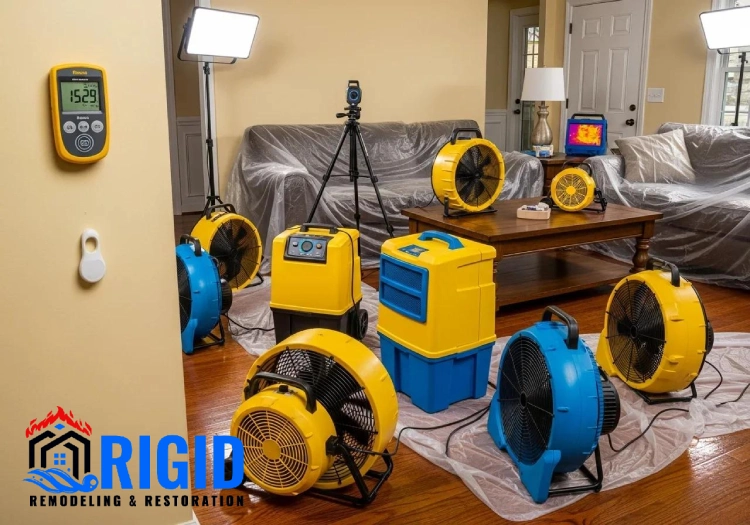
Signs of a Reliable Water Damage Restoration Company

Evaluate Their Emergency Response Time and Availability

Why Speed Matters in Water Damage

Water damage worsens every hour. Within 24–48 hours, mold can begin to grow, and structural materials may degrade significantly. Because of this, legitimate companies usually offer 24/7 emergency services.

If a company cannot respond quickly or avoids emergency calls, it may not be properly equipped to handle real mitigation work.

What a Professional Response Looks Like

A reliable company typically responds within minutes, provides an estimated arrival time, and immediately begins mitigation planning upon arrival. This responsiveness is a key part of understanding How to Tell If a Water Mitigation Company Is Legitimate.

Check Equipment and Work Process Transparency

Professional Equipment Use

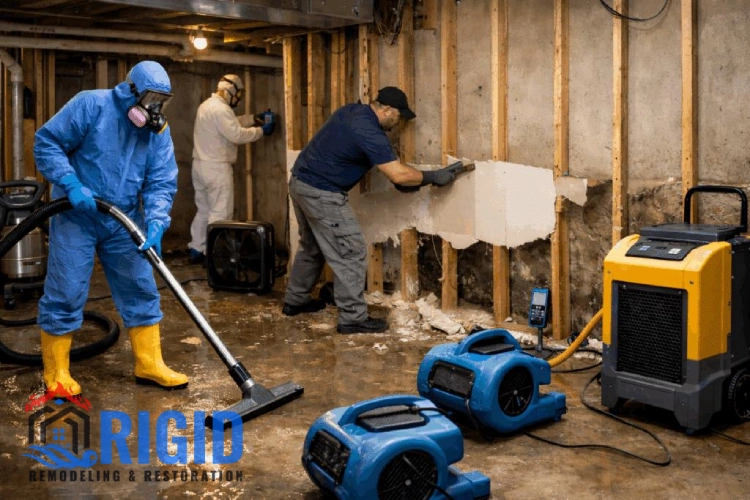
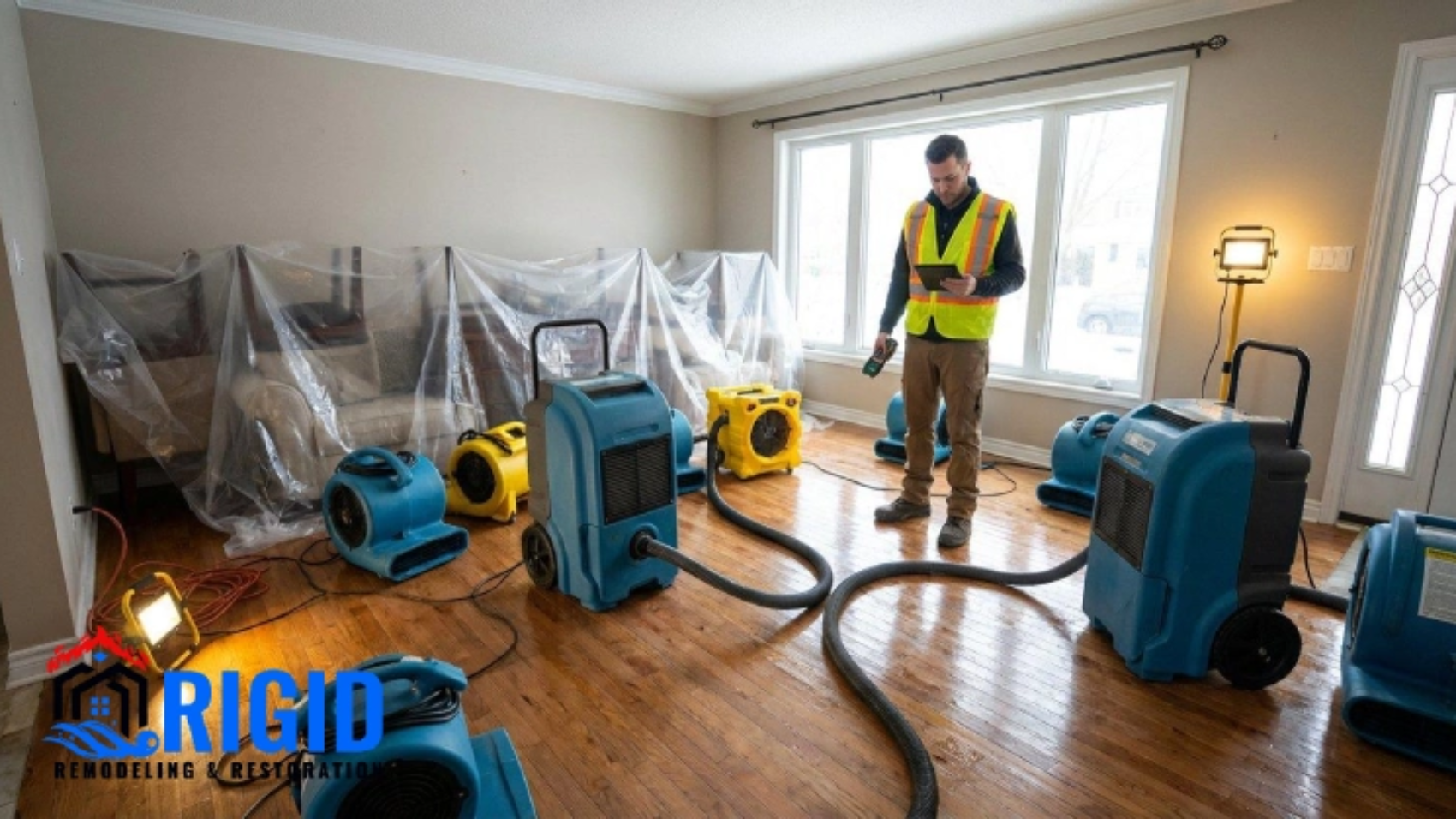
Legitimate companies use industrial-grade equipment such as air movers, dehumidifiers, moisture meters, and thermal imaging tools. These tools ensure that water is not just removed visually but also from hidden layers.

If a contractor shows up with only basic household tools, that’s a warning sign.

Clear Explanation of Process

A trustworthy company will walk you through their entire process—from inspection to drying to final verification. They won’t rush or avoid explaining technical steps.

Transparency is a major indicator when learning How to Tell If a Water Mitigation Company Is Legitimate, because professional companies have nothing to hide.

Insurance Knowledge and Claim Support

Working With Insurance Companies

Legitimate water mitigation companies usually work directly with insurance providers. They document damage, provide detailed reports, and help streamline the claims process.

This reduces stress for homeowners and ensures proper compensation for repairs.

Red Flags in Insurance Handling

Be cautious if a company pressures you to avoid insurance claims or offers unclear documentation. Proper documentation is essential for transparency and accountability in water damage restoration.

Understanding this aspect is crucial in mastering How to Tell If a Water Mitigation Company Is Legitimate.

Online Reviews, Reputation, and Local Presence

Importance of Real Customer Feedback

One of the simplest ways to verify legitimacy is through online reviews. Platforms like Google Reviews, Yelp, or local directories often reflect real customer experiences.

Consistent positive feedback about professionalism, response time, and quality of work is a strong sign of credibility.

Local Business Verification

A legitimate company usually has a physical address, local presence, and verifiable contact information. Be cautious of companies that only operate through call centers without any traceable location.

This step plays a major role in understanding How to Tell If a Water Mitigation Company Is Legitimate in real-world situations.

Pricing Transparency and Written Estimates

Clear and Detailed Pricing

Legitimate companies provide written estimates that clearly break down labor, equipment, and material costs. This prevents unexpected charges later.

They also inspect the property before giving final pricing rather than offering vague quotes over the phone.

Warning Signs in Pricing

Be cautious of extremely low estimates or companies that demand full payment upfront. Reliable providers usually follow industry-standard billing practices and work with insurance whenever possible.

Transparent pricing is a key factor in evaluating How to Tell If a Water Mitigation Company Is Legitimate.
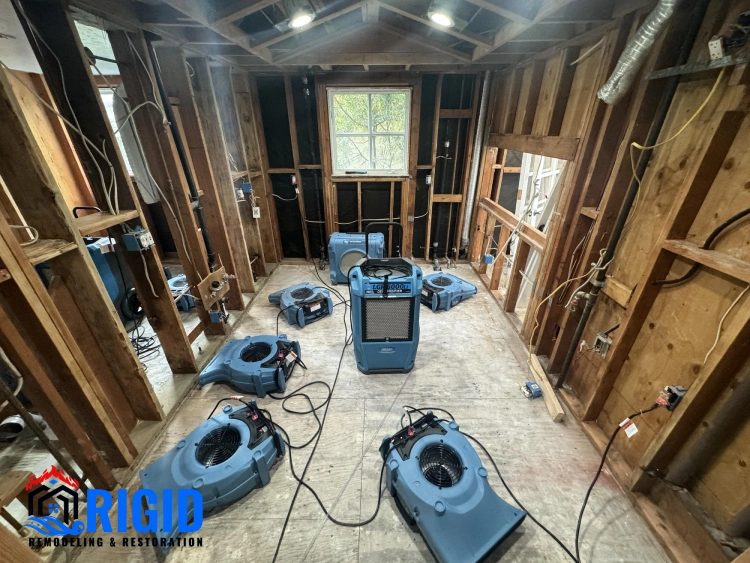
How to Identify a Legit Water Mitigation Company

Red Flags You Should Never Ignore

Sometimes, identifying a bad company is easier than identifying a good one. Certain behaviors should immediately raise concern.

If a company avoids written contracts, refuses to show certifications, or pressures you into quick decisions, these are serious warning signs. Similarly, lack of proper equipment or unclear communication should never be ignored.

Recognizing these red flags helps you quickly filter out unreliable providers when considering How to Tell If a Water Mitigation Company Is Legitimate.

Comparison Table: Legit vs Unreliable Companies

Feature Legitimate Company Unreliable Company
Licensing Fully licensed Missing or unclear
Certifications IICRC or similar None
Equipment Industrial-grade Basic tools
Estimates Written & detailed Vague or verbal
Insurance Support Yes No
Response Time Fast (24/7) Slow or inconsistent


Final Thoughts

Understanding How to Tell If a Water Mitigation Company Is Legitimate is not just about avoiding scams—it’s about protecting your home, your health, and your financial stability. Water damage escalates quickly, and the company you choose directly impacts the outcome of the restoration process.

A legitimate provider will always prioritize transparency, proper documentation, certified training, and professional equipment. If you remember even a few of these signs, you can confidently make a safe and informed decision during an emergency.

Frequently Asked Questions

  1. How quickly should a water mitigation company respond?

A professional company should respond within minutes and ideally arrive within a few hours, depending on location. Fast response is critical to prevent mold growth and structural damage.

  1. Do all legitimate companies work with insurance?

Most reputable water mitigation companies work directly with insurance providers and help with documentation and claims, making the process smoother for homeowners.

  1. What is the most important factor when choosing a company?

Certification and experience are the most important factors. Companies certified by organizations like IICRC are generally more reliable and follow industry-standard procedures.
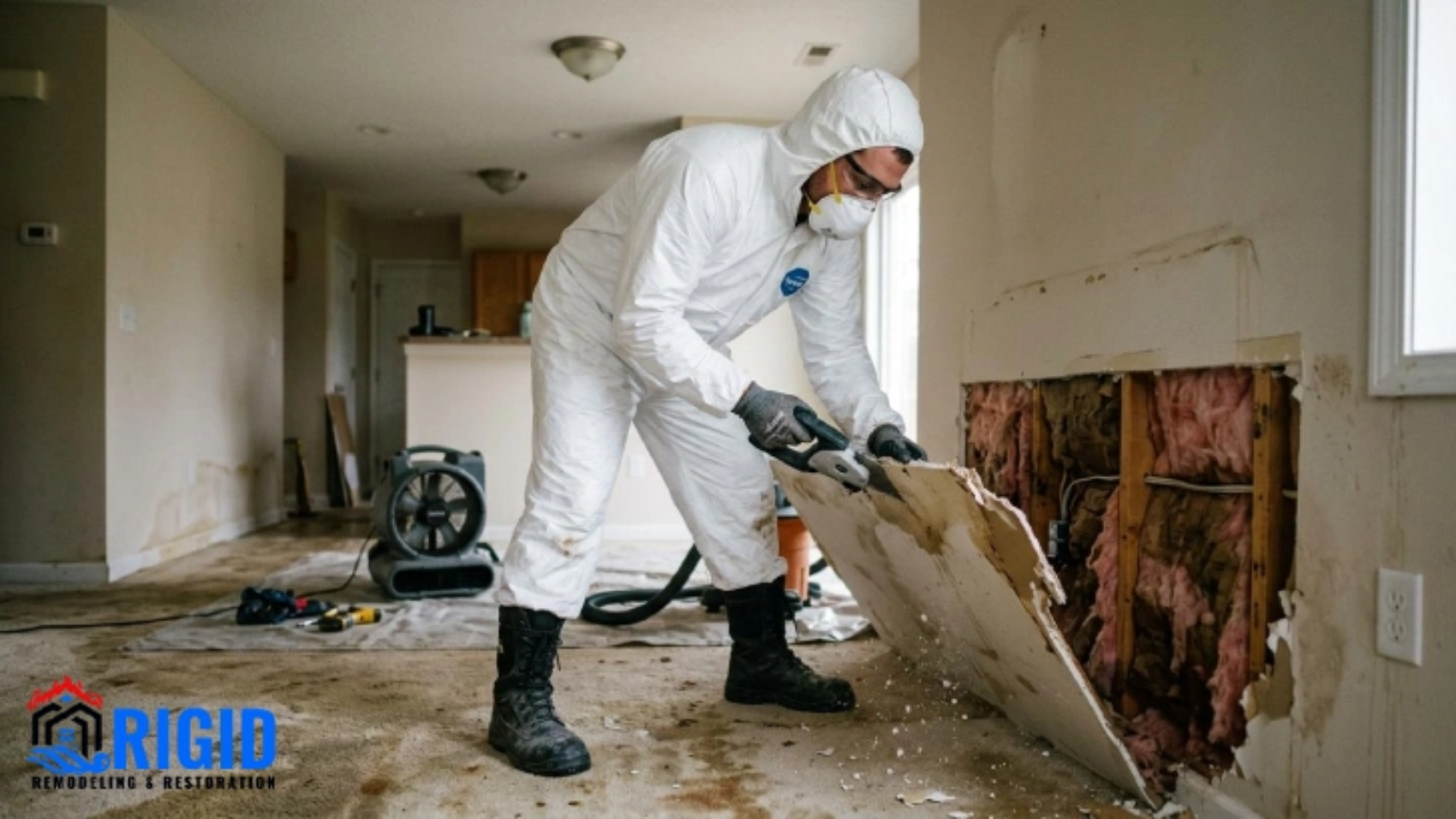
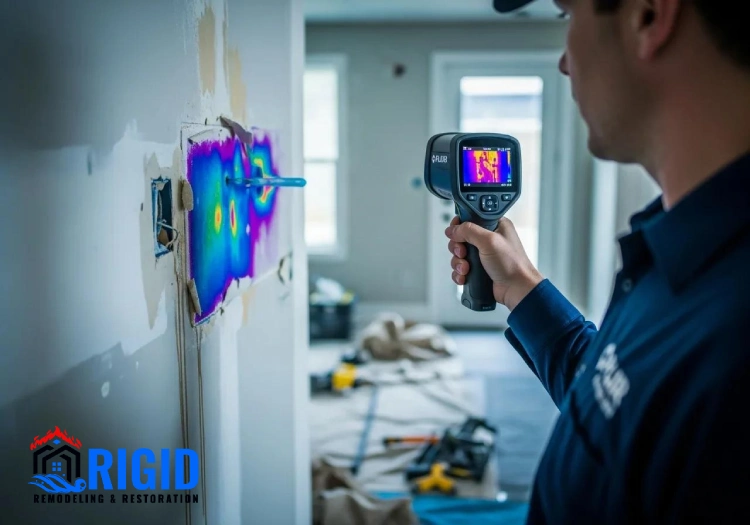
What Qualifications Should a Water Damage Company Have

What Certifications Should a Water Damage Company Have?

When a pipe bursts in the middle of the night or a basement floods after a heavy storm, most homeowners panic and call the first available contractor. In that rush, one critical factor is often ignored: certification. Yet, in the water damage restoration industry, certifications are not just paperwork—they are proof of competence, safety knowledge, and technical standards.

A properly certified company doesn’t just remove water; it understands moisture behavior, microbial risks, structural drying science, and insurance documentation. Without these qualifications, even a well-intentioned contractor can leave hidden moisture behind, leading to mold growth and long-term structural damage.

This is why understanding What Certifications Should a Water Damage Company Have is essential before hiring anyone for restoration work. It can be the difference between a fully restored home and recurring damage that costs thousands more.

Why certifications matter in water damage restoration

Before listing the exact credentials, it’s important to understand why certifications carry so much weight in this industry. Water damage is not a simple cleaning job—it is a scientific process involving humidity control, material drying rates, and microbial prevention.

A certified technician follows industry-recognized standards such as the IICRC S500 guidelines, ensuring every step from inspection to drying is done correctly. Without these standards, restoration work becomes guesswork, which often leads to hidden moisture pockets and mold outbreaks.

Another key reason certifications matter is insurance compliance. Many insurance companies require documented proof that restoration was handled by trained professionals. This makes What Certifications Should a Water Damage Company Have not just a technical question but also a financial one for property owners.

Required Certifications for Water Damage Restoration Companies

IICRC Certification: The most important standard in the industry

When discussing What Certifications Should a Water Damage Company Have, the first and most essential credential is the IICRC certification.

What is IICRC?

The Institute of Inspection Cleaning and Restoration Certification (IICRC) is the global standard-setting body for restoration industries. Companies certified under IICRC are trained in water damage restoration, structural drying, and mold remediation.

Why it matters

An IICRC-certified technician understands how water migrates through building materials, how long different materials take to dry, and how to prevent secondary damage. This level of expertise significantly reduces the risk of mold growth and structural weakening.

Key standards followed

Certified professionals work according to S500 (water damage restoration standard), which outlines best practices for extraction, drying, and monitoring.

Without IICRC certification, a company is essentially operating without a scientific framework, which is risky in water damage situations.

EPA Certification for mold and environmental safety

Another important aspect of What Certifications Should a Water Damage Company Have is compliance with environmental safety regulations, especially from the Environmental Protection Agency (EPA).

Role of EPA guidelines

The EPA provides strict rules for handling mold, contaminated water, and airborne pollutants that may occur after water damage. Certified companies understand how to safely contain affected areas and prevent cross-contamination.

Why it matters in real cases

If water damage is left untreated for more than 24–48 hours, mold can begin to develop. EPA-trained professionals know how to handle these situations without exposing occupants to harmful spores or toxic materials.

This certification ensures that restoration is not only effective but also safe for long-term health.

OSHA certification for workplace safety compliance

One often overlooked part of What Certifications Should a Water Damage Company Have is OSHA compliance.

What OSHA covers

The Occupational Safety and Health Administration (OSHA) ensures that restoration workers follow strict safety protocols when dealing with hazardous environments.

Why OSHA matters in restoration work

Water damage sites often include electrical hazards, slippery surfaces, and contaminated water. OSHA-trained professionals know how to manage these risks while protecting themselves and the property owner.

This reduces accidents and ensures that the restoration process is carried out without additional damage or liability issues.

Mold remediation certification: Handling hidden threats

Water damage and mold are closely connected, which makes mold certification a critical part of What Certifications Should a Water Damage Company Have.

What this certification ensures

Companies trained in mold remediation understand how to identify, contain, and remove mold safely. They also know how to prevent spores from spreading during the drying process.

Why it is essential

Even after visible water is removed, moisture can remain inside walls or floors. This hidden moisture becomes the perfect environment for mold growth. Certified technicians use moisture meters and thermal imaging to detect these hidden risks.

Without proper mold certification, a restoration company may leave behind a problem that becomes more serious over time.

Essential Licenses and Certifications for Water Damage Contractors

Insurance and claims handling certification

Another important factor in What Certifications Should a Water Damage Company Have is experience with insurance documentation and claims processing.

Why insurance expertise matters

Water damage restoration is often tied to insurance claims. Certified companies understand how to document damage, provide accurate estimates, and communicate with insurance adjusters.

Benefits for homeowners

This ensures smoother claim approvals and reduces the chances of disputes or underpayment. A company experienced in insurance procedures can save homeowners significant stress and financial loss.

Table: Key certifications a water damage company should have

Certification Purpose Importance Level
IICRC Water damage restoration standards Essential
EPA Environmental and mold safety Very High
OSHA Workplace safety compliance High
Mold Remediation Certification Safe mold removal Very High
Insurance Handling Training Claims documentation Important


This table summarizes the core elements of What Certifications Should a Water Damage Company Have and helps homeowners quickly evaluate service providers.

How to verify a company’s certifications

Understanding What Certifications Should a Water Damage Company Have is not enough—you also need to verify them.

Check official listings

Most certification bodies like IICRC offer online directories where you can verify if a company is legitimately certified.

Ask for documentation

A reputable company will have no issue showing proof of certification. If a contractor avoids the question, it’s a red flag.

Look for continuous training

The restoration industry evolves constantly. Companies that invest in ongoing training demonstrate long-term professionalism and commitment.

Risks of hiring an uncertified water damage company

Choosing the wrong company can lead to serious consequences. One of the biggest risks is hidden moisture, which often results in mold growth weeks after the initial cleanup.

Another issue is improper drying techniques, which can weaken structural materials like drywall and wood. Over time, this can lead to expensive repairs that far exceed the original restoration cost.

This is why understanding What Certifications Should a Water Damage Company Have is not just helpful—it is essential for protecting your property investment.

Conclusion: Certifications are your first line of protection

Water damage is unpredictable, stressful, and often urgent. But rushing into a decision without checking qualifications can make the situation worse. Certifications exist to ensure that professionals follow scientific, safety, and industry-approved methods.

When evaluating What Certifications Should a Water Damage Company Have, the key takeaway is simple: look for IICRC, EPA compliance, OSHA safety standards, mold remediation expertise, and insurance handling experience.

These certifications are not optional extras—they are the foundation of reliable and professional restoration work. Choosing a certified company means choosing peace of mind, faster recovery, and long-term protection for your property.

Frequently Asked Questions

  1. Why is IICRC certification so important for water damage companies?

IICRC certification ensures that technicians follow internationally recognized standards for water extraction, drying, and restoration, reducing the risk of hidden damage and mold growth.

  1. Can a non-certified company handle water damage effectively?

While they may perform basic cleanup, non-certified companies often lack the technical knowledge required for proper drying and contamination control, increasing the risk of long-term damage.

  1. How do certifications affect insurance claims?

Insurance companies prefer certified restoration providers because their work meets industry standards and includes proper documentation, making claim approval smoother and more reliable.

How long does water damage repair take

How Long Does Water Damage Restoration Take? Complete Guide

Water damage is one of those problems that can turn a normal day into a stressful emergency within minutes. A burst pipe, a leaking roof, or even a small flood can quickly spread through flooring, walls, and furniture, leaving homeowners wondering what happens next and how long recovery will actually take.

One of the most common questions homeowners ask after such an incident is How Long Does Water Damage Restoration Take. The answer is not always simple, because every situation is different. However, understanding the process helps you set realistic expectations and avoid unnecessary stress during recovery.

In this guide, we will break down every factor that affects timing, step-by-step restoration stages, and what you can expect from professionals so that by the end, you will clearly understand How Long Does Water Damage Restoration Take in different scenarios.

What Influences How Long Water Damage Restoration Takes?

Before estimating How Long Does Water Damage Restoration Take, it is important to understand that no two water damage situations are identical. The timeline depends on several environmental and structural factors that can either speed up or delay the process.

In most cases, professionals assess the damage within the first few hours, but the actual drying and repair process can vary widely. This is why asking How Long Does Water Damage Restoration Take always leads to a range rather than a fixed number.

Severity of water damage

Light water exposure, such as a small leak, may take only a few days to restore, while severe flooding can extend the process to several weeks. The deeper the water penetrates into walls and flooring, the longer it takes to fully dry and repair.

Type of water involved

Clean water from a pipe is much easier to handle compared to gray or black water, which may contain contaminants. The more hazardous the water, the more steps are required, which directly impacts How Long Does Water Damage Restoration Take.

Typical Timeline of Water Damage Restoration

When homeowners ask How Long Does Water Damage Restoration Take, professionals usually explain the process in phases. Each phase has its own time requirement depending on equipment, damage level, and drying conditions.

The entire restoration process is not just about drying water; it includes inspection, extraction, drying, sanitizing, and rebuilding. These combined steps determine the overall timeline.

Initial inspection and emergency response

The first stage typically happens within the first 24 hours. Restoration teams assess the affected areas, identify moisture levels, and begin water extraction immediately.

Drying and dehumidification phase

This phase can take anywhere from 2 to 5 days in minor cases, but severe damage may extend it to over a week. Industrial air movers and dehumidifiers are used to remove hidden moisture from walls and floors.

Repair and reconstruction stage

Once everything is dry, repairs begin. This can include replacing drywall, flooring, or even structural elements. Depending on damage severity, this stage can take several days to weeks.

Understanding these stages helps answer How Long Does Water Damage Restoration Take in a more realistic and structured way.

Water damage restoration timeline explained

Key Factors That Affect Restoration Speed

Many people assume water damage drying is quick, but in reality, multiple hidden factors influence the timeline. That is why How Long Does Water Damage Restoration Take varies so widely from case to case.

Humidity levels, room ventilation, weather conditions, and material types all play a role in how quickly moisture evaporates and structures recover.

Material absorption level

Carpets, wood, and drywall absorb water differently. Wood flooring, for example, may warp and require replacement, while tile floors dry faster. This directly changes How Long Does Water Damage Restoration Take.

Mold risk development

If moisture is not removed quickly, mold can begin to grow within 24–48 hours. Once mold appears, additional remediation steps are required, which significantly extends the timeline.

Step-by-Step Water Damage Restoration Process

To better understand How Long Does Water Damage Restoration Take, it helps to look closely at each stage professionals follow during restoration. Each step builds upon the previous one, ensuring the property is fully restored and safe.

The process is methodical and designed to prevent long-term structural damage or health risks.

Water removal and extraction

The first priority is removing standing water using pumps and vacuum systems. This step is crucial because the faster water is removed, the shorter How Long Does Water Damage Restoration Take becomes overall.

Deep drying process

After visible water is removed, hidden moisture is addressed using dehumidifiers and air movers. This stage is often the longest because moisture can remain trapped inside walls and flooring.

Cleaning and sanitizing

All affected surfaces are cleaned and disinfected to remove bacteria and contaminants. This step ensures the environment is safe before reconstruction begins.

Average Time Based on Damage Level

To simplify How Long Does Water Damage Restoration Take, professionals often categorize damage into levels. Each level has an estimated timeline based on experience and industry standards.

Below is a general breakdown:

Damage Level Description Estimated Time
Light Damage Small leaks, limited area 2–4 days
Moderate Damage Multiple rooms affected 5–10 days
Severe Damage Flooding, structural impact 2–4 weeks


This table shows that How Long Does Water Damage Restoration Take depends heavily on how widespread the damage is.

Can Water Damage Restoration Be Speeded Up?

Many homeowners want to know if they can reduce How Long Does Water Damage Restoration Take. The answer is yes, but only to a certain extent. Professional equipment and fast response are key factors.

The sooner the drying process begins, the less chance there is for secondary damage like mold or structural weakening.

Quick response advantage

Calling restoration experts within the first 24 hours can significantly reduce total recovery time. Immediate action prevents water from spreading deeper into materials.

Proper ventilation and airflow

Improving airflow in the affected area can help speed up evaporation. However, this should always be done under professional guidance to avoid worsening the damage.

Common Mistakes That Increase Restoration Time

Understanding what slows down the process is just as important as knowing How Long Does Water Damage Restoration Take. Many delays happen because of avoidable mistakes made in the early stages.

One common issue is waiting too long before contacting professionals, which allows water to spread and absorb deeper into materials. Another mistake is attempting DIY drying without proper equipment.

When Should You Expect Full Recovery?

Full recovery means not just drying, but restoring the property to its original condition. This includes structural repairs, repainting, and replacing damaged materials.

In most cases, How Long Does Water Damage Restoration Take for complete recovery ranges from a few days to several weeks, depending on severity and response time.

Insurance claims and material availability can also influence the final timeline.

Final Thoughts

So, How Long Does Water Damage Restoration Take? The honest answer is that it depends on many factors, including severity, water type, and response speed. While minor cases may be resolved in just a few days, more serious damage can take weeks to fully repair.

The key takeaway is that fast action makes a huge difference. The sooner the restoration process begins, the shorter How Long Does Water Damage Restoration Take will be overall.

Frequently Asked Questions

  1. Can water damage be fixed in one day?

Only very minor cases, such as small spills or leaks, may be resolved in a day. Most situations require multiple days of drying and inspection.

  1. Does insurance cover water damage restoration?

In many cases, yes. However, coverage depends on the cause of the damage and your specific insurance policy.

  1. What happens if water damage is not treated quickly?

Delays can lead to mold growth, structural weakening, and increased repair costs, significantly extending How Long Does Water Damage Restoration Take.

Reasons Older San Diego Houses Suffer More Water Damage

Why Older San Diego Homes Are More Vulnerable to Water Damage?

Older homes in San Diego have a certain charm that newer constructions often cannot replicate. From Spanish-style architecture to vintage wooden framing, these properties carry history within their walls. However, behind that beauty lies a growing concern that many homeowners overlook until it becomes a serious problem.

One of the most common issues is moisture intrusion. Over time, aging materials, outdated plumbing systems, and environmental exposure make these homes increasingly susceptible to leaks and hidden water damage.

Understanding Why Older San Diego Homes Are More Vulnerable to Water Damage is not just about maintenance—it’s about protecting long-term property value and preventing costly repairs that could have been avoided with early awareness.

In a coastal city like San Diego, where humidity, seasonal rains, and soil movement interact with aging infrastructure, the risk becomes even more significant. This article explores the key reasons behind this vulnerability and what homeowners can realistically do to stay ahead of the problem.

Water Damage Risks in Older San Diego Homes Explained

Why San Diego’s Climate Intensifies Water Damage Risks in Older Homes

Before diving into structural issues, it’s important to understand how San Diego’s unique climate contributes to moisture-related problems. Even though the region is known for its mild weather, the combination of coastal humidity and seasonal rainfall creates hidden stress on older buildings.

This environmental pressure slowly weakens materials over decades, which is one of the key reasons Why Older San Diego Homes Are More Vulnerable to Water Damage compared to newer constructions built with modern moisture barriers.

Coastal Humidity and Salt Air Exposure

Living near the Pacific Ocean means homes are constantly exposed to salty, moisture-rich air. Over time, this environment accelerates corrosion in metal pipes, window frames, and roofing nails. In older homes, where protective coatings may have worn off long ago, this process happens even faster.

The result is slow but continuous degradation. Moisture finds its way into small cracks and openings, eventually leading to hidden leaks inside walls and ceilings. This is a major contributing factor to Why Older San Diego Homes Are More Vulnerable to Water Damage, especially in coastal neighborhoods.

Seasonal Rainfall and Drainage Stress

Although San Diego is generally dry, seasonal rains can be intense and unpredictable. Older homes often have outdated drainage systems that were not designed to handle sudden heavy rainfall. Gutters may be undersized, and yard grading may have shifted over time.

When water cannot drain properly, it accumulates around the foundation. This leads to seepage into basements, crawl spaces, and lower walls. Repeated exposure to this cycle gradually weakens structural integrity and increases long-term repair costs.

Aging Infrastructure and Plumbing Systems in Older San Diego Homes

Another major factor contributing to moisture issues is the internal infrastructure of older homes. Plumbing systems that were installed decades ago were not designed for modern water usage demands or long-term durability.

Before exploring specific components, it’s important to recognize that outdated systems are a central reason Why Older San Diego Homes Are More Vulnerable to Water Damage.

Old Pipes and Corrosion Over Time

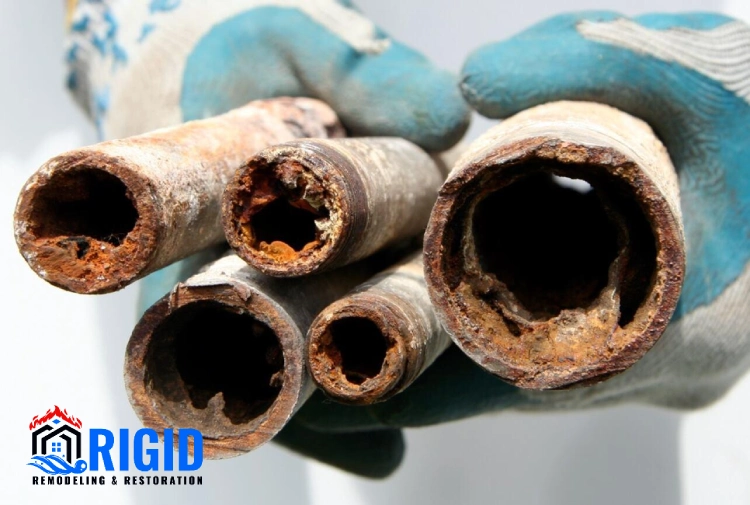
Many older San Diego homes still contain galvanized steel or copper pipes that have exceeded their intended lifespan. These materials corrode internally over time, reducing water flow and increasing the risk of leaks.

Small pinhole leaks often go unnoticed for months, slowly soaking surrounding materials like drywall and insulation. By the time visible damage appears, the repair is usually extensive. This hidden deterioration is a classic example of Why Older San Diego Homes Are More Vulnerable to Water Damage.

Outdated Waterproofing Materials

Modern homes are built with advanced waterproof membranes and vapor barriers, but older properties often rely on outdated or deteriorated materials. Tar-based sealants, for example, lose effectiveness after decades of exposure to heat and moisture.

Once these barriers fail, water intrusion becomes much easier, especially during heavy rains or plumbing leaks. The absence of modern waterproofing systems significantly increases long-term vulnerability.

Why Older Homes in San Diego Are More Prone to Water Damage

Structural Vulnerabilities That Increase Water Damage Risk

Beyond plumbing and climate, the physical structure of older homes also plays a major role in water-related issues. Materials age, foundations shift, and small cracks develop over time.

Before breaking down specific structural weaknesses, it’s important to highlight how these issues collectively explain Why Older San Diego Homes Are More Vulnerable to Water Damage in a deeper architectural sense.

Foundation Cracks and Shifting Soil

San Diego’s soil composition includes clay and sandy layers that expand and contract depending on moisture levels. Over decades, this movement causes small shifts in home foundations.

Older homes are particularly vulnerable because their foundations were not always reinforced with modern stabilization techniques. Even minor cracks can allow groundwater to seep inside, leading to persistent dampness in lower levels of the home.

This slow infiltration is one of the most underestimated reasons Why Older San Diego Homes Are More Vulnerable to Water Damage.

Roof Deterioration Over Time

Roofs are one of the first lines of defense against water intrusion. However, older roofing materials such as clay tiles, asphalt shingles, or wood shakes degrade naturally with age.

Cracked tiles, missing shingles, and weakened underlayment allow rainwater to penetrate into attic spaces. Once moisture enters the roof structure, it can travel across beams and insulation, creating widespread damage that is often difficult to detect early.

How Maintenance Practices Influence Water Damage Risk

Even the best-built home will eventually suffer from water issues if maintenance is neglected. Unfortunately, many older homes do not receive the level of upkeep required to offset natural aging.

This lack of consistent maintenance is another important layer in understanding Why Older San Diego Homes Are More Vulnerable to Water Damage.

Neglected Inspections Over Time

Routine inspections are often skipped in older properties due to cost concerns or lack of awareness. However, small issues like hairline cracks, minor leaks, or gutter blockages can quickly escalate if left unchecked.

Regular inspections could prevent many of the problems that typically define Why Older San Diego Homes Are More Vulnerable to Water Damage, especially in homes over 30–50 years old.

Delayed Repairs and Compounding Damage

When minor leaks are ignored, water damage rarely stays minor. It spreads silently behind walls, under flooring, and into structural components. Over time, this leads to mold growth, wood rot, and even electrical hazards.

Delayed repairs are one of the most costly mistakes homeowners make, and they significantly increase the long-term vulnerability of aging properties.

Prevention Strategies for Homeowners

While the risks are real, they are not unavoidable. Homeowners can take practical steps to reduce exposure and protect their property from long-term moisture damage.

The first step is awareness of Why Older San Diego Homes Are More Vulnerable to Water Damage, followed by consistent preventive action.

Regular plumbing inspections, roof maintenance, and foundation checks can significantly reduce risk. Upgrading outdated materials, improving drainage systems, and installing modern waterproof barriers also provide long-term protection.

Even simple actions like cleaning gutters or sealing minor cracks can make a noticeable difference over time.

Conclusion

Understanding Why Older San Diego Homes Are More Vulnerable to Water Damage helps homeowners take proactive steps instead of reacting after damage has already occurred. Aging materials, climate exposure, and outdated systems all contribute to a slow but steady increase in risk.

However, with consistent maintenance and timely upgrades, these homes can remain safe, durable, and valuable for decades. The key is not to ignore the early warning signs and to treat small issues before they grow into expensive structural problems.

Frequently Asked Questions

  1. Why are older San Diego homes more prone to water damage than newer ones?

Older homes often have aging plumbing systems, outdated waterproofing, and weakened structural materials. Combined with San Diego’s coastal humidity and seasonal rains, these factors significantly increase moisture-related risks.

  1. What is the most common source of water damage in older homes?

The most common sources include leaking pipes, roof deterioration, and foundation cracks. These issues often develop slowly and remain hidden until significant damage has already occurred.

  1. Can water damage in older homes be prevented completely?

While it cannot be fully eliminated, regular maintenance, timely repairs, and system upgrades can drastically reduce the risk and prevent major structural damage.

  1. How often should older homes in San Diego be inspected?

Ideally, older homes should be inspected at least once a year for plumbing, roofing, and foundation integrity. Coastal properties may require even more frequent checks due to higher moisture exposure.

Red Flags in Restoration Contractor Hiring Process

Red Flags to Watch for When Hiring a Restoration Contractor

When a home or commercial property is damaged by water, fire, mold, or storm events, the urgency to hire a restoration contractor becomes extremely high. In these situations, most property owners are under stress, which makes them more vulnerable to poor decisions and unqualified service providers. Unfortunately, the restoration industry, like many emergency-based services, also attracts contractors who are not fully licensed, lack experience, or operate with unethical practices.

Understanding the Red Flags to Watch for When Hiring a Restoration Contractor is essential to protect both your property and your finances. A wrong decision can lead to incomplete repairs, hidden damage, insurance complications, and even long-term structural issues. This article provides a comprehensive breakdown of the warning signs, helping you make an informed and confident decision.

Why Identifying Warning Signs Early Matters

Before discussing specific issues, it is important to understand why the Red Flags to Watch for When Hiring a Restoration Contractor should never be ignored. Restoration work is not cosmetic—it directly impacts the safety, stability, and long-term value of a property.

When mistakes are made during restoration, they are often not immediately visible. Hidden moisture, improper mold treatment, or poor structural repairs can cause serious damage months or even years later. That is why recognizing early warning signs is a critical step in avoiding long-term consequences.

Financial and Structural Risks

One of the main dangers of ignoring the Red Flags to Watch for When Hiring a Restoration Contractor is financial loss. Contractors who cut corners may initially appear cheaper, but they often leave incomplete work that requires expensive corrections later. In addition, structural risks such as weakened walls or untreated mold can significantly reduce property value.

Insurance Complications

Insurance companies often require proper documentation and certified restoration processes. If a contractor does not follow industry standards, your claim may be denied or reduced. This is another reason why awareness of the Red Flags to Watch for When Hiring a Restoration Contractor is essential before signing any agreement.

Lack of Proper Licensing and Certification

One of the most critical Red Flags to Watch for When Hiring a Restoration Contractor is the absence of valid licensing or industry certification. Restoration work requires technical knowledge and compliance with local regulations.

A licensed contractor typically follows standardized procedures, uses approved equipment, and adheres to safety protocols. Without these credentials, there is no guarantee that the work will meet professional standards.

Why Licensing Matters

Licensing ensures accountability. If a contractor is certified, there is usually a governing body that can take action in case of negligence. When evaluating the Red Flags to Watch for When Hiring a Restoration Contractor, always verify documentation before allowing any work to begin.

Extremely Low Estimates Compared to Market Rates

Another major warning sign among the Red Flags to Watch for When Hiring a Restoration Contractor is unusually low pricing. While competitive pricing is normal, extremely cheap estimates often indicate hidden issues.

Low bids may suggest the use of low-quality materials, untrained labor, or incomplete service coverage. In many cases, contractors may increase costs later through “unexpected” charges.

The Risk of Hidden Costs

Many homeowners are initially attracted to low prices, only to discover additional expenses once the project begins. This is one of the most common Red Flags to Watch for When Hiring a Restoration Contractor, as it often leads to budget overruns and disputes.

Lack of Written Contracts or Documentation

A professional restoration company will always provide detailed written agreements. The absence of proper documentation is one of the clearest Red Flags to Watch for When Hiring a Restoration Contractor.

Without a contract, there is no legal protection regarding scope of work, timelines, or costs. This leaves property owners vulnerable to misunderstandings or incomplete work.

What a Proper Contract Should Include

A valid agreement should clearly outline the scope of restoration, cost breakdown, timeline, materials used, and warranty terms. If any of these elements are missing, it should be considered a serious warning sign within the Red Flags to Watch for When Hiring a Restoration Contractor.

Poor Communication and Lack of Transparency

Communication is a key factor in any restoration project. Contractors who are difficult to reach or provide vague answers should raise immediate concerns.

Among the Red Flags to Watch for When Hiring a Restoration Contractor, poor communication often indicates disorganization or lack of professionalism.

Delayed Responses and Unclear Explanations

If a contractor consistently avoids clear explanations or delays responses, it may reflect internal inefficiencies. Transparency is essential for trust and project success, and its absence should never be ignored.

Warning Signs When Hiring a Restoration Contractor

No Physical Address or Verifiable Business Identity

A legitimate restoration company will always have a physical office or verifiable business location. One of the overlooked Red Flags to Watch for When Hiring a Restoration Contractor is working with companies that only provide phone numbers or temporary contact details.

Why Business Identity Matters

A traceable business ensures accountability. If problems arise, it is important to know where and how to contact the company. Contractors without a verifiable presence often disappear after receiving payment, making this one of the most serious Red Flags to Watch for When Hiring a Restoration Contractor.

Use of High-Pressure Sales Tactics

High-pressure sales tactics are another strong indicator of unreliable service providers. Contractors who push for immediate decisions without allowing time for evaluation should be treated with caution.

This behavior is one of the classic Red Flags to Watch for When Hiring a Restoration Contractor, especially in emergency situations where homeowners are already under stress.

Emotional Manipulation in Sales

Some contractors may exaggerate damage or create urgency to force quick agreements. This can lead to rushed decisions and unnecessary expenses, making it a critical warning sign.

Lack of Insurance Coverage

Proper insurance is essential in restoration work due to the high-risk nature of the job. Contractors without liability or worker’s compensation insurance should never be hired.

This is one of the most important Red Flags to Watch for When Hiring a Restoration Contractor, as it directly affects your legal and financial protection.

Risks of Uninsured Contractors

If an accident occurs during the project, the property owner may become financially responsible. This makes insurance verification a non-negotiable step in the hiring process.

Negative or No Verified Reviews

Online reputation is a powerful indicator of reliability. A pattern of negative reviews or the absence of any feedback is another one of the Red Flags to Watch for When Hiring a Restoration Contractor.

Evaluating Customer Feedback

While one or two negative reviews may not be alarming, consistent complaints about delays, poor quality, or hidden costs should not be ignored. Reliable contractors usually have a history of satisfied clients.

No Clear Project Timeline

A professional restoration contractor should always provide a realistic timeline. When timelines are vague or constantly changing, it becomes another significant warning sign.

Among the Red Flags to Watch for When Hiring a Restoration Contractor, lack of scheduling clarity often leads to project delays and extended disruption.

Absence of Industry Equipment or Techniques

Modern restoration requires specialized equipment such as industrial dehumidifiers, moisture meters, and air scrubbers. Contractors who rely on outdated tools may not be able to fully restore the property.

This is another important factor in identifying the Red Flags to Watch for When Hiring a Restoration Contractor.

Conclusion

Understanding the Red Flags to Watch for When Hiring a Restoration Contractor is essential for protecting your property, finances, and long-term safety. From licensing issues to poor communication and lack of insurance, each warning sign provides valuable insight into the reliability of a contractor.

By carefully evaluating each of these Red Flags to Watch for When Hiring a Restoration Contractor, property owners can avoid costly mistakes and ensure that restoration work is completed to a professional standard. Making informed decisions during the hiring process is the most effective way to guarantee successful project outcomes.

Frequently Asked Questions

  1. What is the most important red flag when hiring a restoration contractor?

Lack of licensing and insurance is considered the most critical warning sign because it directly affects safety and legal protection.

  1. Why do some contractors offer very low prices?

Extremely low prices often indicate poor-quality materials, inexperienced labor, or hidden costs that appear later in the project.

  1. How can I verify if a restoration contractor is legitimate?

You can verify legitimacy by checking licensing, insurance documents, physical business address, and online customer reviews.

Professional vs DIY Water Damage Cleanup Explained

DIY Water Cleanup vs Professional Water Damage Restoration

Water damage can strike when you least expect it—whether it’s a burst pipe at midnight, a leaking roof after heavy rain, or an overflowing washing machine. In those first few hours, every decision matters. Some homeowners rush to handle the problem themselves, while others immediately call experts. This is exactly where the debate of DIY Water Cleanup vs Professional Water Damage Restoration becomes important.

Understanding the right approach can save you thousands of dollars, protect your home structure, and even prevent long-term health risks like mold growth. In this guide, we’ll break everything down in a simple, practical way so you can make the right decision when it matters most.

Understanding Water Damage and Why Immediate Action Matters

Before deciding between DIY Water Cleanup vs Professional Water Damage Restoration, it’s important to understand what water damage actually does to a property. Water doesn’t just sit on surfaces—it quickly penetrates walls, floors, insulation, and even the foundation of your home.

The longer moisture stays, the higher the risk of structural damage and mold growth. Within 24 to 48 hours, mold spores can begin to develop, turning a small water issue into a serious health and financial problem.

Common causes of water damage

Water damage usually comes from everyday household issues. These include broken pipes, roof leaks, appliance failures, and natural flooding. Even small leaks can escalate if not addressed quickly.

Why time is critical

Time is the biggest factor in water damage recovery. The faster you respond, the less severe the damage becomes. This is one of the key reasons people compare DIY Water Cleanup vs Professional Water Damage Restoration when an incident occurs.

DIY Water Cleanup Approach Explained

When people first face water damage, many try to handle it themselves. The idea behind DIY Water Cleanup vs Professional Water Damage Restoration is often cost-saving, but it requires understanding what DIY can realistically achieve.

DIY cleanup typically involves removing standing water, drying surfaces, and using household tools like fans and dehumidifiers. It can work in very minor cases, but it has clear limitations when moisture spreads deep into materials.

DIY Water Cleanup vs Professional Water Damage Restoration Guide

Step-by-step DIY cleanup process

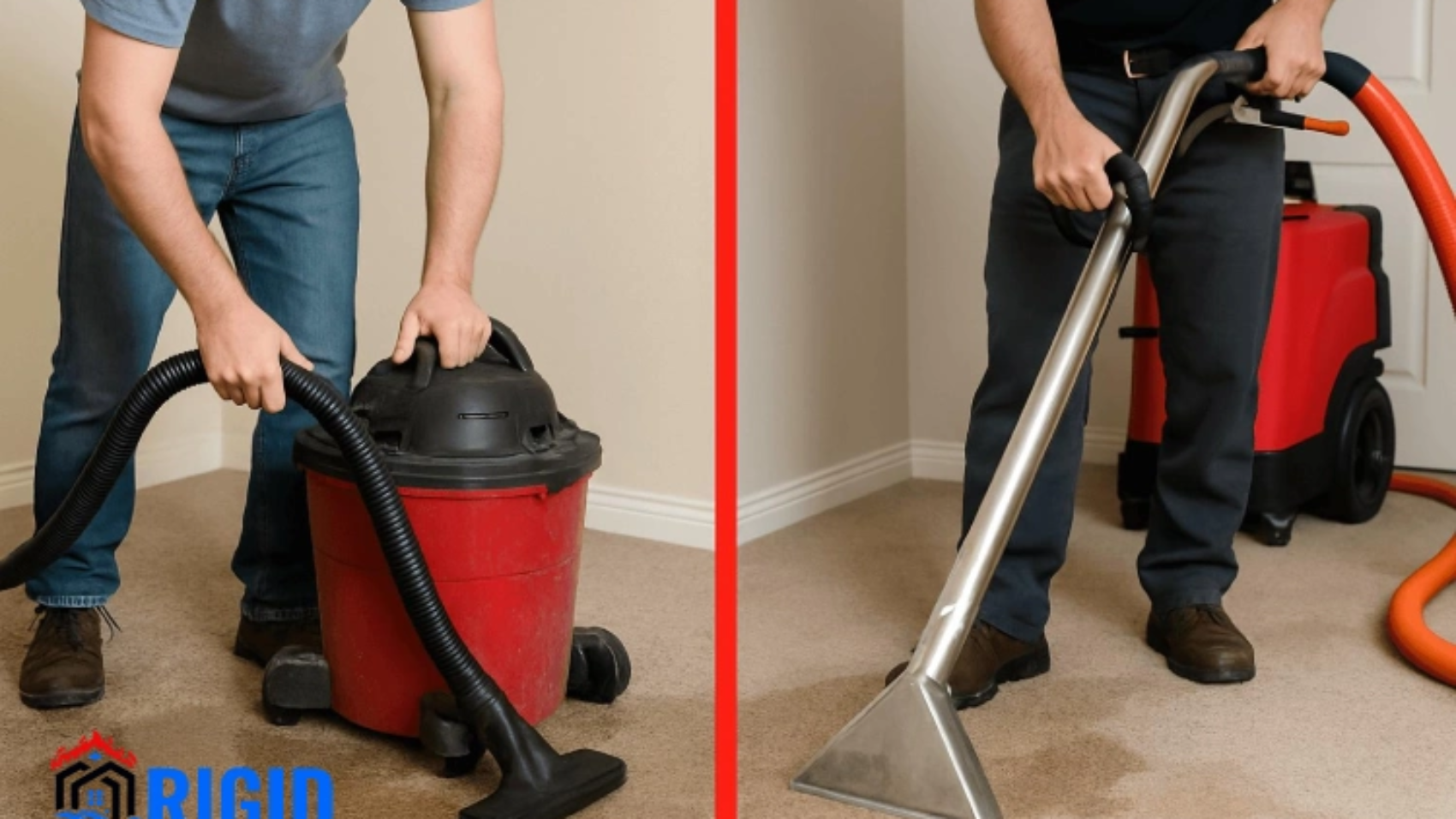
In small water damage situations, homeowners usually start by stopping the water source, removing wet items, and using towels or wet vacuums. After that, fans and open windows are used to dry the area.

However, even when the surface looks dry, hidden moisture can remain inside walls and flooring, which is why DIY Water Cleanup vs Professional Water Damage Restoration becomes a serious decision point.

Limitations of DIY methods

DIY methods cannot detect hidden moisture or prevent mold growth effectively. Without industrial equipment, it’s difficult to fully restore the property to its original condition.

Professional Water Damage Restoration Services

On the other side of DIY Water Cleanup vs Professional Water Damage Restoration, we have professional services that use advanced tools and trained experts to handle water damage thoroughly and safely.

Professional restoration companies follow a structured process that includes inspection, water extraction, drying, dehumidification, and sanitization. Their goal is not just to remove visible water but to restore the entire structure.

Advanced equipment and techniques

Professionals use industrial-grade air movers, moisture meters, and dehumidifiers. These tools allow them to detect hidden water and ensure complete drying, which is something DIY methods cannot achieve.

Full restoration process

The process usually begins with damage assessment, followed by water removal, deep drying, and mold prevention. This is why many experts strongly recommend professionals when discussing DIY Water Cleanup vs Professional Water Damage Restoration.

DIY vs Professional Water Damage Restoration: Key Differences

When comparing DIY Water Cleanup vs Professional Water Damage Restoration, it becomes clear that both approaches serve different purposes depending on the severity of the damage.

DIY is suitable for very minor spills or surface-level water issues, while professional restoration is designed for deep, widespread, or long-term water exposure.

Comparison overview

To make things clearer, here’s a simple breakdown:

Factor DIY Water Cleanup Professional Restoration
Cost Low Higher but insured options available
Equipment Basic household tools Industrial-grade machines
Effectiveness Limited Highly effective
Mold prevention Weak Strong
Time required Longer for results Faster and thorough


This comparison shows why DIY Water Cleanup vs Professional Water Damage Restoration is not just about cost, but also about long-term safety and property protection.

Risks of DIY Water Cleanup

One of the most overlooked aspects of DIY Water Cleanup vs Professional Water Damage Restoration is the risk involved in doing it yourself. While DIY might seem simple, hidden dangers often appear later.

Hidden moisture and mold growth

Even if surfaces look dry, moisture can stay trapped inside walls and flooring. This creates the perfect environment for mold, which can spread quickly and affect indoor air quality.

Structural damage over time

Improper drying can weaken wood, drywall, and insulation. Over time, this can lead to costly repairs that far exceed the cost of professional restoration.

When Should You Call Professionals?

Knowing when to choose DIY Water Cleanup vs Professional Water Damage Restoration is crucial for protecting your home.

Severe or widespread water damage

If water has spread across multiple rooms or has soaked into walls and floors, professional help is necessary. DIY methods will not be enough in these cases.

Contaminated water situations

If the water comes from sewage or flood sources, it is unsafe to handle without proper equipment. Professionals are trained to manage such hazardous conditions safely.

Water Damage Repair_ DIY Methods vs Expert Restoration

Cost Considerations: DIY vs Professional Restoration

Cost is often the main reason homeowners try DIY methods. However, when evaluating DIY Water Cleanup vs Professional Water Damage Restoration, it’s important to think beyond immediate expenses.

Short-term savings vs long-term costs

DIY may save money upfront, but hidden damage can lead to expensive repairs later. Professional services may cost more initially but often prevent bigger financial losses in the future.

Insurance coverage options

In many cases, insurance policies cover professional restoration services. This makes the decision between DIY Water Cleanup vs Professional Water Damage Restoration easier for homeowners.

Prevention Tips to Avoid Future Water Damage

Preventing water damage is always better than dealing with cleanup. Whether you choose DIY Water Cleanup vs Professional Water Damage Restoration, prevention should always be a priority.

Regular home inspections

Checking pipes, roofs, and appliances regularly can help detect small leaks before they become serious problems.

Installing water detection systems

Modern smart sensors can alert you immediately when water leaks occur, helping you act before damage spreads.

Conclusion

At the end of the day, the choice between DIY Water Cleanup vs Professional Water Damage Restoration depends on the severity of the situation. DIY methods may work for small, manageable spills, but they fall short when water damage becomes deep or widespread.

Professional restoration offers a more complete and reliable solution, ensuring your home is fully dried, safe, and protected from future issues like mold and structural damage. Understanding the difference between the two approaches helps you make faster, smarter decisions when water damage strikes.

Frequently Asked Questions

Is DIY water cleanup safe for all types of water damage?

No, DIY cleanup is only safe for very minor and clean water spills. Larger or contaminated water damage requires professional handling.

How long does professional water damage restoration take?

It usually depends on the severity, but most projects take between 2 to 5 days for full drying and restoration.

Can water damage cause long-term health problems?

Yes, if not properly treated, it can lead to mold growth which may cause respiratory issues and allergies.

What is the biggest mistake in DIY water cleanup?

The biggest mistake is assuming the area is fully dry when hidden moisture is still present, leading to mold growth later.

questions to ask water damage company

Questions to Ask a Water Damage Restoration Company Before Hiring

Imagine waking up one morning and finding water all over your home—soaked carpets, damaged walls, and a lingering smell of dampness. Whether it’s from a burst pipe, a leaking roof, or flooding, water damage can quickly turn into a serious problem if not handled correctly. In these stressful moments, choosing the right restoration company becomes one of the most important decisions you’ll make.

Many homeowners rush into hiring the first available company, only to regret it later due to hidden costs, poor workmanship, or incomplete repairs. That’s why understanding the Questions to Ask a Water Damage Restoration Company Before Hiring is essential. The right questions can save you time, money, and a lot of frustration.

Why Asking the Right Questions Matters

Before diving into the specific Questions to Ask a Water Damage Restoration Company Before Hiring, it’s important to understand why this step is so critical. Water damage restoration is not just about removing visible water—it involves detecting hidden moisture, preventing mold growth, and restoring structural integrity.

If you skip this step and hire a company without proper evaluation, you risk ending up with incomplete repairs that lead to bigger problems later. Asking the right questions helps you identify experienced professionals who follow industry standards and deliver long-term solutions rather than temporary fixes.

Is the Company Licensed and Certified?

One of the first and most important Questions to Ask a Water Damage Restoration Company Before Hiring is whether the company holds proper licenses and certifications. These credentials indicate that the company meets professional standards and has undergone the necessary training.

Certified companies are more likely to follow established procedures for water extraction, drying, sanitization, and restoration. This ensures that the job is done correctly the first time, reducing the risk of future damage.

What Certifications Should You Look For?

Industry-recognized certifications such as IICRC (Institute of Inspection Cleaning and Restoration Certification) are strong indicators of professionalism. These certifications demonstrate that technicians are trained in best practices and updated techniques.

Companies with these credentials are also more likely to use advanced equipment and follow safety protocols, which ultimately benefits your property and your peace of mind.

How Much Experience Do They Have?

Another key point among the Questions to Ask a Water Damage Restoration Company Before Hiring is the company’s experience. Not all water damage situations are the same, and each case requires a tailored approach.

An experienced company can quickly assess the situation, identify hidden damage, and implement the most effective solution. This reduces downtime and prevents costly mistakes.

Why Real Experience Matters More Than Marketing

Some companies may have impressive marketing, but lack hands-on experience. Real-world experience allows technicians to handle unexpected complications effectively.

Additionally, experienced companies often have a portfolio of completed projects and positive customer feedback, which can help you make a more informed decision.

What Services Do They Offer?

When considering the Questions to Ask a Water Damage Restoration Company Before Hiring, it’s essential to understand the scope of services provided. Some companies only handle water extraction, while others offer full restoration services.

Choosing a company that provides comprehensive services can save you from the hassle of hiring multiple contractors and coordinating different stages of the project.

What Does a Full-Service Restoration Include?

A full-service company typically handles water removal, drying, dehumidification, mold prevention, cleaning, and structural repairs. This ensures continuity throughout the restoration process.

Having one team manage the entire project also minimizes miscommunication and delays, leading to faster and more efficient results.

How Long Will the Restoration Take?

Time is a crucial factor in water damage situations. The longer moisture remains, the higher the risk of mold growth and structural damage. That’s why this is one of the essential Questions to Ask a Water Damage Restoration Company Before Hiring.

Understanding the timeline helps you plan accordingly and ensures that the company has a clear process in place.

Do They Provide Realistic Timelines?

Reliable companies provide accurate and realistic timelines based on the extent of the damage. They don’t overpromise just to secure the job.

A well-planned timeline reflects the company’s experience and organizational skills, both of which are critical for successful restoration.

Do They Work with Insurance Companies?

Another important item in the list of Questions to Ask a Water Damage Restoration Company Before Hiring is whether the company works with insurance providers. Water damage is often covered by insurance policies, but the claims process can be complex.

A company familiar with insurance procedures can help streamline the process and ensure you receive the compensation you deserve.

Why Insurance Experience Is Valuable

Companies experienced in handling insurance claims know how to document damage properly and communicate with adjusters. This increases the chances of claim approval.

Without this expertise, you might face delays or even claim denials, leading to unexpected out-of-pocket expenses.

What Equipment and Technology Do They Use?

Modern equipment plays a vital role in effective restoration. One of the critical Questions to Ask a Water Damage Restoration Company Before Hiring is about the tools and technology they use.

Outdated equipment may fail to remove moisture completely, leaving hidden damage that can worsen over time.

How Advanced Equipment Improves Results

Professional-grade dehumidifiers, air movers, and moisture detection tools ensure thorough drying. These technologies help identify and eliminate moisture even in hard-to-reach areas.

Using advanced equipment not only speeds up the process but also ensures long-lasting results.

How Are Costs Estimated?

Cost transparency is a major concern for most homeowners. Among the essential Questions to Ask a Water Damage Restoration Company Before Hiring, understanding pricing is crucial.

Some companies offer low initial quotes but add hidden fees later, making the project more expensive than expected.

Do They Provide Clear Estimates?

A trustworthy company provides a detailed and transparent estimate before starting the work. This includes labor, materials, and any additional services.

Clear pricing helps you avoid surprises and ensures that you stay within your budget.

Do They Offer 24/7 Emergency Services?

Water damage doesn’t follow a schedule—it can happen anytime. That’s why this is one of the most practical Questions to Ask a Water Damage Restoration Company Before Hiring.

A company that offers emergency services can respond quickly and prevent further damage.

Why Fast Response Is Critical

Every hour counts when dealing with water damage. Quick action reduces the extent of damage and lowers repair costs.

Immediate response also helps prevent mold growth, which can begin within 24 to 48 hours.

Do They Provide a Warranty or Guarantee?

Another important point in the Questions to Ask a Water Damage Restoration Company Before Hiring is whether the company stands behind its work. A warranty indicates confidence in the quality of service provided.

Without a guarantee, you may have no recourse if issues arise after the project is completed.

What Should a Good Warranty Include?

A reliable warranty should cover workmanship and ensure that the problem will not recur within a specified period. Some companies also offer follow-up inspections.

This added layer of protection gives you peace of mind and ensures long-term satisfaction.

Final Thoughts

Choosing the right company for water damage restoration is not a decision to take lightly. By asking the right Questions to Ask a Water Damage Restoration Company Before Hiring, you can avoid costly mistakes and ensure that your property is restored properly.

Take your time, do your research, and don’t hesitate to ask detailed questions. A professional company will always be transparent and willing to provide clear answers. In the end, this careful approach will save you time, money, and stress while protecting your home for the long term.

Frequently Asked Questions

How soon should I call a water damage restoration company?

You should contact a restoration company immediately after discovering water damage. The sooner the process begins, the lower the risk of structural damage and mold growth. Quick action is essential for minimizing repair costs and preventing further issues.

Can I handle water damage restoration myself?

Minor cases might be manageable, but most situations require professional expertise. Without proper equipment and knowledge, you may miss hidden moisture, leading to long-term problems like mold and structural damage.

Does insurance always cover water damage restoration?

Not always. Coverage depends on the cause of the damage and your specific policy. Sudden and accidental damage is usually covered, while gradual issues like leaks may not be. It’s best to consult both your insurance provider and the restoration company.

San Diego Water Damage Cleanup Pricing

How Much Does Water Damage Restoration Cost in San Diego؟

It usually starts with something small. A leaking pipe under the sink, a broken washing machine hose, or a sudden roof leak after a heavy California rain. At first, it doesn’t seem like a big deal. But within hours, water spreads into floors, walls, and furniture, turning a minor issue into a serious restoration project.

In a city like San Diego, where a mix of coastal humidity and older housing structures exists, water damage restoration is more common than many homeowners expect.

The real question most people face in that stressful moment is simple: how much does water damage restoration cost in San Diego? In this guide, we’ll break it down in a practical and realistic way so you know exactly what to expect before calling a restoration company.

What Is Water Damage Restoration?

Before talking about numbers, it’s important to understand what water damage restoration actually involves. It’s not just about drying wet carpets or removing visible water. It’s a structured process that includes water extraction, drying, dehumidification, cleaning, sanitizing, and sometimes repairing damaged structures.

Professionals also check hidden moisture behind walls and under flooring because untreated water can lead to mold growth and long-term structural issues. This is why the cost can vary so much depending on the severity of the damage.

Average Water Damage Restoration Cost in San Diego

When people search for how much does water damage restoration cost in San Diego, they usually want a simple number. However, the truth is that pricing depends on the category and severity of the damage. Still, we can break it down into average ranges.

Minor Water Damage

Minor cases usually involve small leaks or limited water exposure in one area. This type of damage is the easiest and cheapest to fix.

In San Diego, minor water damage restoration typically costs between $500 and $1,500. This includes basic drying, minor cleaning, and quick inspection to ensure no hidden moisture remains.

Moderate Water Damage

Moderate damage often involves multiple rooms or longer exposure to water. Flooring, drywall, and furniture may start absorbing moisture.

The average cost for moderate restoration in San Diego ranges from $1,500 to $4,000. At this level, professional drying equipment and partial repairs are usually required.

Severe Water Damage

Severe water damage is the most expensive category. It usually involves flooding, burst pipes, or long-term leaks that have affected the structure of the home.

In these cases, how much does water damage restoration cost in San Diego can easily rise between $4,000 and $10,000 or more depending on reconstruction needs and mold remediation.

Cost of Water Damage Restoration in San Diego

Key Factors That Affect Water Damage Restoration Cost

Understanding pricing requires looking beyond basic averages. Several factors directly influence how much does water damage restoration cost in San Diego, and each situation is unique.

Size of the Affected Area

The larger the affected area, the more time, labor, and equipment are needed. A single room is far cheaper to restore than an entire house.

Even a small increase in affected square footage can significantly change the final bill due to equipment usage and labor hours.

Type of Water Involved

Not all water damage is the same. Clean water from a pipe leak is much easier to handle than contaminated water from sewage backups or storm flooding.

The more contaminated the water, the more expensive the cleaning, sanitizing, and safety procedures become.

Response Time

Time is one of the most critical factors in water damage situations. The longer water sits, the more damage it causes.

If restoration begins within the first 24–48 hours, costs remain lower. Delayed response often leads to mold growth, which increases the overall restoration expense significantly.

Hidden Costs Homeowners Often Forget

When estimating how much does water damage restoration cost in San Diego, many homeowners only think about visible repairs. However, there are hidden costs that often appear later.

One common expense is mold remediation. If moisture is not fully removed, mold can develop behind walls and under flooring. This requires specialized treatment and increases the total cost.

Another hidden cost is structural repair. Water can weaken drywall, wood framing, and insulation, which may need full replacement instead of simple drying.

Does Insurance Cover Water Damage Restoration?

In many cases, homeowners insurance can cover part or all of the restoration costs, but it depends on the cause of the damage.

Sudden and accidental water damage, such as a burst pipe, is usually covered. However, gradual leaks or maintenance-related issues are often excluded.

Understanding your policy is crucial because it directly affects how much does water damage restoration cost in San Diego from your own pocket.

DIY vs Professional Water Damage Restoration

Some homeowners consider handling water damage on their own to save money. While this may work for very small incidents, it is not always recommended.

DIY Approach

Small spills or minor leaks can sometimes be handled using fans, towels, and household dehumidifiers. This approach is cheaper but limited in effectiveness.

Professional Restoration

Professional companies use industrial-grade equipment, moisture detection tools, and antimicrobial treatments. This ensures that no hidden moisture remains.

In most real cases, professional help ultimately reduces long-term costs by preventing mold and structural damage.

Why Water Damage Restoration in San Diego Can Be Expensive

San Diego has unique environmental and housing conditions that influence restoration costs. Coastal humidity makes drying slower, and many homes have older infrastructure that is more vulnerable to leaks.

Additionally, labor and service costs in California are generally higher than the national average, which also affects how much does water damage restoration cost in San Diego compared to other cities.

Water Damage Repair Cost in San Diego-BuODKg9tzYCw5A_O3oDLJdmtZ3kg8H2Ky9cQ

How to Reduce Water Damage Restoration Costs

Although water damage can be expensive, there are ways to reduce the financial impact if you act quickly and wisely.

The most important step is immediate response. The faster you contact a restoration company, the lower the damage spreads. Turning off the water source and starting ventilation can also help reduce severity.

Regular home maintenance, such as checking pipes, roofs, and appliances, can prevent major water damage before it even starts.

Final Thoughts

Water damage is stressful, unexpected, and often expensive, but understanding the process makes it easier to handle. The cost of water damage restoration in San Diego varies widely depending on severity, timing, and type of water involved.

While minor cases may be relatively affordable, severe damage can become costly if not addressed quickly. The key takeaway is simple: fast action saves money. Knowing how much does water damage restoration cost in San Diego helps homeowners make informed decisions and avoid unnecessary expenses.

Frequently Asked Questions

  1. How much does water damage restoration cost in San Diego on average?

On average, costs range from $500 for minor damage to over $10,000 for severe cases depending on the extent of the damage and required repairs.

  1. How long does water damage restoration take?

Minor cases may take 1–3 days, while severe damage involving structural repairs or mold remediation can take several weeks.

  1. Can water damage be fully repaired?

Yes, in most cases water damage can be fully restored if it is addressed quickly and handled by professionals using proper drying and cleaning techniques.

water damage vs flood damage explained

How Water Damage Differs From Flood Damage؟

One of the most common mistakes homeowners make after discovering moisture in their home is assuming all water-related damage is the same. A small leak under the sink and a river overflowing into a basement may look similar once everything is wet, but in reality, they belong to two very different categories of loss. This misunderstanding often leads to wrong insurance claims, delayed repairs, and even unsafe living conditions.

Understanding how water damage differs from flood damage is not just a technical detail—it directly affects insurance coverage, restoration methods, and health risks inside the home. Many homeowners only realize this difference when their claim gets denied or when hidden mold starts spreading behind the walls.

In this article, we will break down everything you need to know in a clear, practical way so you can confidently identify, respond to, and manage both situations without confusion.

Understanding Water Damage in Residential Properties

Before comparing the two, it is important to understand what water damage actually means in a home environment. Water damage typically refers to any internal or accidental water intrusion that originates from within the property or its systems.

This includes issues like burst pipes, leaking appliances, roof leaks, or plumbing failures. In most cases, the water is clean or relatively clean at the beginning, which makes cleanup more straightforward compared to external flooding events.

Common Sources of Water Damage

Water damage often starts quietly and gradually. A slow pipe leak behind a wall or a malfunctioning washing machine can go unnoticed for days. Over time, moisture spreads into drywall, flooring, and insulation, creating structural weakening and potential mold growth.

Because it usually originates inside the home, insurance companies often classify it differently from large-scale natural water events.

What Exactly Is Flood Damage?

To fully understand how water damage differs from flood damage, we need to define flooding clearly. Flood damage refers to water entering a property from an external natural source, such as heavy rainfall, overflowing rivers, storm surges, or rising groundwater.

Unlike internal leaks, floodwater is usually contaminated. It may carry sewage, debris, chemicals, or bacteria, making it significantly more hazardous to clean and restore.

Why Floodwater Is More Dangerous

Floodwater is often categorized as “black water” in restoration terminology. This means it is highly contaminated and requires specialized cleaning procedures. Contact with floodwater can pose serious health risks, especially if it remains stagnant for long periods.

This is one of the biggest distinctions homeowners overlook when comparing different types of water-related damage.

difference between water damage and flood damage

Key Differences Between Water Damage and Flood Damage

To make the distinction clearer, it helps to break down the differences in a structured way. When analyzing how water damage differs from flood damage, several critical factors come into play, including origin, contamination level, insurance coverage, and restoration complexity.

Source of Water Intrusion

Water damage originates from inside the property, while flood damage comes from external environmental events. This single factor is often what determines how insurance companies classify the claim.

Contamination and Health Risks

Water damage may involve relatively clean water at the start, whereas flood damage almost always involves contaminated water containing bacteria, sewage, or chemicals.

Scale and Impact

Water damage is usually localized, affecting specific rooms or systems. Flood damage tends to be widespread, impacting entire floors or even multiple levels of a building.

Insurance Differences Most Homeowners Don’t Realize

One of the most frustrating discoveries for homeowners is that insurance policies treat these two types of damage very differently. Understanding how water damage differs from flood damage in insurance terms can prevent costly surprises.

Water Damage Coverage

Most standard home insurance policies cover sudden and accidental water damage. This includes burst pipes, appliance leaks, and internal plumbing failures.

Flood Damage Coverage

Flood damage is typically excluded from standard policies and requires separate flood insurance. Without it, homeowners may have to pay for repairs entirely out of pocket.

This distinction alone can result in thousands or even tens of thousands of dollars in differences in coverage.

Restoration Process: Why Flood Damage Is More Complex

The cleanup process also highlights how water damage differs from flood damage in practical terms. Water damage restoration is usually faster and more contained, while flood recovery requires extensive decontamination.

Water Damage Restoration Steps

Water damage restoration often involves water extraction, drying equipment, dehumidification, and repairing affected materials like drywall or flooring.

Because the water is often clean or mildly contaminated, many materials can be salvaged if addressed quickly.

Flood Damage Restoration Challenges

Flood damage requires additional steps such as sanitization, removal of contaminated materials, and sometimes complete structural replacement. Carpets, insulation, and drywall are often discarded due to contamination risks.

This makes flood recovery more expensive and time-consuming.

Mold Growth and Long-Term Effects

One of the hidden dangers in both situations is mold growth. However, the speed and severity differ depending on the type of water exposure.

Mold Risk in Water Damage

In water damage cases, mold can begin forming within 24 to 48 hours if moisture is not properly removed. However, because the water source is usually cleaner, remediation is often more manageable.

Mold Risk in Flood Damage

Flood damage creates ideal conditions for rapid mold spread due to high contamination and widespread saturation. This can lead to long-term structural and health issues if not handled professionally.

Cost Comparison Between Water Damage and Flood Damage

Another major difference homeowners often miss when learning how water damage differs from flood damage is cost.

Water damage restoration is generally less expensive because it involves smaller areas and less contamination. Flood damage, on the other hand, can require full-scale reconstruction of multiple rooms or entire floors.

Costs can also increase due to disposal of contaminated materials and specialized cleaning requirements.

Prevention Strategies for Homeowners

While it is impossible to prevent natural flooding, many forms of water damage can be avoided with proper maintenance and awareness.

Regular plumbing inspections, roof maintenance, and appliance checks can significantly reduce the risk of internal leaks. For flood-prone areas, installing sump pumps and flood barriers can help reduce potential damage.

Understanding how water damage differs from flood damage also helps homeowners prepare the right prevention strategy for each risk type.

When to Call a Professional Restoration Service

In both cases, timing is critical. The longer water remains in the home, the greater the damage becomes. Homeowners should contact professionals immediately if water spreads beyond a small contained area or if floodwater enters the property.

Professionals have specialized equipment to detect hidden moisture, prevent mold growth, and restore structural integrity safely.

Conclusion

At first glance, water damage and flood damage may seem similar, but they are fundamentally different in origin, risk level, insurance coverage, and restoration complexity. Understanding how water damage differs from flood damage allows homeowners to make better decisions during emergencies and avoid costly mistakes.

While water damage is often manageable if addressed quickly, flood damage is a large-scale event that requires professional intervention and strict safety measures. Being informed is the first step toward protecting both your property and your financial stability.

FAQs

Is flood damage included in regular home insurance?

No, most standard home insurance policies do not cover flood damage. Homeowners usually need separate flood insurance to be protected against natural flooding events.

Which is more dangerous: water damage or flood damage?

Flood damage is generally more dangerous because the water is contaminated with bacteria, sewage, and chemicals, making it a higher health risk compared to most water damage cases.

Can water damage turn into mold quickly?

Yes, mold can begin forming within 24 to 48 hours if moisture is not properly dried. This is why immediate action is crucial in all types of water-related damage.

What Happens When a Water Pipe Bursts Indoors

What Happens to Your Home After a Pipe Bursts?

It usually starts with something small. A faint sound behind the wall, a damp spot on the ceiling, or a sudden drop in water pressure. Most homeowners ignore it at first—until one day, a pipe bursts and everything changes in minutes.

A burst pipe is not just a plumbing issue; it’s a chain reaction that can affect walls, floors, electricity, furniture, and even the structural safety of your home. In this article, we’ll walk through exactly what happens to your home after a pipe bursts and what you need to expect in the hours, days, and weeks that follow.

Before diving into the damage itself, it’s important to understand that water behaves aggressively once released inside a structure. It spreads fast, seeps into hidden areas, and creates damage far beyond what you can see on the surface.

The Immediate Impact When a Pipe Bursts in Your Home

When a pipe bursts, the first few minutes are critical. Water starts escaping under pressure, flooding nearby areas and spreading quickly through floors and walls.

What many homeowners don’t realize is that the initial visible water is only a fraction of the total spread. Much of it travels into hidden spaces like insulation, subfloors, and wall cavities.

Sudden Water Release and Flooding

A burst pipe releases water continuously until it is shut off. This can lead to rapid flooding in kitchens, bathrooms, basements, or ceilings depending on the location of the pipe.

Within minutes, carpets, furniture, and wooden structures begin absorbing water, which significantly increases the damage level.

Electrical and Safety Risks

One of the most dangerous consequences after a pipe bursts is electrical exposure. Water can reach outlets, wiring, and appliances.

This creates a serious risk of short circuits or even electrical fires if power is not shut off quickly.

What to Expect After a Burst Pipe in Your Home

Structural Damage After a Pipe Burst

Once the initial flooding spreads, the real damage begins inside the structure of the home. Water does not stay in one place—it penetrates materials and weakens them over time.

Damage to Walls and Drywall

Drywall absorbs water very quickly. After a pipe bursts, walls can start to swell, bubble, or collapse if the moisture level is high.

Paint may peel, and mold can begin forming behind the surface within 24 to 48 hours.

Floor and Foundation Issues

Wooden floors absorb water and expand, leading to warping and buckling. Even tile floors are not completely safe, as water can seep underneath.

If the leak is severe or prolonged, water may even reach the foundation and cause long-term structural weakening.

Hidden Water Damage You Cannot See

One of the most underestimated effects of what happens to your home after a pipe bursts is hidden moisture. Even after visible water is cleaned, moisture remains trapped inside materials.

Moisture in Insulation and Walls

Insulation acts like a sponge, holding water deep inside walls. This creates a perfect environment for mold growth and long-term odor problems.

Drying these areas often requires professional equipment like industrial dehumidifiers.

Mold Growth and Air Quality Issues

Mold can begin developing within 24–72 hours after a pipe bursts. Once it spreads, it affects not only the structure but also indoor air quality.

This can lead to respiratory issues, allergies, and long-term health concerns for residents.

What Happens in the First 24 to 72 Hours

The timeline after a burst pipe is extremely important. The longer water remains, the more severe the damage becomes.

First 24 Hours: Rapid Absorption

During the first day, water spreads into porous materials like wood, fabric, and drywall.

This is the most important window for emergency response and water removal.

24–72 Hours: Mold Begins to Grow

After one to three days, moisture creates ideal conditions for mold. At this stage, damage becomes significantly more expensive to repair.

Odors may also start developing, indicating deeper contamination.

Financial and Repair Consequences

Understanding what happens to your home after a pipe bursts also includes the financial impact. Even a small burst pipe can lead to major repair costs.

Emergency Repairs and Water Extraction

The first expense usually involves emergency plumbing and water removal services.

Industrial drying equipment, dehumidifiers, and sanitization may also be required.

Reconstruction and Replacement Costs

If damage is severe, parts of the home may need full reconstruction. This can include replacing drywall, flooring, insulation, and even cabinetry.

Insurance may cover some costs, but coverage depends on the cause of the burst.

Health Risks After a Pipe Bursts

Water damage is not only a structural problem—it can also affect health in serious ways.

Mold-Related Respiratory Issues

Mold spores released into the air can trigger asthma, coughing, and allergies.

Children and elderly individuals are especially vulnerable to these effects.

Bacterial Contamination

If the burst pipe involves wastewater or dirty water, contamination risk increases significantly.

This can lead to skin irritation and other infections if not cleaned properly.

What Occurs When a Pipe Bursts in a House

How Restoration Professionals Fix the Damage

Once the immediate crisis is controlled, restoration experts begin the recovery process. Understanding this helps clarify what happens to your home after a pipe bursts in the long term.

Water Extraction and Drying

High-powered pumps and vacuums are used to remove standing water first. Then industrial dryers eliminate hidden moisture.

This step is crucial to prevent mold growth.

Sanitization and Repair

After drying, surfaces are cleaned and disinfected. Damaged materials are either restored or replaced depending on severity.

This ensures the home becomes safe and habitable again.

Can You Prevent Future Pipe Bursts?

While not all incidents can be avoided, there are preventive steps that reduce risk significantly.

Insulating Pipes in Cold Weather

Cold temperatures are one of the main causes of pipe bursts. Insulation helps prevent freezing and expansion.

This is especially important in basements, attics, and exterior walls.

Regular Plumbing Inspections

Routine inspections can detect weak or corroded pipes before they fail.

Early detection is often the difference between a small repair and major damage.

Conclusion

Understanding what happens to your home after a pipe bursts is essential for every homeowner. The damage is not just about visible water—it extends deep into walls, floors, and even the air you breathe.

The key takeaway is that time matters. The faster you respond, the less damage your home will suffer. With proper action and professional help, most homes can be fully restored, but ignoring the problem can turn a small leak into a major disaster.

FAQs

How quickly does damage start after a pipe bursts?

Damage begins immediately as water spreads and soaks into materials. Within minutes, flooring and furniture can be affected, and within 24 hours, structural damage can begin.

Is it safe to stay in a house after a pipe bursts?

It depends on the severity. If water reaches electrical systems or causes structural damage, it may be unsafe to remain inside until repairs are made.

How long does it take to fully restore a home after a pipe burst?

Restoration can take anywhere from a few days to several weeks depending on the extent of the damage and whether mold has developed.